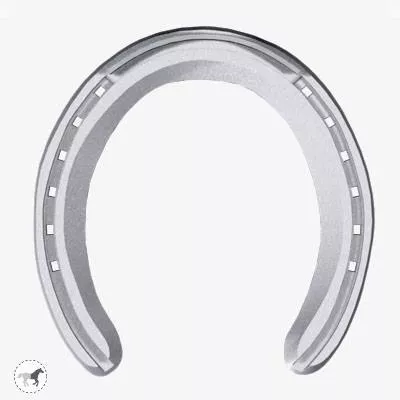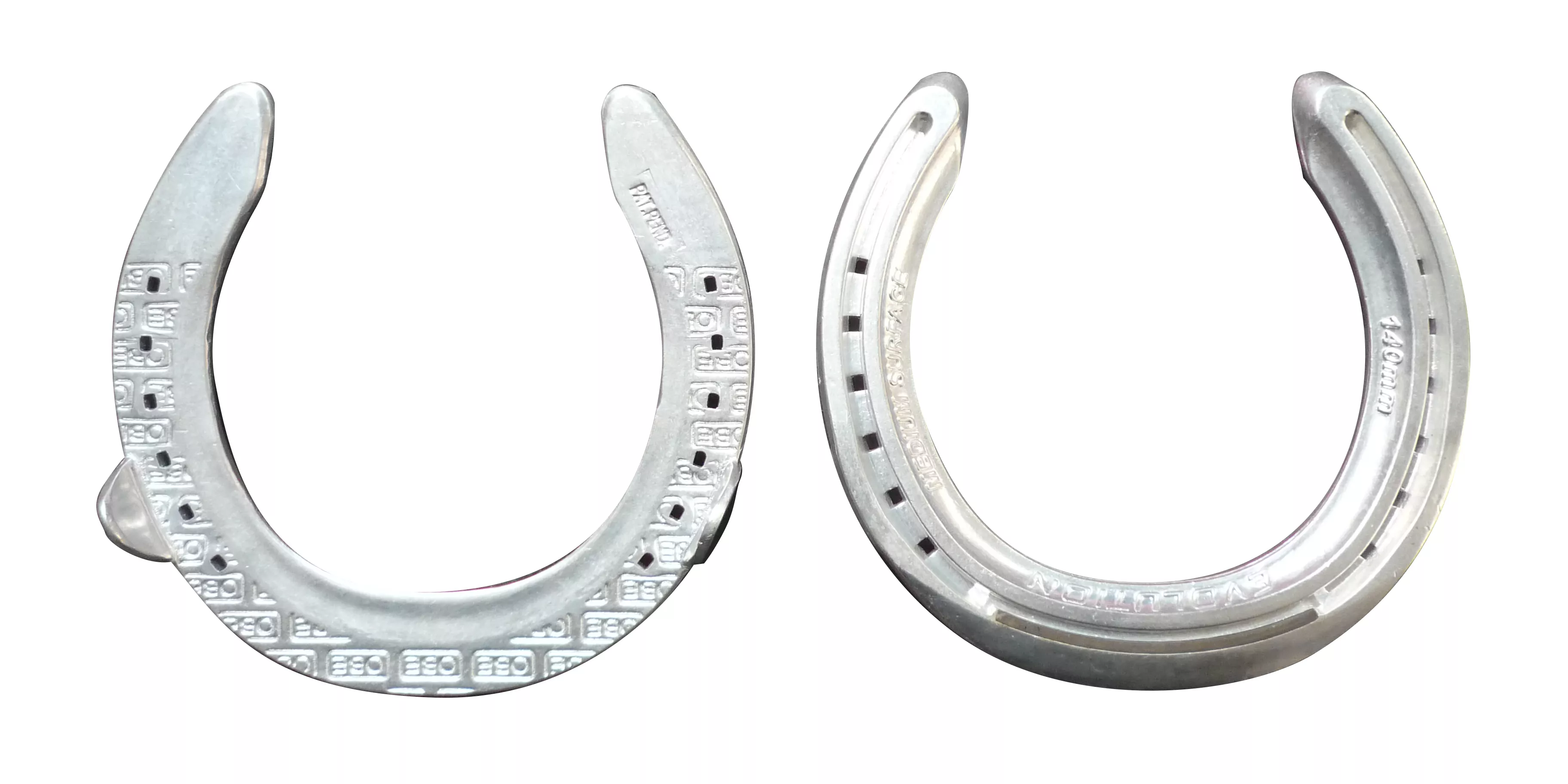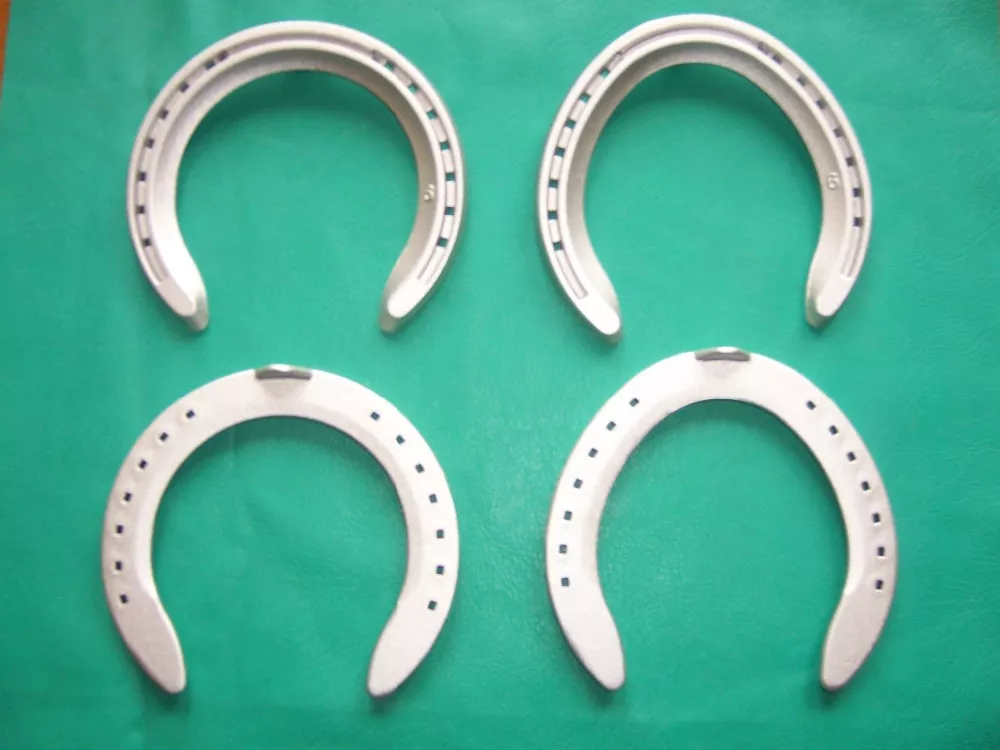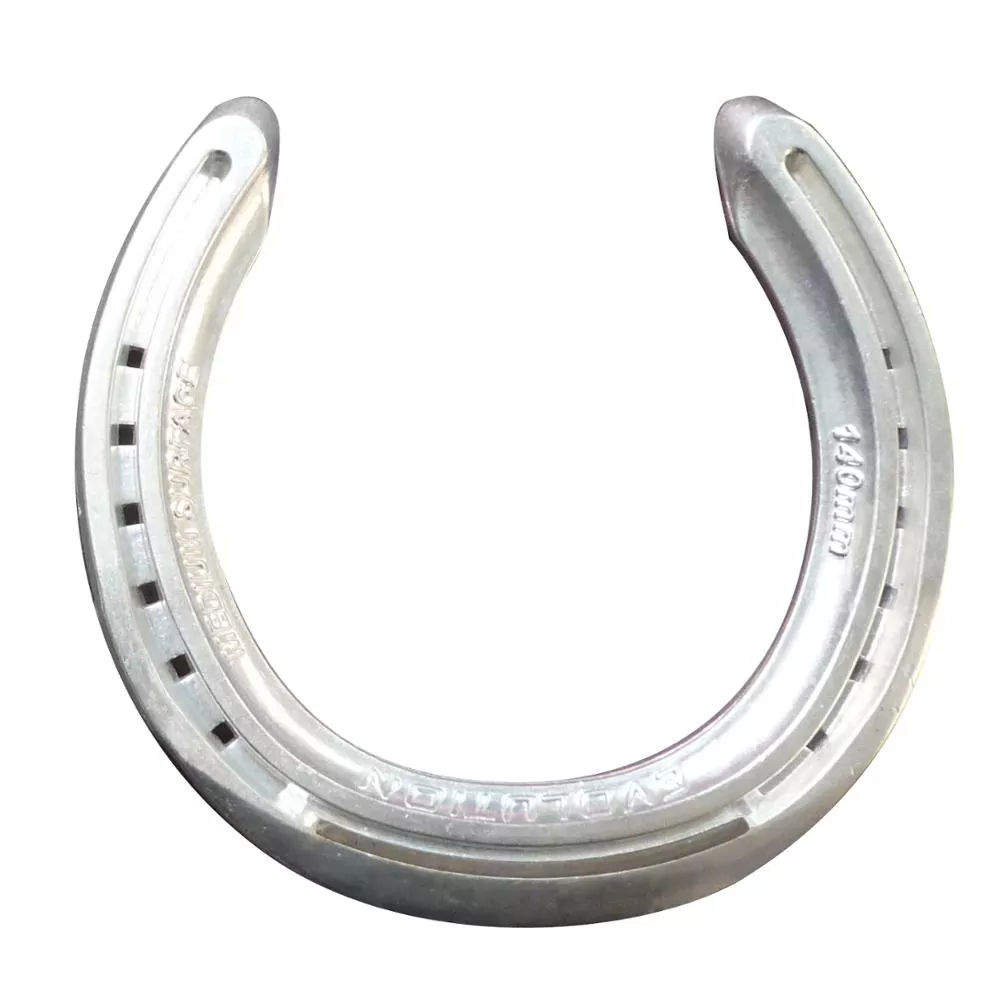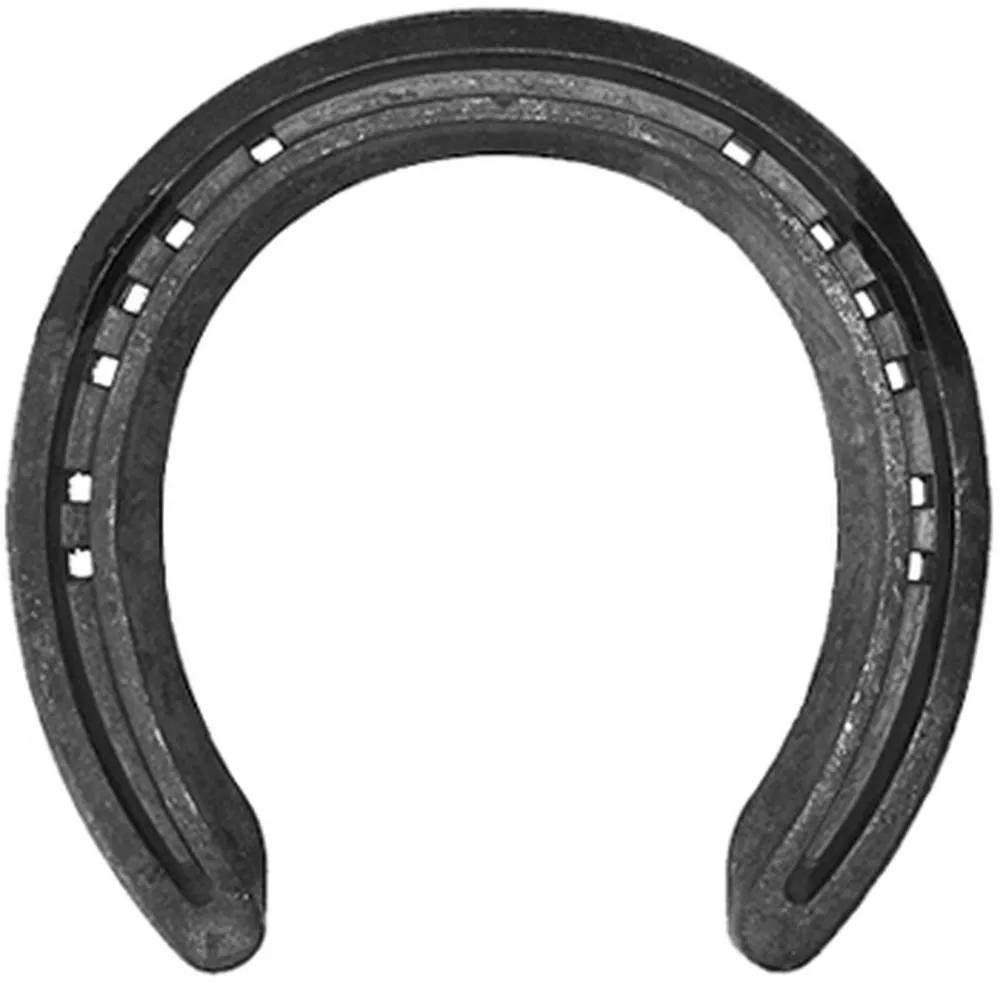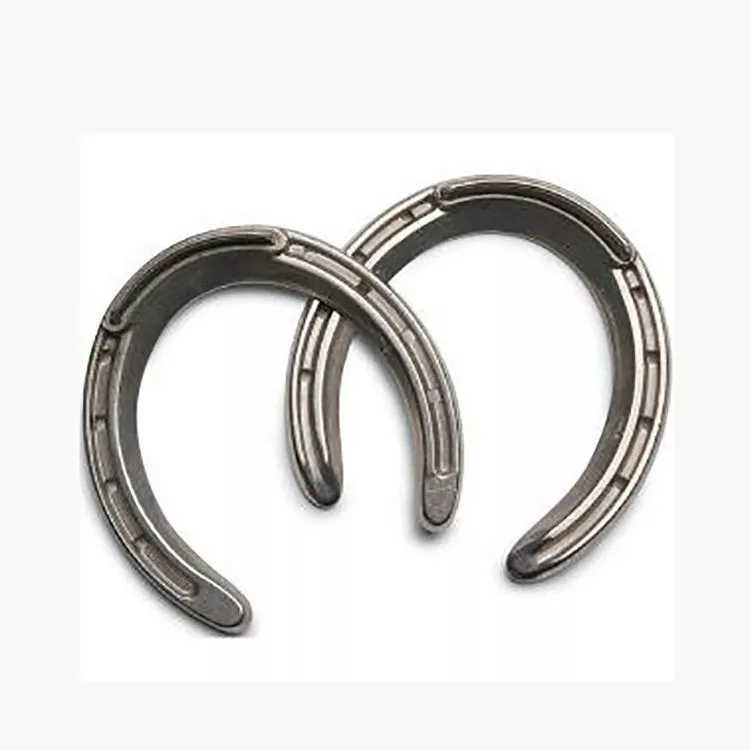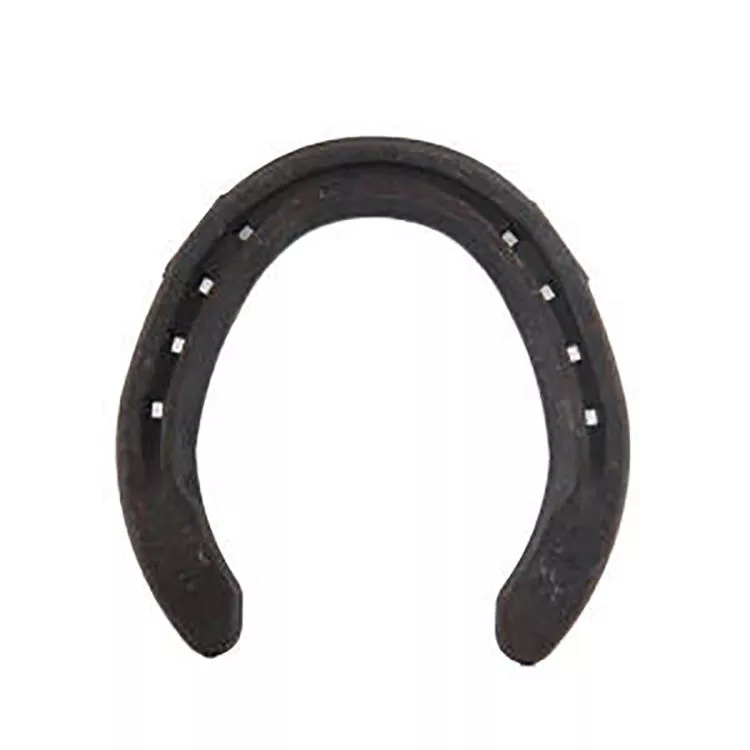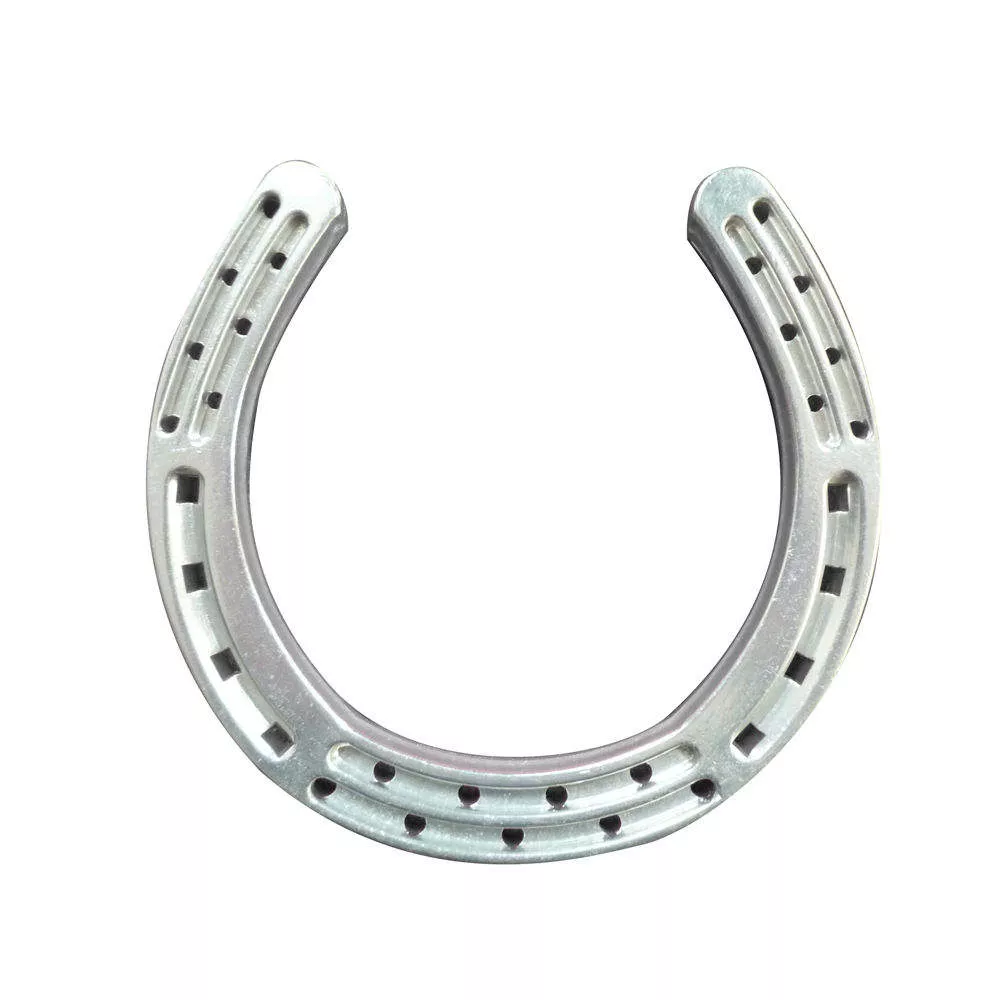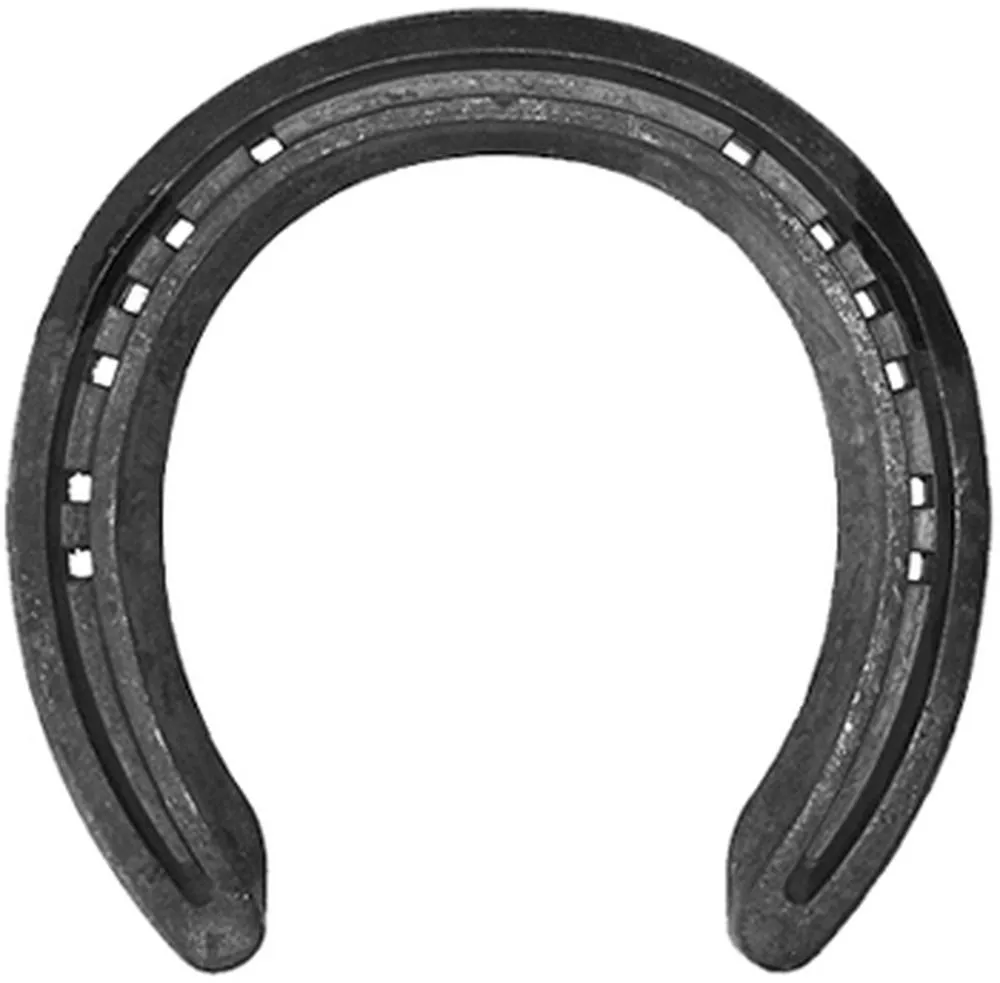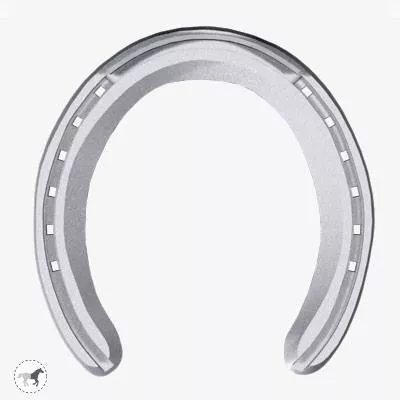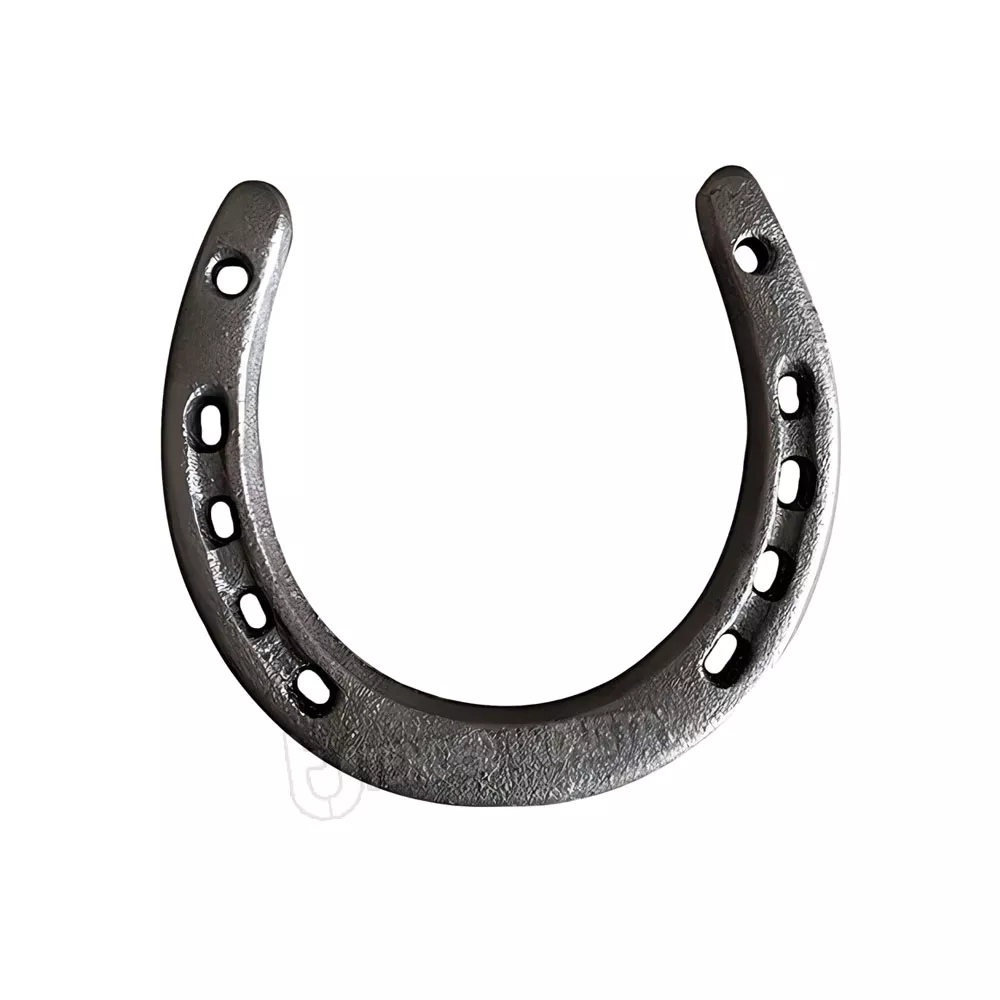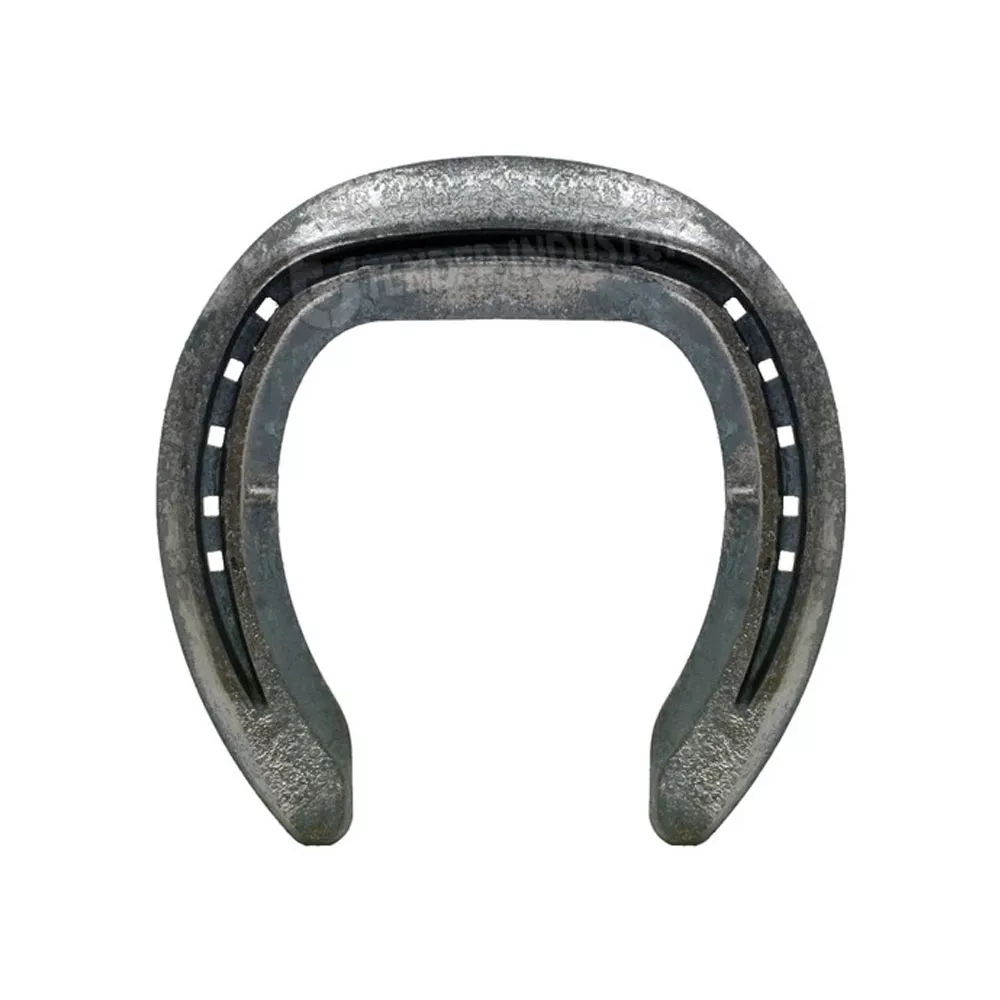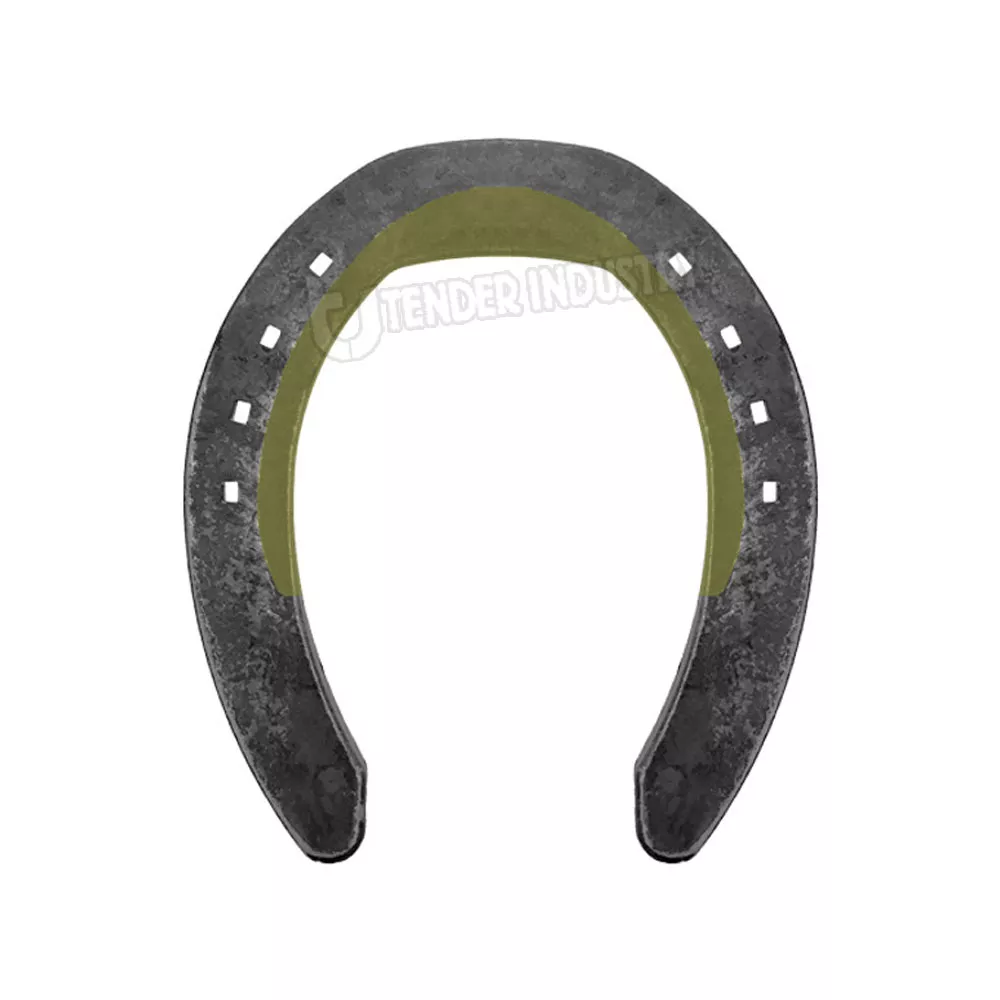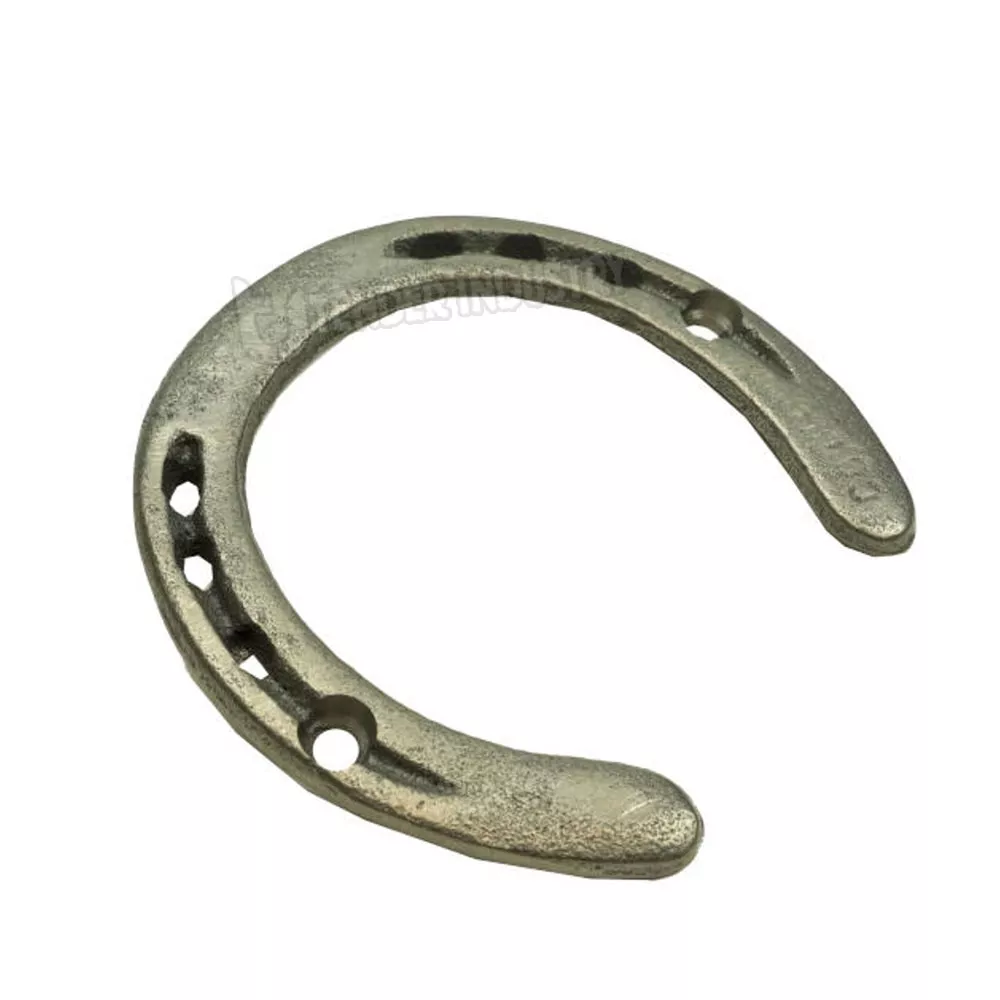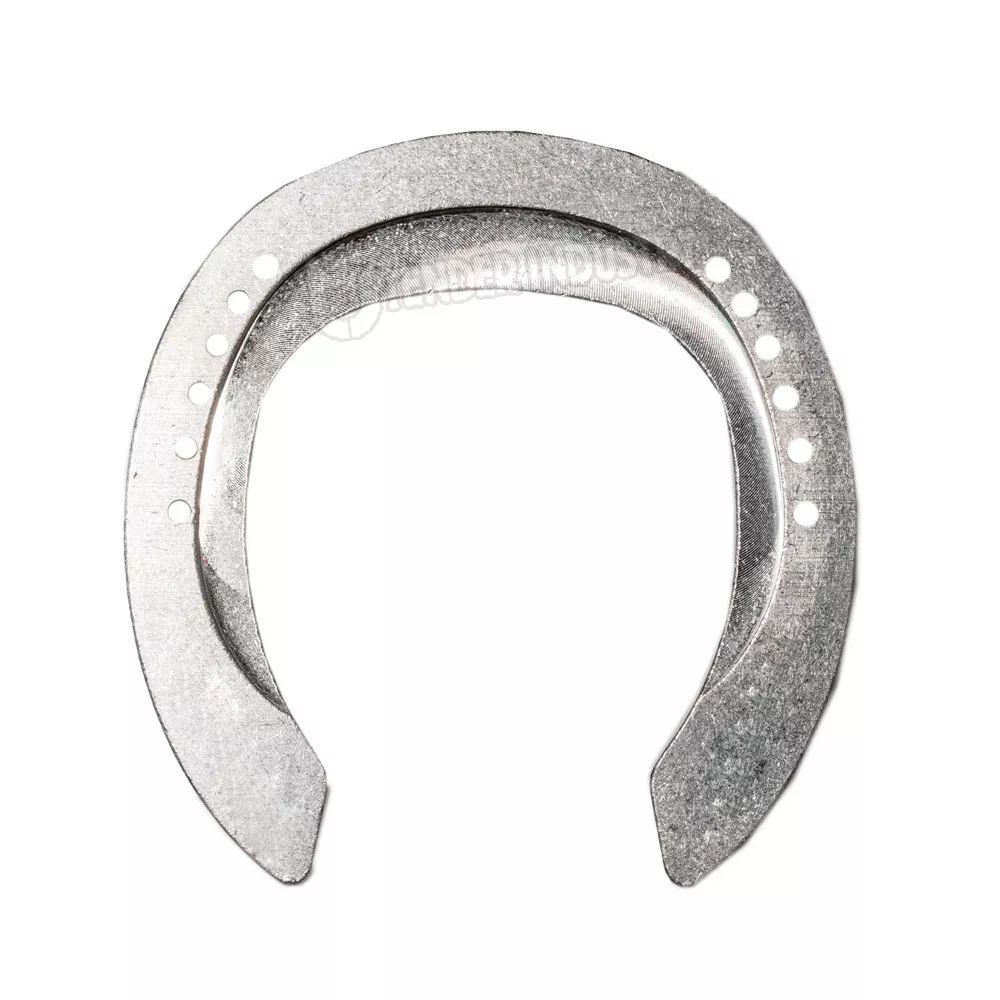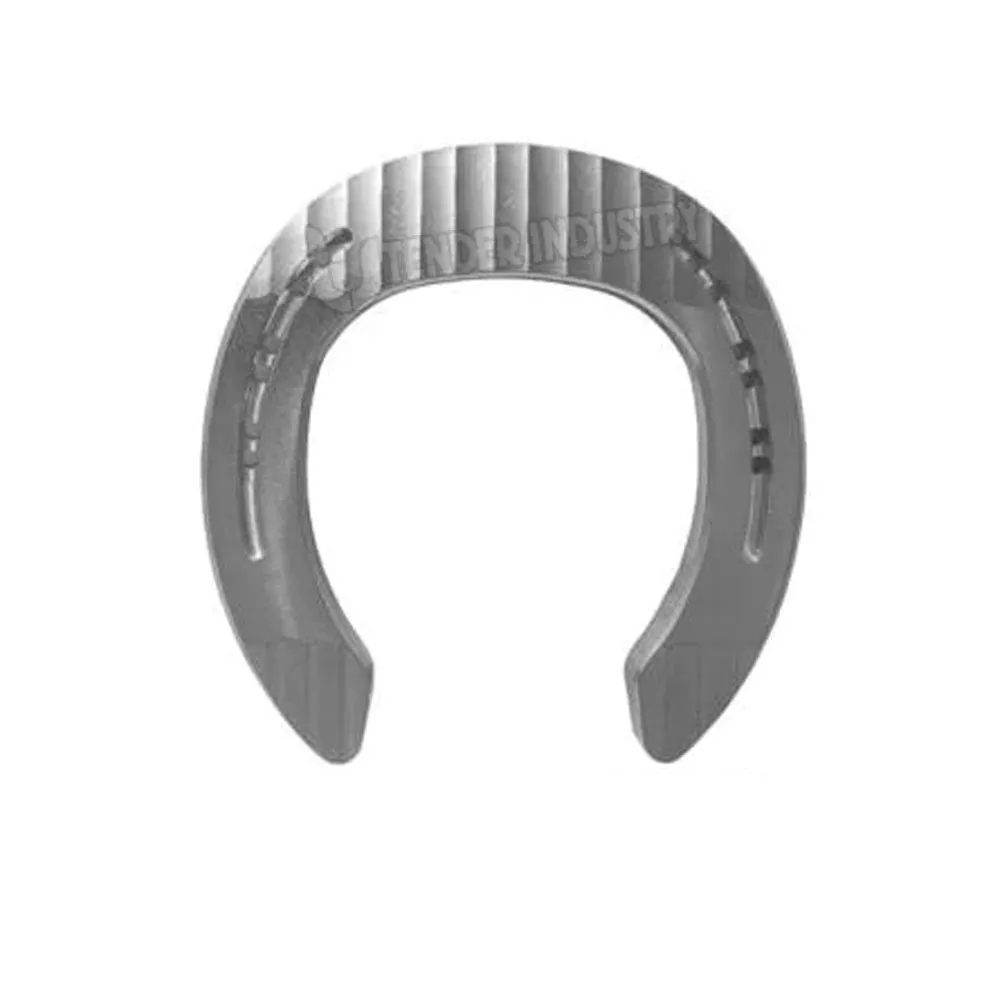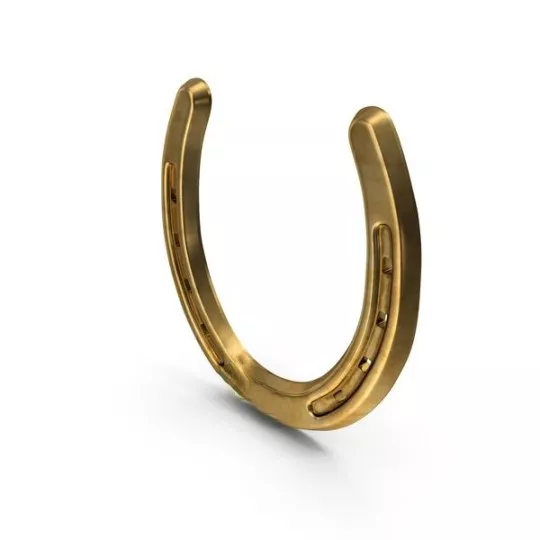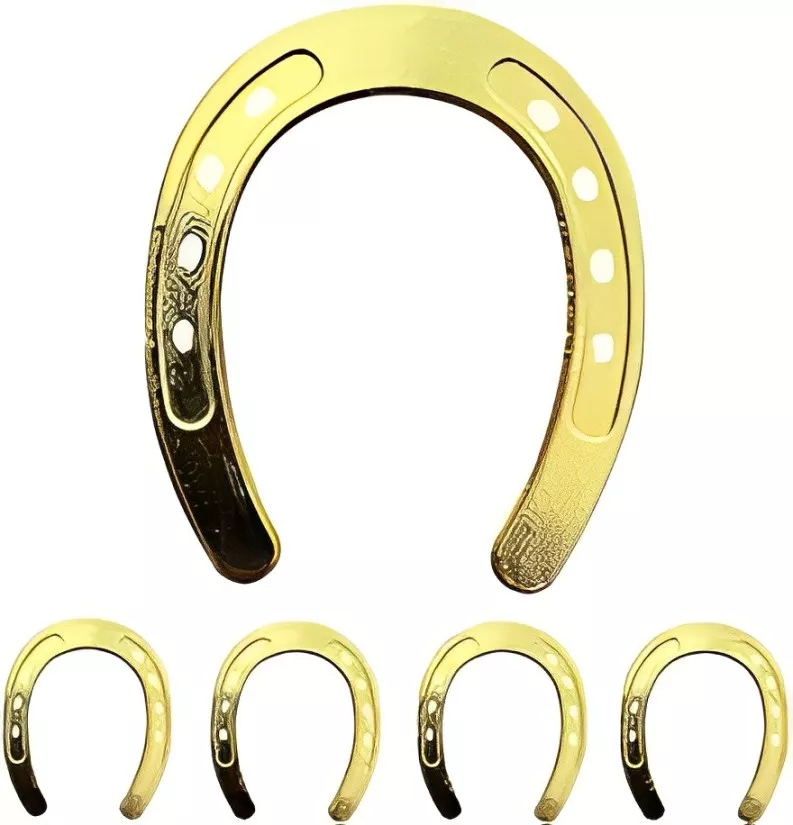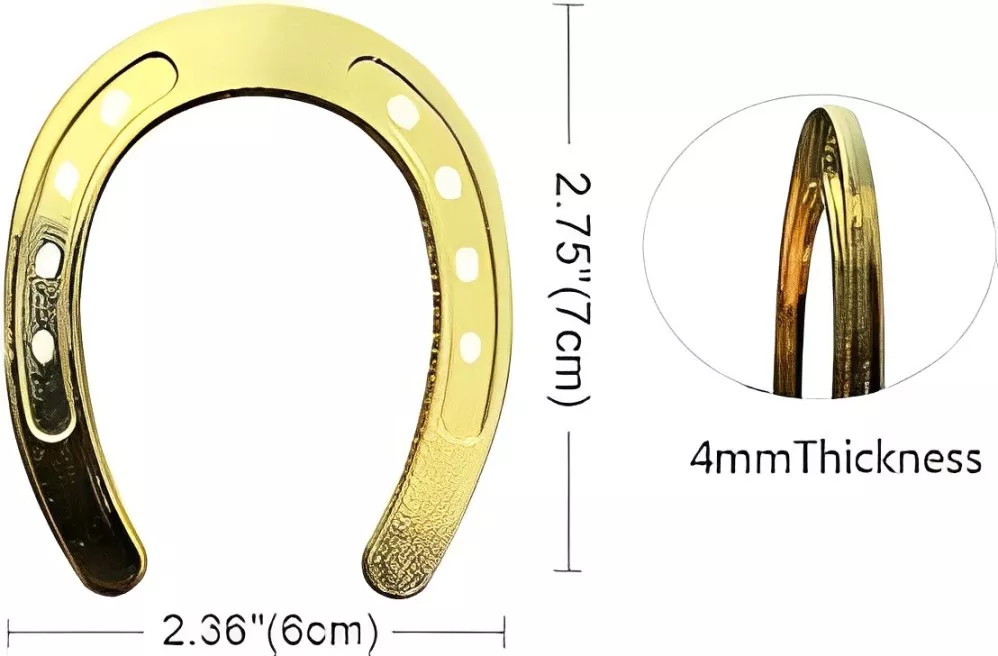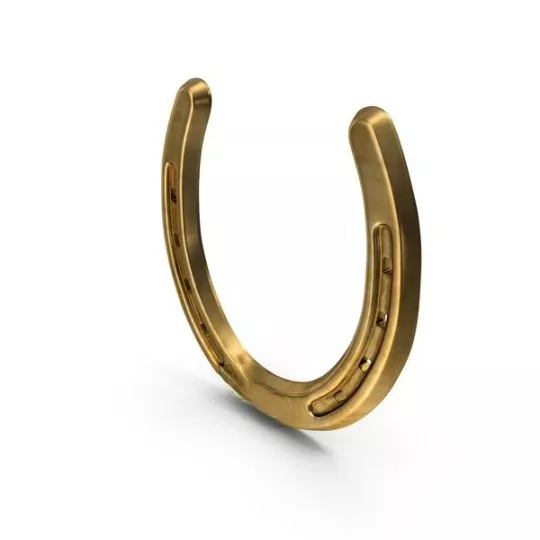

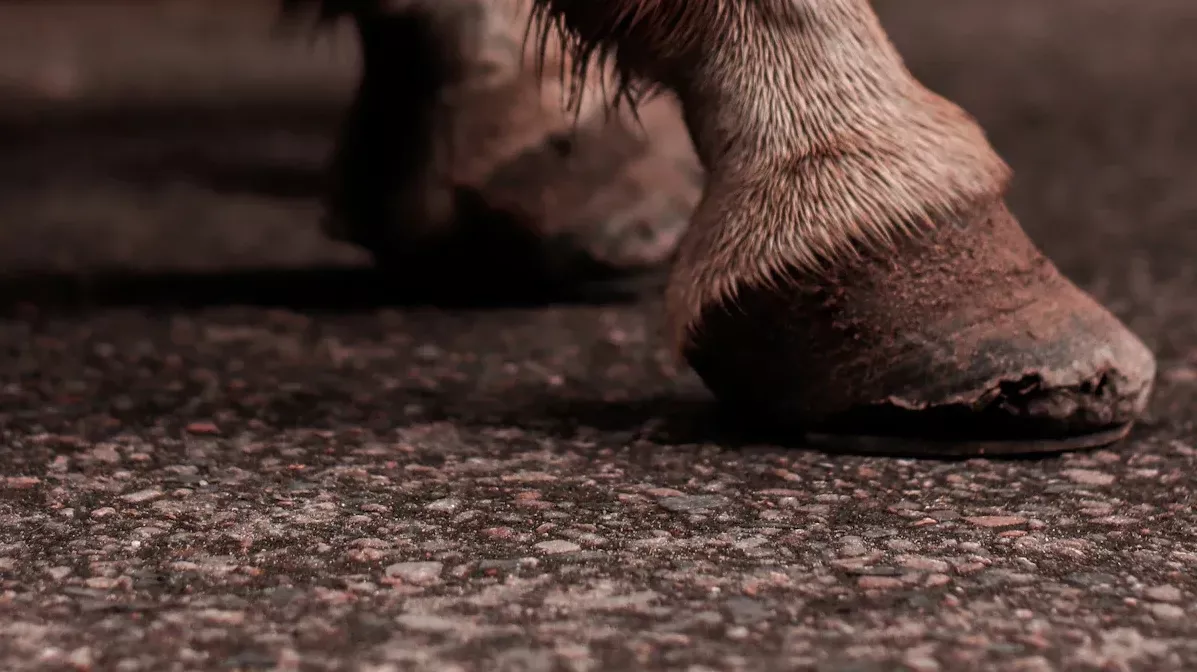
You might ask if hind horseshoes can go on front feet. Sometimes, this can work and even help the horse. For example, horses with health issues or special needs might need this. But it’s not a simple process. Hind horseshoes are made differently and must be reshaped to fit front hooves. Always think about the horse’s body and health before deciding. Talking to an expert farrier will give the best results for the horse.
Key Takeaways
- Back horseshoes can sometimes work on front hooves for health reasons.
- Always ask a farrier or vet before using back shoes on front hooves.
- Back shoes must be reshaped to fit front hooves correctly. Bad fitting can hurt the horse or cause injuries.
- Back shoes might help in some activities but must suit the horse's needs.
- Watch how the horse moves after shoeing to spot problems early and check the fit.
Differences Between Front and Hind Hooves
Anatomical Differences Between Front and Hind Hooves
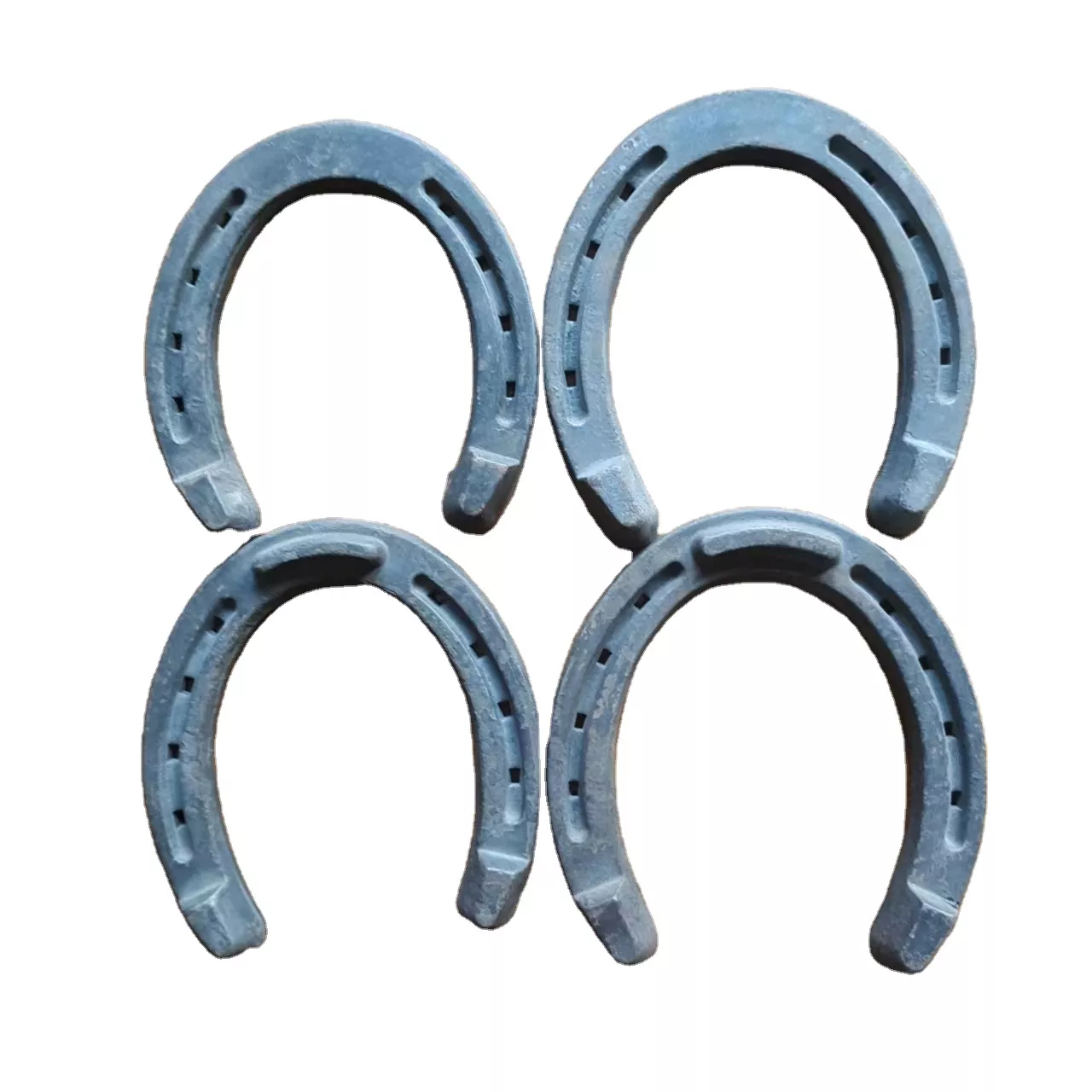
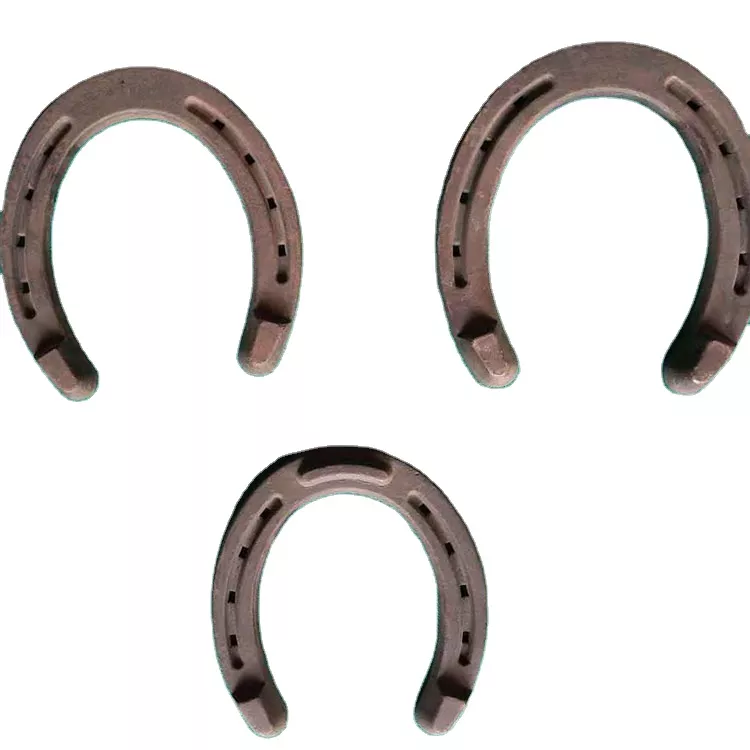
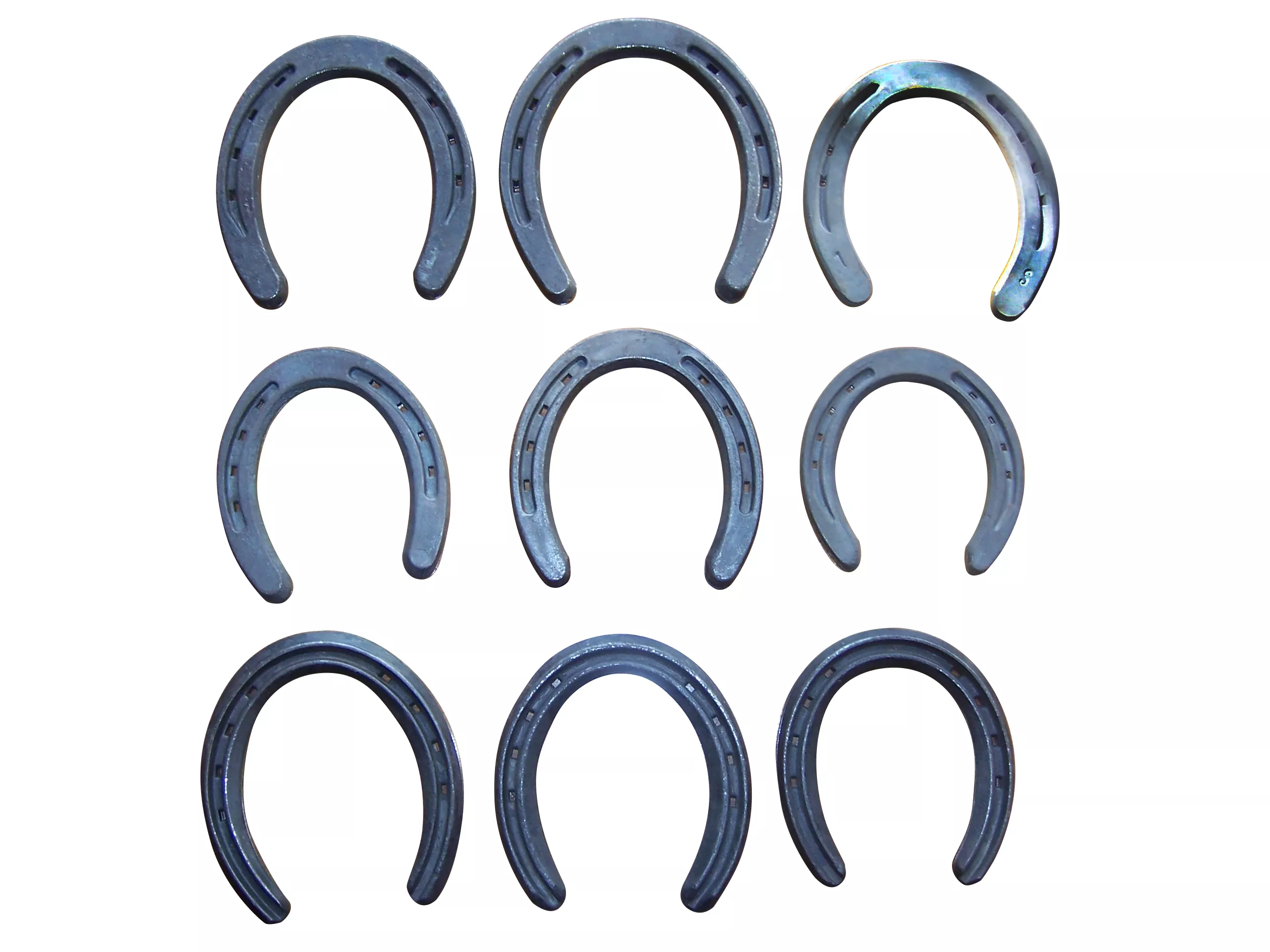
A horse's hooves are shaped for their specific jobs. Front hooves are bigger and rounder with slanted walls. This helps them carry about 60% of the horse's weight. Hind hooves are thinner, have straighter walls, and a pointed tip. These features help the horse push forward and gain speed. The wide front hooves provide balance, while the narrow hind hooves make movement more efficient.
Functional Roles of Front and Hind Hooves
Each hoof type has a special job for the horse.
- Front hooves absorb shocks. They hold most of the horse's weight and keep it steady.
- Hind hooves give power. They push the horse forward and help it move fast.
Studies show keeping hooves balanced is very important. For example:
- Fixing hind hoof balance improves posture and muscle health.
- Problems in hind hooves can cause bigger issues, like bad movement or discomfort.
Knowing these roles helps you choose the right shoeing methods, especially when using Hind horseShoes for certain needs.
Impact of Hoof Differences on Shoeing Practices

The way front and hind hooves differ affects how shoes are put on. Shoeing must match the shape and job of each hoof. Research shows shoeing changes hoof health and how the horse moves:
| Study Type | What It Explains |
|---|---|
| Live horse studies | Show how shoeing affects healthy and injured horses in real situations. |
| Lab studies | Use horse legs to study how shoeing changes movement. |
| Shoe weight effects | Explain how heavier shoes change how legs move. |
| Hoof health impact | Look at how shoeing changes hoof growth and movement. |
Good shoeing keeps the horse comfortable and performing well. It also prevents problems caused by bad hoof care.
When to Use Hind horseShoes on Front Feet
Therapeutic Reasons for Using Hind Shoes on Front Feet
Hind horseShoes can help with some hoof health problems. Horses with issues like laminitis or navicular disease may need this. Using hind shoes on front feet can ease pain and give support.
Hind shoes are thinner and more pointed than front ones. This shape helps spread out pressure on the hoof. It can make walking less painful for the horse. For example, a horse with a collapsed heel might feel better with a hind shoe. The shoe can lift and support the weak area.
Always talk to a vet or farrier before deciding. They can check the horse and see if hind shoes will help. Correctly using these shoes keeps the horse healthy and comfortable.
Performance-Related Benefits of Hind Shoes on Front Feet
Hind horseShoes can improve performance in some activities. Horses in barrel racing, jumping, or cutting may need special shoes. Hind shoes on front feet can give better grip and speed.
The pointed toe of a hind shoe helps in quick turns or stops. This is useful in competitions where speed matters. Also, lighter hind shoes can reduce stress on front legs. This makes movement smoother and faster.
Think about the horse's needs and activity demands first. A farrier can decide if this method helps performance without harming the horse.
Situations Where Hind Shoes Are a Practical Solution
Sometimes, hind horseShoes are a quick fix for front hooves. If a horse loses a front shoe, a hind shoe can work temporarily. This protects the hoof until a proper front shoe is ready.
Hind shoes can also help horses with uneven hoof shapes. They can be reshaped to fit the front hooves. This saves time and still helps the horse.
Always focus on the horse's health when using this option. Temporary fixes should not replace good long-term care. A farrier can make sure the horse gets the best treatment.
Adapting Hind horseShoes for Front Feet
Checking the Horse's Hoof Shape and Needs
Before using hind shoes on front hooves, check the hoof shape. This step ensures the horse stays safe and benefits from the shoeing. You need to look at the horse both moving and standing still.
- Watching the horse move shows how it walks or trots. This helps spot any uneven steps or problems in movement.
- Looking at the hoof while the horse stands still shows its shape. You can see if the hoof is uneven or worn down in certain areas.
Think about the horse’s age, breed, job, and health. A racehorse will need different care than an older horse. Paying attention to these details helps you make the best choice for the horse.
Changing Hind Shoes to Fit Front Hooves
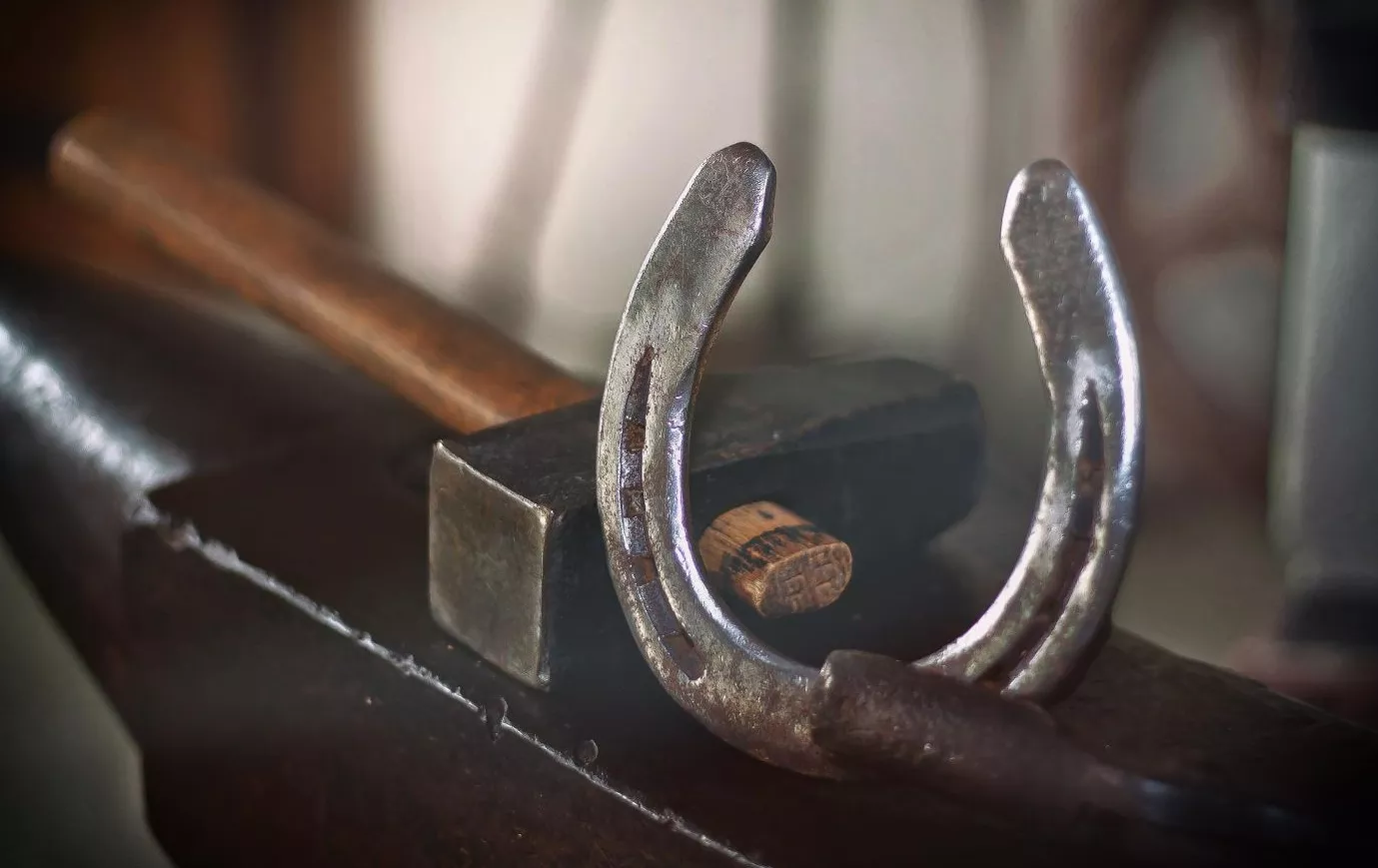
Changing hind shoes to fit front hooves takes skill. The shoe must match the shape of the front hoof. Experts like Grant Moon show how to do this. They remove clips, widen the toe, and reshape the shoe’s edges. These changes make the shoe fit better and support the hoof.
You should also watch how the horse moves after putting on the shoe. For example, placing the wider part of the shoe where the hoof wears down most can help balance it. Every change affects how the horse moves, so be careful and precise.
Making Sure the Shoe Fits and Feels Good
The shoe must fit well for the horse to feel comfortable. After reshaping the shoe, check how it fits the front hoof. It should line up with the hoof and give even support.
Watch how the horse reacts during and after shoeing. If the horse shifts its weight or doesn’t want to move, the shoe might not fit right. Fix any problems quickly to avoid hurting the horse.
Check the shoe regularly because hooves grow and change. Adjust the shoe as needed to keep the horse healthy and happy. A good fit keeps the horse comfortable and performing well with hind shoes on its front feet.
Risks and Considerations of Using Hind horseShoes on Front Feet
Possible Health and Performance Problems
Putting hind horseShoes on front feet can cause health problems. Hind shoes are shaped differently than front ones. If they don’t fit right, the horse might feel pain or get hurt. Uneven hoof wear can happen, which affects balance. Over time, this can strain joints, tendons, or ligaments. These issues may lead to long-term damage.
Performance can also suffer with poorly fitted shoes. Bad shoeing can change how the horse moves. This might slow the horse down or make it less efficient. For example, a jumping horse might land awkwardly, risking injury. Always watch the horse’s movement after shoeing to spot problems early.
Limits of Using Hind Shoes on Front Feet
Hind shoes don’t work for every situation. They are made for narrow, pointed hind hooves. Reshaping them for wider front hooves has limits. Some parts of the front hoof might stay uncovered. This can lead to cracks or other damage.
Hind shoes also don’t absorb shocks as well as front shoes. Horses that carry heavy loads or do high-impact activities may need better support. Think about these limits before choosing hind shoes for front feet.
Times to Avoid Hind Shoes on Front Feet
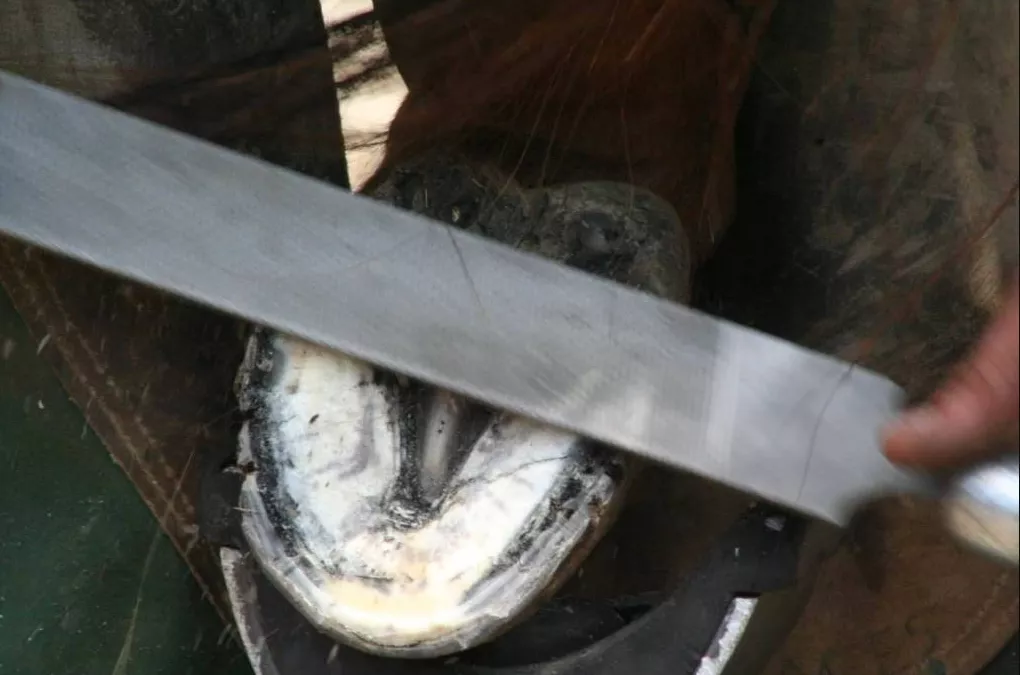
Don’t use hind horseShoes on front feet for horses with serious hoof problems. Horses with bad hoof shapes or ongoing health issues need special front shoes. Also, avoid this if you don’t have the right tools or skills to reshape the shoes.
If the horse seems uncomfortable, like limping or refusing to move, take off the shoes right away. Always focus on the horse’s health. Ask a farrier or vet for advice if you’re unsure.
Putting hind horseShoes on a horse's front feet can help sometimes. Front hooves hold most of the horse's weight, about 60%. Hind hooves are built for speed and grip. Because of this, reshaping and fitting the shoes is very important. Hind shoes can ease pain for injured horses or those with hoof problems. But using them wrong can hurt the horse. Always ask a skilled farrier or vet for advice. Keeping the horse healthy and moving well should always come first.
FAQ
What are the main differences between front and hind horseshoes?
Front horseshoes are wider and rounder to hold more weight. They also absorb shocks better. Hind horseshoes are thinner and more pointed. This shape helps the horse push forward faster. These designs match the different jobs of front and hind hooves.
Can you use hind horseshoes on front hooves without reshaping them?
No, you can’t. Hind horseshoes must be reshaped to fit front hooves. Front hooves are wider and rounder, so the shoe needs adjustments. Without reshaping, the horse might feel pain or get hurt.
Are there any risks involved in using hind horseshoes on front feet?
Yes, there are risks. Hind shoes that don’t fit well can cause problems. These include uneven hoof wear, joint pain, or tendon injuries. Always ask a farrier or vet to make sure the horse stays safe and comfortable.
How do you know if a horse needs hind horseshoes on its front feet?
You need to check the horse’s movement, hoof shape, and health. A vet or farrier can decide if hind shoes are needed. Watching how the horse walks and stands gives helpful clues.
Can hind horseshoes improve a horse’s performance?
Yes, sometimes. Hind horseshoes can give better grip and speed. This is useful for activities like jumping or barrel racing. But always make sure the horse’s needs are met and get advice from a professional.
🐴 Tip: Always think about the horse’s health and comfort first. Talk to experts to make the best choice.