
Laminitis and founder can confuse horse owners, but they differ. Laminitis, which refers to swelling in the soft tissues inside the hoof, can be categorized into different types of laminitis. Founder occurs when this swelling causes the coffin bone to rotate or sink. Both conditions lead to serious pain and lasting harm.
Understanding the different types of laminitis is crucial for keeping your horse safe. Research indicates that laminitis affects 1.5% to 34% of horses worldwide, with some horses being at higher risk than others. Spotting it early and preventing it can help avoid lifelong pain for your horse.
Key Takeaways
- Laminitis is when the soft parts of the hoof swell. Founder happens if this swelling makes the coffin bone sink or tilt.
- Early signs of laminitis are limping, warm hooves, and weight shifting. Acting quickly can stop serious harm.
- Types of laminitis include inflammatory, metabolic, overload, and uneven weight-bearing. Each type has different causes and symptoms.
- Taking care of hooves and feeding healthy food is important. Avoid sugary foods and trim hooves properly to reduce laminitis risk.
- If you think a horse has laminitis, call your vet right away. Quick care can reduce pain and stop lasting problems.
Understanding Laminitis and Founder
What Is Laminitis?
Laminitis is a painful problem that affects horse hooves. It happens when the lamellae, soft tissues inside the hoof, get swollen or hurt. This damage weakens the bond between the hoof wall and the bone. As a result, the hoof becomes unstable.
You can spot laminitis early by noticing these signs:
- Breakdown of the lamellar connection.
- A bigger gap between the coffin bone and hoof wall.
- A lamellar wedge forming inside the hoof.
- Blood flow changes seen in special imaging tests.
- Severe pain and trouble walking.
Studies show laminitis can be caused by high insulin, infections, or poor blood flow. These causes make it a tricky condition to manage. Catching it early is very important.
Tip: If your horse seems uncomfortable or limping, call your vet fast. Acting early can stop worse damage.
What Is Founder?
Founder is a worse stage of laminitis. It happens when the lamellae are so damaged that the coffin bone tilts or sinks. This change can cause lasting harm and pain for your horse.
Founder usually appears in the chronic stage of laminitis. At this point, the hoof structure is badly affected. Horses with founder may have oddly shaped hooves, trouble moving, and ongoing lameness.
Knowing how laminitis turns into founder is important. Laminitis is the early swelling and damage, while founder is the long-term result.
Key Differences Between Laminitis and Founder
People often mix up laminitis and founder, but they are different. Knowing the difference helps you care for your horse better.
- Definition: Laminitis means swelling and damage in the lamellae. Founder is when the coffin bone tilts or sinks.
- Clinical Signs: Laminitis shows early signs like limping and strong pulses. Founder has worse signs, like hoof changes and severe pain.
- Progression: Laminitis has stages: early, acute, subacute, and chronic. Founder happens in the chronic stage when damage is permanent.
Note: The difference between laminitis and founder isn’t just words. It shows how serious the problem is and helps decide treatment.
By learning about laminitis and founder, you can protect your horse. Early care and attention can stop serious problems later.
Different Types of Laminitis

Laminitis can show up in different ways, each with its own causes and signs. Knowing these types helps you find the problem and act quickly. Here are three common types to understand.
Inflammatory Laminitis
Inflammatory laminitis happens when swelling harms the lamellae in your horse's hoof. It often comes from infections like a stuck placenta or bad colic. These problems cause body-wide swelling that cuts off blood flow to the hoof. This leads to pain and damage.
Your horse might shift weight a lot or avoid moving. These actions show the horse is in pain from the swelling. Acting fast is very important. If ignored, inflammatory laminitis can get worse and cause lasting harm.
Tip: Watch your horse closely after it gets sick or has an infection. Quick vet care can stop problems like inflammatory laminitis.
Metabolic Laminitis
Metabolic laminitis is tied to hormone problems, especially with insulin. Horses with Equine Metabolic Syndrome (EMS) or Cushing's Disease are more likely to get it. High insulin levels weaken the lamellae, making the hoof easier to hurt.
This type usually starts slowly. You might see small signs like slight limping or hoof changes before it gets bad. Horses with metabolic laminitis may also have a thick neck or fat in odd spots.
Feeding your horse the right food helps prevent this type. Avoid giving foods high in sugar or starch, as they can make insulin problems worse.
Overload Laminitis
Overload laminitis happens when one hoof takes too much weight for too long. This can happen if a horse hurts one leg and leans on the other for relief. The extra weight damages the lamellae, causing laminitis.
You might notice heat or swelling in the hoof. The horse may also seem uncomfortable standing or walking. Overload laminitis needs quick care to stop more harm.
Note: If your horse is hurt, watch how it shifts its weight. Supporting the injured leg can lower the chance of overload laminitis.
By learning about these types of laminitis, you can help keep your horse healthy. Spotting problems early and managing them well can stop serious issues later.
Abnormal Weight-Bearing Laminitis
Abnormal weight-bearing laminitis happens when a horse shifts weight unevenly. This often occurs because of pain or an injured leg. The healthy leg takes too much pressure, which harms the lamellae and causes laminitis.
Your horse may stand oddly or favor one leg. Look for heat, swelling, or a strong pulse in the hoof. Horses healing from injuries like fractures or tendon problems are more at risk. Watching their posture and movement during recovery is very important.
Studies show how clinical signs and risks link to this laminitis type. For example:
- Hormonal changes and hoof shape can increase laminitis risk.
- Experts suggest better grading systems to catch mild laminitis early.
| Study | Findings |
|---|---|
| Menzies-Gow et al (2017) | Found low plasma adiponectin and high insulin levels raise laminitis risk. |
To prevent this laminitis, support the injured leg properly. Padded hoof boots or special shoes can help spread weight evenly. Regular vet and farrier visits keep hooves healthy during recovery.
Tip: Watch for discomfort in the supporting leg if your horse is healing. Acting early can stop worse problems.
Road Founder and Mechanical Founder
Road founder and mechanical founder come from outside causes. Road founder happens when hooves face too much stress on hard surfaces like gravel or asphalt. Horses working on roads or rough ground for long times often get this condition.
Mechanical founder is caused by damage to the hoof structure. Bad trimming, poor shoeing, or injuries weaken the lamellae, leading to laminitis. Horses with hoof problems are more likely to get this type.
Road founder signs include heat and soreness in hooves after hard surface work. Your horse may limp or avoid moving. Mechanical founder shows as lameness, odd hoof growth, or cracks in the hoof wall.
Preventing these types needs good hoof care. For road founder, limit time on hard surfaces and use protective boots. For mechanical founder, trim and shoe hooves regularly with a skilled farrier. Treat hoof injuries quickly to avoid lasting harm.
Note: Horses with weak or uneven hooves are more likely to get road or mechanical founder. Regular care and checks can help prevent these issues.
Knowing these laminitis types helps you protect your horse. Early care and attention can stop serious problems later.
Stages of Laminitis
Knowing the stages of laminitis helps you spot it early. Each stage has different signs and levels of severity. Let’s break them down.
Subclinical Stage
This stage happens before you see any clear symptoms. Your horse might look fine, but changes are happening inside. Problems with insulin often start here. Horses with Equine Metabolic Syndrome (EMS) or extra weight are more at risk.
Early signs of this stage include:
- Insulin problems found in blood tests.
- Small changes in how your horse moves or turns.
Finding these signs early can stop laminitis from getting worse. Checking insulin levels and managing EMS can help a lot.
Tip: If your horse is overweight or has EMS, ask your vet for a prevention plan.
Acute Stage
The acute stage is when laminitis becomes easy to notice. Your horse may have a lot of pain and trouble walking. Studies show this stage is linked to swelling, with certain proteins rising in the blood. These proteins help confirm the condition.
Signs of this stage include:
- Limping and stiff walking.
- Hot hooves and a strong pulse in the leg.
- Trouble standing or shifting weight often.
This stage lasts 1–3 days. Quick vet care is needed to ease pain and stop more harm.
| Stage | Time | Common Signs |
|---|---|---|
| Acute | 1–3 days | Limping, stiff walking, hot hooves, strong pulse, trouble standing. |
Note: If your horse shows these signs, call your vet right away. Acting fast can prevent lasting damage.
Chronic Stage
The chronic stage happens when laminitis doesn’t go away. This stage can cause permanent hoof damage. Horses in this stage often have ongoing pain and trouble moving.
Signs of the chronic stage include:
- The coffin bone tilting or sinking.
- Hooves becoming oddly shaped or the white line widening.
- Long-term limping and movement problems.
This stage can last many months or even years. Good hoof care, pain relief, and diet changes are needed to help your horse feel better.
| Stage | Time | Common Signs |
|---|---|---|
| Chronic | Months to years | Long-term limping, hoof changes, ongoing pain. |
By learning about these stages, you can act fast and give your horse the care it needs. Early treatment can stop serious problems later.
How Stages Connect to Founder
Knowing how laminitis develops helps you spot founder early. Founder is a serious result of laminitis, often seen in the chronic stage. Each stage leads to this outcome.
In the subclinical stage, changes happen inside the hoof. You might not see any signs yet. Problems like obesity or insulin resistance often start these changes. These issues weaken the hoof’s support system. Catching and treating it early can stop it from getting worse.
The acute stage shows clear signs of laminitis. Your horse may limp, have hot hooves, or struggle to stand. At this point, the hoof’s inner tissues begin to break down. Without treatment, the damage can lead to chronic laminitis.
During the acute stage, severe lameness and tissue breakdown occur. If untreated, this can turn into chronic laminitis or founder, causing lasting harm.
In the chronic stage, the damage is permanent. The coffin bone may tilt or sink, separating from the hoof wall. This is what defines founder. Horses in this stage often have pain and trouble moving.
Chronic laminitis can cause the coffin bone to rotate or sink. This leads to founder, a condition affecting many horses with severe laminitis. Studies show 75% of acute cases progress to chronic laminitis.
Understanding these stages helps you act early to protect your horse. Managing weight and insulin levels can prevent laminitis from becoming founder. Early care is crucial for keeping your horse healthy and active.
Prevention and Management Strategies
Spotting Early Signs and Monitoring
Finding laminitis early can stop serious pain and damage. Watch your horse’s actions and how it moves. Look for small signs like limping, shifting weight, or warm hooves. These clues often mean laminitis is starting.
Regular vet visits are very important. Vets can check insulin levels and find problems like Equine Metabolic Syndrome (EMS). Horses with EMS or extra weight have a higher chance of getting laminitis. Early checks can make a big difference.
Tip: Write down your horse’s daily habits and health. This helps you and your vet notice changes fast.
Healthy Diet and Weight Control
Feeding your horse the right food helps prevent laminitis. Avoid giving horses prone to laminitis sugary or starchy feeds. Instead, feed them low-sugar hay and limit grazing time. Keeping grass intake low, especially in spring and fall, lowers the risk.
Here are some feeding tips experts suggest:
- Limit grass for horses with insulin problems.
- Use grazing muzzles to control how much grass they eat.
- Check insulin levels often, especially after grazing.
| Evidence Description | Key Points |
|---|---|
| Avoid sugary feeds | Helps lower laminitis risk |
| Watch at-risk horses daily | Adjustments can prevent problems |
| Change diet as needed | Reduces chances of laminitis |
Dr. Nicholas Frank says managing insulin is very important. If food changes don’t help, ask your vet about other treatments.
Regular Hoof Care and Trimming
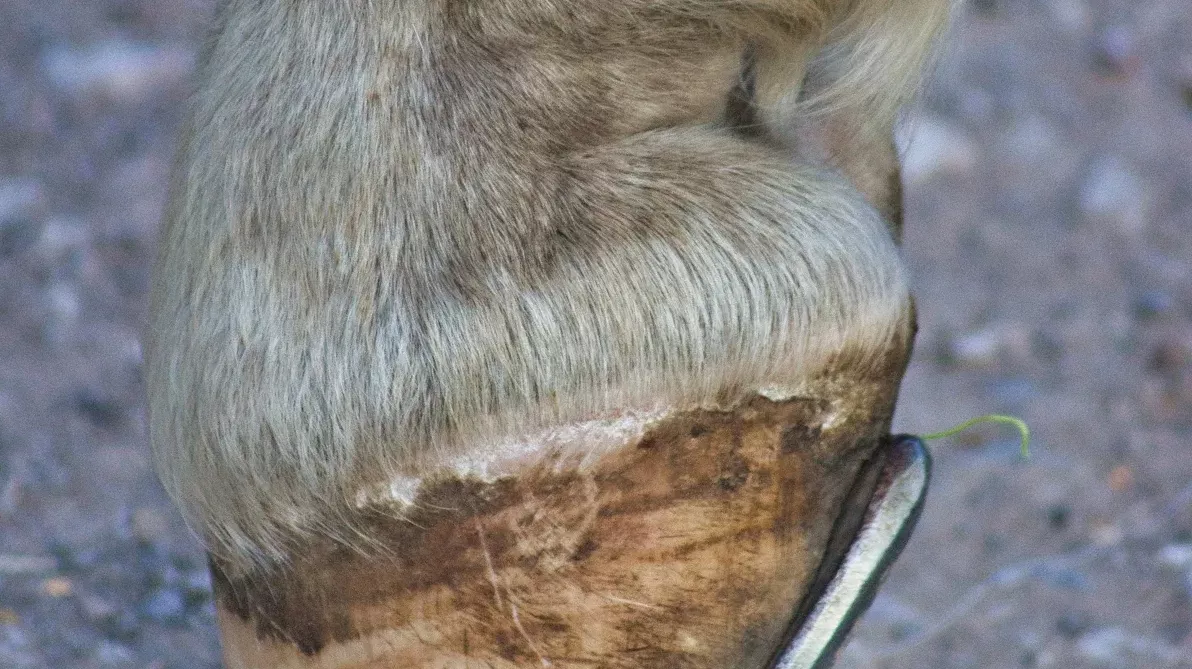
Taking care of hooves keeps your horse comfy and lowers laminitis risk. Have a farrier trim your horse’s hooves regularly. Overgrown or uneven hooves can put too much pressure on the lamellae, causing harm.
Research shows trimming improves hoof health. One study found hoof stability got better after trimming, with vertical force increasing from 1291 to 1508 N. Another study showed trimming reduced pain, helping prevent laminitis.
Note: Work with your farrier to make a hoof care plan for your horse. Regular trims keep hooves healthy and avoid problems.
Managing Underlying Health Conditions
Taking care of your horse’s health can stop laminitis. Horses with Equine Metabolic Syndrome (EMS) or Cushing’s Disease are more likely to get it. Fixing these problems early lowers the risk of hoof damage.
Feeding your horse the right food helps a lot. Studies show natural feeding routines help digestion. Slowly changing diets, especially during lactation, avoids sudden health issues. A balanced diet with fiber keeps digestion healthy and reduces laminitis risk.
Vet visits are very important. They help check insulin levels and overall health. Finding hormone or metabolism problems early can stop bigger issues. Horses with EMS or extra weight need special plans to manage their weight.
Tip: Feed your horse at the same time every day. Avoid sudden diet changes to keep hooves healthy.
By fixing health problems early, you can protect your horse. Taking action keeps your horse safe and comfortable.
Emergency Care for Acute Laminitis
Acute laminitis needs fast care to stop serious harm. Quick treatment eases pain and swelling, helping your horse recover better.
Vets use proven ways to treat acute laminitis. The table below shows some helpful emergency treatments:
| Treatment Method | Description | Effectiveness |
|---|---|---|
| Cryotherapy | Cooling the hoof below 10°C for 1–3 days to reduce swelling. | Helps prevent laminitis from getting worse. |
| Anti-inflammatory drugs | Medicines like NSAIDs and DMSO to ease pain and swelling. | Good first choice for acute cases. |
| Pentafusion | Giving several pain medicines at once for severe cases. | May help manage bad laminitis. |
Cooling the hoof early works well. It lowers swelling and protects the hoof tissues. Pain medicines like NSAIDs help right away by reducing pain and swelling. For very bad cases, pentafusion gives strong pain relief using multiple medicines.
Note: Always ask your vet before starting any treatment. Following expert advice is best for your horse.
Fast care can make a big difference for acute laminitis. Acting quickly and using the right treatments helps your horse recover and avoid lasting problems.
Knowing about laminitis and founder is key to horse care. Laminitis starts with swelling in the laminae, causing pain and limping. If untreated, it can turn into founder, where the coffin bone tilts or sinks. Learning the stages—early, acute, and chronic—helps you act fast and avoid serious harm.
Tip: Overweight horses or those with health issues are at higher risk. Watching them closely and giving proper care lowers this risk.
Talk to your vet for specific advice. Acting early keeps your horse safe and comfortable.
FAQ
What are the early signs of laminitis?
Watch for limping, warm hooves, or a strong leg pulse. Your horse might shift weight often or stop moving much. These signs usually show up before the pain gets worse.
Tip: Check your horse’s hooves and how it moves often. This helps you spot laminitis early.
Can laminitis be cured completely?
Laminitis isn’t always curable, but early care can stop it from getting worse. Chronic cases need ongoing help to manage pain and hoof health.
Note: Work with your vet and farrier to make a long-term care plan for your horse.
How does diet affect laminitis risk?
Sugary or starchy foods raise the chance of laminitis, especially in horses with insulin issues. Feeding low-sugar hay and limiting grazing can help prevent it.
- Avoid: Foods with lots of sugar and lush grass.
- Do: Use grazing muzzles and feed low-sugar hay.
Is laminitis more common in certain horses?
Yes, horses with Equine Metabolic Syndrome (EMS), Cushing’s Disease, or extra weight are at higher risk. Ponies and older horses are also more likely to get laminitis.
Tip: Keep a close eye on at-risk horses and have regular vet visits to avoid problems.
What should you do during a laminitis emergency?
Call your vet right away. Keep your horse in a soft, comfy spot and limit its movement. Cooling the hooves with ice can help reduce swelling.
Alert: Don’t wait during an emergency. Acting fast can save your horse from serious harm.