
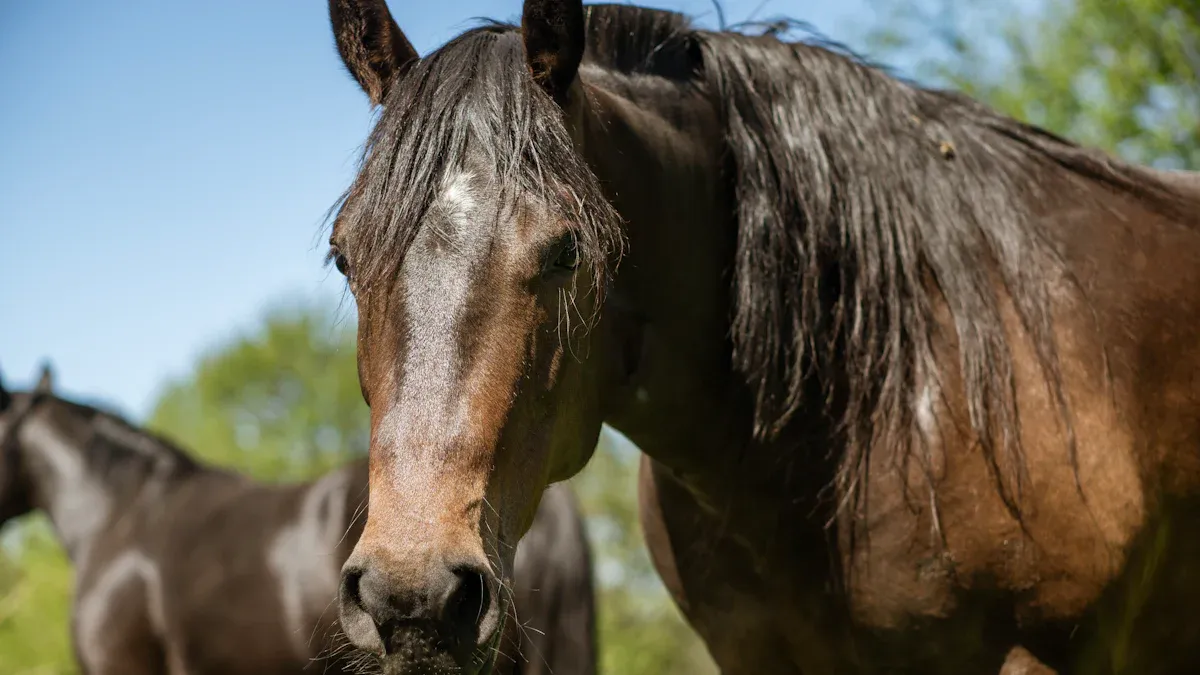
You might ask when a horse is called "senior." Most horses older than 17 are in this group. In some places, about 15–20% of horses are seniors:
- Torino: 20% are over 17 years old
- Bologna: 15% are over 17 years old
- Padova: 16% are over 17 years old
Horses usually live 25 to 30 years. This is longer than many pets:
| Animal Type | Average Lifespan (Years) |
|---|---|
| Horses | 25 to 30 |
| Ponies | 30 to 40 |
| Dogs | 10 to 15 |
| Cats | 12 to 15 |
Horse Aging Explained: Common Myths and Facts About Senior Horses tells you that aging signs like stiffness or graying show up slowly. You should watch for changes early. Regular veterinary care and good management help your horse stay active and happy as they get older.
Key Takeaways
- Most horses are considered seniors around 20 years old. Watch for signs of aging like stiffness and changes in behavior to provide better care.
- Senior horses can remain strong and active with proper nutrition and exercise. Regular vet check-ups and special diets help maintain their health.
- Not all senior horses need to stop being ridden. Many enjoy light work, which keeps them fit and happy, as long as they receive appropriate care.
Senior Horse Basics
Age Range
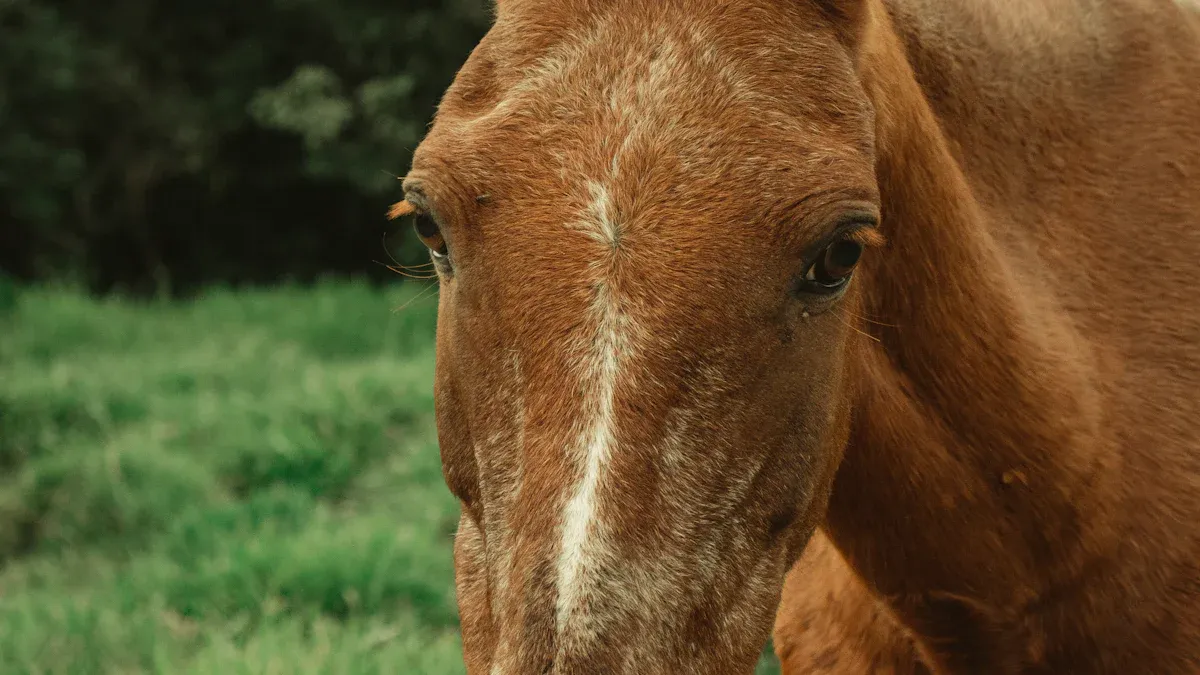
You might ask when a horse is called a senior. Most experts say horses are seniors at about 20 years old. But not all horses age the same way. Some horses get old faster, and some stay young longer. The National Research Council says to look at age and body changes. Here are some important things to know:
- Most horses are seniors at around 20 years old.
- Some horses show aging signs before or after this age.
- Changes in body and behavior are as important as age.
Signs of Aging
You can see aging in horses by watching their bodies and actions. Old horses often have a curved back and you can see their bones more. They may move stiffly and lose muscle. Their bellies can look rounder. Tendons and ligaments can get weak, so pasterns may slope. Horses may act different too. They might eat in a new way, care less about things, or sleep more. Watch for these signs:
- Curved back and bones you can see
- Stiff moves and less muscle
- Eating changes
- Less interest in things or other horses
- More sleep and less energy
Individual Differences
Each horse gets old in its own way. Some horses stay healthy and active into their twenties. Others slow down sooner. You should watch your horse and change care if needed. The blog Horse Aging Explained: Common Myths and Facts About Senior Horses says aging is different for every horse. Noticing small changes helps you keep your horse healthy as it gets older.
Horse Aging Explained: Common Myths and Facts
Myth: All Seniors Are Frail
Some people think all old horses get weak and thin. This is not always true. Some senior horses lose weight, but this can mean they need a vet. Getting older does not always make a horse weak. Horses can stay strong if you care for them well.
- Not every senior horse gets skinny. If your horse loses weight, check for health issues.
- Getting older does not always hurt how a horse digests food. Studies show older horses can still get nutrients from food.
- Senior horses still need protein, vitamins, and minerals. They might need fewer calories, but they need good food.
You can help your horse by watching for changes and giving the right care.
Myth: Seniors Can't Be Ridden
Some people think you should stop riding old horses. This is not always true. Many senior horses like light work and can stay active with good care. Exercise helps older horses keep their muscles and strength. Experts say older horses can do easy work, like walking, trotting, and slow cantering, if you care for them. Exercise keeps them fit and happy.
- Age does not make riding unsafe for you or your horse.
Here is a table that shows what research says about riding and retiring senior horses:
| Aspect | Details |
|---|---|
| Primary Uses | Pleasure riding/driving (38.5%), full retirement (39.8%) |
| Retirement Age | Most horses retired between 15 and 24 years of age |
| Main Reason for Retirement | Health problems were the primary reason for retirement |
| Risk Factors for Retirement | Age, female sex, Thoroughbred breed, various medical conditions |
| Low Muscle Mass Prevalence | 17.2% of horses reported low muscle mass |
| Impact of Low Muscle Mass | Impaired ability to work and welfare-related aspects perceived by owners |
| Health Benefits of Exercise | Structured exercise may provide health benefits, similar to elderly human populations |
| Common Health Issues | Increasing age, sex (gelding), pituitary pars intermedia dysfunction, osteoarthritis, laminitis |
| Importance of Management | Characterizing health problems may aid in extending the active life of senior horses |
You can see many senior horses still like riding and get benefits from it. Horse Aging Explained: Common Myths and Facts About Senior Horses shows exercise is good for their bodies and minds.
Myth: No Special Care Needed
Some people say old horses do not need special care. This is not true. Senior horses need more attention to their health and daily needs. As horses get older, their teeth, metabolism, and joints change. You must change their food and care to keep them healthy.
- Senior horses need regular vet check-ups.
- They need special food because their bodies change as they age.
- Dental care is important since older horses often have tooth problems.
- You must manage health issues, like joint pain or metabolic problems.
If you give your senior horse the right care, you help them live longer and feel better.
Fact: Aging Varies
Not every horse gets old the same way. Some horses stay strong and active into their late twenties. Others slow down sooner. Genes, where they live, and health all matter. You should watch your horse and change care if needed.
- Horses age differently because of their genes, home, and health.
- Horses and people show some of the same aging signs, so you can learn from both.
- As horses get older, their bodies change. They may heal slower, have a slower metabolism, and weaker immune systems.
Horse Aging Explained: Common Myths and Facts About Senior Horses reminds you to look for small changes and act fast.
Fact: Advances in Care
In the last ten years, new feeds and supplements have helped senior horses stay healthy. Special senior feeds give older horses the nutrients they need. Supplements for joints and other health issues are now common. Regular vet visits help catch problems early, like dental issues or diseases such as Cushing’s.
- Senior feeds help older horses get the right nutrition.
- Supplements, like those for joint health, support aging bodies.
- Regular vet care helps manage health changes, including dental and metabolic problems.
With these new things, you can help your horse live longer and feel better. Horse Aging Explained: Common Myths and Facts About Senior Horses shows how modern care helps senior horses a lot.
Senior Horse Care
Nutrition
Senior horses need special nutrition to stay healthy. As horses get older, their digestion slows down. You might see your horse lose weight or struggle with hay. Many older horses cannot eat long-stem forage well. They may need softer feeds or soaked pellets. Their bodies also take in fewer nutrients. This can cause weight loss and other health problems.
Tip: Give your senior horse soft feeds and check their weight often.
Here is a table that lists important nutrients for senior horses and what they do:
| Nutrient Type | Benefits |
|---|---|
| Vitamin E and Selenium | Antioxidants that support muscle and nerve health. |
| Omega-3 Fatty Acids | Promotes normal inflammatory response, aiding joint and skin health. |
| Probiotics and Prebiotics | Supports digestion and gut health. |
| Joint Supplement Ingredients | Includes glucosamine and chondroitin for joint integrity. |
| Mushroom Extracts | Enhances immune response and balances the immune system. |
| Herbal Extracts | Supports comfort and reduces stiffness. |
| Adaptogens | Helps maintain a balanced immune response. |
Watch for cold stress in winter. Older horses lose heat faster. They may need more calories or a blanket. Always give fresh water and salt for good digestion and hydration.
Dental Health
Dental care matters a lot for senior horses. As horses age, their teeth wear down. Dental problems become more common. Issues like equine odontoclastic tooth resorption and hypercementosis (EOTRH) can hurt and make eating hard. Your horse might lose weight, drop feed, or have trouble chewing treats. Some horses tilt their heads, resist the bit, or seem dull.
Note: Regular dental exams help find problems early and keep your horse comfortable.
Common dental issues in senior horses are:
- Trouble chewing
- Head tilting
- Dropping feed
- Resisting the bit
Vets say horses need dental checkups at least once a year. Some older horses need exams every six months, especially if they have dental problems or trouble eating. Here is a table with dental care guidelines:
| Source | Evidence |
|---|---|
| The Importance of Dental Care for Horses | Senior horses (15+ years) may require dental exams more often due to increased risk of dental disease and worn-down teeth. |
| Straight from the Horse’s Mouth | Most horses need a yearly exam and float. Seniors and those with dental concerns may benefit from more frequent visits. |
| Horse Dental Care Guide | Annual dental exams are generally recommended, but some horses may require more frequent checkups based on diet and dental conditions. |
| Tips on Feeding Older Horses | Older horses potentially should be seen every 6 months. |
Exercise
Exercise keeps senior horses strong and happy. Pick activities that fit your horse’s health and fitness. Always let your horse warm up slowly to avoid injuries. In-hand walking, trotting, and backing up help build strength and balance. Pole work and hill work keep joints flexible and muscles toned. Outdoor time helps stop stiffness.
- Let your horse warm up slowly.
- Choose activities like trotting or walking.
- Use flat ground to avoid strain.
- Try hill work to build hindquarters.
- Watch your horse’s behavior during exercise.
- Avoid exercise on hot days to prevent overheating.
Tip: Regular exercise helps stop obesity, muscle loss, and health problems like laminitis.
If you do not exercise your senior horse, they may lose muscle, gain weight, and have weaker immune systems. Keeping your horse active helps their heart, lungs, and joints. Schedule regular vet visits to check your horse’s health and change exercise plans as needed.
Hoof Care
Hoof care is very important for senior horses. Older horses get hoof problems more often, especially if they stand in wet or dirty places. Common problems are thrush, white line disease, abscesses, laminitis, cracks, navicular syndrome, sole bruises, and contracted heels. You can stop many of these problems with clean stalls, regular farrier visits, and good nutrition.
| Hoof Problem | Causes | Prevention Tips |
|---|---|---|
| Thrush | Wet/muddy environments, dirty stalls, poor hoof care | Clean hooves daily, keep stalls dry, regular farrier visits, encourage movement |
| White Line Disease | Poor hygiene, excess moisture, unbalanced hooves | Maintain balanced trims, avoid extreme moisture, inspect regularly, feed biotin-rich diet |
| Hoof Abscesses | Sharp objects, bacteria, poor sole health | Keep turnout areas clean, provide regular hoof care, avoid moisture extremes, use hoof sealants |
| Laminitis | Overfeeding, obesity, trauma | Manage weight and diet, avoid sudden feed changes, provide regular exercise, trim regularly |
| Cracks | Poor nutrition, dry hooves, trauma | Keep hooves moisturized, ensure proper trimming, use hoof boots when needed |
| Navicular Syndrome | Small feet, hard surfaces | Maintain balanced hooves, use supportive shoes, ride on soft surfaces |
| Sole Bruises | Hard hits from rocks or hard surfaces | Use hoof boots on rough terrain, avoid rocky trails, keep hooves trimmed |
| Contracted Heels | Poor trimming, lack of movement | Encourage movement, use barefoot periods, trim to support natural expansion, address infections early |
You should trim hooves every 10-12 weeks and shoe every 6-8 weeks. Regular farrier care keeps hooves strong and stops pain or lameness.
Vaccinations
Vaccinations protect senior horses from serious diseases. As horses get older, their immune systems change. Some vaccines, like rabies, work as well in older horses as in young ones. Others, like influenza, may not work as well in seniors. Older horses often have higher antibody levels before vaccination, but their bodies may not react as strongly to new vaccines.
| Age Group | Immune Response to Rabies | Immune Response to Influenza | Pre-vaccination Antibody Titres | Anamnestic Response |
|---|---|---|---|---|
| Aged Horses (≥20) | Similar to younger horses | Significantly reduced | Higher than younger horses | Reduced |
| Younger Horses (4–12) | Similar to aged horses | Normal | Lower than aged horses | Normal |
Note: Work with your vet to make a vaccination plan for your senior horse.
Vets are still learning the best vaccine schedules for older horses, especially those with PPID. Always watch your horse for reactions after shots and keep records of all vaccines.
Deworming
Deworming is important for senior horses, but you should not use the same plan for every horse. Older horses may have fewer parasites than young horses, but some still need regular treatment. The best way to manage parasites is to use fecal egg counts (FEC) to decide when and how to deworm. Your vet can help you make a plan that fits your horse.
| Strategy | Description |
|---|---|
| Diagnostic-based approaches | Use fecal egg counts to determine the need for deworming. |
| Involvement of veterinarians | Work with your vet to develop a tailored deworming program. |
| Targeted deworming | Treat only horses with high parasite burdens based on FEC results. |
| Seasonal deworming | Deworm around Memorial Day and Christmas for best parasite control. |
Most horse owners now deworm 1 to 3 times a year, not up to 6 times. This helps stop parasite resistance and keeps your horse healthy. Remember, adult horses have fewer parasites than young horses, but regular checks are still important.
Tip: Always change care to fit your horse’s needs and watch for small health changes. Horse Aging Explained: Common Myths and Facts About Senior Horses says it is important to watch your senior horse closely and work with your vet for the best results.
Monitoring and Individual Needs
Health Checks
You should check your older horse’s health often. Horses over 15 need exams every six months. These exams help you find problems early. Your vet looks for illness, weight loss, and behavior changes. Routine blood tests are important. They check for anemia, swelling, and organ health. Finding diseases early helps you care for your horse better.
- Get wellness exams every 6 months for horses over 15.
- Ask your vet for blood tests to find problems early.
- Watch for changes in eating, moving, and mood.
Adapting Care
Your horse’s needs change as they get older. You must change their care when you see trouble. If your horse loses weight or has arthritis, dental problems, colic, or breathing issues, you need to change their routine.
If your horse shows signs of getting weaker or sick—weight loss, arthritis, dental problems, colic, or breathing trouble—you need to change his care.
Here is a table with best ways to adapt care:
| Best Practice | Description |
|---|---|
| Dietary Adjustments | Feed your horse good food that meets all their needs. |
| Regular Veterinary Checkups | Schedule dental and body exams with your vet to find problems early. |
| Exercise Modifications | Manage weight, keep horses in light work, and use stretching for arthritis. |
- Good food is important for older horses.
- Regular movement keeps joints and muscles strong.
- Schedule dental and body exams to find problems early.
Veterinary Support
You need good vet support for your older horse. Routine blood tests give you info about organs, metabolism, and the immune system. Simple tests help find disease early, so you can act fast. With good vet care, horses can live into their late 20s or early 30s. Basic care includes dental checks, balanced food, and hoof care. These steps help your horse stay active and healthy.
- Good vet care helps horses live 28–33 years.
- Dental, food, and hoof care keep your horse comfortable.
- Early action makes life better for older horses.
You are very important for your senior horse’s health. Every horse gets older in its own way. If you take action early and get regular checkups, your horse can do well.
- Taking steps to stop problems helps your horse stay healthy longer
- Good food, a safe place to live, and exercise help your horse feel good
Learn new things and spend lots of happy years with your horse. 🐴
FAQ
How do you know when your horse is a senior?
You see signs like slower movement, weight changes, and graying hair. Most horses become seniors around age 20.
Can you ride your senior horse safely?
You can ride your senior horse if you watch for pain and choose gentle exercise. Always check with your vet before starting new activities.
What is the best food for older horses?
You should feed soft, easy-to-chew foods. Senior feeds and soaked pellets help your horse get enough nutrients.
Tip: Always provide fresh water and monitor weight.