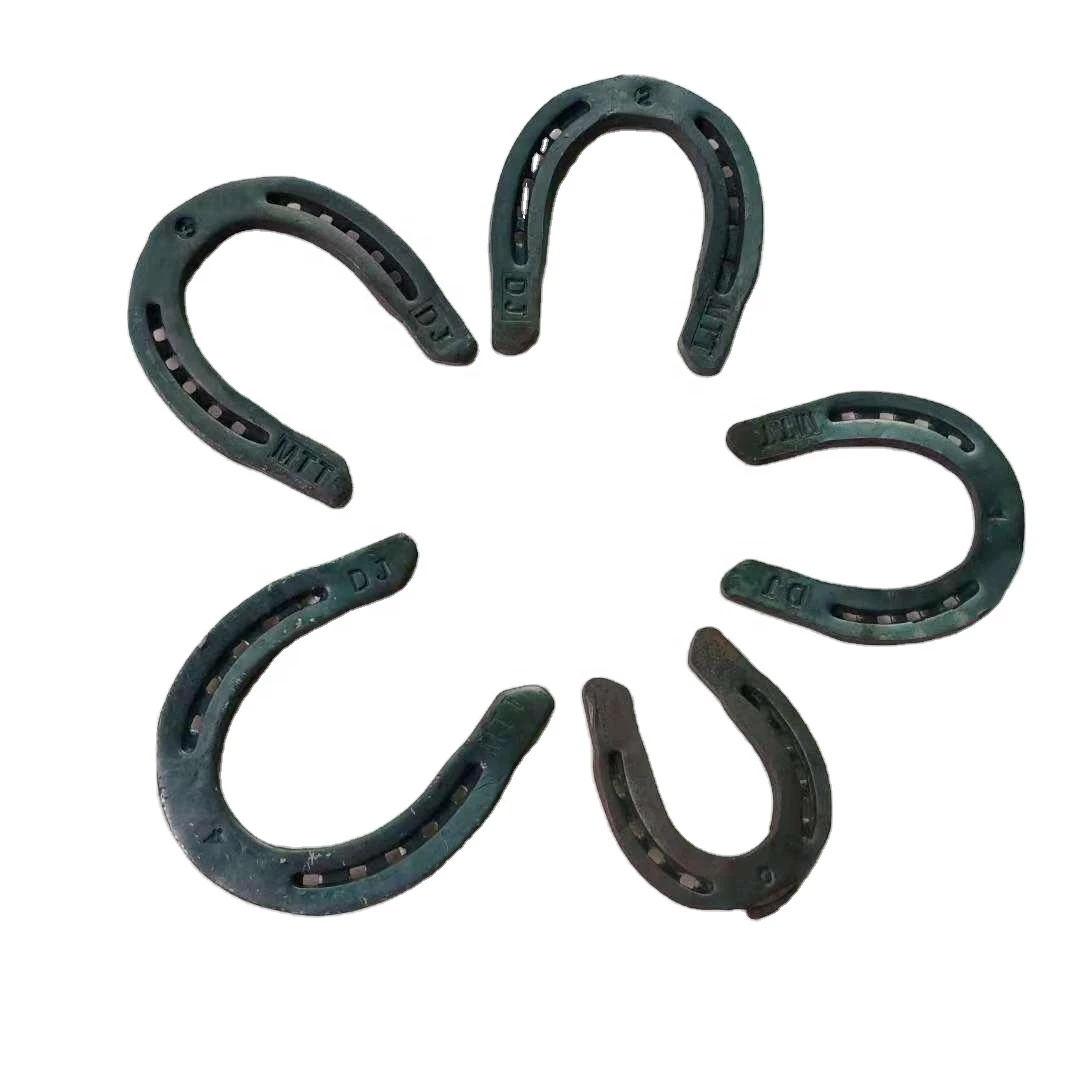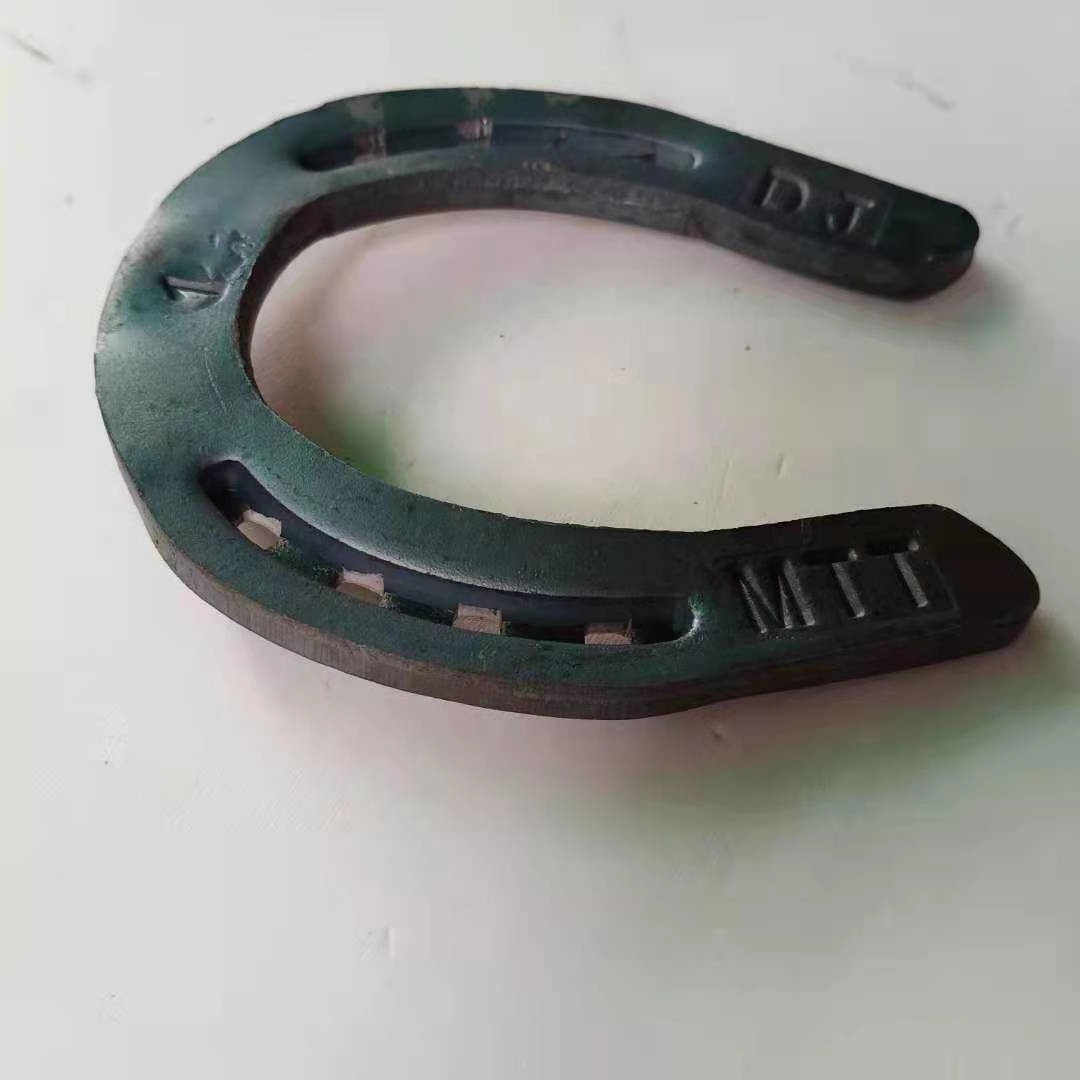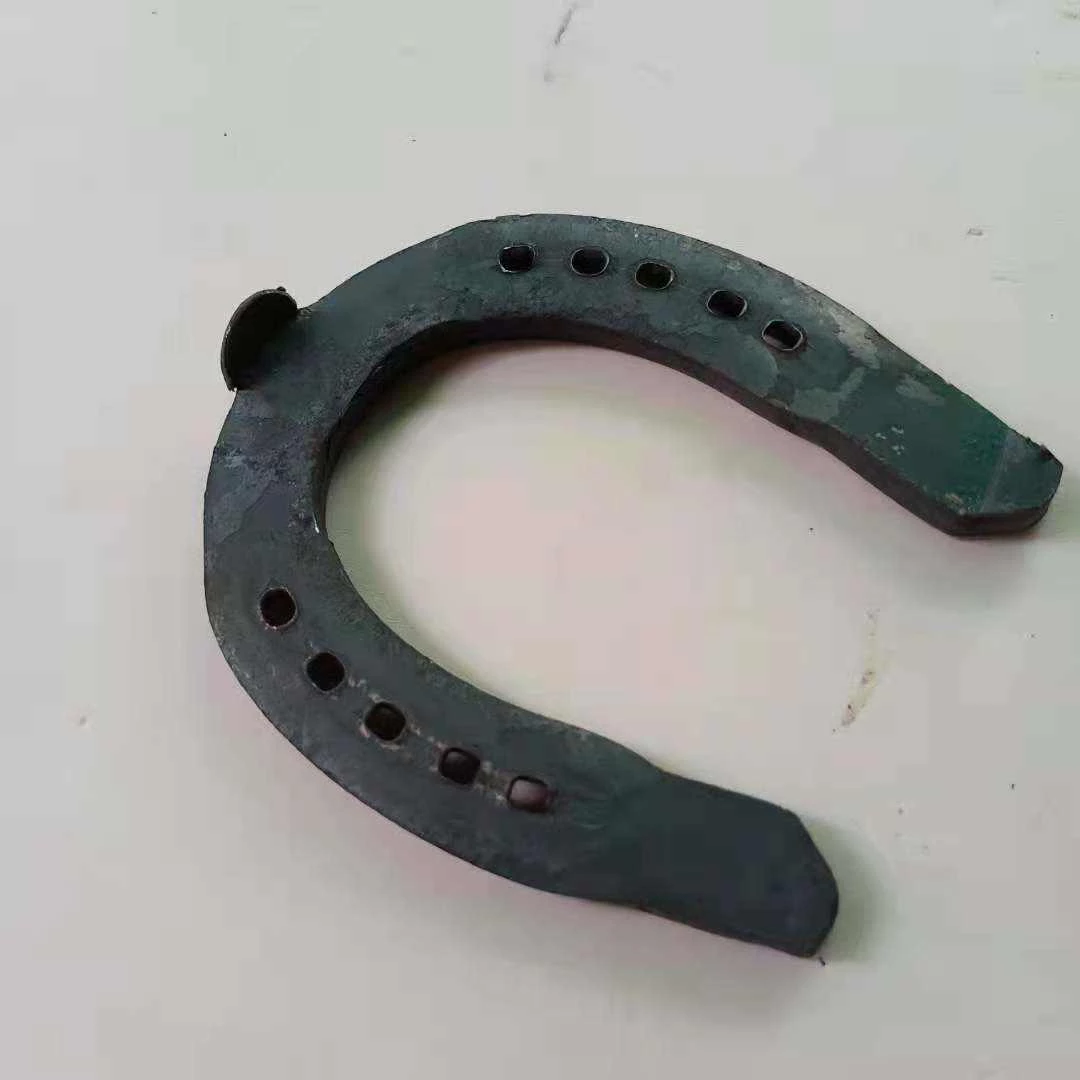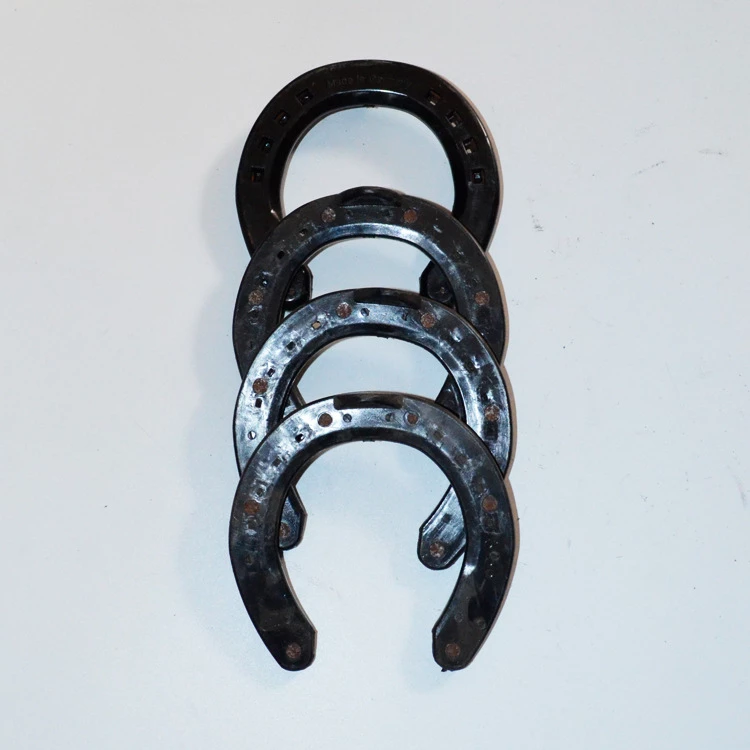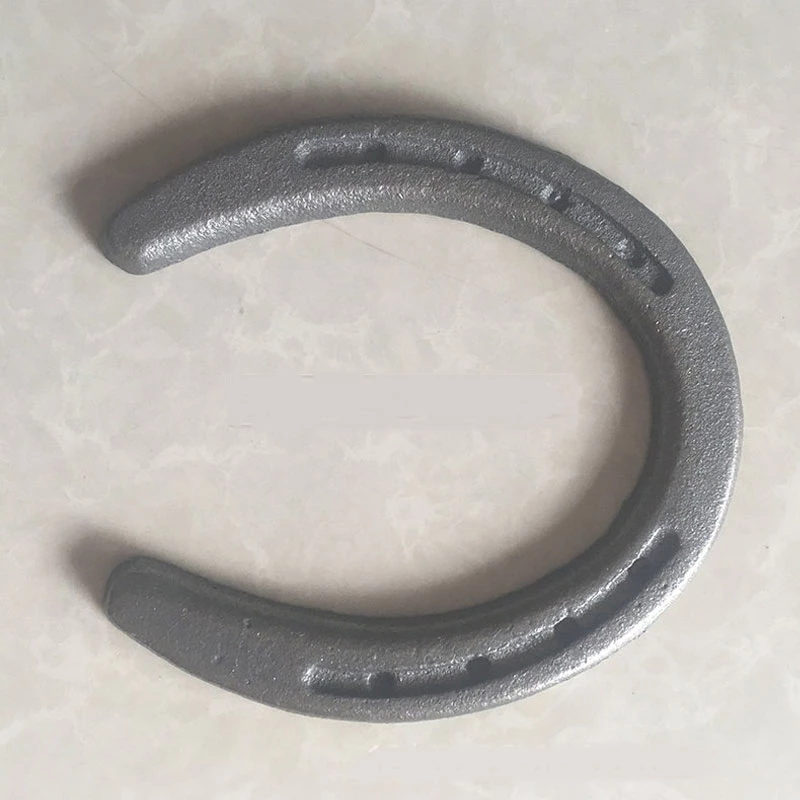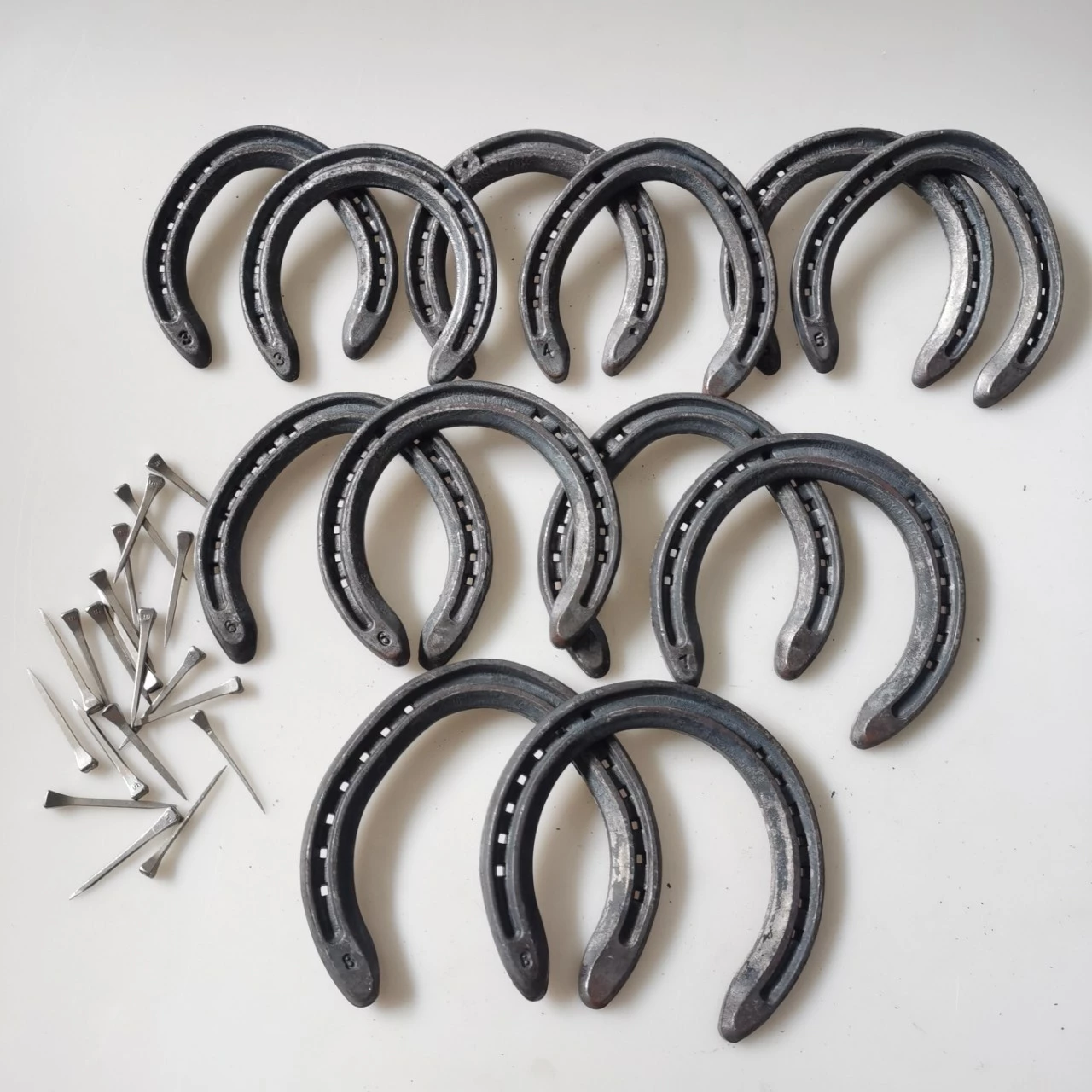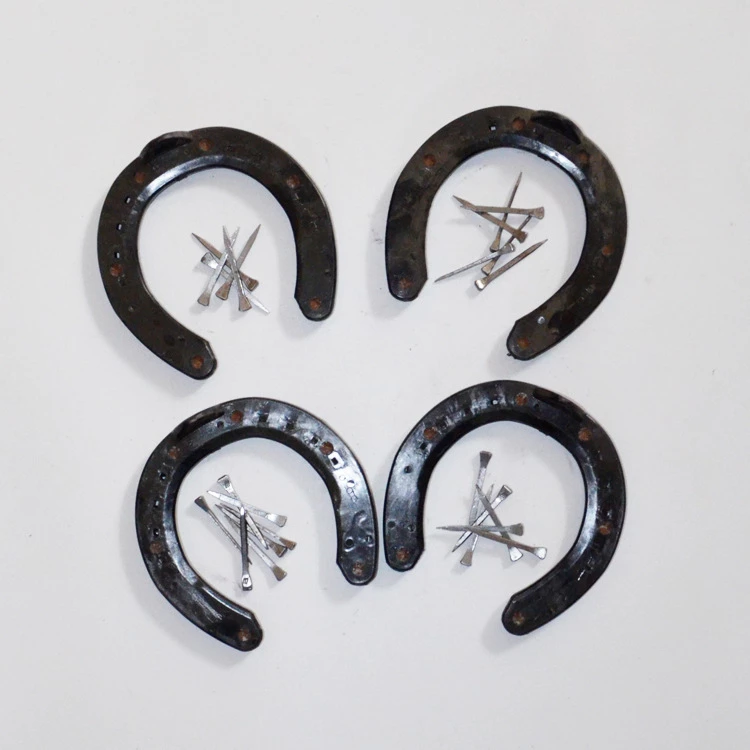

Have you ever wondered why your horse keeps losing shoes? It can be frustrating, right? This common issue of a horse losing shoes happens for many reasons, like hoof problems, poor shoe fit, or even the environment. When your horse loses a shoe, it can affect their comfort and performance. Let’s explore what’s behind this problem.
Key Takeaways
- Hoof care is very important. Have a farrier check hooves every 4-6 weeks to keep them healthy and shoes fitting well.
- Watch your horse's surroundings. Wet or muddy areas can weaken hooves, causing shoes to fall off more easily.
- Try using protective gear like bell boots. They stop shoes from snagging and help keep them on during activities.
Common Causes of Horse Losing Shoes
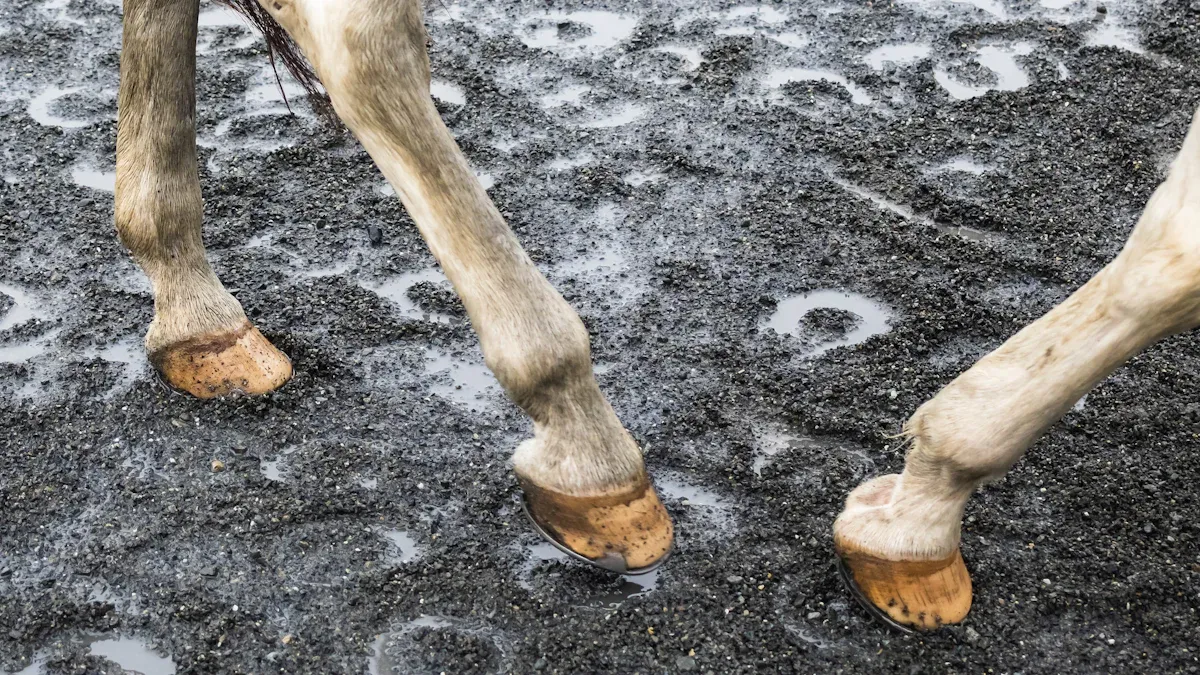
When your horse keeps losing shoes, it’s not just frustrating—it can also be a sign of underlying issues. Let’s break down some of the most common reasons this happens so you can address them effectively.
Poor Hoof Health and Maintenance
Healthy hooves are the foundation of a well-shod horse. If your horse’s hooves are brittle, cracked, or overgrown, the shoes won’t stay on properly. Poor hoof health often comes from neglecting regular trimming or not addressing conditions like thrush or white line disease.
Tip: Schedule regular hoof care with a trusted farrier. A consistent trimming schedule helps maintain the right hoof shape and prevents unnecessary stress on the shoes.
Also, consider your horse’s diet. Hoof health depends on proper nutrition. Biotin, zinc, and amino acids play a big role in keeping hooves strong and less prone to cracking.
Improper Shoe Fit
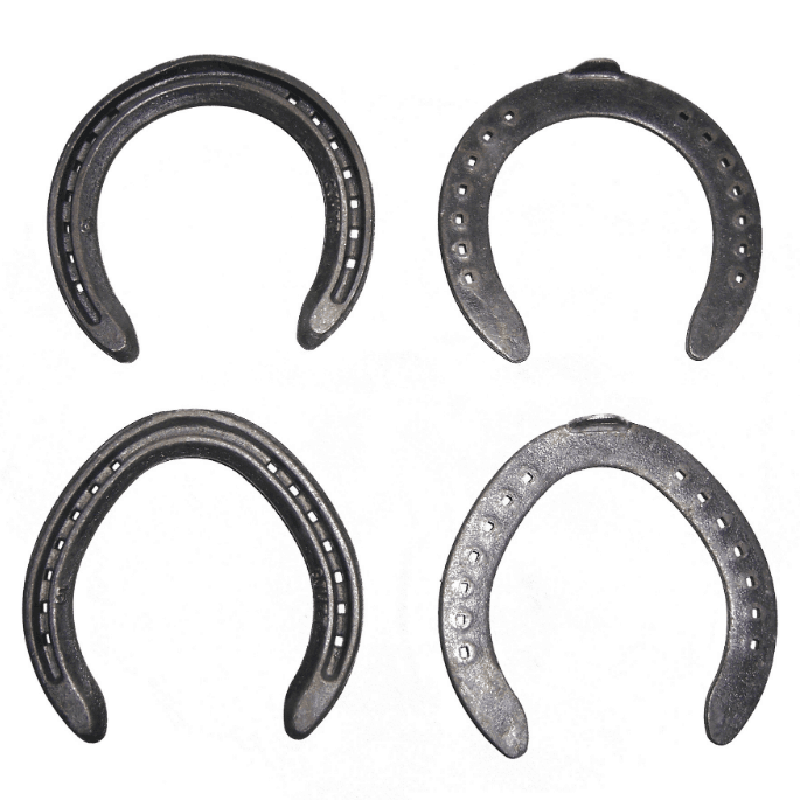
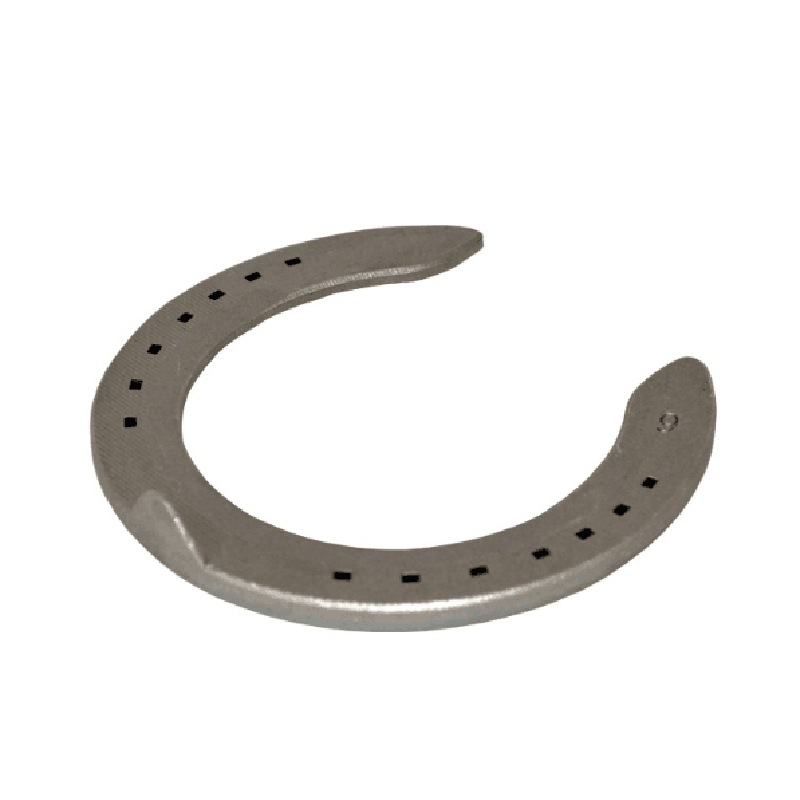
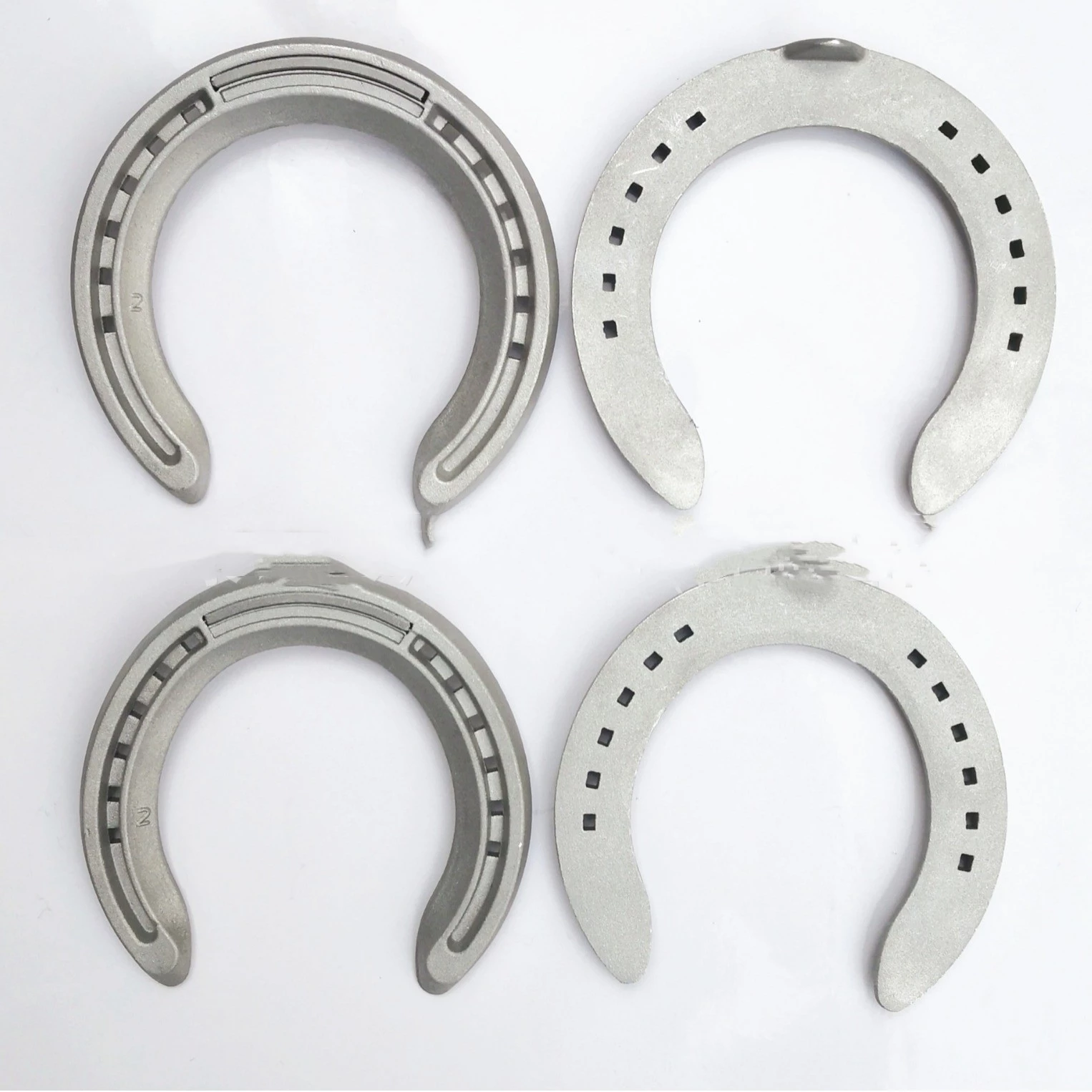
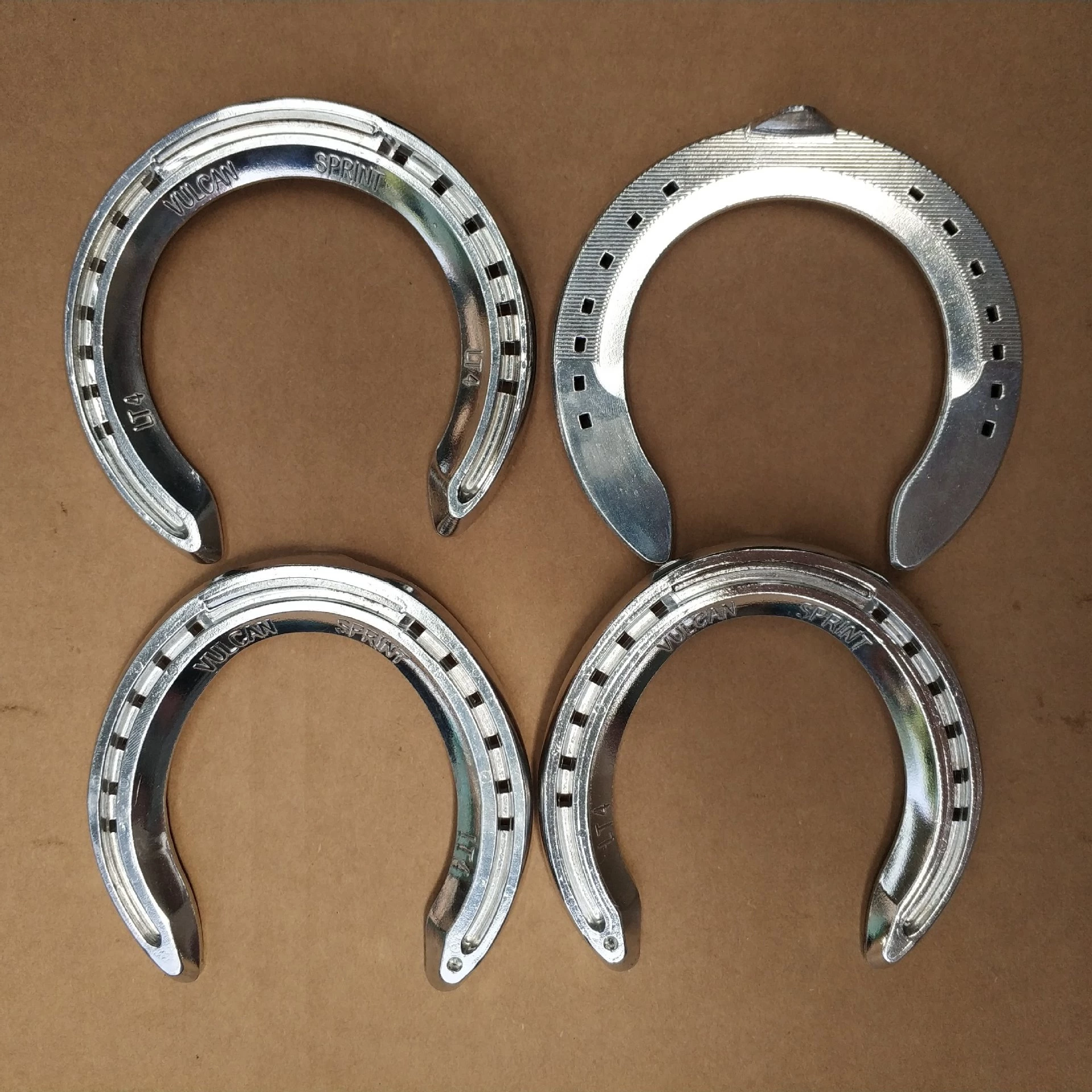
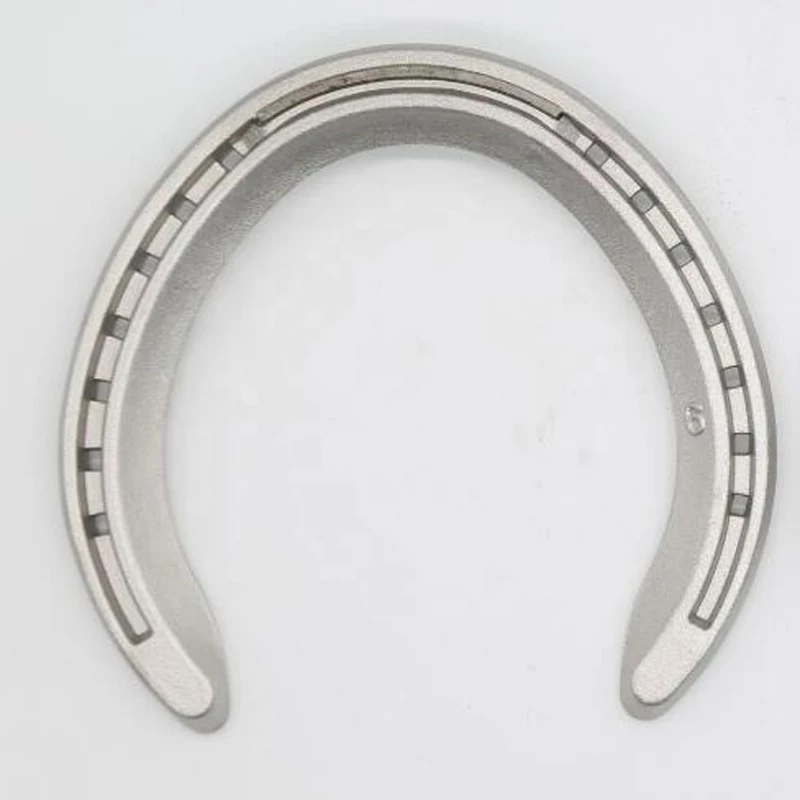
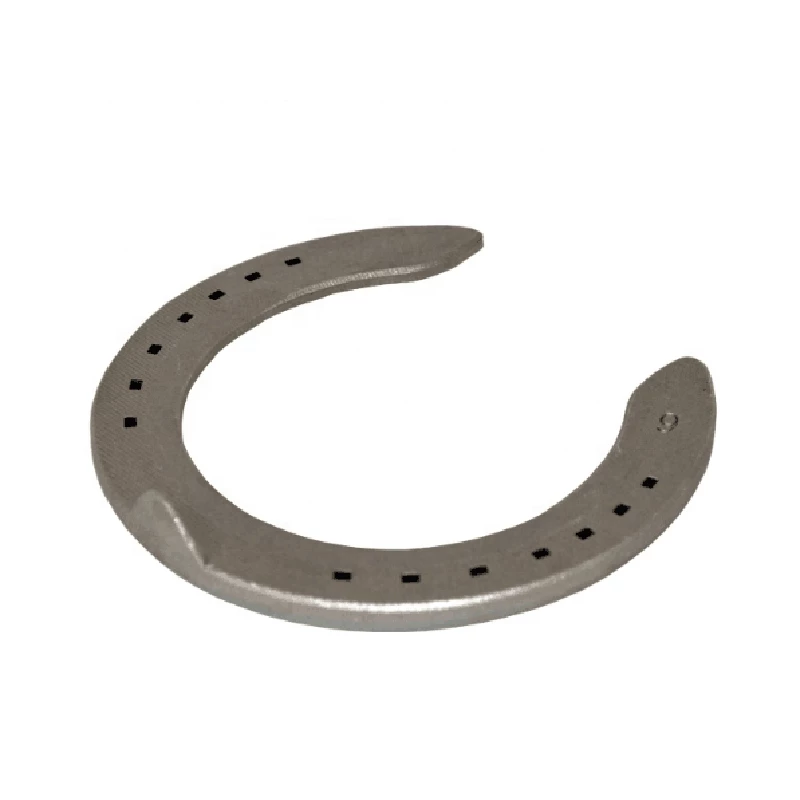
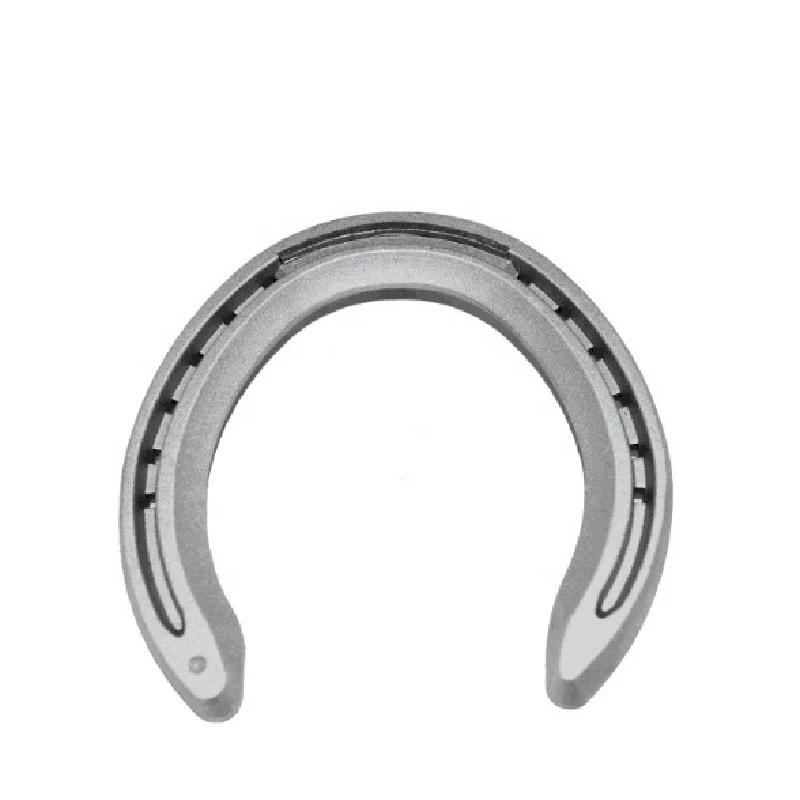
A poorly fitted shoe is like wearing the wrong size sneakers—it’s uncomfortable and doesn’t stay on. If the shoe is too small, it won’t provide enough support. If it’s too large, it can catch on objects like rocks or roots, causing it to come off.
Farriers must carefully balance the shoe to match the horse’s hoof shape and size. Even a slight misalignment can lead to problems. If you notice your horse losing shoes frequently, it might be time to check if the fit is correct.
Did you know? Horses with uneven hooves or conformation issues may need custom-fitted shoes to prevent shoe loss.
Environmental and Terrain Challenges
The environment your horse lives and works in plays a huge role in shoe retention. Wet, muddy conditions soften the hooves, making it easier for shoes to loosen. On the other hand, rocky or uneven terrain can snag shoes or cause them to twist.
If your horse spends time in a paddock with deep mud or rough ground, the risk of losing shoes increases. Even seasonal changes, like heavy rains or snow, can affect how well the shoes stay on.
Pro Tip: Consider using protective gear like bell boots when riding on challenging terrain. They can help shield the shoes from getting caught or pulled off.
Horse Behavior and Activity
Some horses are just more active—or mischievous—than others. If your horse loves to kick, roll, or play rough with pasture mates, the shoes might take a beating. High-energy activities like jumping or galloping can also put extra strain on the shoes, especially if they’re not fitted properly.
Pay attention to how your horse behaves in the pasture or during exercise. If they’re constantly roughhousing or moving erratically, it might explain why the shoes don’t stay on.
Quick Tip: Monitoring your horse’s activity and using protective gear can go a long way in preventing shoe loss.
Environmental Factors Affecting Shoe Loss
Wet and Muddy Conditions
Wet and muddy conditions can wreak havoc on your horse’s hooves. Constant exposure to moisture weakens the hoof structure, making it softer and more flexible. When this happens, the hoof capsule struggles to maintain its shape. This can cause the sensitive inner tissues to spread, making it harder for shoes to stay on.
Here’s why wet conditions increase the risk of shoe loss:
- The walls of the hoof become thin and flexible, making it harder to nail shoes securely.
- Soft hooves lose their grip on the nails, causing shoes to loosen or fall off.
- Mud can act like suction, pulling shoes off as your horse moves through it.
If your horse spends a lot of time in wet or muddy areas, you’ll need to take extra precautions. Try to provide a dry, clean space for them to stand. Regular hoof care and protective gear can also help reduce the risk of shoe loss.
Rocky or Uneven Terrain
Riding or grazing on rocky or uneven terrain can be tough on your horse’s shoes. Sharp rocks and uneven ground can snag or twist the shoes, causing them to come loose. Horses that frequently navigate these surfaces are more likely to lose shoes, especially if the shoes aren’t fitted properly.
To protect your horse, consider using durable shoes designed for rough terrain. You might also want to use bell boots to shield the shoes from getting caught on rocks or roots. Keeping an eye on your horse’s hooves after riding on challenging terrain can help you catch any issues early.
Seasonal Weather Changes
Seasonal weather changes can also affect how well your horse’s shoes stay on. For example, heavy rains in spring or fall can create muddy conditions, while dry summers can cause hooves to become brittle and crack. Winter brings its own challenges, like icy or frozen ground, which can make shoes more prone to damage.
Adjusting your horse’s hoof care routine based on the season is key. In wet months, focus on keeping hooves dry and healthy. During dry periods, moisturizing products can help prevent cracks. By staying ahead of seasonal changes, you can minimize the risk of your horse losing shoes.
Preventing Horse Losing Shoes
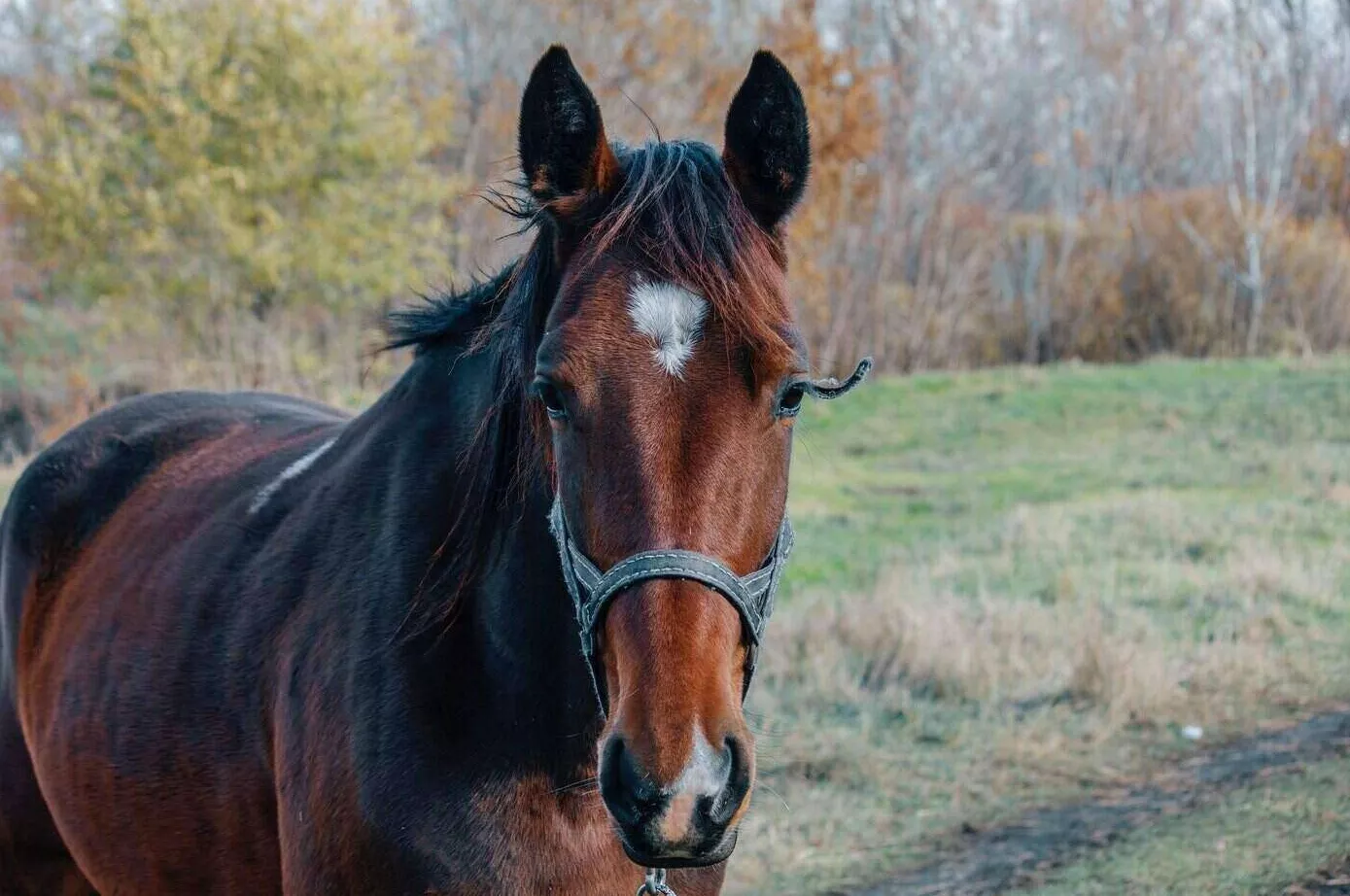
If your horse keeps losing shoes, don’t stress—there are ways to stop it. With good care and management, you can help your horse keep their shoes on securely.
Regular Farrier Visits
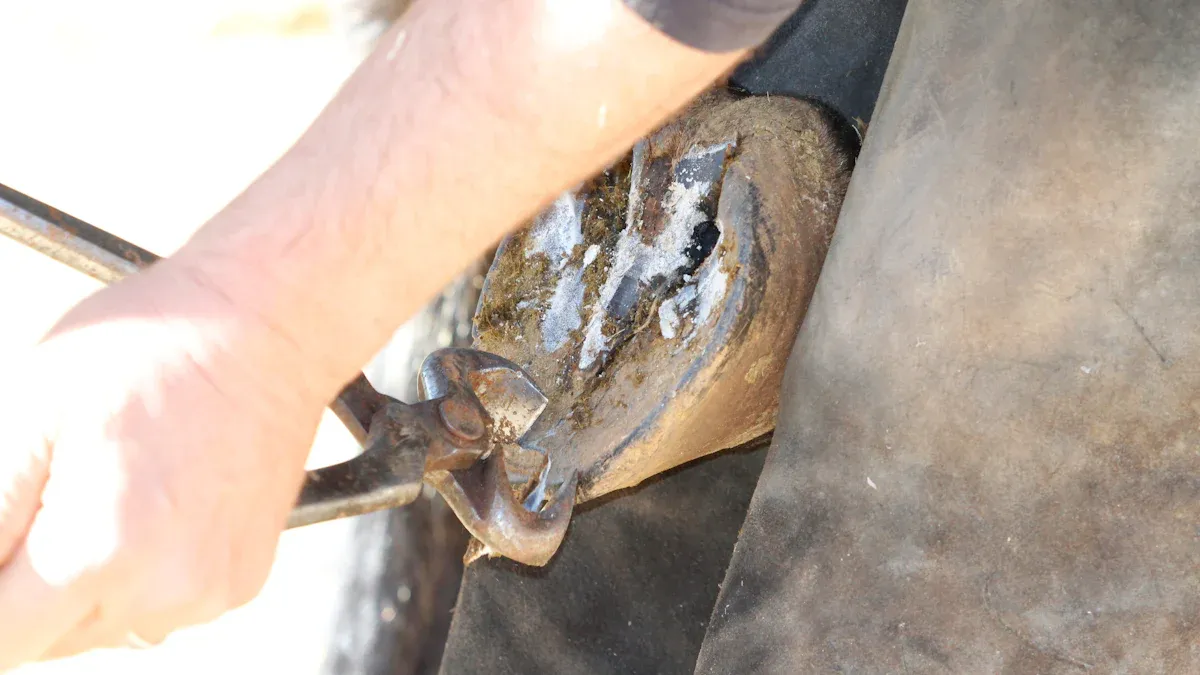
Regular farrier visits are key to preventing shoe loss. A farrier trims and balances hooves, which helps shoes stay in place. They also check for cracks or infections that weaken hooves and make shoes fall off.
Schedule farrier visits every 4-6 weeks, depending on hoof growth and activity. If your horse loses shoes often, ask the farrier about changes. They might suggest a new shoe type or custom fit for better results.
Tip: Use a calendar to track farrier visits. Staying on schedule improves hoof health.
Proper Hoof Care Practices
Healthy hooves hold shoes better. Clean your horse’s hooves daily with a hoof pick to remove dirt and mud. This stops buildup that weakens hooves or loosens shoes.
Keep hooves balanced with moisture. Too much moisture softens hooves, while too little makes them crack. Use hoof conditioners to maintain balance, especially in extreme weather. Supplements like biotin and zinc also strengthen hooves from the inside.
Pro Tip: Check hooves daily for cracks, chips, or infections. Early care prevents bigger problems.
Using Protective Gear Like Bell Boots
Bell boots protect hooves and shoes from getting caught on rocks or roots. They’re great for active horses or those that step on their own shoes.
Many owners use Cavallo Trek Boots for extra protection. These boots stay secure in mud or snow. One owner said their horse stopped losing shoes after using these boots during turnout. Protective gear can really help keep shoes on.
Did you know? Bell boots also prevent injuries from overreaching, where back hooves hit front ones.
Monitoring and Managing Horse Behavior
Your horse’s actions affect shoe retention. Horses that kick, roll, or play rough often lose shoes. Activities like jumping or galloping also strain shoes.
Small changes can help. If your horse steps on front shoes with hind feet, adjust their routine. Studies show most shoe loss from rider error involves this misstep. Watching your horse and making changes can lower shoe loss risk.
Quick Tip: Watch your horse during turnout or exercise. If they’re too active, try protective gear or change their routine.
Horses lose shoes because of weak hooves, bad environments, or wrong shoe sizes. To stop this, have a farrier check hooves often, care for hooves daily, and use protective boots. Fixing these issues keeps your horse happy, healthy, and active.
FAQ
Why does my horse lose shoes more often in wet weather?
Wet weather softens hooves, making them weaker and less able to hold nails. Mud can also create suction, pulling shoes off as your horse moves.
Can I ride my horse if it loses a shoe?
It’s best to avoid riding until the shoe is replaced. Riding without a shoe can cause uneven pressure on the hooves, leading to discomfort or injury.
How can I tell if my horse’s shoes fit correctly?
Look for signs like uneven wear, loose nails, or discomfort during movement. A well-fitted shoe should align perfectly with the hoof and stay secure.
Tip: Regular farrier visits help ensure proper shoe fit and hoof health.