
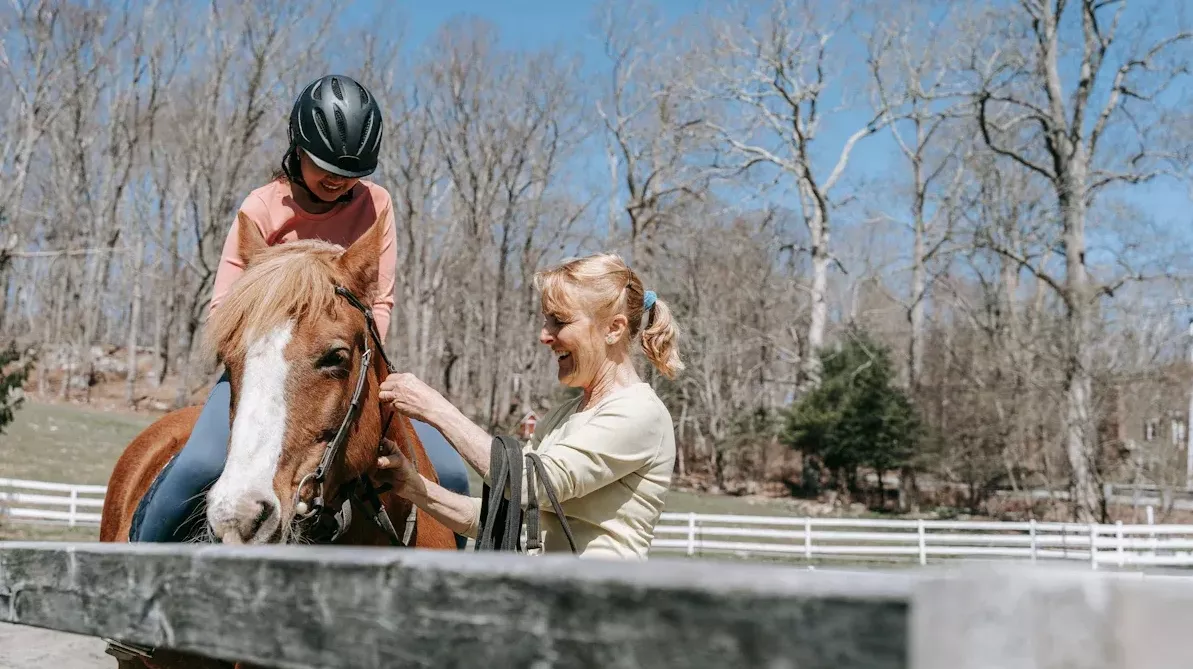
Starting horse riding is fun but can feel overwhelming too. Staying safe and prepared is very important for enjoyment. Many horse injuries happen while standing near them. Wearing a helmet and knowing ground safety are musts. With good gear and attitude, you’ll ride confidently soon!
Key Takeaways
- Always wear a riding helmet to protect your head. It can reduce the risk of serious injuries by 63%.
- Invest in a safety vest for extra protection. It can lower chest injury risks significantly during falls.
- Choose riding gloves to improve grip and prevent blisters. They also keep your hands warm in cold weather.
Safety Gear for Horse Riding
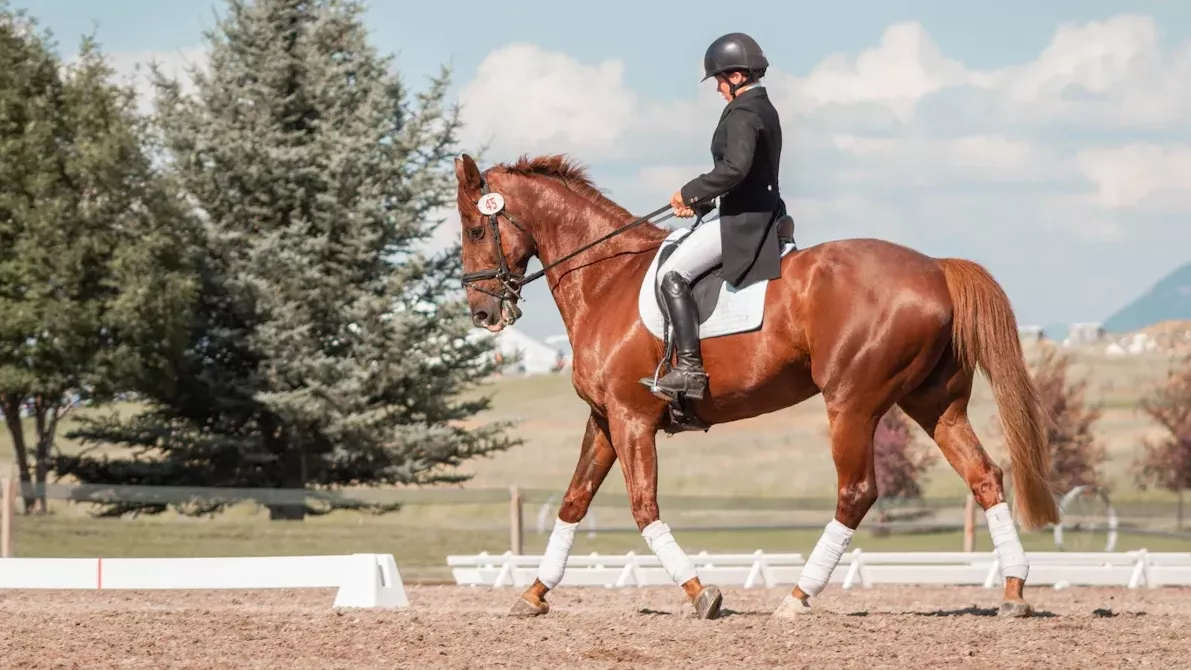
Safety is the most important part of horse riding. Using the right gear helps prevent injuries and makes riding more fun. Here are three key safety items every beginner should have.
Riding Helmet
A riding helmet is a must-have. It keeps your head safe if you fall or get thrown off. Research shows helmets can lower the chance of serious head injuries by 63%. For example, studies found helmets reduce severe head trauma risks with odds ratios between 0.26 and 0.41. This is very important when you’re learning to balance and control your horse.
Pick a helmet that meets safety rules like ASTM/SEI standards. It should fit well but not feel tight. Many riding schools and events now require helmets, so buying one is a smart idea. Helmets made up 27% of global safety gear sales in 2023, showing how important they are to riders.
Tip: Replace your helmet after any fall, even if it looks fine. Hidden damage can make it less safe.
Safety Vest
A safety vest gives extra protection for your chest and back. It won’t stop all injuries but can make impacts less harmful. Air vests inflate when you fall and can lower chest injury risks from 94% to 81%. However, they don’t work as well if a horse falls on you.
Body protectors are another choice. They spread out the force of a fall to reduce harm. Beginners often feel safer wearing one. With safety vest sales growing 8.1% each year, more riders are focusing on staying safe.
Note: Make sure your vest fits well and doesn’t limit movement. Comfort is important while riding.
Riding Gloves
Riding gloves may seem small, but they’re very helpful. They improve your grip on the reins, especially if your hands are sweaty or it’s raining. Good gloves also stop blisters, which are common for new riders.
Many riders feel more in control with gloves on. This is useful for steering or keeping a steady pace. Gloves also keep your hands warm in cold weather, so you can focus on riding instead of cold fingers.
Pro Tip: Choose gloves with strong palms and fingers. They’ll last longer and protect better.
By using these three safety items, you’ll have a safer and more enjoyable time riding. It’s always better to be extra prepared than to take risks.
Essential Horse Riding Attire
Wearing the right clothes for horse riding is very important. It’s not just about looking good—it helps you stay safe and comfy. Here are three key clothing items every beginner needs.
Riding Boots
Riding boots protect your feet and keep them steady in stirrups. They have small heels to stop your foot from slipping through, which can be risky. There are two main types: tall boots and paddock boots. Tall boots cover more of your leg, while paddock boots are shorter. You can pair paddock boots with half chaps for extra support.
Tip: Pick boots made from strong materials like leather or synthetics. They should fit snugly but not hurt your feet.
Breeches or Riding Pants
Breeches or riding pants are made just for horse riding. They stretch, so you can move easily, and have padded areas to stop rubbing. Unlike regular pants, they don’t have thick seams that could irritate your skin. This makes them great for long rides.
- Experts say well-fitted breeches improve comfort and riding skills.
- Female riders should wear proper undergarments for better support. Studies show many feel discomfort without the right gear, so it’s worth investing in good options.
Weather-Appropriate Clothing
Weather affects how much you enjoy riding. On cold days, wear insulated jackets and thermal breeches to stay warm. On hot days, choose light, breathable fabrics to stay cool. Some clothes are now made to handle changing weather, so you can ride comfortably all year.
Pro Tip: Wear layers of clothing. You can take off layers if the weather changes.
By wearing the right clothes, you’ll feel better and enjoy horse riding more.
Tack and Equipment for Horse Riding
Having the right tack and gear is very important. It helps you guide your horse and keeps both of you safe. Let’s look at the basic items you’ll need.
Saddle
The saddle is one of the most important tools. It gives you a steady seat and spreads your weight on the horse’s back. A bad saddle fit can hurt you and your horse. Picking the right one is very important.
There are different saddles, like English and Western ones. Beginners should try a general-purpose saddle. It works well for many riding styles. Make sure the saddle fits you and your horse. A good fit stops slipping and lowers injury risks.
Tip: Check your saddle before riding. Look for worn straps or broken parts.
Bridle and Reins
The bridle and reins help you steer and control your horse. They let you send signals through light pulls. Picking the right bridle is key, especially for new riders.
Here’s a simple table of common bridles and their uses:
| Bridle Type | Beginner Benefits | When to Use |
|---|---|---|
| Snaffle | Gentle pressure, easy for learning. | Great for English riding and training horses. |
| Hackamore | No bit, but harder to control. | Used for trained horses in specific activities like roping. |
| Mechanical Hackamore | Strong stopping power, not for beginners. | Best for quick stops in advanced riding. |
For new riders, a snaffle bridle is the easiest to use. It’s gentle and won’t confuse your horse. Avoid advanced bridles like hackamores until you’re more skilled.
Pro Tip: Always check reins for damage. Broken reins can cause accidents.
Saddle Pad
A saddle pad may seem small, but it’s very helpful. It cushions the saddle and protects the horse’s back. It also spreads pressure evenly and stops rubbing.
Dr. Andy Pruitt says saddle fit is very important. He explains that even small changes can affect how comfortable you feel. This shows why a good saddle pad matters.
Saddle pads come in materials like fleece, gel, and foam. Beginners can start with fleece or cotton pads. These are soft, easy to clean, and comfy for the horse. Make sure the pad fits well and doesn’t bunch up. Bunched pads can hurt your horse.
Note: Wash your saddle pad often. Dirt and sweat can irritate your horse.
By choosing the right tack and gear, you’ll make riding safer and more fun. Always focus on comfort and proper fit for the best experience.
Additional Tools for Horse Riding
Having the right tools can make your horse riding experience smoother and more enjoyable. Here are three essential items you should always have on hand.
Grooming Kit
A grooming kit is a must-have for every rider. It helps you keep your horse clean, comfortable, and healthy. Grooming isn’t just about making your horse look good—it’s also a great way to bond with them. Regular grooming improves their coat, prevents skin issues, and helps you spot any injuries early.
The growing demand for specialized grooming products shows how important this is. The equine care market is booming because more riders understand the value of keeping their horses in top condition. A basic grooming kit should include a curry comb, stiff brush, soft brush, hoof pick, and mane comb. These tools help you tackle dirt, mud, and tangles with ease.
Tip: Spend a few minutes grooming your horse before and after every ride. It’s a simple way to show care and build trust.
First Aid Kit
Accidents can happen, so carrying a first aid kit is always a smart idea. Whether it’s a minor scrape or something more serious, being prepared can make a big difference. Your kit should include bandages, antiseptic wipes, gauze, and scissors.
- Experts recommend keeping a first aid kit handy during rides.
- It’s especially useful for trail rides or when you’re far from help.
Pro Tip: Learn basic first aid for both you and your horse. It’s a skill that every rider should have.
Riding Backpack
A riding backpack is perfect for carrying your essentials. It keeps your hands free, so you can focus on riding. Look for a lightweight, durable bag with multiple compartments. This makes it easy to organize items like water bottles, snacks, maps, and your first aid kit.
Some backpacks are even designed specifically for riders. They fit snugly and won’t bounce around while you’re on the move. Choose one with adjustable straps for maximum comfort.
Note: Always pack light. Carry only what you need to avoid weighing yourself down.
By having these tools, you’ll be ready for anything. They’ll help you take better care of your horse and enjoy your rides with confidence.
Getting Ready for Horse Riding
Learning About Horse Behavior
Knowing how horses act is very important before riding. Horses are flight animals, meaning they react fast to danger. This helps them survive but can cause sudden moves. For example, they hear sounds or see things you might miss. Watching their body language, like ears or tail movements, shows how they feel.
Horses remember bad experiences, so be kind and patient. They can learn to stay calm around scary things, but it takes time. Spend time with your horse to build trust. A strong bond makes riding safer and more fun.
Starting Basic Riding Lessons
Beginner lessons are a smart way to learn horse riding. Teachers show you how to sit, hold reins, and steer your horse. They also teach safety tips, like what to do if your horse gets scared. Step-by-step lessons help you feel confident and avoid accidents.
Group lessons are fun and let you meet other riders. You’ll learn faster and feel ready to ride on your own.
Staying Calm and Building Confidence
Being calm is very important when riding. Horses can feel your emotions, so if you’re nervous, they might be too. Programs like The Rider’s Mindset teach ways to stay focused, like imagining smooth rides and using positive thoughts.
If you’ve had a bad experience, don’t worry. Solutions like Horse Riding Confidence Solution™ help you overcome fear and trust your horse again. Every rider starts as a beginner. Take small steps, and you’ll feel braver each time you ride.
Beginning horse riding might seem challenging, but the right gear helps. Use good equipment to stay safe and feel comfortable. Learn slowly and enjoy the process. Each ride boosts your confidence and improves your skills.
FAQ
What should I bring to my first horse riding lesson?
Bring a riding helmet, gloves, and boots. Wear comfortable clothes like breeches or leggings. Don’t forget water and a positive attitude!
Tip: Check with your instructor for any specific requirements.
How do I know if my saddle fits correctly?
A well-fitted saddle sits evenly on the horse’s back without pinching. You should feel balanced and secure while riding.
Note: Ask a professional to check the fit if you’re unsure.
Can I ride in regular sneakers or boots?
No, regular sneakers or boots aren’t safe. Riding boots have heels to prevent your feet from slipping through the stirrups.
Pro Tip: Invest in quality riding boots for safety and comfort.