

Relia Horseshoe · Textile manufacturing in China
Fly Masks and Ear Bonnets for Equestrian Retailers
We manufacture equestrian textiles for wholesale and branded supply. Build your fly mask and ear bonnet ranges as distinct products, with the shape, size and appearance defined for each model.
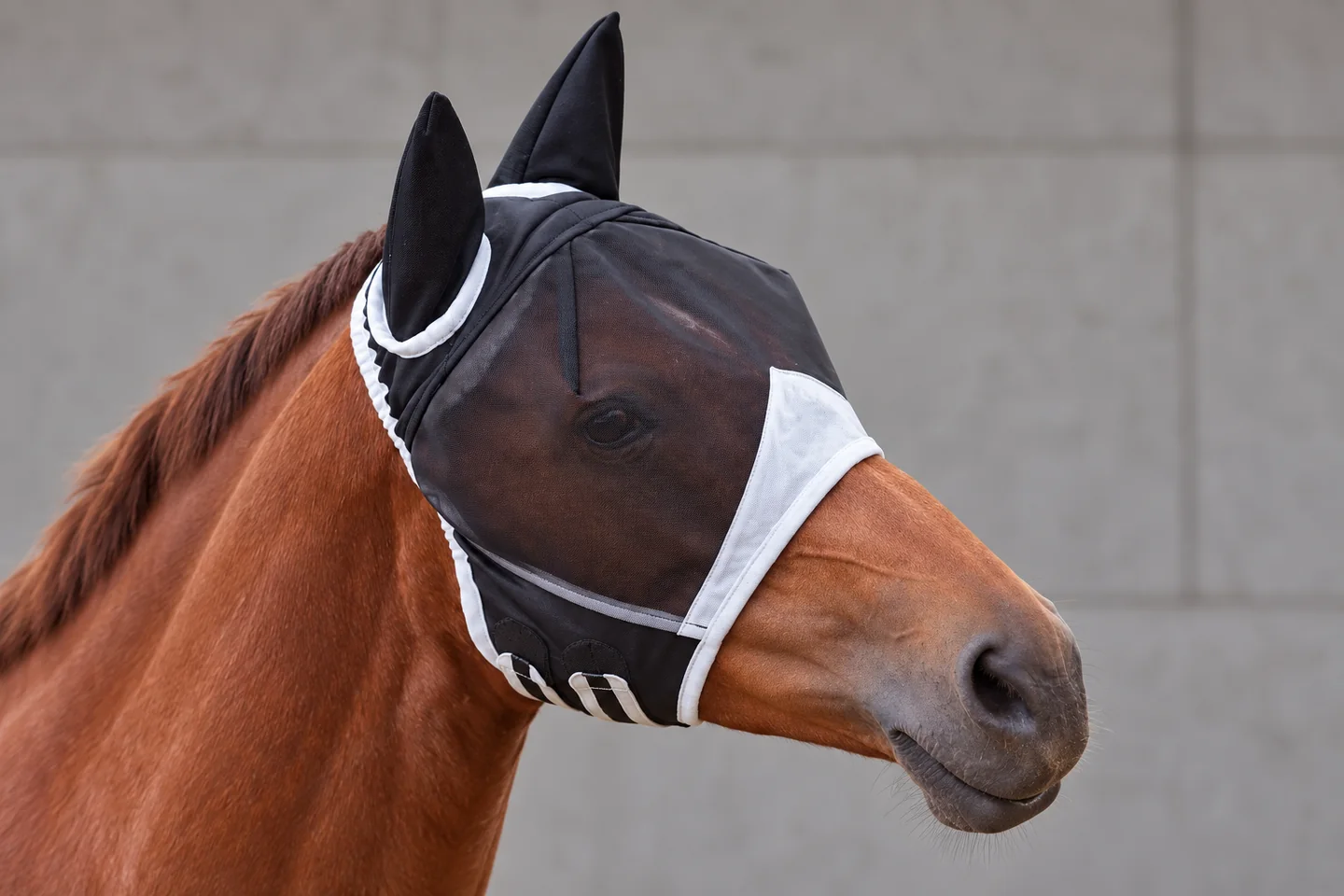
Two clear product routes
Keep the Product Purpose Clear
A riding ear bonnet is not interchangeable with a turnout fly mask. Define intended use and coverage before choosing colors or placing a wholesale order.
Fly masks
Specify which parts of the head the selected pattern covers, together with its fastening arrangement.
Ear bonnets
Specify ear sleeves, body outline and trim for the selected riding bonnet pattern.
Describe the whole pattern
Specify Mask Coverage
Tell us the eye, ear and nose coverage you need. The product name alone does not define the finished shape.
The mask pictured above covers the eyes and ears while leaving the muzzle exposed. Other requirements belong in your model selection or development brief.
- Eyes
- Identify the mesh panel shape and coverage.
- Ears
- State whether ear coverage is required.
- Nose
- Describe the required lower edge or extension.
- Fastening
- Match the closure arrangement to the chosen pattern.
Shape before decoration
Define the Ear Bonnet Shape
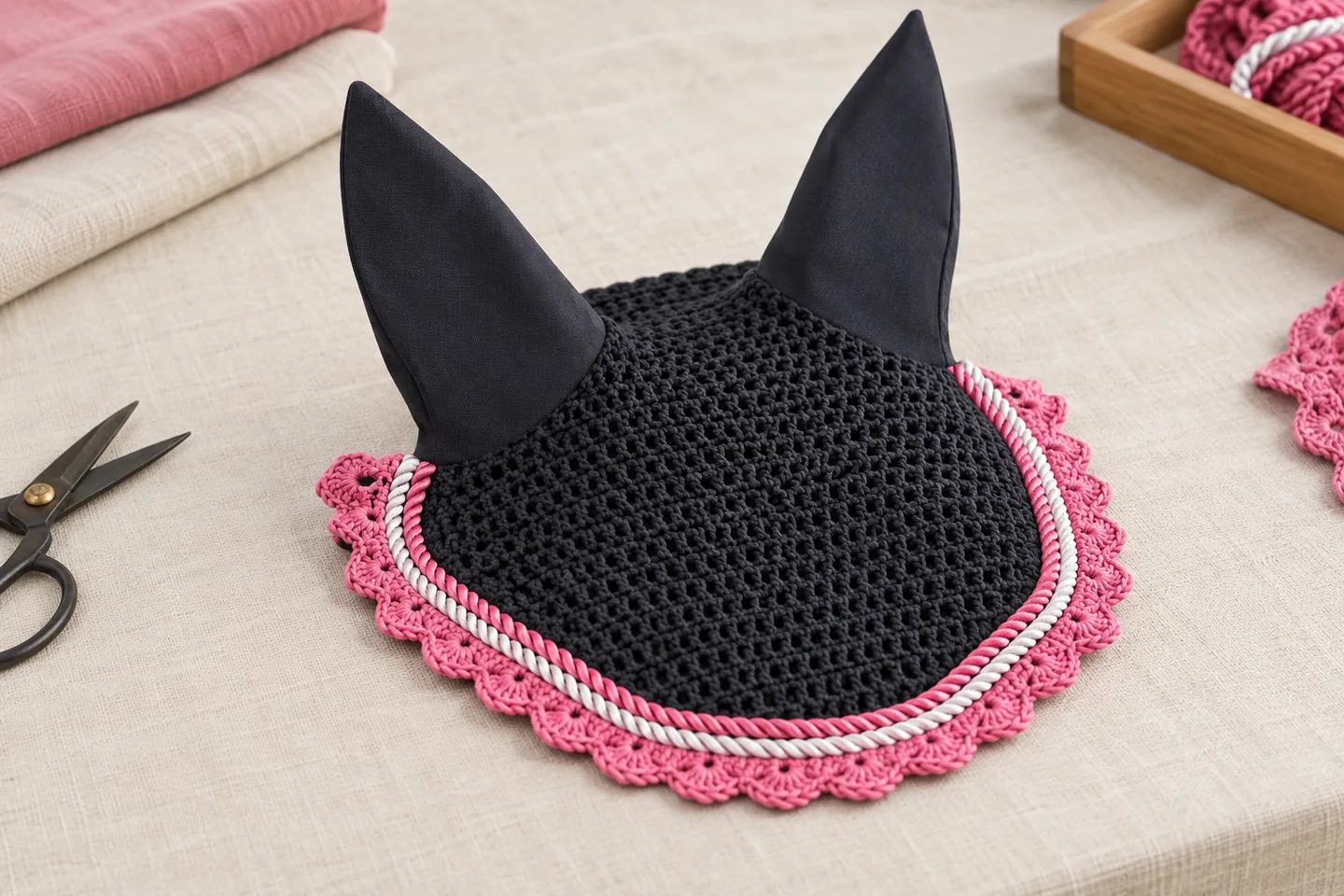
The body outline, ear dimensions and trim create the finished fit and appearance. Keep them together as one pattern reference.
Our range includes different crochet and mesh constructions. Confirm the fabric composition and construction for your selected version rather than applying one description to every bonnet.
- Ear length and width
- Body outline and dimensions
- Edging and trim arrangement
Make labels meaningful
Build a Measured Size Range
Pony, Cob and Full labels need consistent dimensions within your assortment. A measured sample is a clearer starting point than applying one size name across unrelated patterns.
Choose the pattern
Keep mask and bonnet measurements on separate size records.
Record the dimensions
Match each requested size to a drawing or measured reference sample.
Review the version
Check the selected sample before extending the same size label across the range.
Bring the range together
Coordinate Color, Trim and Branding
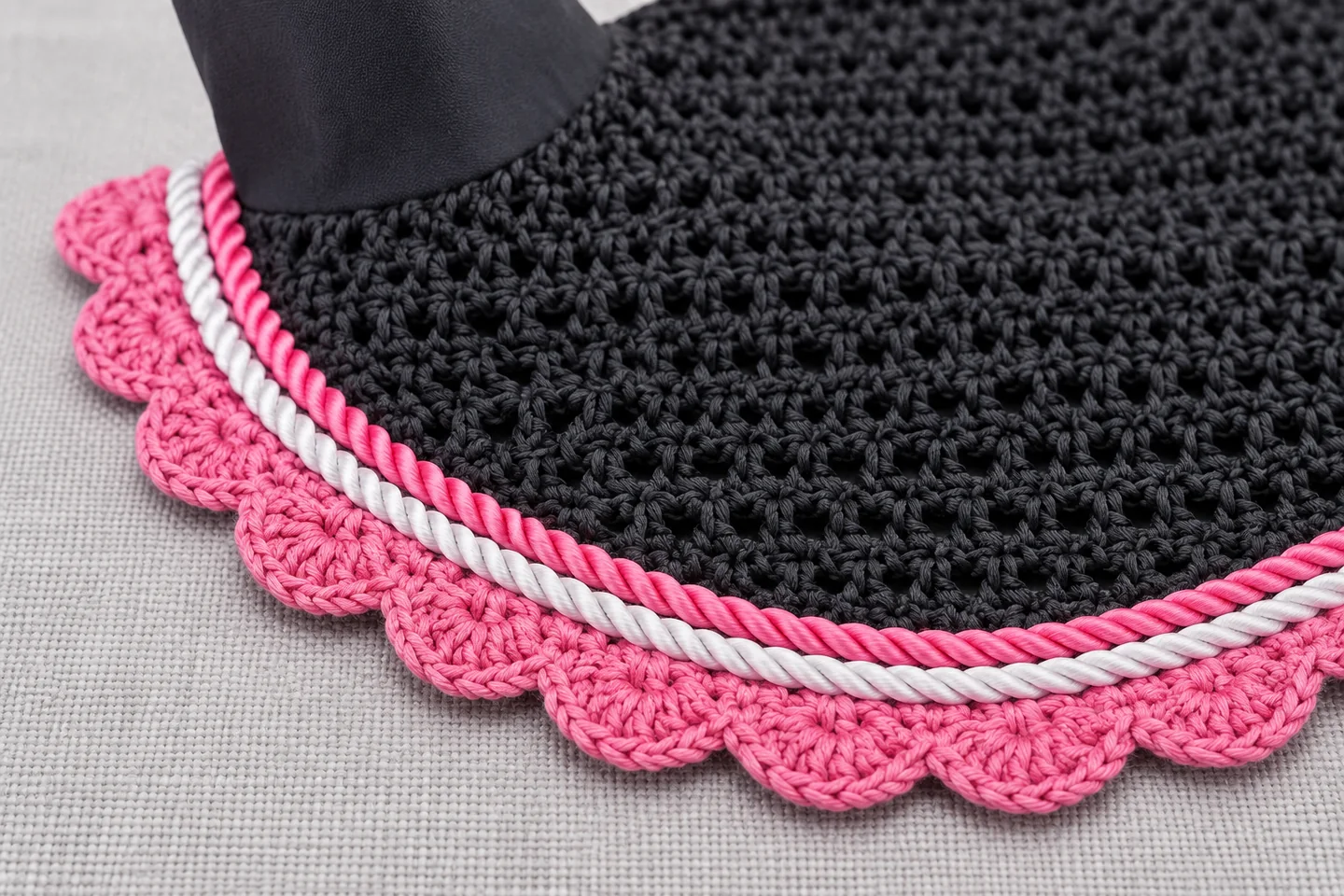
Body color, edging and logo placement can work with your wider tack collection. Send the color references and artwork together so the intended appearance stays clear.
- Body
- Color reference for each version
- Trim
- Edging, cord and contrast colors
- Marking
- Artwork, position and required size
Prepare the retail offer
Align Product Claims and Seasonal Timing
Use product-specific evidence
If you plan to advertise UV, acoustic or other performance claims, specify the evidence required for the exact model. Mesh appearance or added lining alone does not establish a tested rating.
Plan for your arrival date
Share the size and color breakdown, destination and required availability date. Agree production timing and transport separately; a seasonal target is not a confirmed arrival promise.
Start with your assortment
Send Your Mask and Bonnet Requirements
A list by product type, model, size and color gives us a useful basis for discussing your range. Add quantities, artwork, packing, destination and your required arrival date.
- Coverage or bonnet pattern reference
- Measured size breakdown
- Color, trim and branding brief
- Any required performance evidence
Minimum quantities, sampling and production timing are confirmed for the selected models and custom changes.