
Hoof care for backyard horses depends on many things. Age, activity, and diet affect how hooves grow. Weather and ground conditions matter too. Check these factors to decide trimming frequency. Don’t just follow a set schedule. Pay attention to what your horse’s hooves need.
Key Takeaways
- Look at your horse's hooves often to find problems. Watch for cracks or uneven growth. Catching issues early avoids bigger problems.
- Change trimming times based on how active your horse is. Also, consider the type of ground they walk on. Some horses don’t need trims every eight weeks.
- Talk to a trusted farrier for hoof care advice. They can give tips and keep your horse’s hooves healthy.
Things That Affect Hoof Growth in Backyard Horses
Age and Activity Level
Your horse's age and how active they are affect hoof growth. Young horses grow hooves faster because they are still growing. But this fast growth can cause uneven hooves if not watched. For example, a 2-year-old horse may have big hoof changes, which can lead to lameness. By age 3, these changes slow down, and the chance of lameness drops.
Activity also plays a part. Horses that walk or run on different surfaces wear their hooves naturally. This means they might not need trims as often. Horses that don’t move much, like those in small spaces, may need more trims to stop overgrowth.
| Age Group | Hoof Growth Observations | Lameness Risk |
|---|---|---|
| 2 years | Big changes in hoof growth | Higher risk of lameness |
| 3 years | Smaller changes in hoof growth | Lower risk of lameness |
Diet and Nutrition
What your horse eats affects their hoof health. A good diet with the right nutrients helps hooves stay strong. For example, zinc is important for making the hoof wall tough. Without enough zinc, hooves can crack and become weak.
Calories also matter for hoof growth. Young horses eating fewer calories may grow hooves slower. That’s why it’s key to feed them enough energy, especially while they’re growing.
| Factor | Evidence |
|---|---|
| Diet | Fewer calories slow hoof growth in young horses. |
| Minerals | Zinc helps hoof walls stay strong; low zinc makes hooves weaker. |
Health and Genetics
Your horse’s health and genes also affect their hooves. Some horses are born with strong hooves, while others have weaker ones due to genetics. If your horse has weak hooves, you’ll need to take extra care of them.
Health problems can also hurt hoof growth. For example, illnesses or injuries that affect blood flow can slow hoof growth or weaken the hoof wall. Regular vet visits can help find and fix these problems early.
| Factor | Evidence |
|---|---|
| Genetics | Some horses are born with weak hooves; genes affect hoof quality. |
Environmental and Seasonal Effects on Hoof Care
Ground and Surface Types
The ground your horse walks on changes hoof wear. Hard surfaces like concrete or rocks wear hooves faster. Soft surfaces like grass or sand wear them slower. Horses on dirt or synthetic surfaces feel different impacts and vibrations.
| Surface Type | Peak Acceleration (g) | Mean Vibration | Peak GRF (N/kg) |
|---|---|---|---|
| Synthetic | 28.5 ± 2.9 | < 70% of dirt/turf | 11.5 ± 0.4 |
| Turf | 42.9 ± 3.8 | N/A | N/A |
| Dirt | N/A | N/A | N/A |
If your horses stay on soft ground, their hooves may grow faster than they wear. In this case, trimming is needed to stop overgrowth.
Seasonal Effects on Hoof Growth
Seasons also change how hooves grow. Cold weather slows hoof growth. Warm weather helps hooves grow normally. Moisture matters too. Wet weather softens hooves, making them wear faster. Dry weather hardens hooves, slowing wear.
| Environmental Factor | Impact on Hoof Growth | Trimming Frequency |
|---|---|---|
| Temperature | Cold slows growth; warm keeps normal growth | Fewer trims in cold; more in warm |
| Moisture | Changes hoof health and growth rates | Watch for wear during slow growth |
You should change trimming times with the seasons to match hoof growth.
Natural Hoof Wear in Backyard Horses
Wild horses balance hoof growth by walking on different surfaces. This means they don’t need trims as often.
Wild horses move a lot on rough ground, which balances hoof growth and wear. Domesticated horses don’t move as much, so their hooves grow too long and need trimming.
If your horses walk on mixed surfaces and have space to roam, their hooves may wear naturally. But if they don’t move much or walk on the same ground, trims are needed to stop overgrowth.
Recognizing When Backyard Horses Need Trimming
Signs of Overgrown or Uneven Hooves
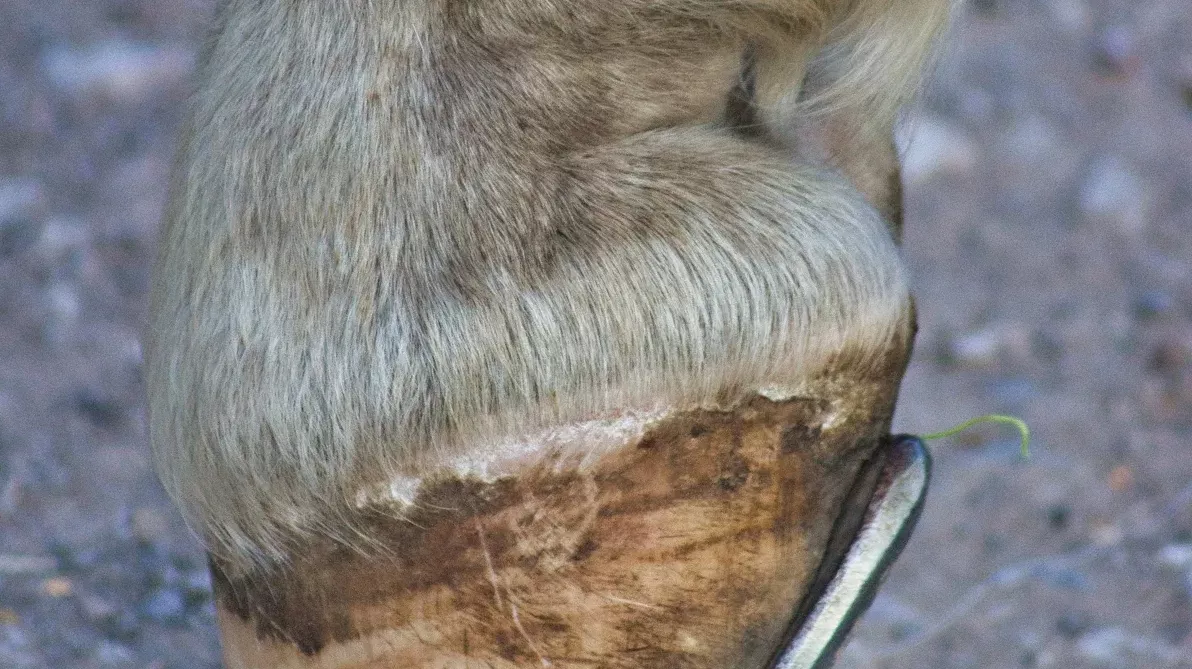
Overgrown hooves can cause big problems for your horse. You might see toes that curve or heels that look too long. These changes push the toe forward, causing sore feet or bruises. Uneven hoof growth, where one side grows more, is also harmful. Some horses may limp even with small imbalances. Others might develop worse issues over time.
Unbalanced hooves can lead to:
- Navicular disease or founder.
- Uneven walking and sore muscles.
- Cracks, abscesses, or fractures.
- White Line Disease (WLD) or arthritis.
Check your horse’s hooves often to catch these signs early. If you notice uneven growth, call a farrier to fix it before it gets worse.
Cracks, Chips, or Splitting
Cracks or chips in the hoof wall mean trimming is overdue. These problems happen when hooves grow too long and weaken. Small cracks can grow deeper, leading to infections or damage. Chips and splits can make walking painful, especially on hard ground.
To avoid this, check your horse’s hooves regularly. Look for damage, especially after walking on rough ground. If you see cracks or chips, schedule a trim quickly. Trimming makes the hoof wall stronger and stops more damage.
Changes in Movement or Gait
Changes in how your horse moves may mean it needs a trim. Long hooves can change their natural walk, making it uncomfortable. You might see your horse trip, drag its feet, or avoid certain surfaces. Uneven hooves affect balance and weight, causing these problems.
Watch for small signs like shorter steps or hesitation to move. These could mean your horse feels pain. Fixing these issues with a trim can make them comfortable again and stop future problems.
🐴 Tip: Write down how your horse moves. Spotting changes early helps keep their hooves healthy and them happy.
Practical Hoof Care Guidelines for Backyard Horses
Consulting a Farrier
A farrier is important for keeping your horse’s hooves healthy. They know how to care for hooves and fix problems. A good farrier talks with you about your horse’s needs. They also work with vets if special hoof care is needed.
Pick a farrier who is dependable and on time. Regular visits stop issues like long or uneven hooves. Plan visits based on your horse’s activity, living area, and hoof growth.
Adjusting the Trimming Schedule
Not all horses need trims every eight weeks. Change the schedule to fit your horse’s needs. Horses walking on rough ground may wear hooves naturally and need fewer trims. Horses on soft ground might need more trims to stop overgrowth.
Seasons also change how hooves grow. In warm weather, hooves grow faster, so trims are needed more often. In cold weather, slower growth means trims can wait longer. Check your horse’s hooves often and ask your farrier for advice.
Regular Hoof Inspections and Maintenance
Check your horse’s hooves often to find problems early. Look for cracks, chips, or uneven growth. Clean hooves daily to remove dirt, rocks, or anything that could hurt them.
Keep hooves dry to avoid damage. Wet hooves can crumble easily. Limit time outside when it’s rainy and avoid too much washing. Use hoof supplements with biotin to help hooves grow strong.
🐴 Tip: Write down hoof care details like trims and inspections. This helps you stay organized and give your horse the best care.
Trimming hooves every eight weeks is a common guideline. However, your backyard horse might need a different plan. Things like where they live, their health, and how active they are can change hoof care needs. Checking hooves often and giving special care keeps them healthy. Watching your horse closely helps keep them happy and comfortable.
FAQ
How do I know if my horse’s hooves are growing too fast?
Check for overgrown toes, uneven heels, or cracks. These signs mean the hooves are growing faster than they wear naturally. Regular inspections help you spot issues early.
Can I trim my horse’s hooves myself?
You can, but it’s risky without training. Incorrect trimming can harm your horse. Consult a farrier for guidance or let them handle the trimming.
🐴 Tip: Always prioritize your horse’s comfort and safety when considering DIY hoof care.
What happens if I skip a trim?
Skipping trims can lead to overgrowth, cracks, or lameness. Long-term neglect may cause serious health problems like joint stress or infections. Regular trims prevent these issues.