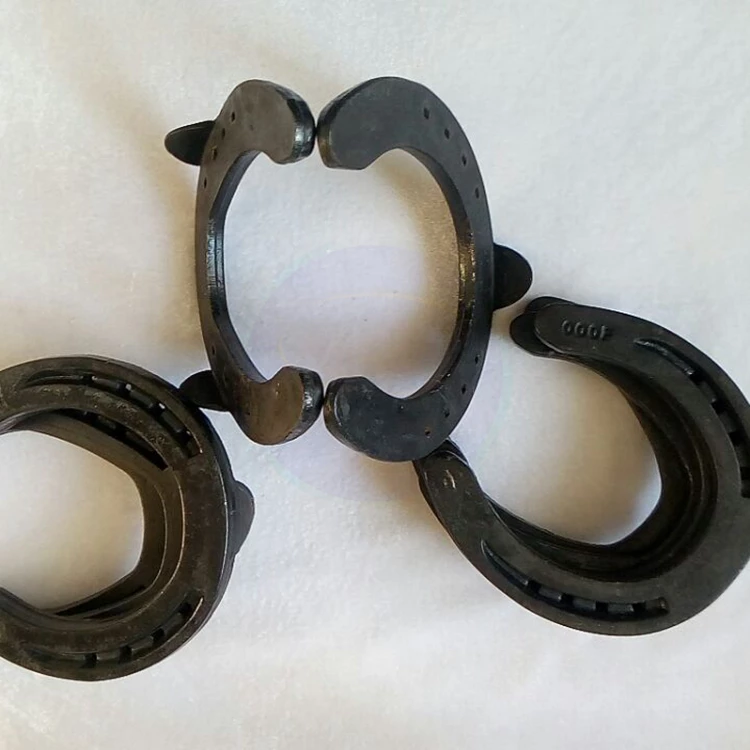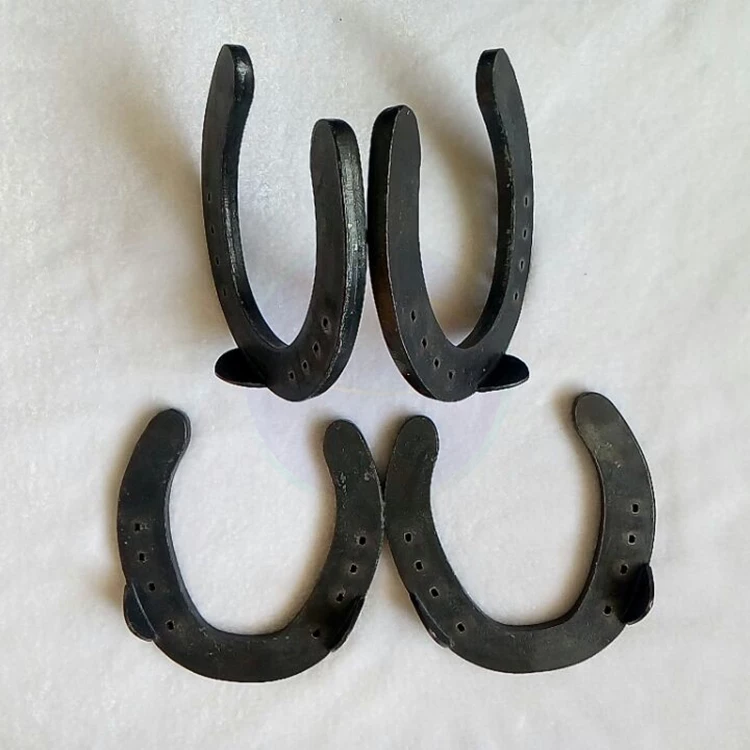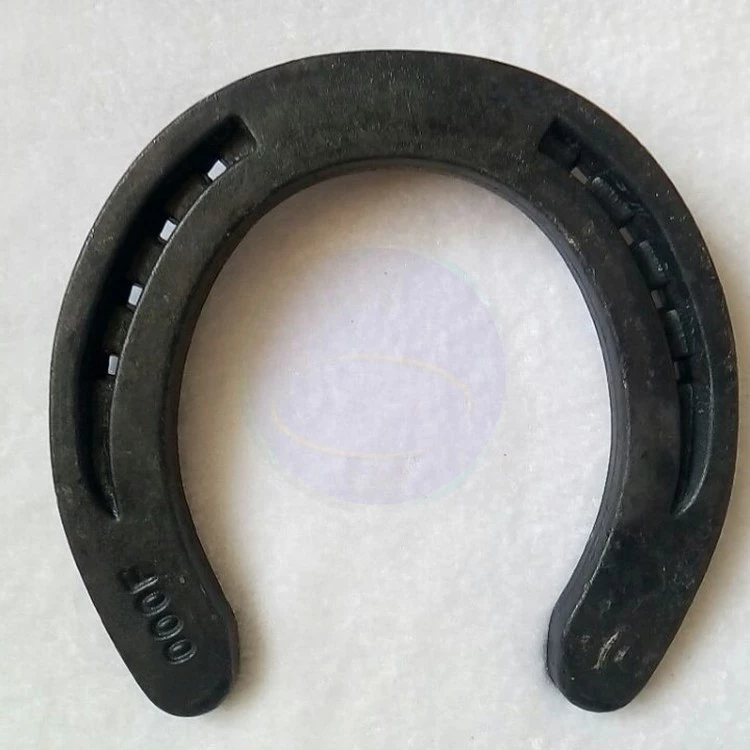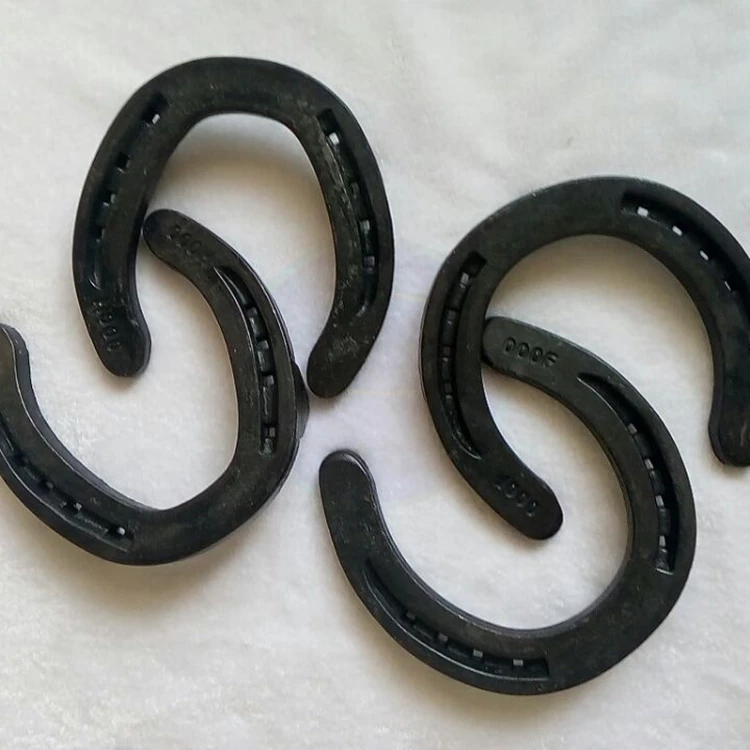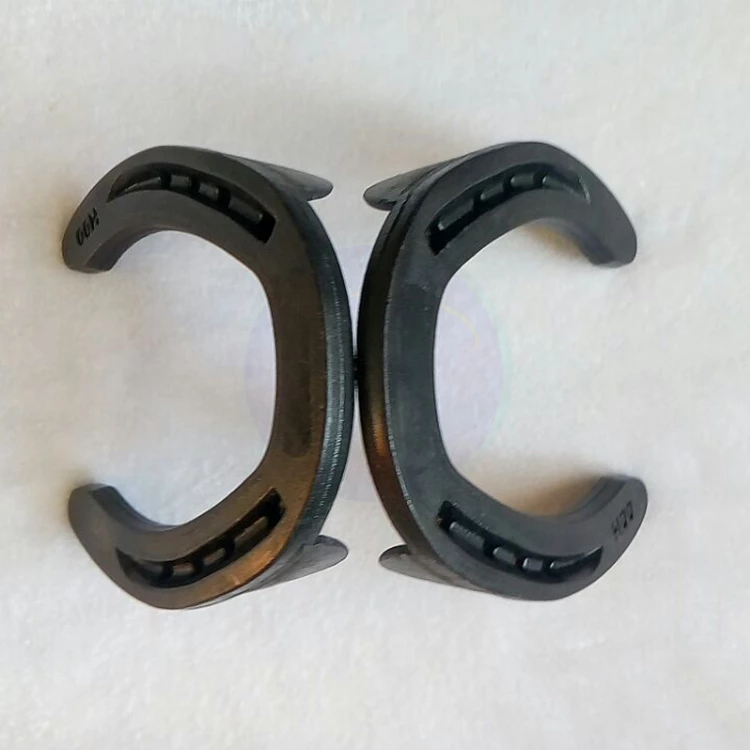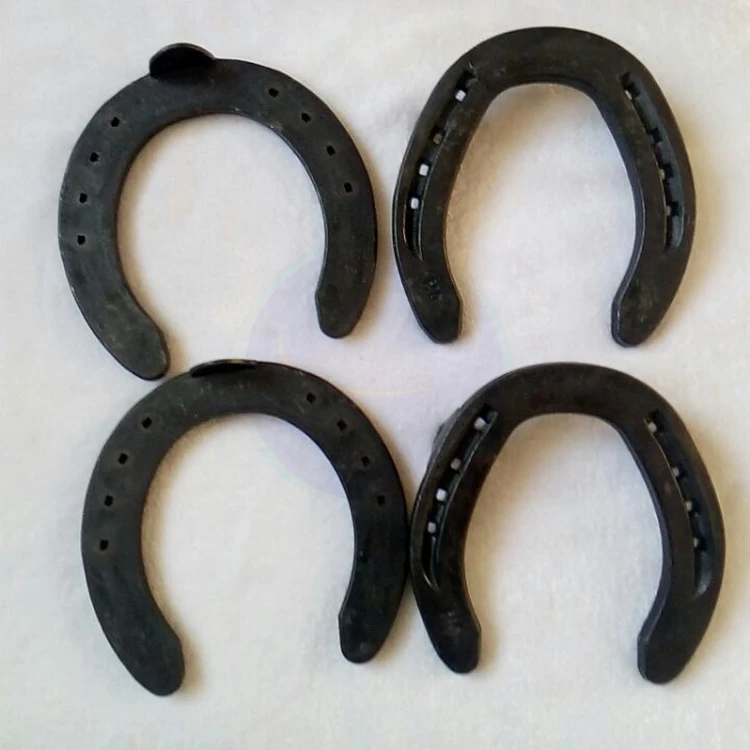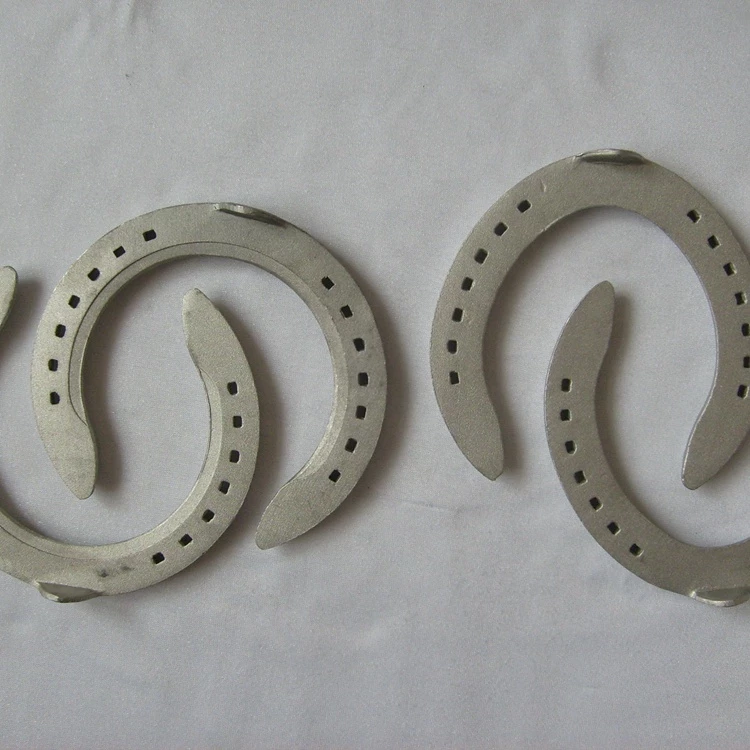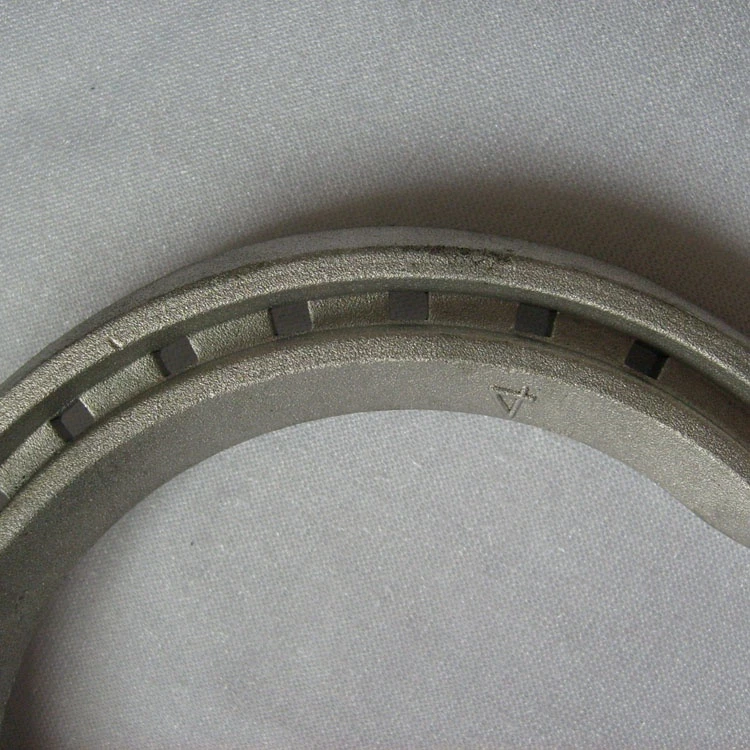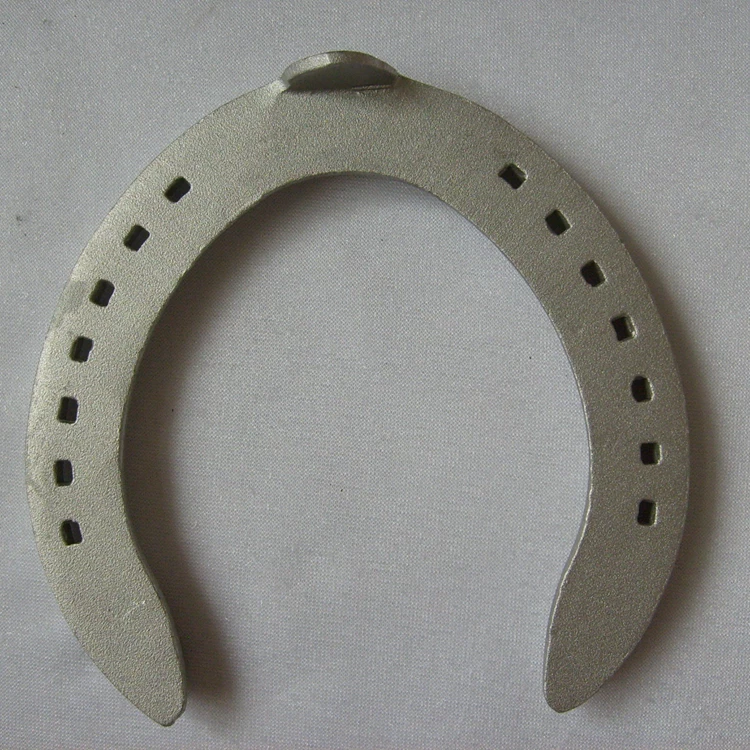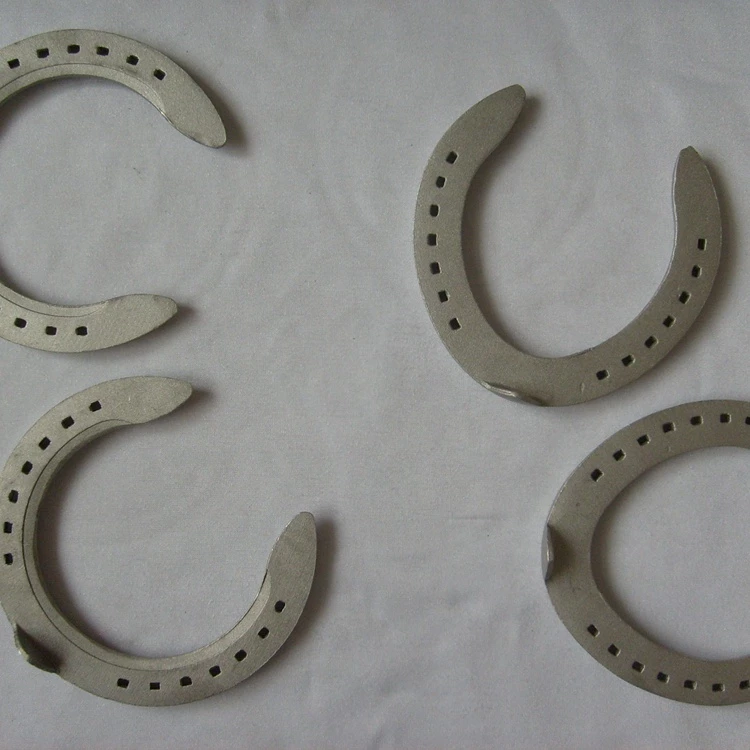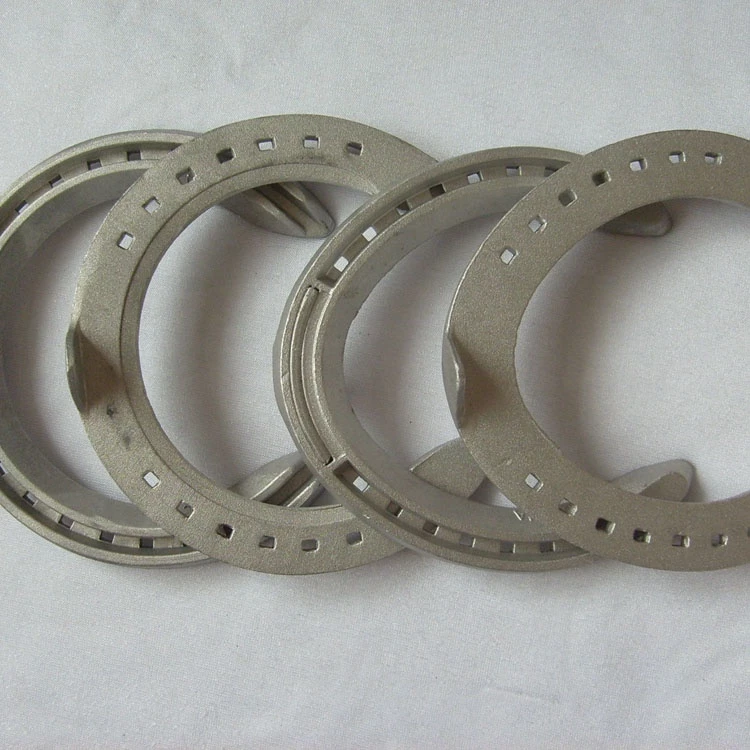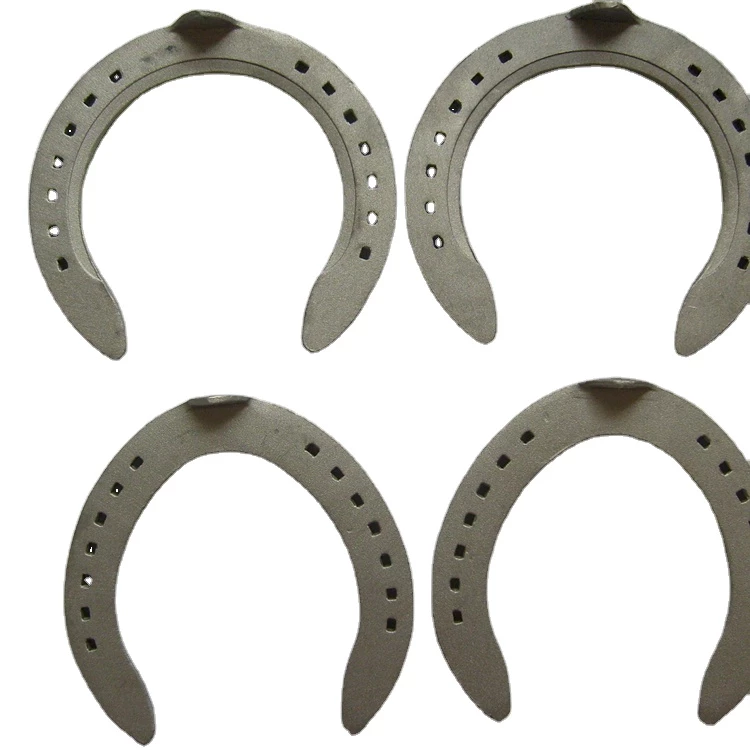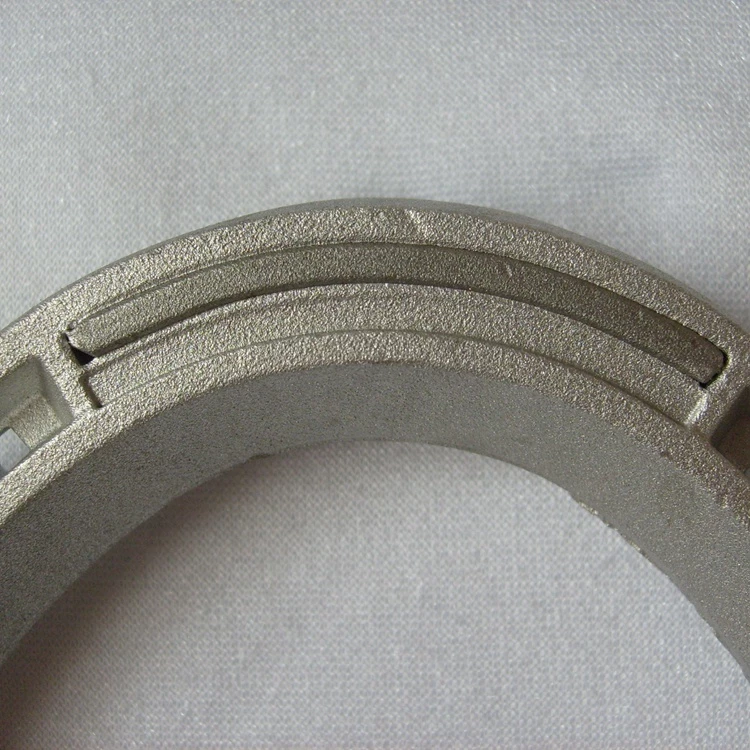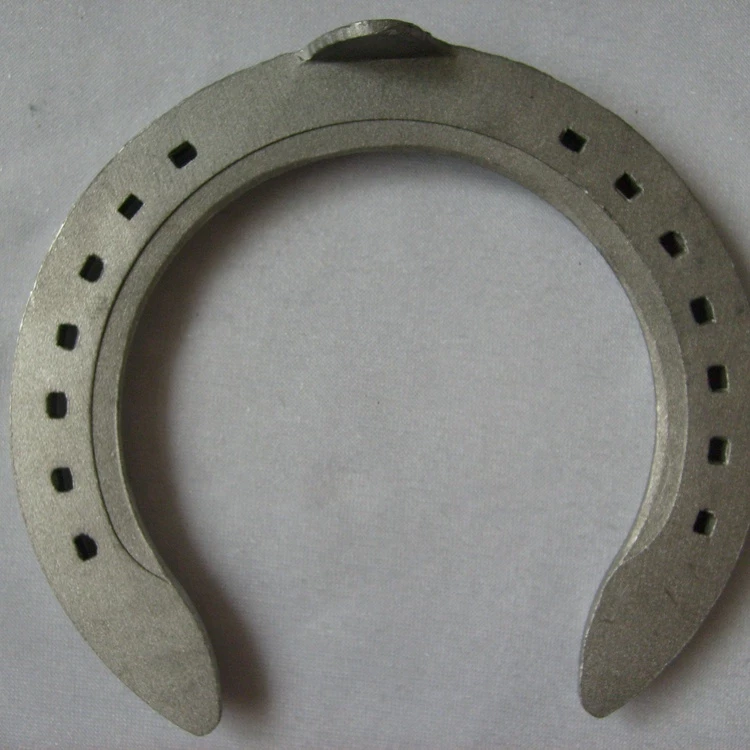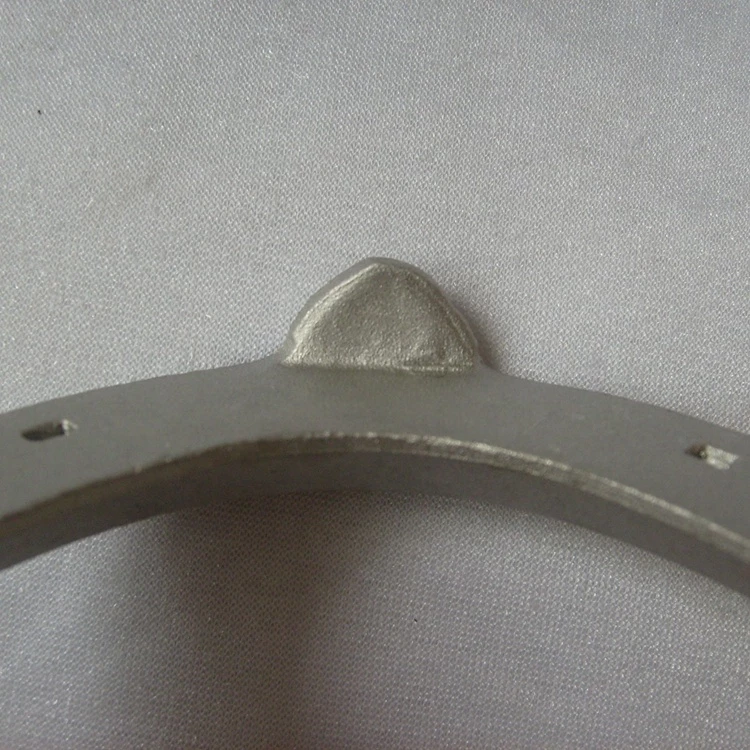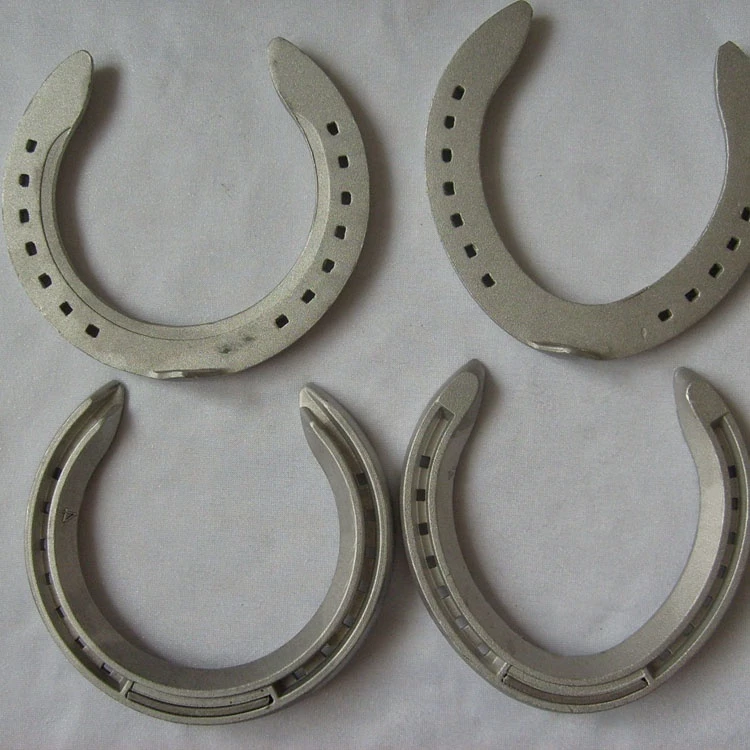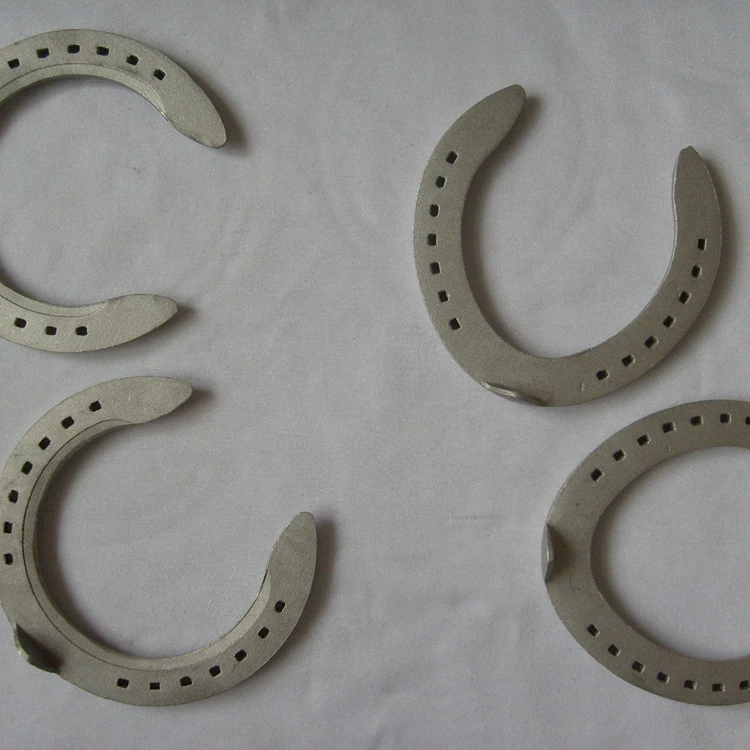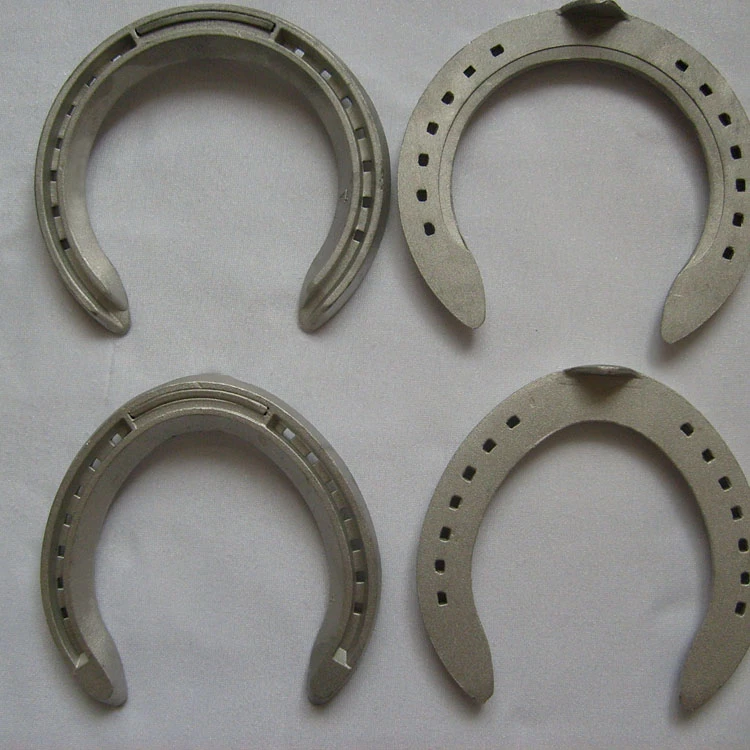

Horseshoe forging is the process of shaping metal into durable horseshoes using heat and force. This method, one of the oldest metalworking techniques, involves deforming metals like steel or aluminum with tools such as hammers and presses. The primary goal is to create horseshoes that protect a horse's hooves while enhancing their performance on various terrains.
Precision plays a vital role in this craft. You must ensure every horseshoe fits perfectly and withstands the stresses of daily use. Skilled craftsmanship transforms raw materials into functional, high-quality products through careful shaping, punching, and finishing.
Key Takeaways
-
Horseshoe forging uses heat and pressure to make strong shoes for horses.
-
Steel is strong and best for horseshoes, while aluminum is light and good for special needs.
-
Heating metal evenly is important to shape it without making it weak.
-
Check each horseshoe for cracks and size to keep horses comfy and safe.
-
Make horseshoes fit the horse’s needs to help them perform well and stay safe on different grounds.
Materials and Tools for Horseshoe Forging
Common Materials Used
Steel (e.g., Q235, Q195)
Steel is one of the most commonly used materials in horseshoe forging. Low-carbon mild steel, such as Q235 and Q195, offers excellent durability and wear resistance. It is also easy to forge, making it a preferred choice for creating strong and long-lasting horseshoes. Steel horseshoes provide superior wear resistance, making them ideal for horses working on rough terrains. However, their heavier weight may increase strain on the horse's legs.
Aluminum
Aluminum is another popular material for horseshoes. It is lightweight and resistant to corrosion, which makes it suitable for therapeutic purposes. Aluminum horseshoes reduce strain on the horse's legs, making them a great option for horses recovering from injuries. However, they tend to wear out faster than steel shoes, especially on hard surfaces.
Other Alloys
Specialized alloys, such as razer tempered tool steel, combine the benefits of both steel and aluminum. These alloys offer flexibility, durability, and reduced weight. For example, razer tempered tool steel is nearly half the weight of traditional steel shoes while maintaining excellent strength and wear resistance. This makes it a versatile choice for horses requiring both durability and comfort.
|
Material |
Properties |
|---|---|
|
Low Carbon Mild Steel |
Durable, resistant to wear, easily forged |
|
Aluminum |
Lightweight, resistant to corrosion |
Essential Tools for Forging
Forge
The forge is a critical tool in horseshoe forging. It heats the metal until it becomes soft enough to shape. Propane forges are commonly used due to their efficiency and ability to maintain consistent heat. Proper heating ensures the material can be shaped without cracking or losing its strength.
Hammer
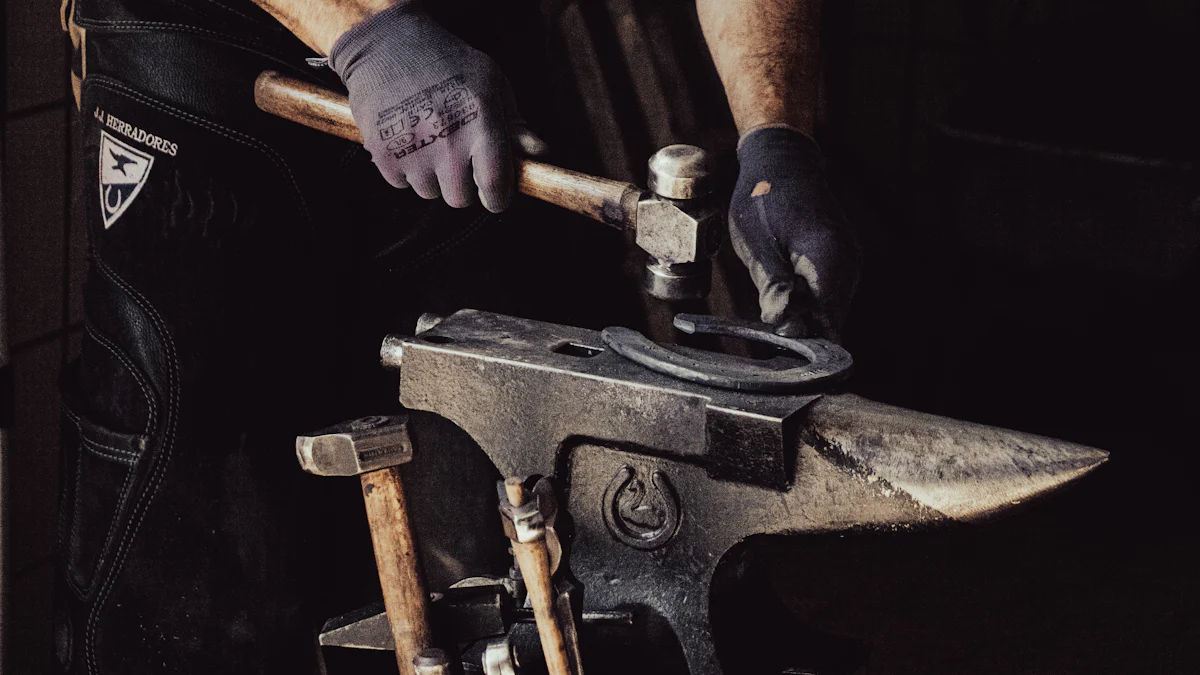
You use a hammer to shape the heated metal on the anvil. Different types of hammers, such as rounding or cross-peen hammers, allow you to create precise shapes and features in the horseshoe.
Anvil
The anvil serves as the work surface where you shape the horseshoe. Its flat and sturdy surface provides the necessary support for hammering and bending the metal.
Tongs
Tongs are essential for holding and maneuvering the hot horseshoe during the forging process. They provide a secure grip, ensuring safety and precision while working with heated materials.
Specialized Tools (e.g., Rasps, Knives)
Specialized tools like rasps and knives help refine the horseshoe after forging. Rasps smooth the edges, while knives clean and shape the sole and rim of the horse's hoof. These tools ensure the horseshoe fits perfectly and functions effectively.
Tip: Always keep water nearby during forging. It helps cool the tongs and control the heat in the metal, making shaping and bending easier.
Step-by-Step Horseshoe Forging Process
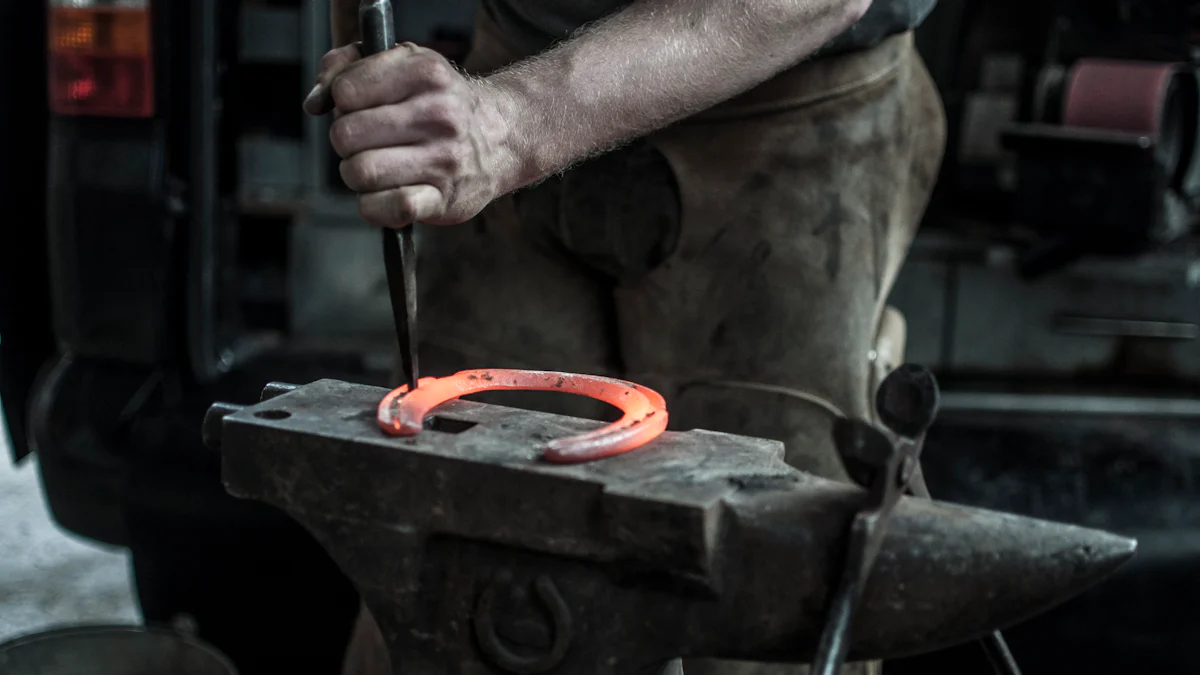
Preparing the Materials
Selecting and cutting the material
The first step in horseshoe forging involves selecting the right material. You should choose a material like Q235 or Q195 steel for its durability and ease of shaping. Once selected, cut the material into appropriate lengths. This ensures you have manageable pieces to work with during the forging process. Precision in cutting is essential, as it directly impacts the final shape and size of the horseshoe.
Heating the Material
Setting up the forge
Before heating the material, set up your forge properly. Ensure it is clean and free of debris. A propane forge is an excellent choice because it provides consistent heat. Adjust the flame to achieve the desired temperature range for the material you are working with.
Heating to the correct temperature
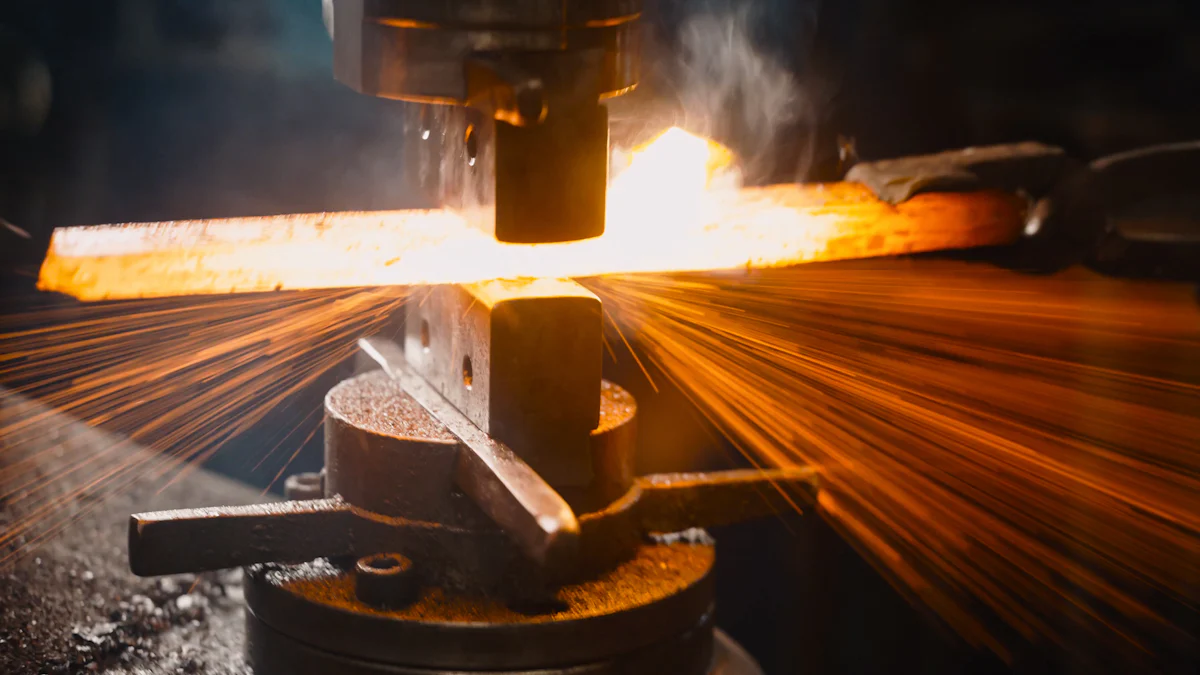
Heat the material until it becomes malleable. For steel, this typically means reaching temperatures between 1,900°F and 2,000°F (1038°C to 1093°C). Proper temperature control is critical. If the material overheats, it may lose its structural integrity. Underheating, on the other hand, makes shaping difficult and increases the risk of cracking. Heating creates a pliable surface, allowing you to shape the horseshoe effectively.
Note: Always monitor the color of the heated metal. A bright orange or yellow hue indicates the material is ready for forging.
Shaping the Horseshoe
Hammering and shaping the bar stock
Once the material is heated, place it on the anvil. Use a hammer to shape the bar stock into the desired horseshoe form. Drop forging is a common technique for this step. It involves bending the metal and forcing it into a die using a powered hammer. This method ensures uniformity and precision in the horseshoe's shape.
Creating nail holes and other features
After shaping, focus on creating nail holes. These holes are essential for securing the horseshoe to the horse's hoof. Use a forepunch to create the initial hole for the nail head. Then, employ a drift to shape the hole just below the nail head. Finally, use a pritchel to punch the hole through the shoe. Typically, each horseshoe requires eight nail holes. While the shoe is still hot, use a trim press to remove any excess material. This step ensures the horseshoe meets strict dimensional tolerances and is free of defects.
Tip: Inspect the nail holes carefully. Properly aligned and clean holes prevent issues like missing nails or burrs, ensuring the horseshoe functions effectively.
Cooling and Finishing
Quenching the horseshoe
After shaping the horseshoe, you need to cool it down quickly to lock in its strength and durability. This process, called quenching, involves immersing the hot horseshoe into a cooling medium like water or oil. Water quenching is common for materials like Q235 or Q195 steel. It rapidly reduces the temperature, hardening the metal and ensuring it retains its shape. You should lower the horseshoe into the quenching medium gradually to avoid warping or cracking. Always monitor the cooling process closely to maintain the structural integrity of the horseshoe.
Tip: Use clean water or oil for quenching. Contaminants can affect the cooling rate and compromise the quality of the horseshoe.
Filing and smoothing edges
Once the horseshoe cools, you must refine its edges. Use a rasp or file to smooth out any rough or sharp areas. This step ensures the horseshoe is safe for the horse and prevents injuries to its hooves. Pay close attention to the edges around the nail holes and the outer rim. Filing also helps remove any burrs or excess material left from the forging process. A smooth finish not only improves the horseshoe's appearance but also enhances its functionality.
Note: Consistent filing ensures the horseshoe fits snugly without causing discomfort to the horse.
Final adjustments for fit and function
The final step in horseshoe forging involves making precise adjustments to ensure the shoe fits perfectly. Place the horseshoe on a template or measure it against the horse's hoof dimensions. Use a hammer or specialized tools to make minor tweaks to the shape. Check the alignment of the nail holes and the balance of the horseshoe. Proper alignment ensures the shoe distributes weight evenly, reducing strain on the horse's legs. Once satisfied, inspect the horseshoe one last time to confirm it meets all quality standards.
Reminder: A well-fitted horseshoe enhances the horse's performance and protects its hooves from wear and tear.
Techniques and Best Practices in Horseshoe Forging
Forging Techniques
Hot forging vs. cold forging
Hot forging and cold forging differ primarily in the temperature at which the process occurs. Hot forging takes place above the metal’s recrystallization point. This high temperature makes the metal more malleable, allowing you to shape it with ease. It also enhances the tensile strength and structural integrity of the final product. Cold forging, on the other hand, happens at or near room temperature. While it produces a smoother surface finish, it requires more force and is less suitable for materials like steel used in horseshoe forging.
For horseshoes, hot forging is the preferred method. The process ensures the metal achieves the strength and durability needed to withstand the demands of equine activity. It also eliminates defects like porosity and voids, resulting in a more reliable product.
Benefits of hot forging for horseshoes
Hot forging offers several advantages that make it ideal for horseshoe manufacturing:
|
Benefit |
Description |
|---|---|
|
Enhanced Durability |
Eliminates defects like porosity and voids, ensuring the horseshoe withstands extreme stress. |
|
Improved Wear Resistance |
Creates a uniform grain structure, enhancing the horseshoe’s ability to resist wear. |
|
Proven Reliability |
Produces components free from cavities and shrinkage, making them tougher than cast alternatives. |
Additionally, hot forging refines the grain flow of the metal, contributing to exceptional impact and shear strength. This seamless grain structure ensures the horseshoe performs reliably under various conditions.
Best Practices for Quality

Maintaining consistent heat
Consistent heat is crucial during horseshoe forging. Uneven heating can lead to weak spots or cracks in the metal. You should monitor the forge temperature closely and adjust it as needed. A propane forge is an excellent choice for maintaining steady heat levels. Always aim for a bright orange or yellow hue in the metal, as this indicates it is ready for shaping.
Avoiding overworking the material
Overworking the metal can weaken its structure. You should avoid excessive hammering or reheating, as this may cause the material to lose its strength. Instead, focus on precise and deliberate shaping. Drop forging, where the bar is bent and forced into a die, is an efficient method that minimizes unnecessary stress on the material.
Ensuring proper alignment and balance
Proper alignment and balance are essential for a functional horseshoe. Misaligned nail holes or uneven edges can cause discomfort for the horse. Use a template or measure the horseshoe against the hoof dimensions to ensure accuracy. Regularly inspect the shoe during the forging process to confirm it meets dimensional tolerances and quality standards.
Tip: Automating certain steps, like punching nail holes, can improve efficiency and consistency in production.
Quality Control in Horseshoe Forging
Inspection Methods
Checking for cracks or defects
You must inspect every horseshoe for cracks or defects before it leaves the production line. Cracks can weaken the horseshoe and compromise its durability. Use visual inspection to identify surface flaws. For deeper defects, rely on advanced methods like magnetic particle testing or ultrasonic testing. These techniques help you detect hidden imperfections that could affect the horseshoe's performance.
Tip: Always inspect the horseshoe after quenching. Rapid cooling can sometimes cause cracks or warping.
Ensuring proper dimensions and fit
Accurate dimensions are critical for a functional horseshoe. Measure the horseshoe against a template or use calipers to confirm its size. Check the alignment of nail holes and the overall shape. A well-fitted horseshoe ensures the horse's comfort and prevents injuries. Consistent measurements also maintain quality across batches, especially in factory settings.
Testing Durability
Stress testing the horseshoe
Durability testing ensures the horseshoe can withstand the stresses of daily use. Apply mechanical stress to simulate real-world conditions. Use a press or impact tester to evaluate the horseshoe's ability to handle weight and force. This step helps you identify weak points and improve the design if necessary.
Verifying material strength
Material strength plays a vital role in the horseshoe's performance. Conduct tensile strength tests to measure the material's resistance to pulling forces. For steel horseshoes, hardness tests like the Rockwell or Brinell method can confirm the metal's toughness. These tests ensure the horseshoe meets the required standards for strength and reliability.
Ensuring Functionality
Confirming usability for different terrains
Horseshoes must perform well on various terrains, from soft soil to rocky paths. Test the horseshoe's grip and wear resistance under different conditions. For example, simulate walking on gravel or mud to evaluate its traction. This step ensures the horseshoe provides stability and safety for the horse.
Adjusting for specific horse needs
Every horse has unique requirements. Some may need therapeutic horseshoes, while others require shoes for high-performance activities. Customize the horseshoe's design to meet these needs. For instance, adjust the thickness or add traction features for horses working on slippery surfaces. Tailoring the horseshoe enhances its functionality and ensures the horse's well-being.
Reminder: Always consult with a farrier or veterinarian when designing specialized horseshoes. Their expertise ensures the shoe meets the horse's specific needs.
Horseshoe forging involves several precise steps to create durable and functional horseshoes. First, you cut and bend the metal to prepare it for shaping. Next, you use drop forging to mold the heated bar into the desired form with a powered hammer. Finally, you complete finishing operations like punching nail holes, trimming excess material, and cooling the shoe. High-quality materials, reliable tools, and proper techniques ensure the horseshoe meets performance standards. Your craftsmanship transforms raw metal into a product that protects and enhances a horse's performance.
FAQ
What is the best material for horseshoe forging?
Steel, especially low-carbon types like Q235 or Q195, works best for horseshoes. It offers durability, wear resistance, and ease of shaping. Aluminum is another option for lightweight needs, but steel remains the top choice for strength and longevity.
Why is hot forging preferred over cold forging for horseshoes?
Hot forging makes the metal malleable, allowing you to shape it easily. It also improves the horseshoe's strength and wear resistance. Cold forging requires more force and is less effective for materials like steel, which are commonly used in horseshoe manufacturing.
How do you ensure a horseshoe fits properly?
Use a template or measure the horseshoe against the horse's hoof dimensions. Adjust the shape with a hammer or specialized tools. Proper alignment of nail holes and balance ensures the shoe fits snugly and distributes weight evenly.
What tools are essential for horseshoe forging?
You need a forge, hammer, anvil, and tongs. Specialized tools like rasps and knives help refine the horseshoe after forging. These tools ensure precision and safety during the manufacturing process.
How do you test the durability of a horseshoe?
Apply stress tests to simulate real-world conditions. Use impact testers or presses to evaluate the horseshoe's ability to handle weight and force. Conduct material strength tests, like tensile or hardness testing, to confirm its reliability.