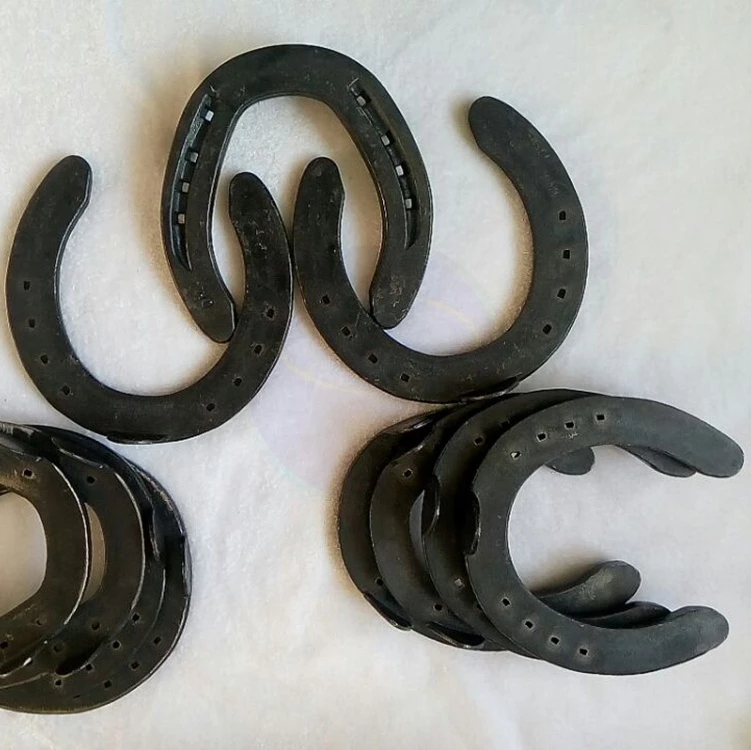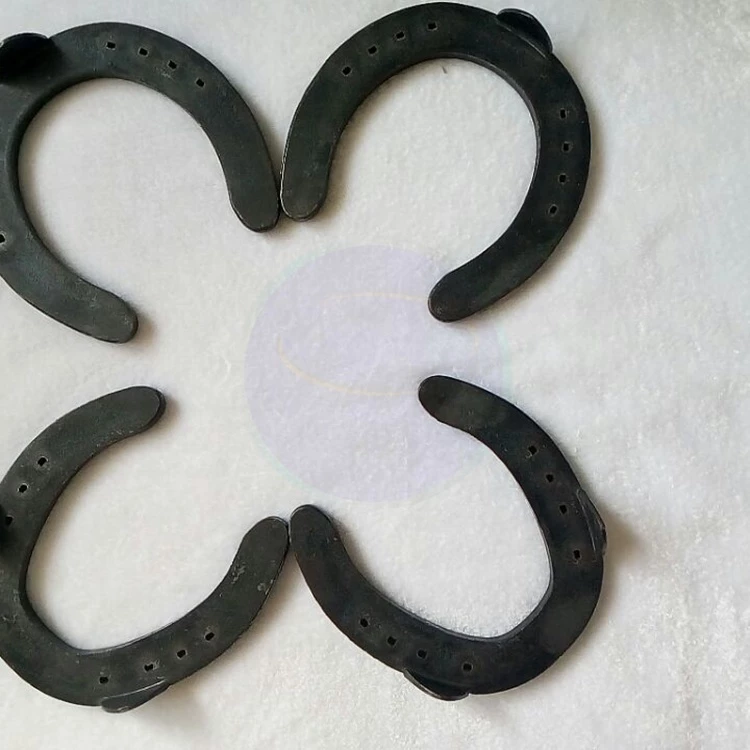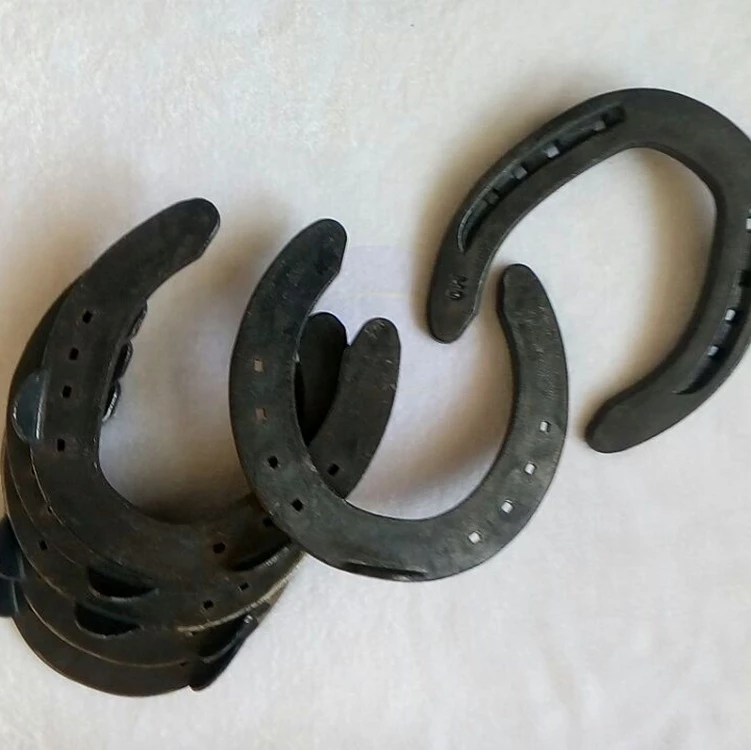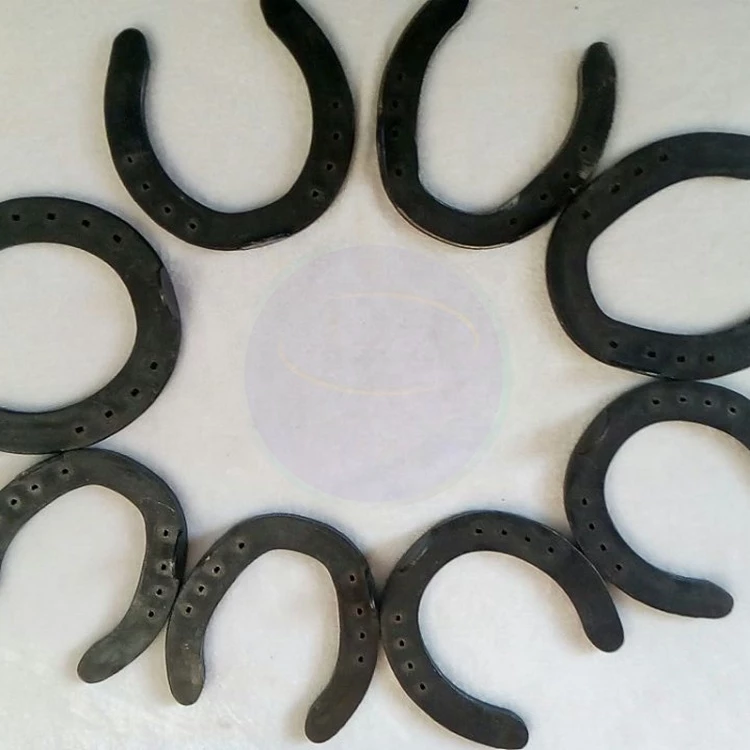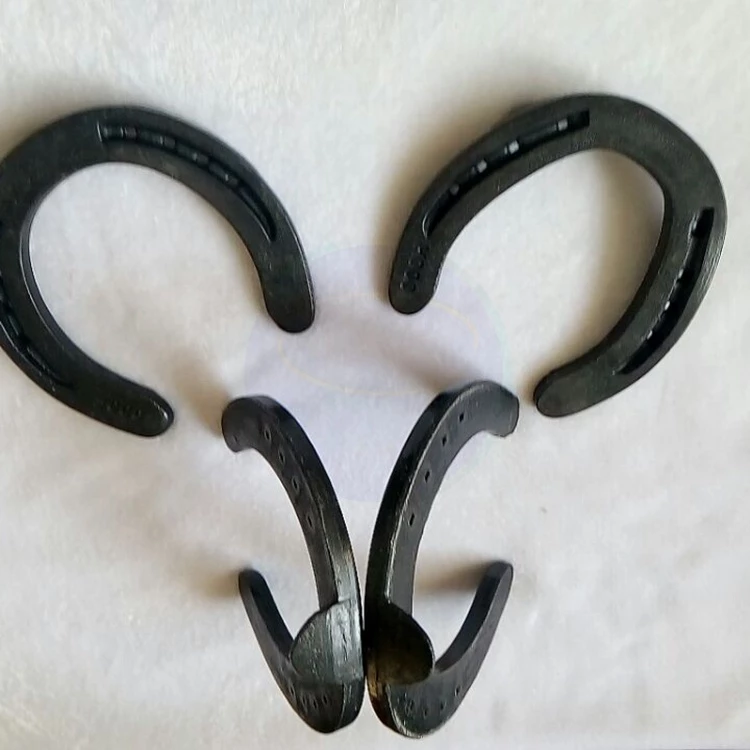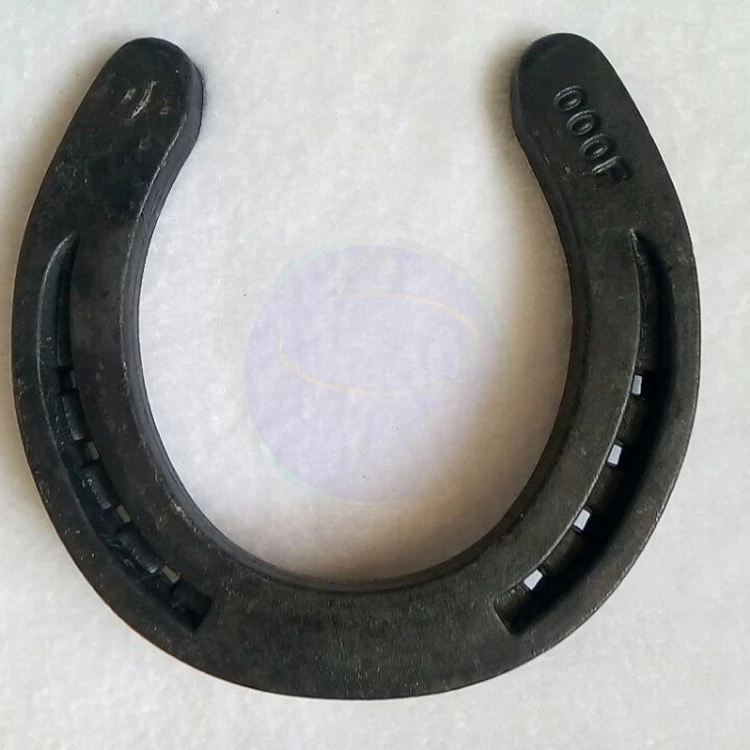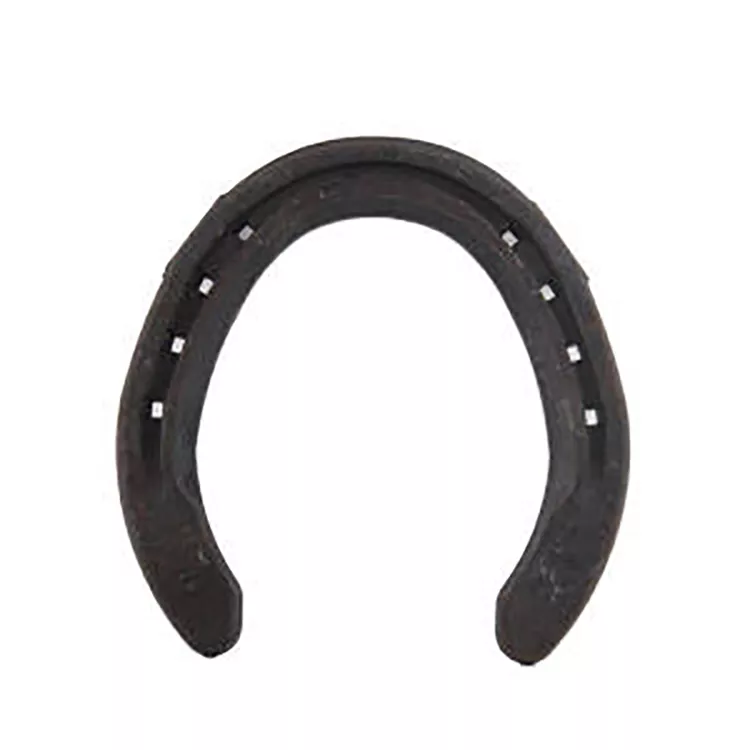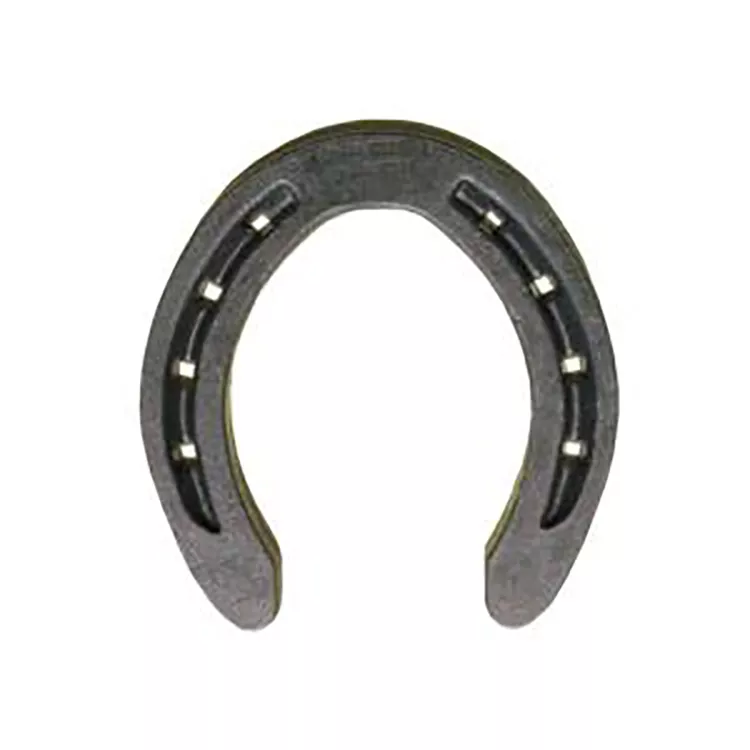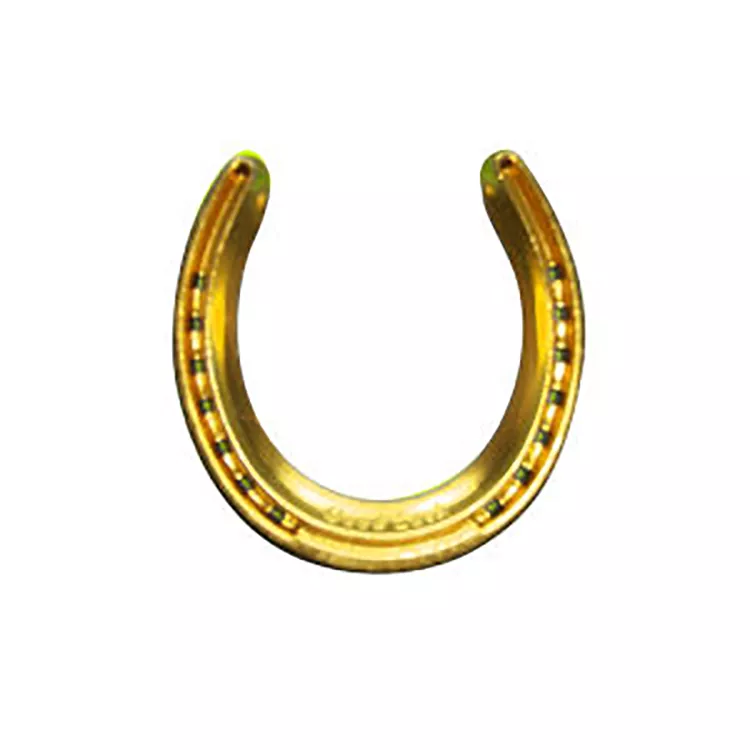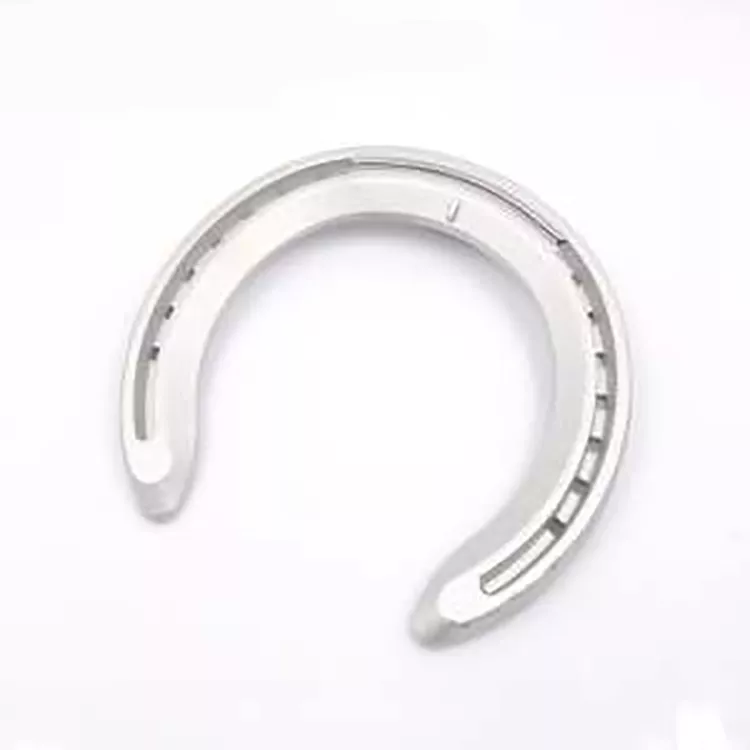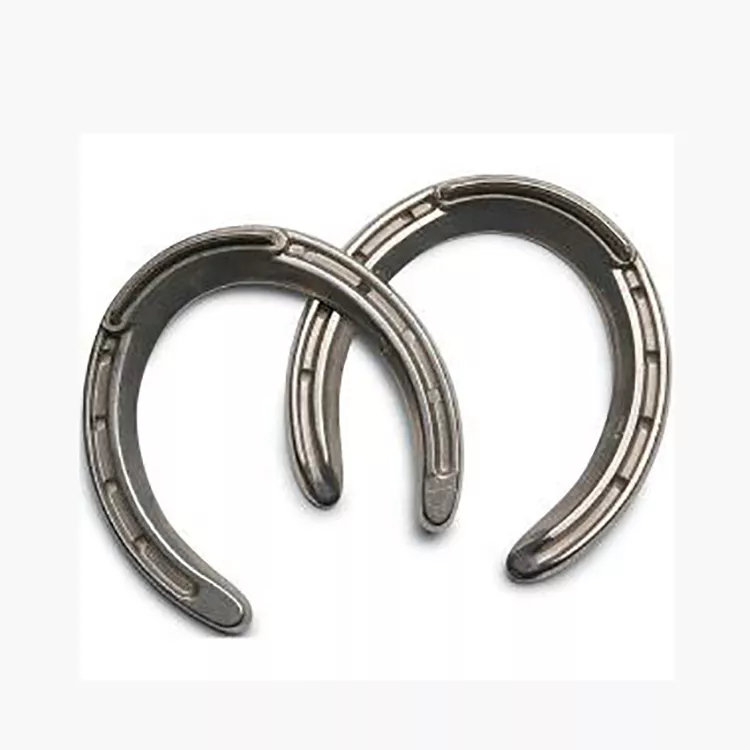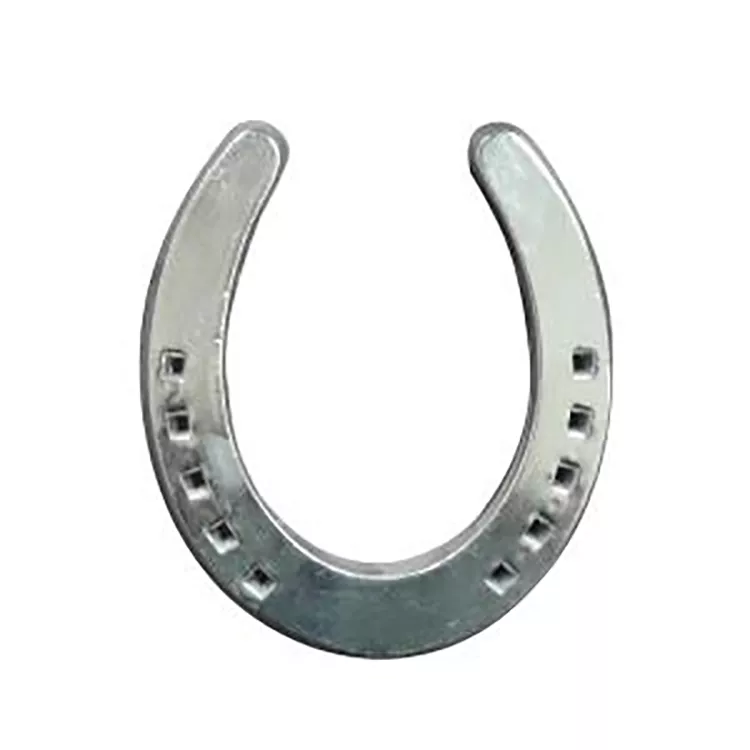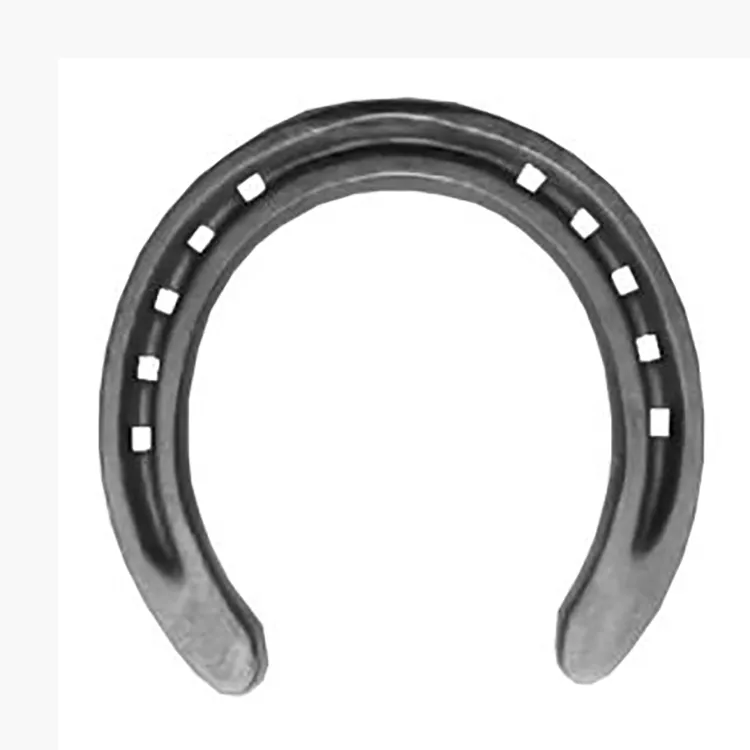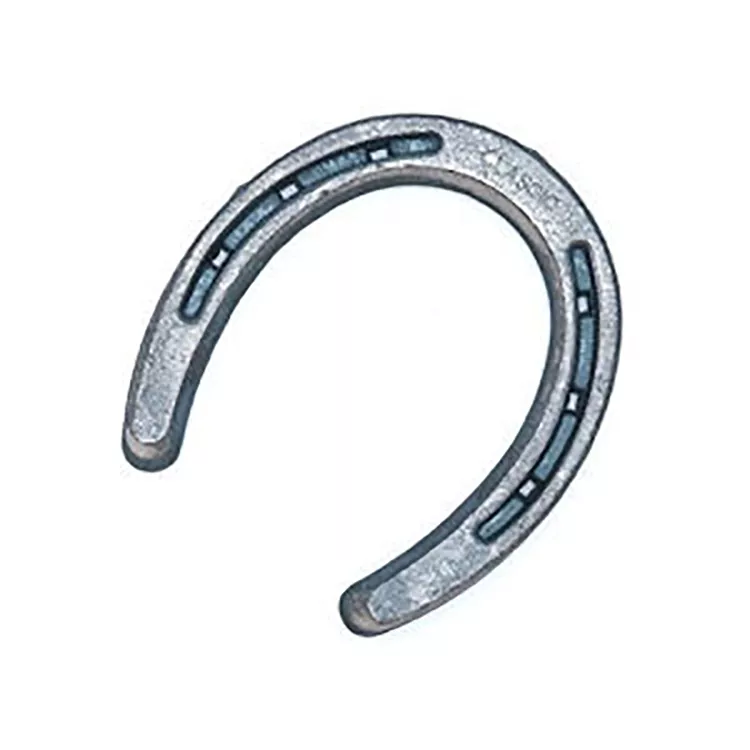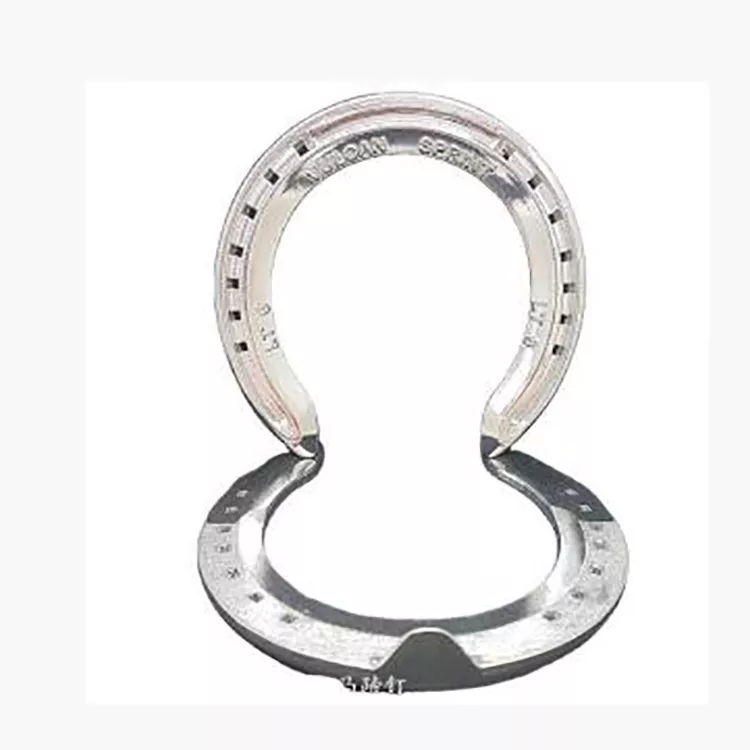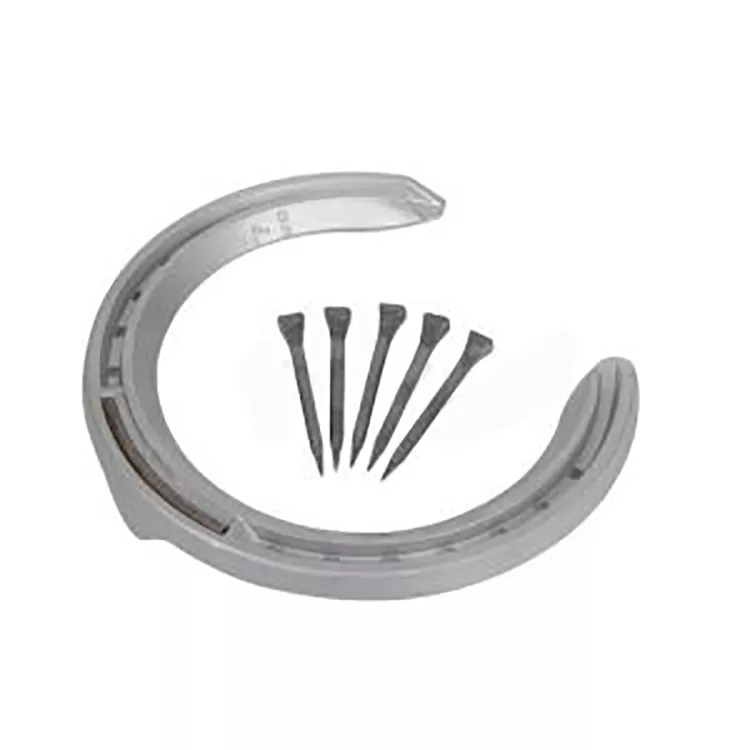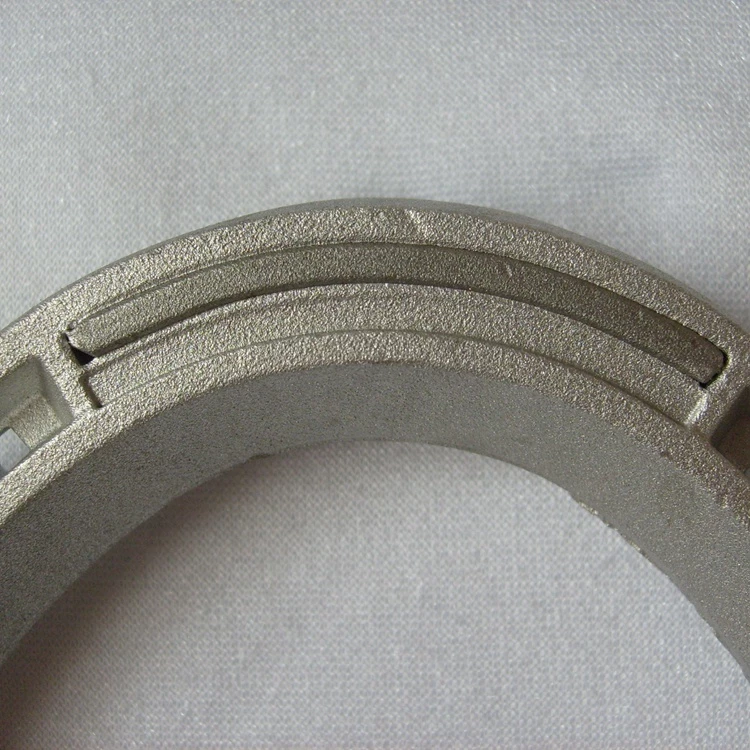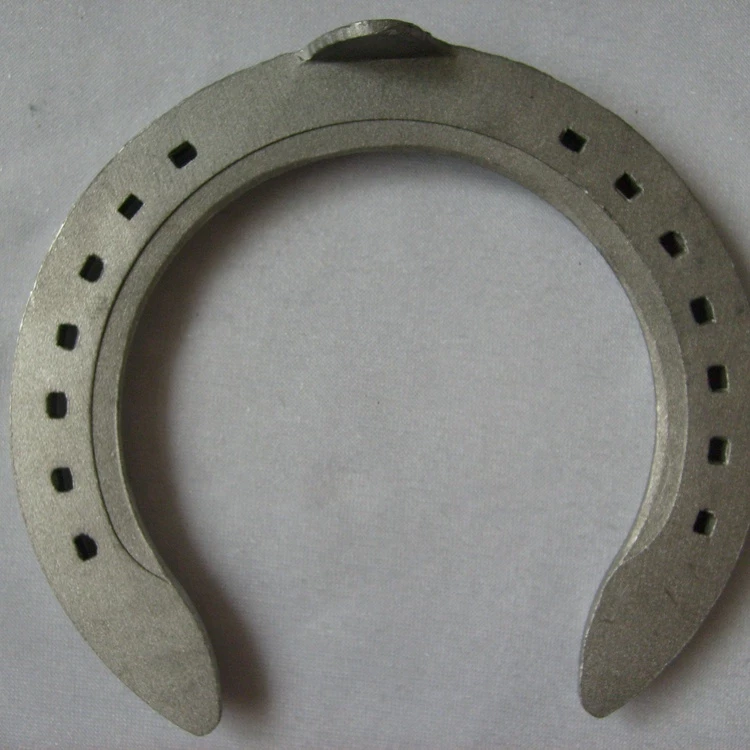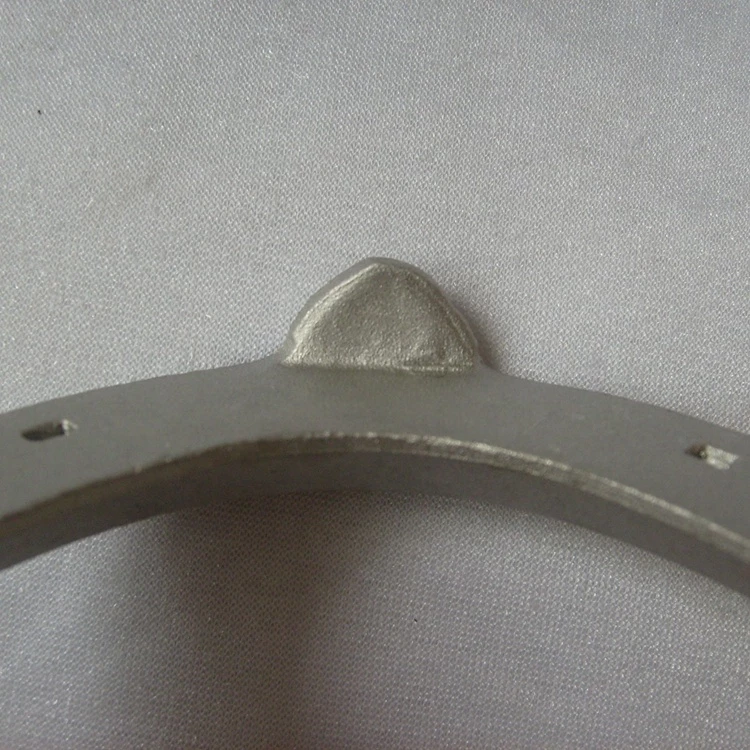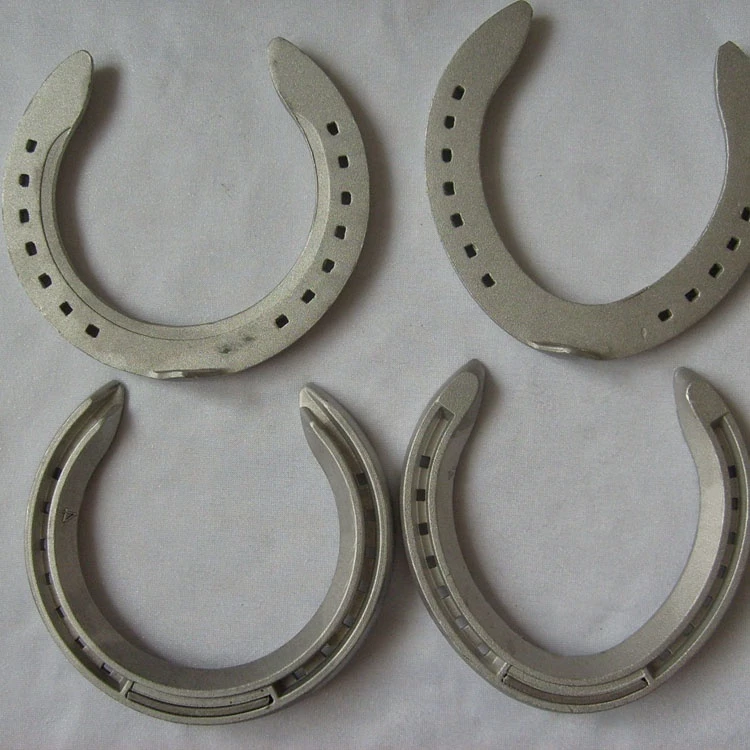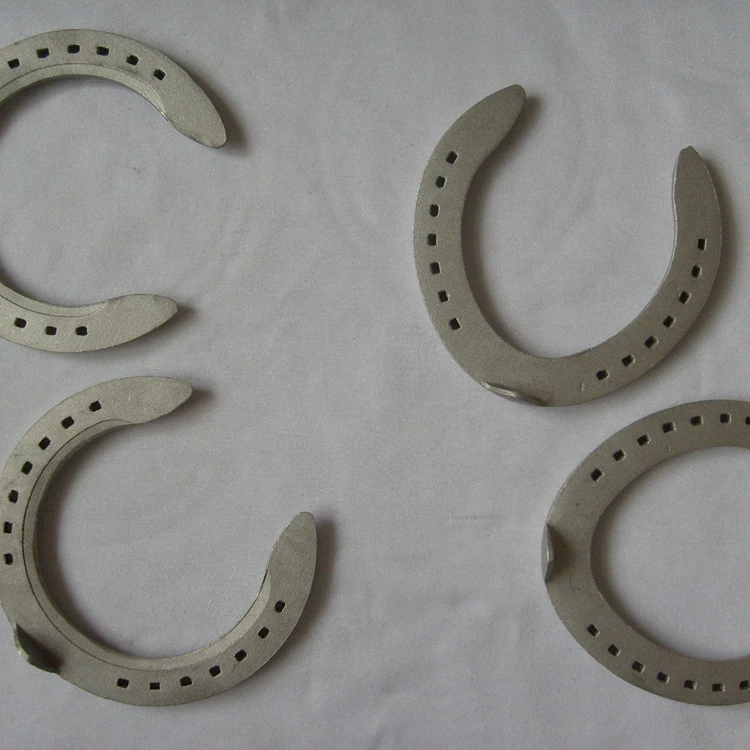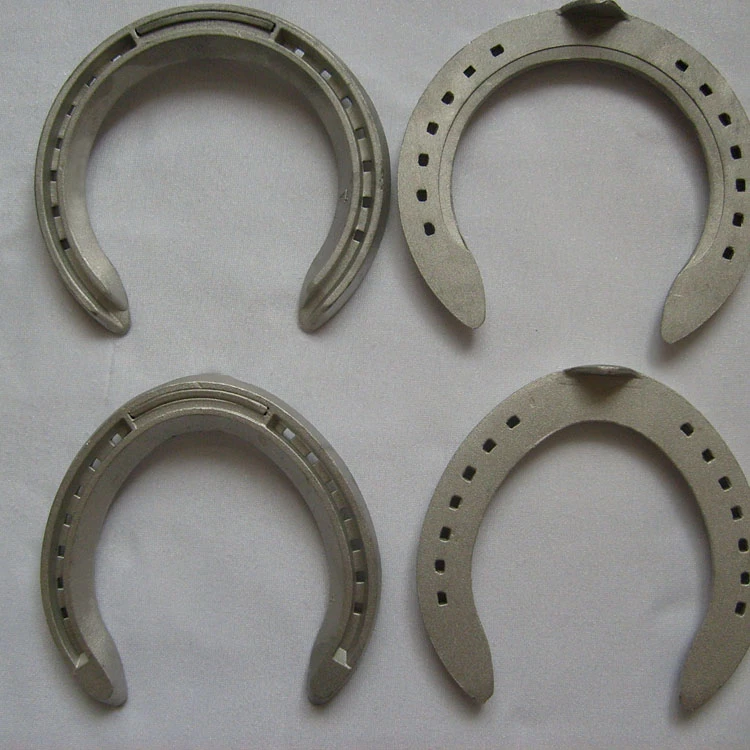

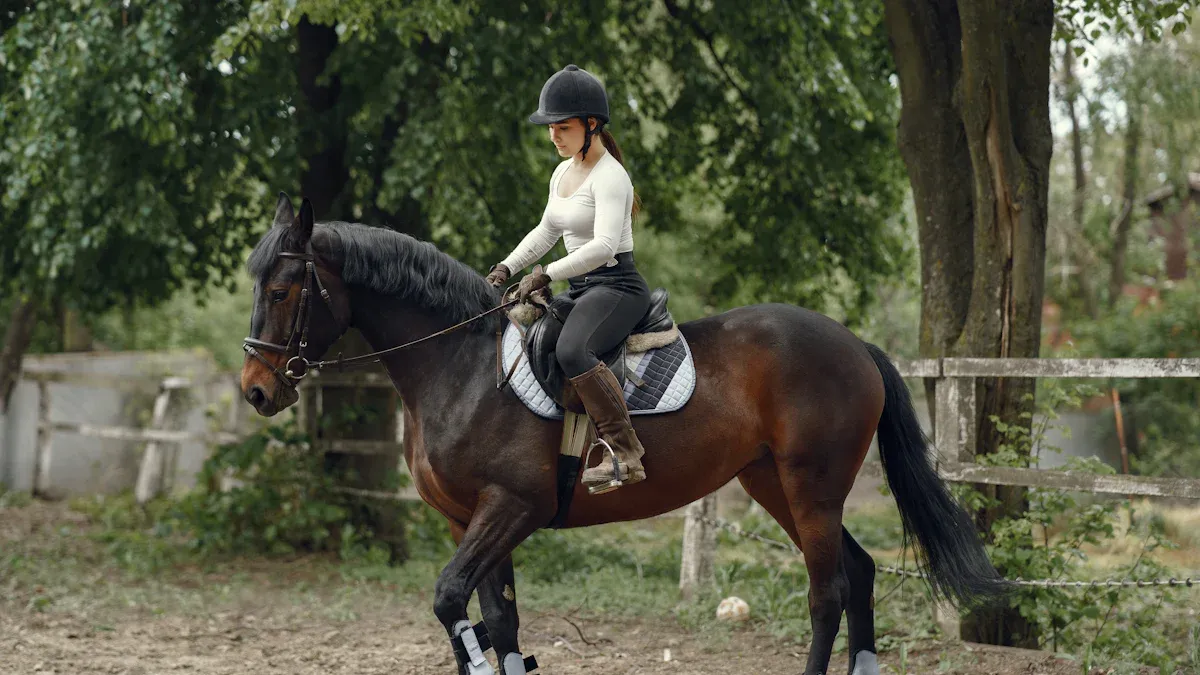
Choosing the right horseshoe material helps your horse perform well. The optimal steel alloy is strong but also flexible. This helps the shoe handle dressage or show jumping tasks. A bad choice can cause pain, less grip, or injuries. Knowing about different alloys can keep your horse healthy. It also helps your horse stay at its best. Picking the right material makes shoes last longer. This means fewer replacements and saves you time and money.
Key Takeaways
- Picking the right metal for horseshoes helps your horse perform better and stay safe.
- Stainless steel lasts long and doesn’t rust, great for dressage and jumping.
- Nickel steel bends easily and absorbs shocks, good for dressage moves.
- Tungsten steel is tough and grips well, needed for jumping events.
- Check and fix horseshoes often to avoid injuries and keep your horse comfy.
Why Steel Alloy Matters in Horseshoeing
Durability and flexibility of steel alloys
Steel alloys are important for horseshoes because they are strong and bendable. A tough horseshoe can handle daily activities like dressage or jumping. Flexibility helps the shoe move with your horse's hooves. This stops the shoe from cracking or breaking, which could hurt your horse.
Different materials have different levels of strength and flexibility. Steel is strong and works well for many activities, so it’s popular. Aluminum is lighter and bends more, making it great for racing horses. Here’s a simple comparison of common materials:
| Material | Advantages |
|---|---|
| Steel | Strong and durable; works for many horses and activities. |
| Aluminum | Light and bendable; helps racing horses move faster. |
| Copper | Fights germs; helps hooves grow healthy and prevents infections. |
| Rubber | Soft and supportive; good for sensitive hooves or healing. |
| Plastic | Light and easy to clean; good for light riding and flexible support. |
Picking the right steel alloy gives your horse the perfect mix of strength and flexibility.
Performance and safety benefits of the right steel alloy
The right steel alloy makes your horse safer and perform better. A good horseshoe grips the ground well, stopping slips on different surfaces. This is very helpful in show jumping, where horses need to land safely after jumps.
Good steel alloys also lower the chance of injuries. Bad shoes can press unevenly on hooves, causing pain or damage over time. Strong and flexible materials help your horse stay safe and perform their best.
Common problems caused by poor material choices
Using bad materials for horseshoes can cause many problems. Weak or cheap shoes might crack or break under pressure. This can hurt your horse and ruin their performance.
Bad materials also wear out fast, meaning you’ll need to replace them often. This costs more money and interrupts your horse’s training. Poor materials might not grip well, making it hard for your horse to stay steady on slippery or rough ground.
By learning about steel alloys, you can avoid these problems. This keeps your horse healthy and performing well.
Key Differences Between Dressage and Show Jumping
Physical demands of dressage on horseshoes
Dressage needs careful and balanced movements. Horses do moves like turns, trots in place, and side steps. These moves need shoes that grip well and stay steady. The shoes also help with smooth changes between walking, trotting, and cantering.
In dressage, hooves feel steady pressure, not sudden hits. Shoes must spread weight evenly across the hoof. Uneven shoes can hurt or make the horse limp. Good steel alloy shoes help the horse move smoothly and confidently.
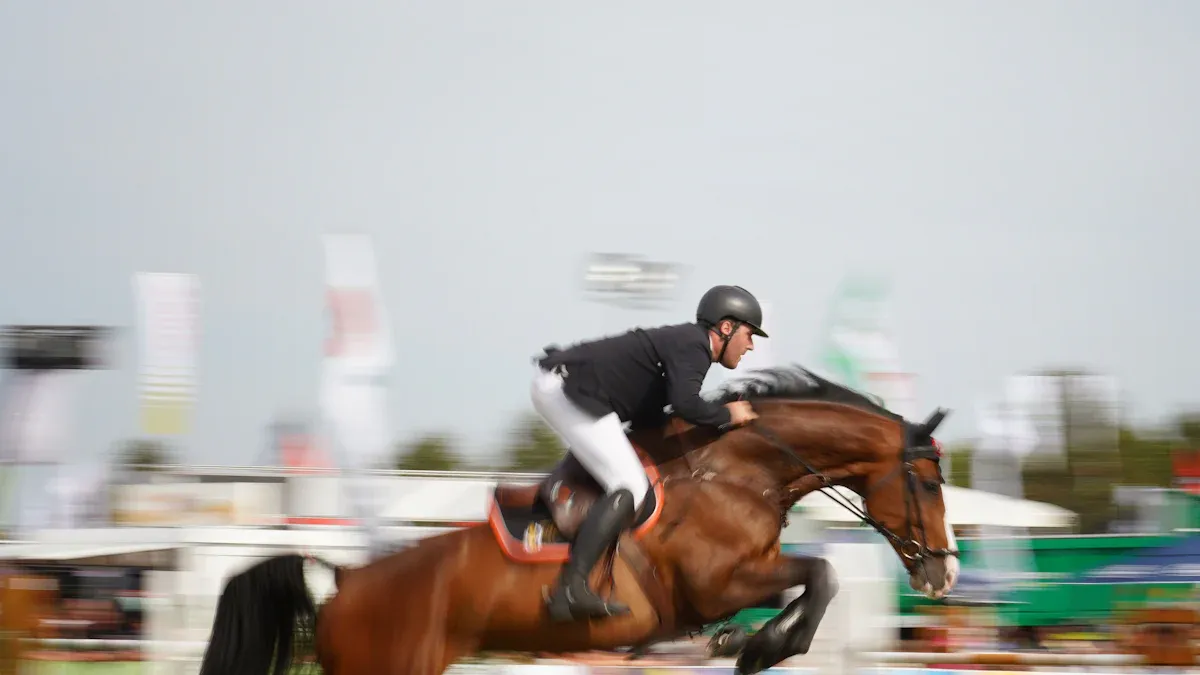
Jumping and landing forces in show jumping
Show jumping puts a lot of stress on horseshoes. When jumping, shoes must grip the ground to stop slipping. After landing, shoes take in strong impact forces. Weak materials wear out fast under this pressure.
Jumping needs tough, shock-absorbing shoes. Steel alloys mixed with tungsten or other hard metals work best. These shoes stay strong and handle repeated jumps. Without good shoes, horses can get hurt from bad landings or slipping.
Terrain and footing considerations for each discipline
Dressage and show jumping happen on different surfaces. Dressage arenas have smooth, even ground. These surfaces lower vibrations and keep hooves steady. Grooming the arena can make movements easier and safer.
Show jumping uses many surfaces like grass, sand, or fake turf. Each surface changes how shoes work. Grass can be slippery, so shoes with extra grip are needed. Sand gives better grip but wears shoes faster. Knowing these differences helps pick the best shoes for your horse’s sport.
Optimal Steel Alloy Options for Dressage
Traits of good steel alloys for dressage
Dressage horseshoes need to be strong, flexible, and balanced. These shoes must grip well to help with precise movements. They should spread weight evenly to avoid pain or discomfort.
The best steel alloy for dressage is tough but slightly bendable. This lets the shoe handle repeated movements without breaking or bending. It should also last long, even on smooth but rough surfaces.
The shoe must keep its shape over time. A strong steel alloy helps your horse perform well during practice and shows.
Benefits of stainless steel for dressage horseshoes
Stainless steel is a favorite for dressage because it’s strong and rust-free. It handles daily wear and tear while staying in good condition. Unlike other metals, it doesn’t rust, so it’s easy to care for.
Research shows stainless steel can change how hooves touch the ground. These shoes may improve balance and smoother moves during dressage. But they might add stress to the front of the hoof. Proper shoeing is important to avoid problems while boosting performance.
Using stainless steel gives your horse durable shoes that support movement and lower injury risks.
Why nickel steel works well for dressage
Nickel steel is another great choice for dressage horseshoes. It mixes steel’s strength with nickel’s flexibility, making it perfect for controlled moves. Nickel steel shoes don’t easily crack or bend, keeping your horse safe and comfy.
Nickel steel absorbs shocks, lowering hoof impact during trotting or cantering. It also grips smooth surfaces well, helping with stability in dressage arenas.
This alloy is lightweight, which reduces strain on your horse’s legs. Lighter shoes allow smoother and more graceful movements. Nickel steel is a smart pick for dressage fans.
Optimal Steel Alloy Options for Show Jumping
Key properties of steel alloys for jumping
Show jumping needs strong and reliable horseshoes. When horses jump, shoes must grip well to stop slipping. After landing, they absorb hard impacts to protect hooves and legs. Steel alloys are great because they are strong, durable, and absorb shocks.
The best steel alloys for jumping are tough and flexible. Tough shoes last longer and handle wear and tear. Flexible shoes adjust to the horse's movements and absorb shocks better. This balance keeps your horse safe and performing well.
Stainless steel for durability in show jumping
Stainless steel is a top choice for jumping horseshoes. It is strong and handles the stress of jumping and landing. It also resists rust, making it easy to care for during outdoor events.
Studies show stainless steel helps horses perform better in jumping. It changes how forces act on the ground, improving balance. It also helps joints move smoothly and absorbs impact on the front hooves.
| Findings | Description |
|---|---|
| Ground Reaction Forces | Stainless steel shifts forces for better balance. |
| Joint Mechanics | Small joint changes improve movement. |
| Mechanical Loading | Front hooves absorb impacts better. |
Choosing stainless steel gives your horse durable shoes that improve performance.
Advantages of tungsten steel for high-impact activities
Tungsten steel is another great option for jumping. It is one of the hardest metals, perfect for tough activities. Tungsten steel shoes stay strong under heavy pressure and last a long time.
These shoes also grip well on different surfaces. Whether on grass, sand, or turf, they keep your horse steady. They lower the chance of slipping, even on wet or uneven ground.
Tungsten steel spreads impact forces evenly. This protects your horse’s hooves and legs from injuries. While it costs more, its strength and benefits make it worth it for serious jumping events.
Factors to Think About When Picking a Steel Alloy
Weight and thickness of the horseshoe
The weight and thickness of a horseshoe affect how your horse moves. Heavy shoes give stability but can tire your horse’s legs. Lighter, thinner shoes are easier to wear but may not last long.
Experts test how weight and thickness change a horseshoe’s performance. These tests make sure the shoe supports your horse without causing pain. Here’s a simple chart of common tests:
| Test Type | What It Measures | Tools Used |
|---|---|---|
| Surface Strains | Checks forces inside the horseshoe. | Vibrating wire strain gauges |
| Radial Displacements | Looks at how the shoe bends under pressure. | LVDTs (Linear Variable Differential Transformers) |
| Joint Openings | Measures cracks or gaps in the shoe’s joints. | Vernier calipers |
| Bolt Strains | Tests stress on bolts from the shoe’s weight and thickness. | Electric resistance strain gauges |
When picking a steel alloy, think about weight and thickness. This helps balance strength and flexibility for your horse’s comfort.
Durability versus flexibility trade-offs
Durability and flexibility are important when choosing horseshoes. Durable shoes last longer and handle tough activities like jumping. Flexible shoes move with your horse, making them great for dressage.
Steel alloys are a good mix of both. Stainless steel is very strong, while nickel steel is more bendable for smooth moves. Choose based on what your horse needs most.
A strong shoe protects hooves but might limit movement. A flexible shoe helps performance but wears out faster. Finding the right mix keeps your horse safe and performing well.
Cost and buying from Chinese suppliers
Cost matters when buying horseshoes. Tungsten steel is pricey but lasts a long time. Stainless steel costs less and is easy to find, making it a favorite choice.
Buying from Chinese suppliers can save money, especially for big orders. China offers discounts and deals for long-term buyers. But U.S. rules on imports might make it harder to buy from China. Plan ahead to avoid problems.
Here’s a quick look at sourcing tips:
| Region | Key Details |
|---|---|
| Europe | High costs; imports from Turkey, U.S., and China; China is good for bulk orders. |
| U.S. | Enough stock; demand is growing; import rules may affect Chinese products. |
| Sourcing Tips | Discounts from China; long-term deals and planning help save money. |
Balancing cost and quality helps you get the best shoes for your horse without spending too much.
Environmental factors like climate and terrain
When picking steel alloys for horseshoes, think about the weather and ground where your horse works. These factors affect how long the shoes last, their grip, and how well they perform.
Climate Considerations
Different weather conditions change how steel alloys work. In wet places, rust is a big problem. Stainless steel is great because it doesn’t rust, even in damp weather. In dry areas, rust is less of an issue, but rough surfaces can wear shoes out faster.
Cold weather can make some metals crack. Nickel steel is flexible and works well in freezing temperatures. In hot climates, tungsten steel stays strong and lasts longer, making it a good choice for warm areas.
Tip: Check your horse’s shoes often in extreme weather to spot damage early.
Terrain Considerations
The type of ground your horse walks or runs on matters too. For soft sand, lightweight shoes like nickel steel are easier on your horse’s legs. But sand can wear shoes down quickly, so they still need to be durable.
Hard or rocky ground needs stronger materials. Tungsten steel is tough and doesn’t wear out easily. Grass, often used in show jumping, can be slippery. Shoes with extra grip, like stainless steel with studs, help prevent slipping.
| Terrain Type | Recommended Steel Alloy | Key Benefits |
|---|---|---|
| Sand | Nickel steel | Lightweight and flexible |
| Grass | Stainless steel with studs | Rust-resistant and improves traction |
| Rocky/Hard Ground | Tungsten steel | Durable and abrasion-resistant |
Choosing the right steel alloy for your area’s weather and ground keeps your horse safe and performing well.
Maintenance Tips for Steel Horseshoes
Checking for damage often
Check your horse’s shoes often to keep them in good shape. Take off old shoes sometimes to see if they are worn out. Trim and shape the hooves before putting on new or fixed shoes. This helps the shoes fit well and keeps your horse comfy.
Look for cracks, uneven spots, or signs of hoof problems. Check the frog and sole carefully during inspections. Use a hoof pick to clean out dirt that might hide issues. If you see bad smells, cracks, or infections, fix them quickly to avoid bigger problems.
Tip: Use hoof conditioner to stop dryness or cracking. Healthy hooves help your horse perform better and stay safe.
Cleaning and stopping rust
Clean steel horseshoes often to stop rust and make them last longer. Wash the shoes with soap and water to get rid of dirt. To remove rust, soak the shoes in white vinegar for 20 minutes, then scrub them. Use baking soda to stop the vinegar from harming the metal.
If rust is still there, try a grinding tool or rust remover like Evapo-Rust. You can also use lemon juice or Coca-Cola as natural options. Electrolysis works too but needs special tools.
After cleaning, keep the shoes in a dry place to stop rust from coming back. Storing them properly helps them stay strong and useful.
Knowing when to replace or fix shoes
Change or fix steel horseshoes when they are very worn out. Shoes with big cracks, uneven spots, or that are too thin don’t work well anymore. Replacing them quickly avoids pain or injuries for your horse.
Sometimes, fixing the shoes can make them strong again. This works best for small damage. Ask a farrier to decide if fixing or replacing is better.
Note: Taking care of shoes and replacing them on time keeps your horse comfy and performing well.
Picking the best steel alloy helps your horse stay safe and perform well. For dressage, choose shoes that are flexible and balanced. For jumping, pick shoes that are strong and absorb shocks. Always match the shoe material to your horse’s activity and surroundings. Clean and check the shoes often to make them last longer and keep your horse comfy. Smart choices keep your horse healthy and improve how they perform.
FAQ
1. How can I tell if my horse’s shoes need changing?
Look for cracks, uneven wear, or thinning spots. If the shoes don’t grip well or make your horse uncomfortable, it’s time to replace them. Regular checks help you find problems early.
2. Can I use one steel alloy for both dressage and jumping?
You can, but it’s smarter to pick alloys for each sport. Dressage needs bendable shoes, while jumping needs strong, shock-absorbing ones.
3. How can I stop steel horseshoes from rusting?
Clean the shoes often and keep them in a dry spot. Use sprays or coatings to prevent rust. Stainless steel is a good choice because it doesn’t rust easily.
4. Are heavier horseshoes better for my horse?
Heavy shoes are stable but can tire your horse’s legs. Lighter shoes help movement but wear out faster. Choose based on what your horse needs most.
5. How do weather and ground affect steel alloy choices?
Wet places need rust-proof alloys like stainless steel. Hard or rocky ground needs tough alloys like tungsten steel. Pick the right alloy for your horse’s area to keep them safe and comfy.