

Shipping accidents can cause injuries and disrupt work, making it essential to stabilize injuries promptly. These accidents happen more often than you might think. For example, the U.S. Department of Transportation studied transit injuries over many years. From 1990 to 2001, the number of accidents kept growing. Newer data (2002-2023) from the National Transportation Database shows safety is still a problem. Acting fast is very important when injuries happen. Treat injuries right away to stabilize injuries and stop them from getting worse. Quick action helps reduce risks and keeps shipments safe.
Key Takeaways
- Act fast to help with injuries. Stop bleeding and clean cuts to avoid more damage.
- Use good packaging. Strong materials and tight packing stop accidents during shipping.
- Teach workers safety often. Trained workers make fewer errors and handle emergencies well.
- Use tech for safety. GPS and smart tools track shipments and stop problems.
- Keep work areas safe. Clean and organize cargo spaces to prevent falls and trips.
Common Transit Injuries

Typical Injuries During Shipping
Shipping accidents can cause many types of injuries. Most of these can be avoided with the right safety steps. Below is a table showing common injuries, their causes, and how to prevent them:
| Injury Type | Description | Prevention Strategies |
|---|---|---|
| Slips, Trips, and Falls | Wet floors or bad lighting often cause these. | Keep floors dry, use non-slip mats, and add good lighting. |
| Machinery-Related Injuries | Machines can crush or burn workers. | Train workers, fix machines often, and wear safety gear. |
| Burns and Scalds | Hot surfaces or steam can burn skin. | Wear safety clothes and practice safety drills often. |
| Musculoskeletal Injuries | Lifting heavy items can hurt backs and joints. | Use better tools, take breaks, and avoid lifting too much. |
| Cuts, Bruises, and Lacerations | Sharp tools or machine edges can cut skin. | Wear cut-proof gloves and keep tools in good shape. |
| Falls from Heights | Working high up is very dangerous. | Use safety harnesses and check for risks before starting. |
| Electrical Shocks | Bad wiring or broken tools can shock workers. | Check wires often and use tools with insulation. |
Causes of Injuries in Transit
Knowing why injuries happen helps you stop them. Reports show that 60% of transit injuries come from accidents. Falls, harmful chemicals, and machine contact also cause many injuries. Below is a chart showing the main injury causes:

Buses and trains report the most injuries. For example, in 2013, buses had 13,587 injuries, and trains had 7,748. These numbers show why safety is so important in these transport types.
The Role of Poor Handling and Packaging
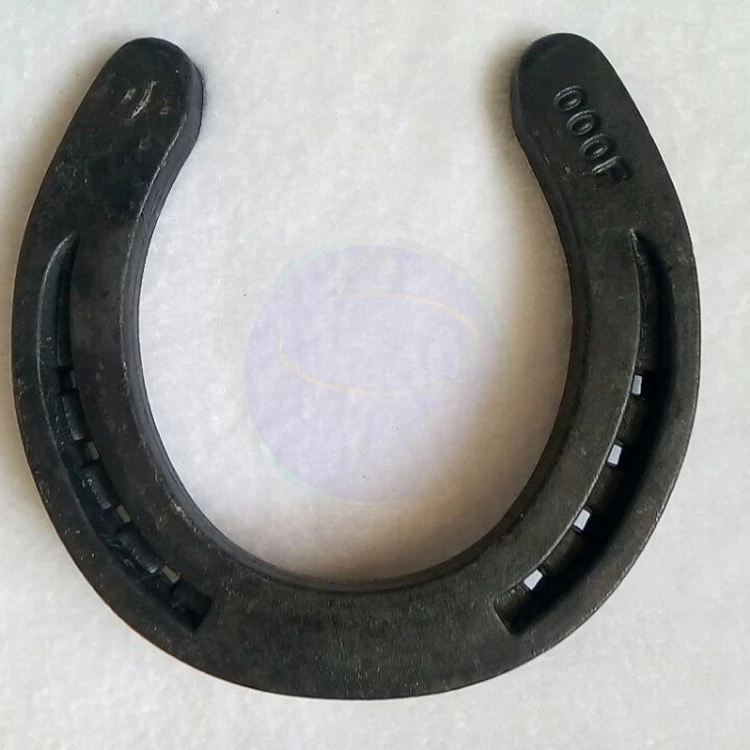
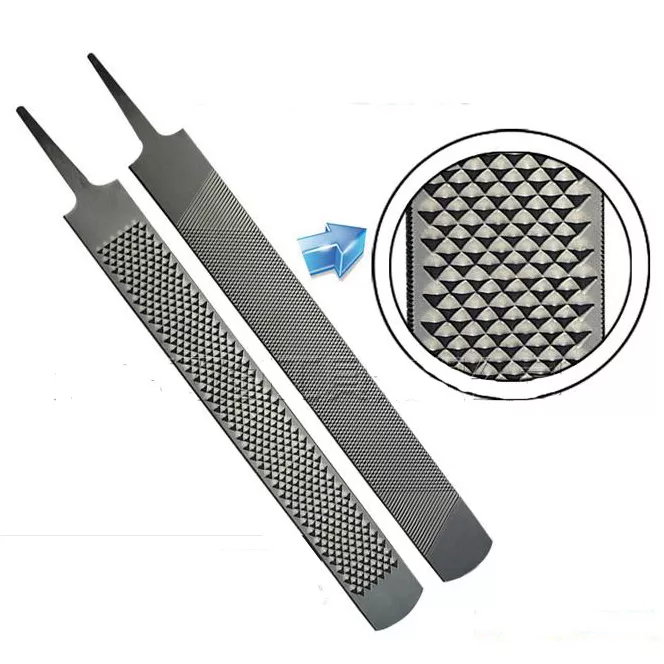
Bad handling and packing make accidents more likely. If cargo isn’t packed well, it can move and cause falls or crashes. For example, loose horseshoes can have sharp edges that cut workers. Lifting heavy items wrong can also hurt workers’ backs.
To lower these risks, pack items tightly with strong materials. Teach workers how to lift and carry things safely. Check packaging for damage before shipping. Good handling and packing keep workers safe and protect the goods being shipped.
How to Stabilize Injuries
Immediate First Aid Steps
Act fast when someone gets hurt during transit. First, check the injury. Look for bleeding, swelling, or odd shapes in the body. If they are awake, ask about their pain and discomfort. This helps you decide what to do next.
Follow these simple first aid steps:
- Stop bleeding: Press firmly on the wound with a clean cloth. Raise the injured part if you can.
- Clean wounds: Wash cuts or scrapes with clean water to remove dirt. Don’t use alcohol or peroxide; they can hurt the skin.
- Immobilize the injury: Keep broken bones or sprains still. Use a splint or hard object to stop movement.
- Cool burns: Run cool water over burns for a few minutes. Don’t use ice; it can harm the skin more.
Your goal is to keep injuries from getting worse. Stay calm and comfort the injured person while helping them.
Securing the Injured Area
Keeping the injured area safe is very important. For broken bones, use a splint or hard item like wood or cardboard. Wrap it gently with cloth or bandages to hold it steady. Don’t wrap too tight, or it might block blood flow.
If there’s swelling, raise the area above the heart. This helps reduce swelling and improves blood flow. Cover cuts with clean bandages to keep out dirt and germs. For burns, cover them loosely with a clean cloth to avoid infection.
Make sure the area around the injury is safe too. Remove sharp objects, loose items, or unstable surfaces. Treating injuries isn’t just about the wound—it’s also about making the space safe for recovery.
When to Seek Professional Help
Some injuries need a doctor right away. Call for help if there’s severe pain, heavy bleeding, or trouble breathing. Other serious signs include fainting, broken bones, or large burns.
Doctors can also document injuries for legal reasons. Medical records prove the injury happened and show how bad it is. These records help with claims or disputes later. Getting care quickly prevents bigger problems.
If you’re unsure how bad the injury is, call a doctor. It’s better to be safe than sorry. Helping injuries heal starts with you, but doctors ensure full recovery.
Preventing Shipping Accidents

Proper Packaging Techniques
Good packaging helps stop shipping accidents and injuries. Picking the right materials and methods is very important. For example, using a box that fits well keeps items from moving. Bubble wrap or foam can absorb shocks and protect fragile things. These materials also stop scratches and dents, which is key for delicate or expensive items.
Special tools like impact indicators show if packages are handled roughly. These tools warn you about problems so you can fix them early. Research shows packages with good cushioning get damaged less often. Using strong packaging not only protects items but also lowers the chance of injuries from broken or unstable cargo.
Securing Cargo Safely
Keeping cargo secure is important for safe shipping. Loose items can move around and cause accidents or injuries. Always use straps, nets, or other tools to hold cargo in place. For heavy items, use pallets or crates to spread the weight evenly. This stops tipping or sliding, which can hurt workers or damage goods.
Check the cargo area before loading to make sure it’s clean and safe. A tidy space helps prevent slips or falls during loading and unloading. Look at securing tools often to see if they’re worn out. Broken straps or nets can fail and cause accidents. Taking these steps makes shipping safer for everyone.
Training Handlers for Accident Prevention
Teaching workers is one of the best ways to avoid shipping accidents. Workers who know the right methods make fewer mistakes that cause injuries. Train them on lifting heavy things, using safety tools, and spotting dangers. Practice helps workers use these skills in real situations.
Mistakes by people cause many shipping accidents. Thousands of lives are lost each year because of poor training. Teaching your team can greatly lower these risks. Regular training updates keep workers aware of safety rules. Let workers share concerns about unsafe conditions. A trained team not only avoids accidents but also knows how to help if someone gets hurt.
Tip: Spending money on training and good tools may seem expensive, but it saves money later by preventing accidents and keeping workers safe.
Using Technology for Safer Transit
Technology helps make shipping safer and more efficient. By using smart tools, you can lower accidents and protect workers and goods. These tools also help you track and manage shipments better.
Real-Time Monitoring Tools
Real-time tools let you watch shipments and spot problems early. GPS trackers show where your cargo is at all times. This ensures shipments stay on the right path and avoid dangerous areas. Sensors check temperature, humidity, and vibrations inside containers. If something goes wrong, you can act fast to fix it.
Tip: Spending on monitoring tools saves money by cutting losses and boosting efficiency.
Automated Cargo Security Systems
Automated systems keep shipments safe with cameras, alarms, and motion sensors. If someone tampers with cargo, the system warns you right away. This stops theft and keeps shipments secure.
In 2021, there were 6,202 transit crashes and 1,654 security issues in the U.S. Automated systems can lower these numbers by spotting risks early. For example, automatic brakes in vehicles prevent crashes caused by mistakes.
Innovations in Injury Prevention
New tech also helps stop injuries during shipping. Smart helmets and gloves track workers’ movements and warn them of unsafe actions. A smart glove might buzz if a worker lifts something wrong, preventing back injuries.
Drones are another helpful tool. They check cargo areas for dangers without risking workers’ safety. Drones ensure loading zones are safe and free of hazards.
Note: In 2021, 57 passengers and 13 workers died in transit accidents. These numbers show why safety-focused technology is so important.
The Benefits of Embracing Technology
Using technology for safer shipping has many benefits:
- Fewer Accidents: Smart tools find and fix risks early.
- Better Efficiency: Tracking and automation make work faster and easier.
- Safer Workers: Wearables and drones protect workers from harm.
Adding these tools to your shipping process creates a safer workplace. Technology not only prevents accidents but also builds trust by ensuring goods arrive safely.
Role of Technology in Safety
Real-Time Monitoring Tools
Real-time tools help make transit safer by spotting risks early. Systems that check for driver tiredness send alerts to avoid crashes. These systems use sensors to watch eye movement and posture. If a driver seems tired, they get a warning to rest or adjust.
GPS trackers can also show where vehicles are at all times. These trackers help send help quickly during emergencies. Sensors inside cargo containers check for changes in temperature, shaking, or moisture. If something goes wrong, you can act fast to protect workers and goods.
- Main Benefits of Real-Time Tools:
- Tiredness detection lowers crashes caused by sleepy drivers.
- GPS tracking helps respond faster to problems.
- Sensors keep cargo safe from harm.
Automated Cargo Security Systems
Automated systems make transit safer by cutting down on mistakes. New scanning tools, like CT scanners, find dangers more accurately. These tools work quickly and check for risks in real time. AI-powered systems adjust to new threats, ensuring better safety checks.
Other tools like barriers and motion sensors also help. Barriers stop people from entering cargo areas without permission. Sensors notice tampering or movement, reducing theft and accidents.
| Technology Type | How It Improves Safety |
|---|---|
| Surveillance Cameras | Cameras scare off thieves and help police with evidence. |
| Emergency Buttons | Drivers can press these to call for help fast. |
| Mobile Devices | Drivers can report problems quickly for faster action. |
| GPS Tracking | Tracks vehicles to send help faster during issues. |
| Contactless Ticketing | Cuts down worker-passenger arguments and keeps everyone safer. |
| Protective Barriers | Stops unauthorized people from getting near drivers or cargo. |
| Smart Cameras | AI cameras improve driver actions and keep passengers safe. |
| Easy Incident Reporting | Makes it simple to track safety problems and find ways to prevent them. |
Innovations in Injury Prevention
New technology helps stop injuries during transit. Smart helmets and gloves track how workers move and warn them about unsafe actions. For example, a smart glove buzzes if a worker lifts something the wrong way, helping avoid back pain.
Drones are another helpful tool. They check cargo areas for dangers without putting workers at risk. Drones make sure loading zones are clear and safe. These tools lower accidents and improve safety overall.
| Evidence Description | Key Benefits |
|---|---|
| Automation improves checks and speeds up work | Helps avoid accidents in air cargo handling |
| Use of CT scanners and automated threat detection | Makes checks faster and more accurate, with fewer mistakes |
| AI systems process data quickly to find risks | Improves safety checks and reduces human errors |
Tip: Using these tools not only stops injuries but also builds trust by making transit safer for everyone.
Case Studies: Lessons from Success
Real-Life Examples of Injury Stabilization
Real stories show how acting fast can save lives. One example is Lee Tran, a transit agency that reduced crashes. They added bigger LED lights, flashing amber signals, and reflective strips. These changes made their vehicles easier to see, especially at night.
Another example shows how training helps. A bus driver training program taught drivers to stay calm in emergencies. They learned to spot dangers and handle tough situations better. This training made drivers safer and more confident.
Telemetry tools also helped with injury prevention. These tools check vehicle performance and warn about problems early. However, they are expensive, so smaller agencies can’t always use them. These examples show that using different strategies together works best.
| Strategy/Practice | Outcome/Insight |
|---|---|
| Larger LED rear lights and retroreflective strips | Fewer rear-end crashes reported by Lee Tran since 2014. |
| Bus operator training | Drivers became more aware and caused fewer accidents. |
| Telemetry-based DMS reporting tools | Helpful but costly, limiting use for smaller groups. |
| Multifaceted coordinated efforts | Combining strategies worked better than using one method. |
| Incentive programs | Boosted safety and worker morale when paired with safety plans. |
Preventive Measures That Avoided Accidents
Preventive steps have cut down on shipping accidents. Better risk management by ship owners has been a big help. New rules make sure safety standards are followed. Newer ships also break down less often.
Technology has made navigation safer. Modern tools help drivers avoid dangers and stay in control. Quick responses to emergencies also reduce damage and injuries.
- Key Preventive Measures:
- Better risk management by ship owners.
- New safety rules and regulations.
- Newer, more reliable ships.
- Advanced navigation tools.
- Faster emergency response plans.
Key Takeaways from Past Incidents
Past events teach us how to improve safety. For example, U.S. traffic deaths dropped from 42,514 in 2022 to 40,990 in 2023. This shows that safety campaigns and stricter rules work. But speeding still causes 28.71% of deaths, so more work is needed.
New Jersey lowered fatality rates by 17% with better roads and seatbelt laws. Public safety ads also helped people stay aware. These examples show that education, rules, and better design save lives.
| Statistic | Value |
|---|---|
| U.S. traffic fatalities (2022) | 42,514 |
| U.S. traffic fatalities (2023) | 40,990 |
| Percentage of traffic deaths related to speeding | 28.71% |
| Increase in drunk driving fatalities | 14% |
| New Jersey fatality rate drop | 17% |

Note: Using seatbelts, strict rules for new drivers, and safety ads reduce accidents. Building better roads also makes travel safer.
Stopping injuries from getting worse during transit is very important. You can do this by giving first aid right away. Keep the hurt area safe by wrapping or supporting it properly. To avoid accidents, pack items tightly and secure cargo with straps or nets. Teach workers how to handle goods safely to lower risks.
Using tools like GPS trackers and alarms makes shipping safer. These tools help spot problems early and protect workers and items. Being careful and ready keeps transit smooth and prevents delays or harm.
FAQ
1. What should you do if a package arrives damaged?
Check the package as soon as it arrives. Take pictures of any damage for proof. Let the shipping company or seller know about the problem. Keep the box and packing materials as evidence. This helps with getting a refund or replacement.
Tip: Always inspect packages right away to meet reporting deadlines.
2. How can you ensure cargo stays secure during transit?
Use straps, nets, or pallets to keep items steady. Spread the weight evenly to stop tipping. Check straps and tools often for damage. Keep the cargo area clean and organized to avoid accidents.
Note: Secured cargo keeps workers safe and protects the goods.
3. What are the best materials for packaging fragile items?
Bubble wrap, foam, and strong boxes are the best choices. These materials protect items from shocks and scratches. Use impact indicators to check if the package was handled roughly. Make sure the box fits tightly to stop items from moving.
Emoji Reminder: 📦 Handle fragile items with care—pack them like treasures!
4. When should you seek professional help for an injury?
Call a doctor if someone has severe pain, heavy bleeding, or trouble breathing. Broken bones, big burns, or fainting also need quick medical care. Acting fast helps prevent bigger problems and ensures proper healing.
5. How does technology improve shipping safety?
Real-time tools track shipments and find risks early. Automated systems protect cargo and stop theft. Wearable tech like smart gloves warns workers about unsafe moves. These tools lower accidents and keep goods safe.
Quick Fact: Technology saves time and builds trust by ensuring safe deliveries.