
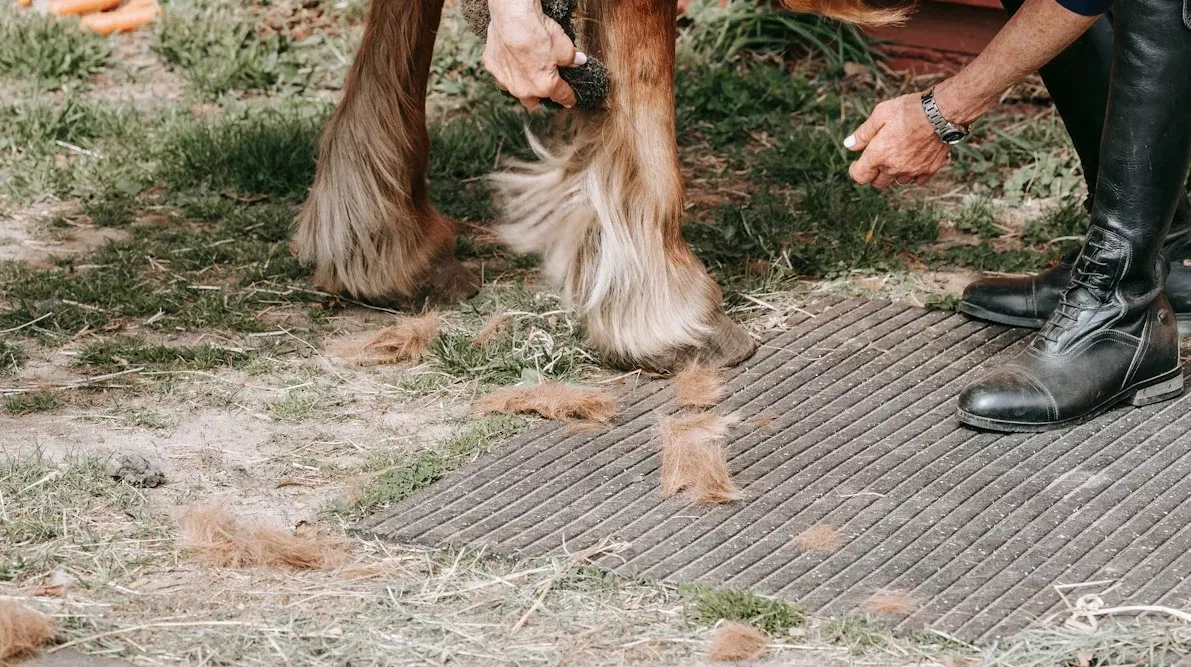
April can be tough for your horse’s hooves, as thrush cases spike during this month. Wet and muddy areas create an ideal environment for bacteria to grow quickly. Additionally, changing temperatures and humidity can weaken hooves, making them more susceptible to infection. Your care routine might also contribute to the risk; skipping hoof cleaning or leaving hooves wet exacerbates the problem. To prevent issues, make sure to clean hooves daily and keep them dry. Taking care of the environment also helps protect your horse from thrush cases.
Key Takeaways
- April is often wet, which raises thrush risk. Keep hooves dry and clean to avoid infections.
- Clean your horse's hooves every day. Remove mud and dirt to stop bacteria from growing in the frog's cracks.
- Check where your horse lives. Make sure stalls and fields stay dry to lower thrush risk.
- Add thrush-prevention products to your hoof care routine. These products help keep hooves healthy and free of bacteria.
- Have a farrier check your horse regularly. They can find early thrush signs and keep hooves in good shape.
Why Thrush Cases Spike in April
Impact of Increased Moisture and Mud
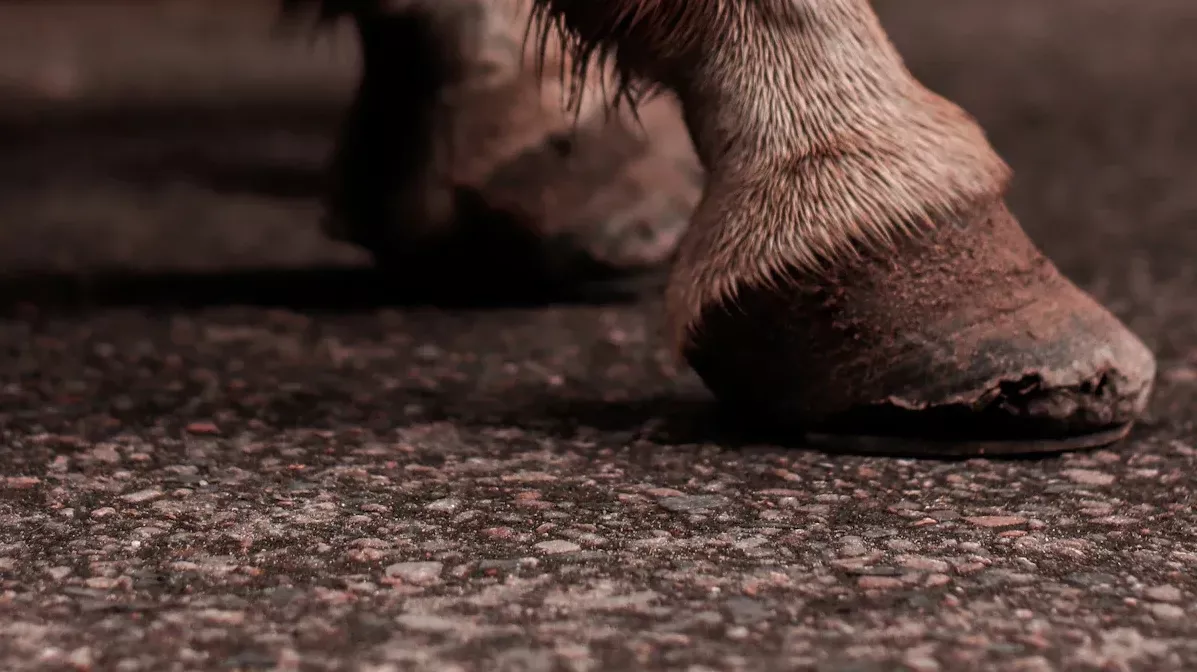
April often brings lots of rain and melting snow. This makes the ground wet and muddy, which helps bacteria grow. When your horse’s hooves stay wet too long, the frog and sole get soft. This makes it easier for bacteria to cause thrush. Mud can also stick inside the hoof, holding in moisture and dirt. If you don’t clean the hooves every day, the problem can get worse.
To lower the risk, keep your horse’s hooves clean and dry. Use a hoof pick to remove mud and dirt often. Try to keep your horse out of muddy areas when you can. Giving your horse a dry place to stand helps a lot.
Role of Fluctuating Temperatures and Humidity
Spring weather changes between warm days and cool nights. These shifts can make the air more humid, especially in barns. Humidity makes the area damp, which helps bacteria grow. Wet hooves and high humidity together can lead to more thrush cases.
You can fight this by improving airflow in your barn or stable. Better ventilation lowers humidity and keeps things drier. Check your horse’s hooves every day during these weather changes. Look for signs of thrush, like a bad smell or black gunk.
Spring Pasture and Stall Conditions
Spring pastures and stalls often stay too wet, which causes thrush. Rainy fields and areas with poor drainage leave hooves wet for hours. Stalls with wet bedding or bad drainage also trap moisture around hooves. These conditions make it easy for bacteria to grow.
To stop this, keep your horse’s living spaces clean and dry. Change wet bedding quickly and make sure stalls drain well. In pastures, move your horse to different spots to avoid muddy areas. These small steps can protect your horse’s hooves from thrush.
- Key Points to Remember:
- Wet and muddy areas make hooves soft and help bacteria grow.
- Changing temperatures and humidity raise the chance of thrush.
- Too much moisture in pastures and stalls leads to thrush.
Risky Horse Care Practices in April
Skipping Daily Hoof Cleaning
Not cleaning your horse’s hooves every day can cause thrush. Mud, manure, and dirt collect in the frog’s grooves and trap moisture. This creates a perfect place for bacteria to grow. Over time, the frog can develop deep cracks or rough edges. These make it easier for bacteria to harm healthy tissue.
To avoid this, clean your horse’s hooves daily. Use a hoof pick to remove mud and dirt. Focus on the central sulci and grooves near the frog. Let the hooves dry completely after cleaning. This simple habit helps prevent thrush.
Tip: Dirty stalls and wet hooves often lead to thrush. Clean and dry hooves regularly to stop it.
Standing in Wet or Muddy Areas Too Long
Letting your horse stay in wet or muddy spots weakens hooves. Moisture softens the frog and sole, making them easy targets for bacteria. Mud can pack into the hooves and hold moisture against the frog. This makes it easier for bacteria to grow.
You can prevent this by keeping your horse out of wet areas. Give your horse a dry, clean place to stand and rest. If your horse is in a pasture, rotate grazing spots to avoid muddy areas. These steps protect hooves from too much moisture.
Dirty Stalls and Pastures
Messy stalls and muddy pastures increase thrush cases in April. Wet bedding, manure, and bad drainage in stalls create damp conditions. These allow bacteria to grow. Pastures with standing water or too much mud also expose hooves to harmful conditions.
To fix this, clean your horse’s stall every day. Replace wet bedding quickly and make sure the stall drains well. In pastures, fix drainage problems and avoid overusing muddy spots. Keeping your horse’s living areas clean and dry lowers the risk of thrush.
Farrier-Approved Prevention for Thrush
Daily Hoof Cleaning and Inspection
Cleaning your horse’s hooves every day helps stop thrush. It removes mud, manure, and dirt that trap moisture and let bacteria grow. Focus on the grooves near the frog, as they are the most at risk for infection.
Checking hooves daily is also important. Watch for early thrush signs like a bad smell, black goo, or soft spots on the frog. Finding these signs early lets you fix the problem quickly.
Tip: Farriers often notice thrush early during visits. Regular farrier checkups keep your horse’s hooves healthy.
- Why daily cleaning and checking matter:
- Stops dirt from building up in the frog.
- Helps you spot thrush signs early.
- Keeps hooves clean and healthy.
Proper Trimming and Shoeing
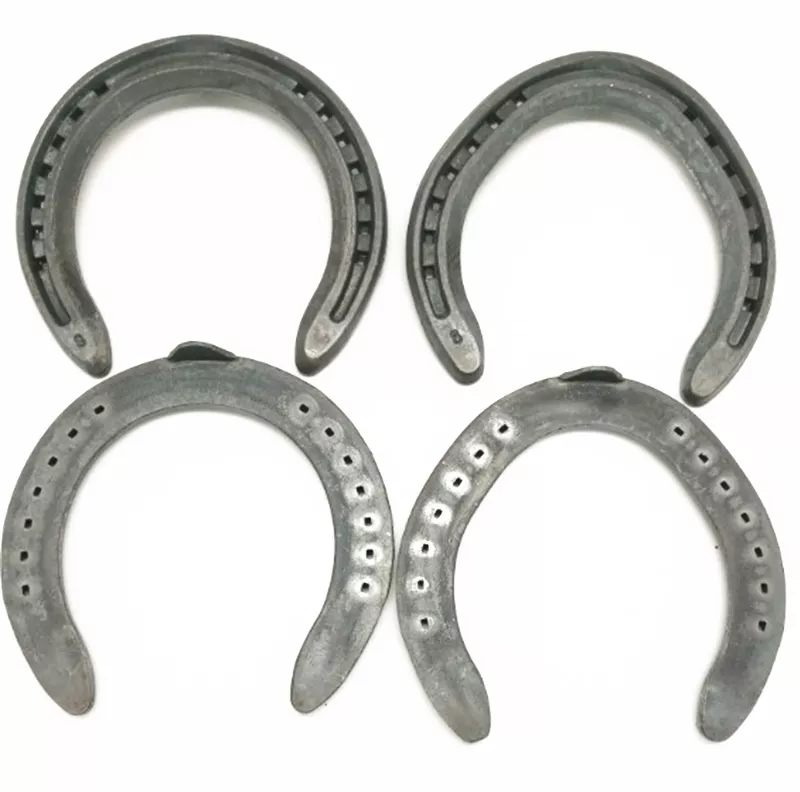
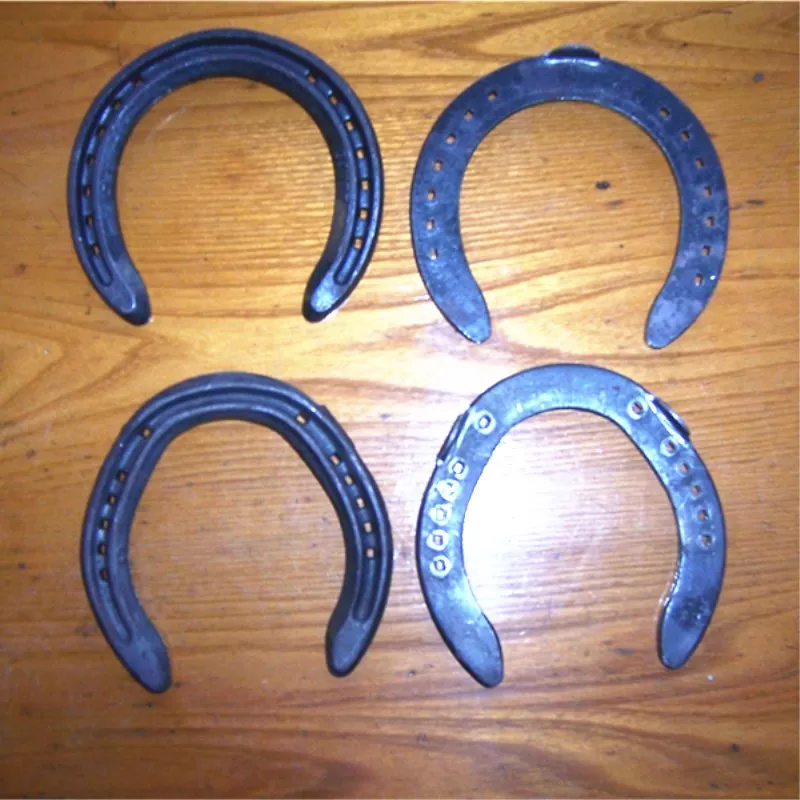
Good trimming and shoeing help prevent thrush. Correct trimming keeps hooves balanced and spreads weight evenly. This lowers the chance of cracks where bacteria can hide.
Shoes, when needed, protect hooves from uneven wear. A well-fitted shoe keeps the hoof strong and balanced. But bad trimming or poorly fitted shoes can cause problems, making thrush more likely.
- Tips for trimming and shoeing:
- Trim hooves every 4-6 weeks to avoid dirt buildup.
- Make sure your farrier trims hooves evenly.
- Don’t over-trim, as it weakens the hoof and raises infection risk.
Exercise also helps hooves stay healthy by improving blood flow. Strong hooves are less likely to get thrush, even in wet conditions.
Managing Environmental Moisture
Keeping your horse’s environment dry is key to stopping thrush. Wet and muddy areas soften hooves, making them easier for bacteria to infect. You can prevent this by keeping stalls and pastures clean and dry.
Start with stall care. Remove wet bedding and manure every day. Make sure the stall drains well. In pastures, move your horse to avoid muddy spots. Fix drainage issues to stop water from pooling.
Note: Thrush cases rise in April because of wet and muddy conditions. Managing these conditions early can lower the risk.
- How to manage moisture:
- Clean stalls daily and replace wet bedding.
- Give your horse a dry place to stand and rest.
- Improve drainage in pastures and paddocks.
Using thrush-prevention products can also help. These products protect the frog from too much moisture and bacteria. Add them to your hoof care routine, especially during rainy seasons.
Using Thrush-Preventative Products
Thrush-preventative products help protect your horse’s hooves in April. They block bacteria and moisture, lowering the risk of infection. Adding these products to your routine makes prevention stronger.
Types of Thrush-Preventative Products
There are different products to fight thrush. Each one has a specific use, so knowing their benefits helps you pick the best option.
- Topical Solutions: These are liquids or gels you put on the frog. They kill bacteria and remove extra moisture.
- Hoof Dressings: These condition the hoof and add a protective layer. They keep moisture out and stop bacteria from entering.
- Antibacterial Sprays: These sprays are simple to use daily. They fight bacteria and keep hooves clean.
Tip: Always check the label to ensure the product is safe. Some may have strong chemicals that could harm sensitive hooves.
How to Use Thrush-Preventative Products Effectively
Using these products the right way makes them work better. Follow these steps for the best results:
- Clean the Hoof Well: Before using any product, clean the hoof with a pick. Remove mud, manure, and dirt so the product can reach problem areas.
- Apply to Key Areas: Focus on the frog and grooves, especially the central sulcus. Use a brush or applicator to spread it evenly.
- Stick to a Routine: Use the product regularly, especially in wet months. Apply daily or weekly, depending on the instructions.
Note: Ask your farrier or vet if you’re unsure how often to apply. They can suggest the best schedule for your horse.
Benefits of Thrush-Preventative Products
Adding these products to your care routine has many benefits:
- Stops Bacteria Growth: The ingredients kill bacteria before they cause harm.
- Keeps Hooves Dry: Many products soak up moisture, making it harder for bacteria to grow.
- Improves Hoof Health: Regular use strengthens the frog and sole, helping them resist infections.
Using thrush-preventative products along with good hoof care and a clean environment lowers the chance of thrush. These products give extra protection, especially in months when thrush is more common.
Thrush increases in April due to wet, muddy conditions helping bacteria grow. Cleaning hooves daily, trimming properly, and keeping areas dry are key. Farriers suggest using thrush-prevention products and keeping stalls clean. By acting early and knowing the risks, you can protect your horse’s hooves this season.
FAQ
What are the early signs of thrush in a horse’s hooves?
Check for a bad smell, dark discharge, or soft spots on the frog. Your horse might also feel pain when you clean the hoof. Spotting these signs early can stop serious problems.
Tip: Look at your horse’s hooves every day to catch issues fast.
How often should I clean my horse’s hooves to prevent thrush?
Clean your horse’s hooves daily to remove mud and manure. This stops moisture and bacteria from building up. During rainy months, clean twice a day for extra safety.
Note: Regular cleaning keeps hooves strong and healthy.
Can thrush occur in dry environments?
Yes, but it’s rare. Dirty hooves or deep cracks in the frog can still let bacteria grow. Even in dry weather, clean and check hooves often to avoid thrush.
Are there natural remedies for treating thrush?
Some people use apple cider vinegar or tea tree oil to fight bacteria. These can help dry out the infected area. Always ask your farrier or vet before trying any remedy.
Reminder: Professional advice is best for your horse’s care.
How can I improve drainage in my horse’s pasture?
Add gravel or sand to low spots to stop water from pooling. Shape the ground to guide water away from busy areas. Check and fix these spots often to keep drainage working well.
Tip: Good drainage keeps hooves dry and lowers the chance of thrush.