
Historical Context of Horseshoes in China
The horseshoe has a rich history, particularly in China, where its origins can be traced back to ancient practices of hoof protection. The earliest known horseshoes in Asia were made from materials like grasses, cloth, or leather. Archaeological evidence suggests that these primitive shoes were used as early as the 5th century BC, with Greek historian Herodotus documenting the Scythians wrapping their horses' hooves in felt
Early Evidence of Horseshoes
- Grass Horseshoes: In 1959, archaeologists discovered a grass horseshoe at the Mawangdui Tombs in Hunan province, dating back to the 2nd century BC. This find indicates that grass was utilized for hoof protection, although the extent of its use remains unclear
- Bronze Age Artifacts: A significant discovery in 2006 at an archaeological site in Turpan revealed a horse's hoof shod with a leather horseshoe, dated to 400 BC. This represents one of the earliest examples of horseshoeing in the world
- Terracotta Army: The Terracotta Army, built during the reign of Emperor Qin Shi Huang (247-209 BC), includes over 600 terracotta horses equipped with hoof protectors. However, there is no concrete evidence that nailed-on shoes were common at this time
Evolution of Horseshoeing Practices
The practice of nailing on horseshoes did not become widespread in Asia until the Yuan Dynasty (1271-1368 AD). Prior to this period, hoof protection was primarily achieved through softer materials rather than metallic shoes. The technology for nail-on horseshoes spread rapidly once it was introduced in Asia, paralleling its adoption in Europe
Modern Horseshoe Manufacturing in China
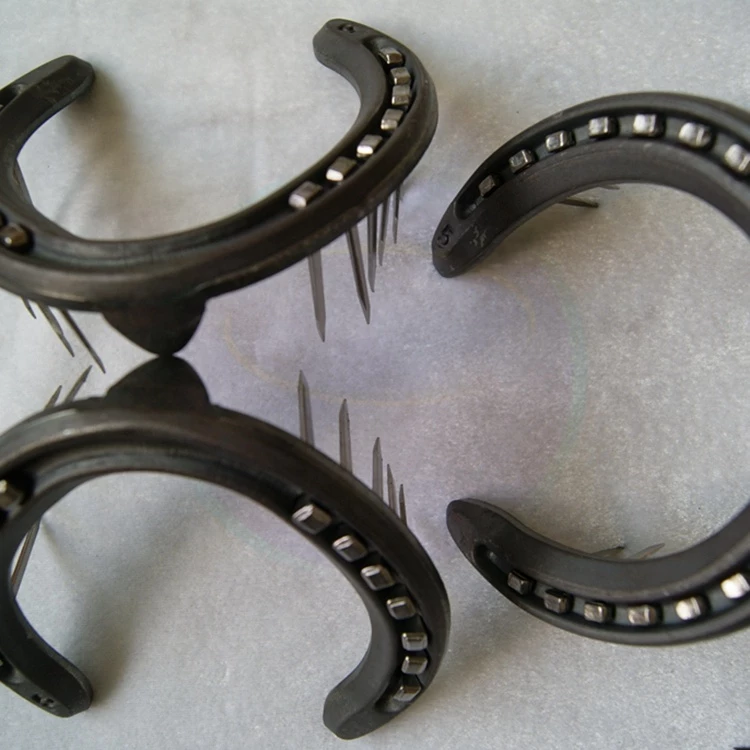
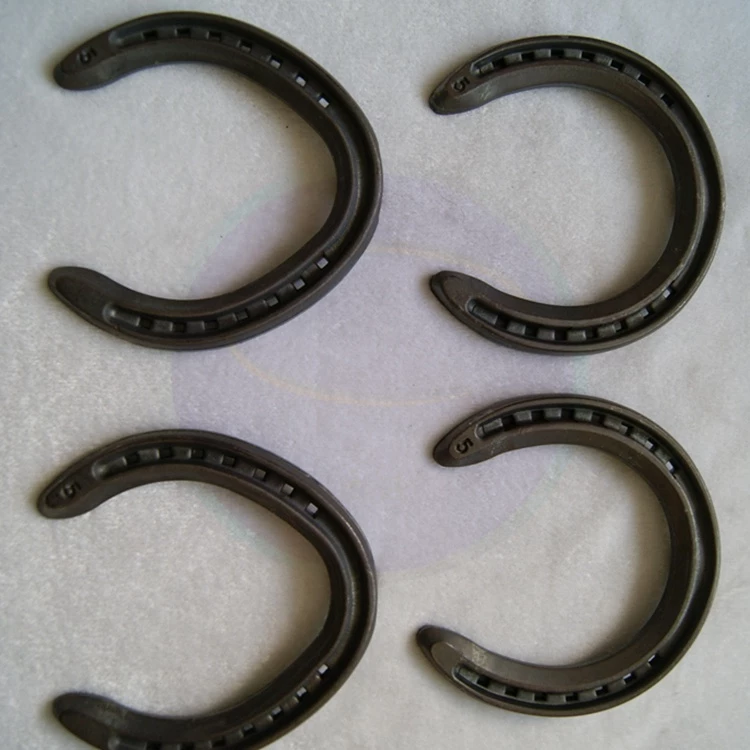
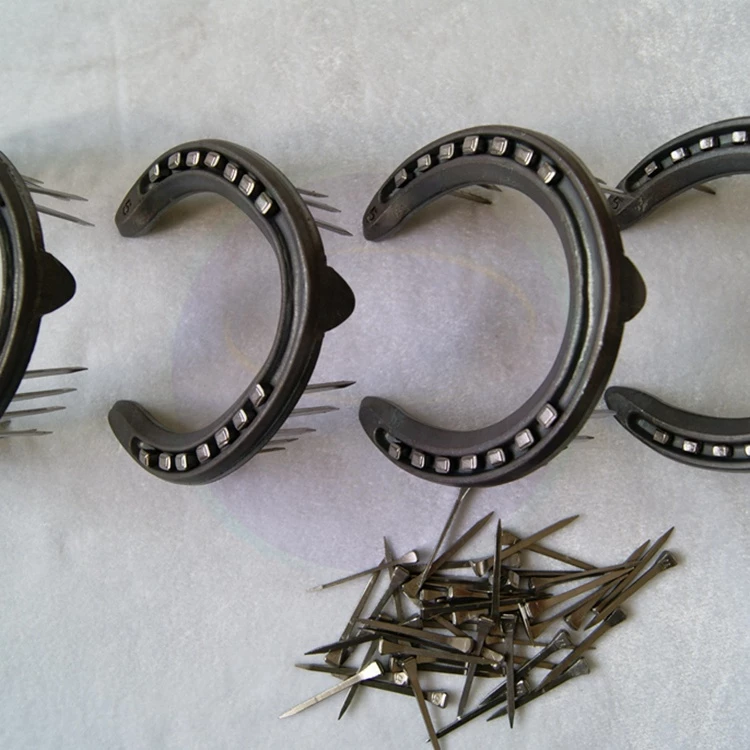
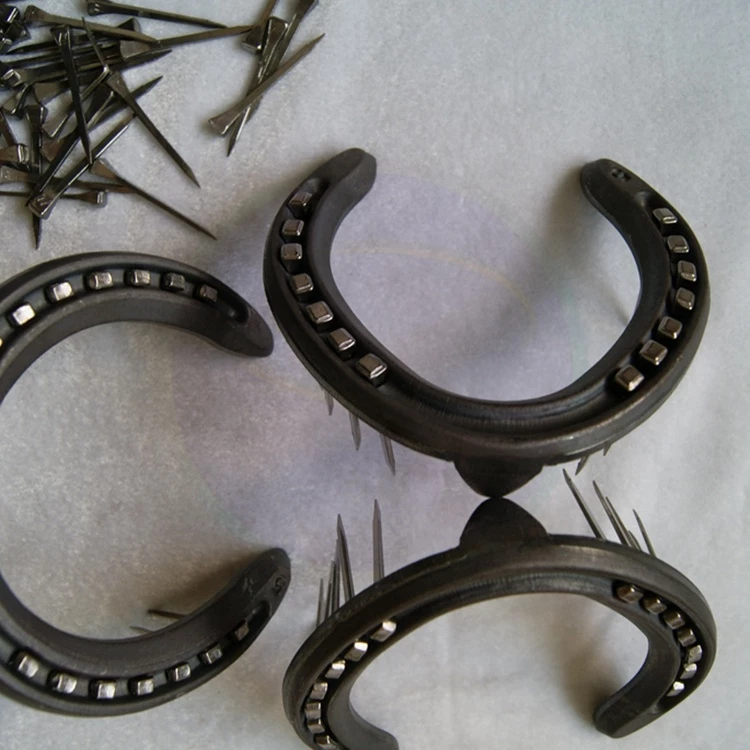
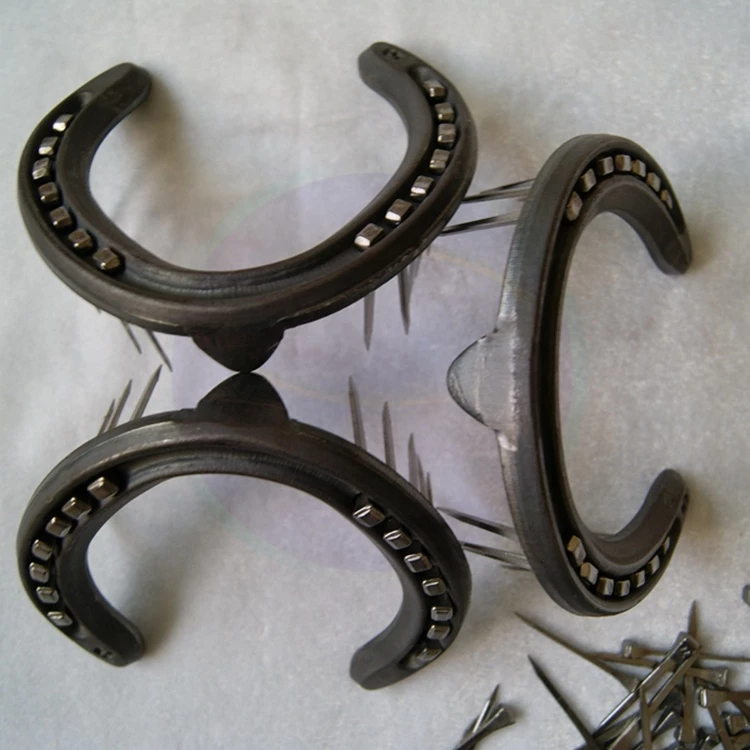
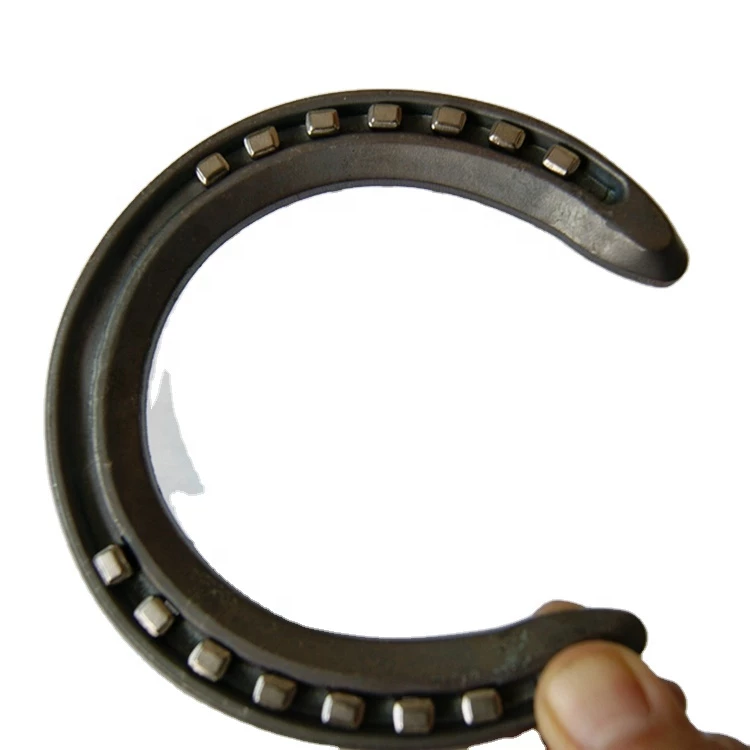
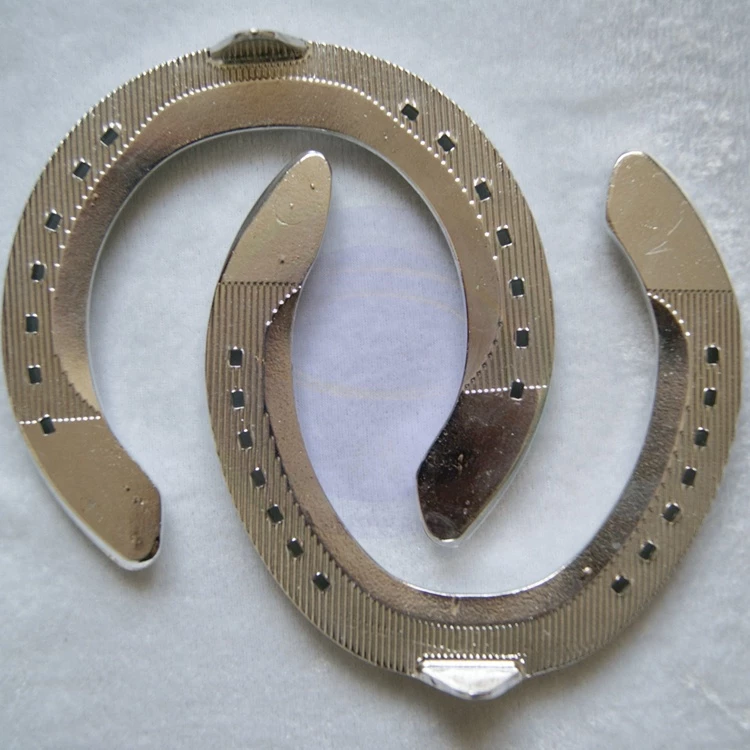
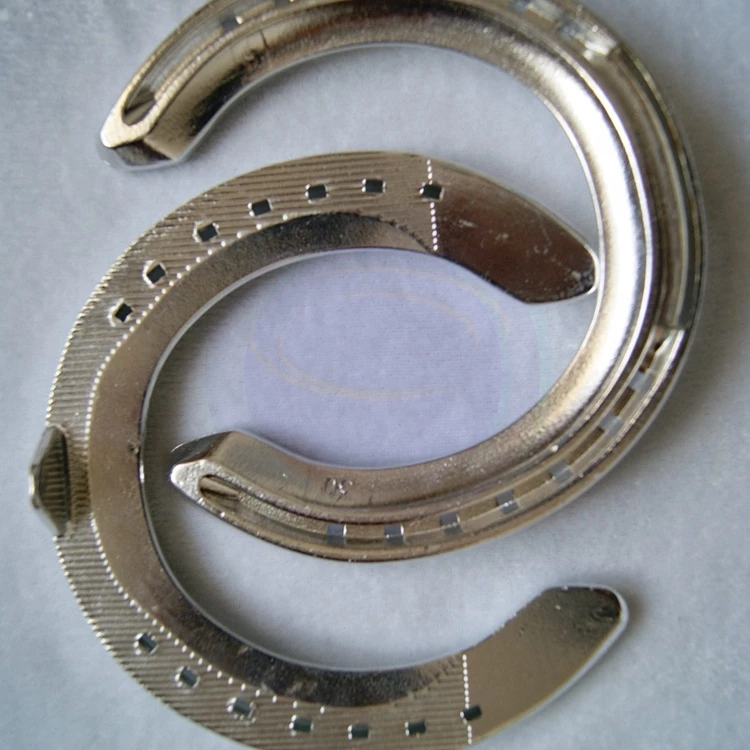
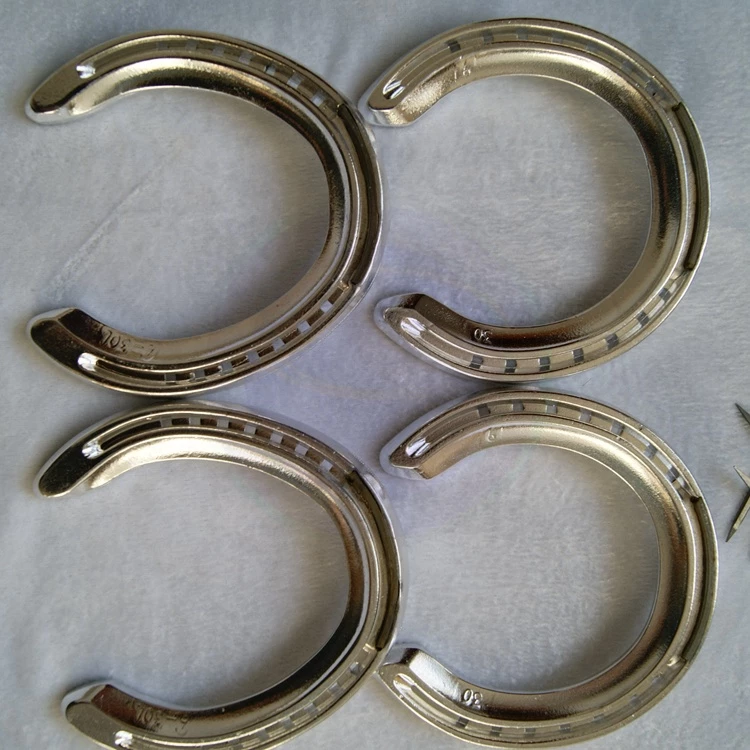
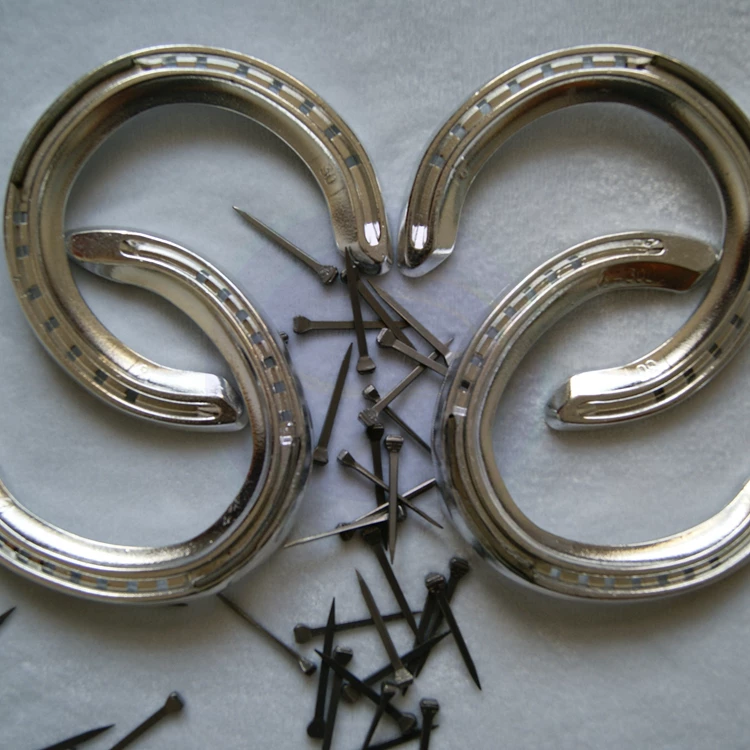
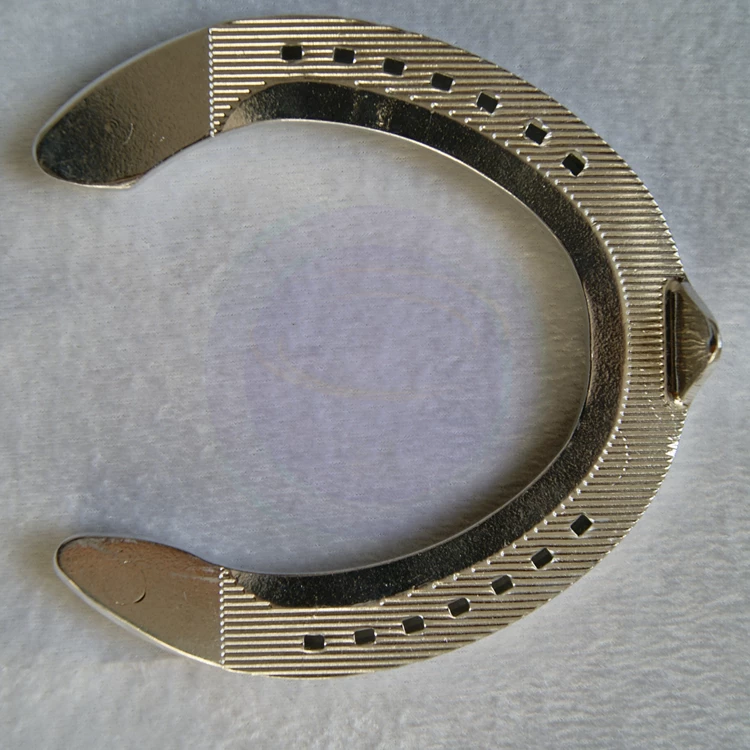
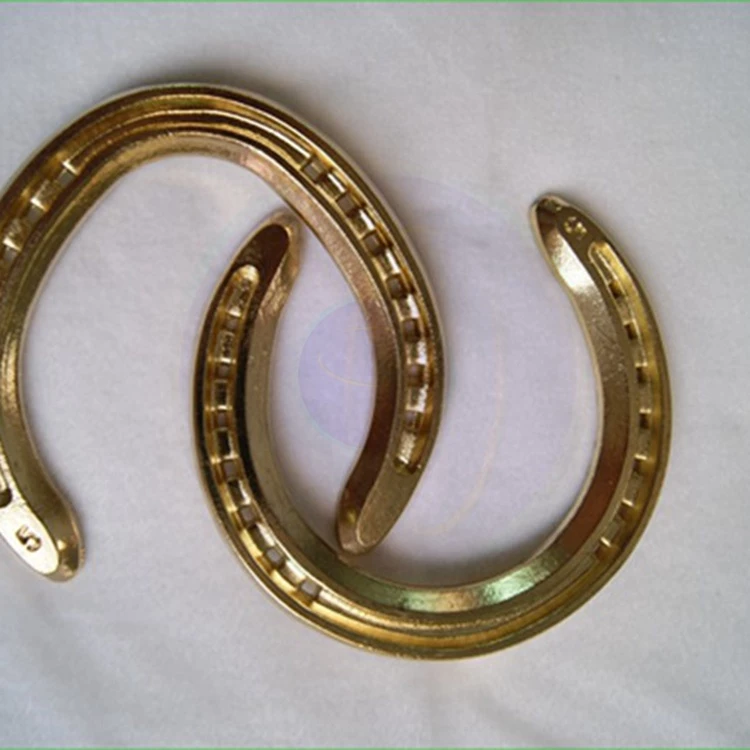
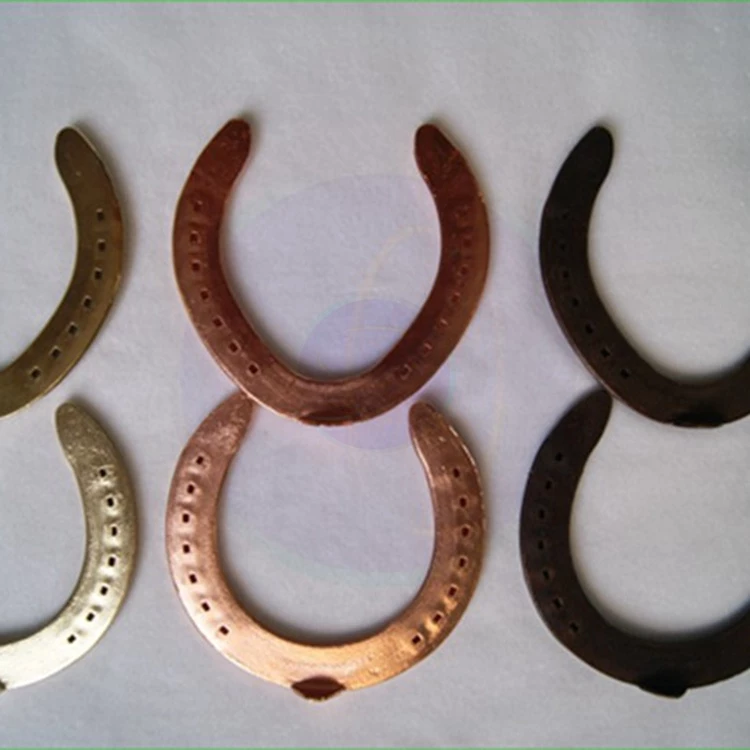
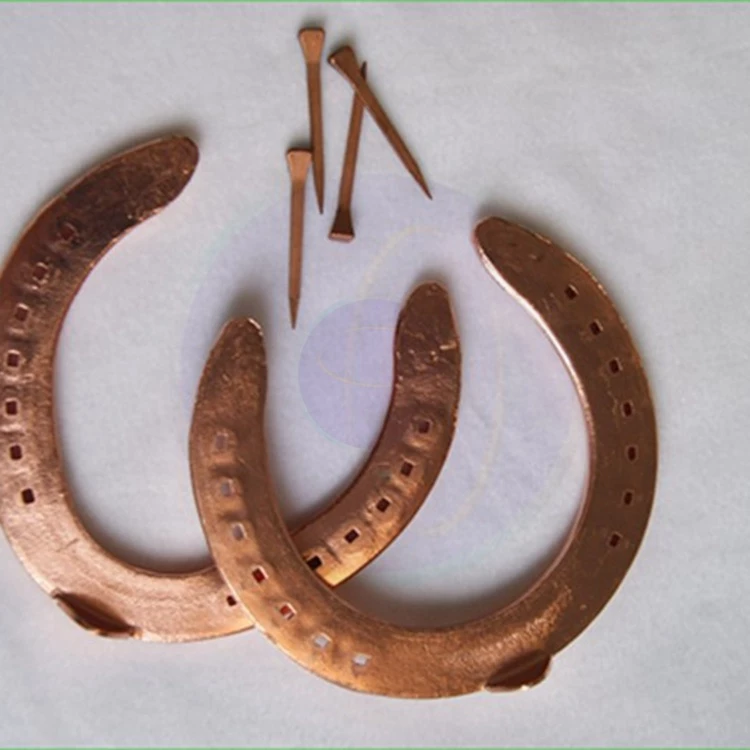
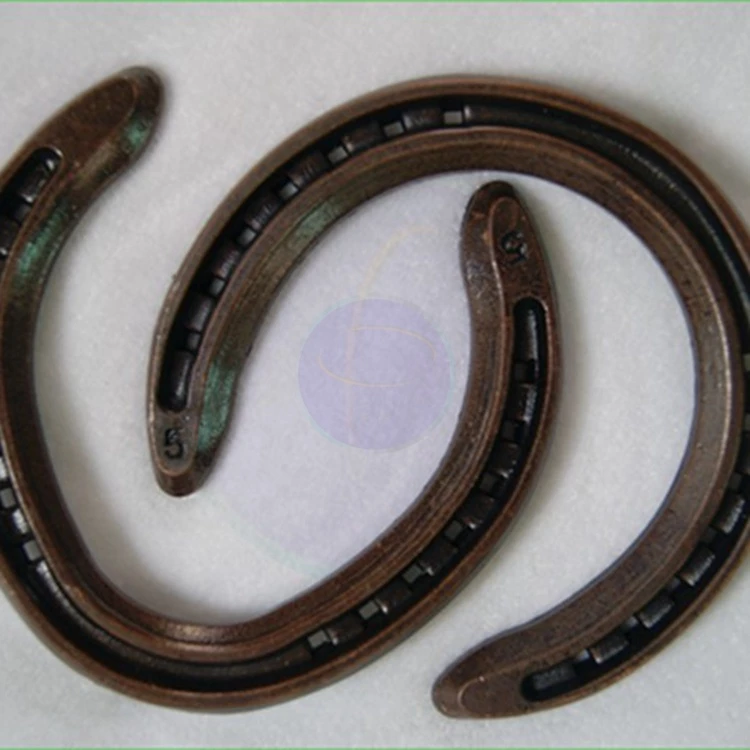
Today, China is a leading manufacturer and supplier of horseshoes, employing advanced techniques such as induction heat forging. This process enhances the quality of horseshoes by ensuring smoother edges and cleaner punches, resulting in a more consistent product. Companies like Relia specialize in producing various types of horseshoes made from steel and aluminum alloys, catering to different equestrian needsChinese manufacturers utilize advanced techniques such as induction heat forging, which results in horseshoes with smoother edges, a deep crease, and cleaner punch holes. This technology ensures a more consistent product with precise nail holes, enhancing the overall quality of the horseshoes producedThe production capacity of Chinese horseshoe manufacturers is substantial, with some factories reporting an annual output of over 400 tons. This capability allows them to meet large-scale demands efficientlyChina's historical contributions to horseshoeing reflect a blend of ancient practices and modern manufacturing advancements, highlighting the significance of this simple yet essential equestrian tool. Chinese horseshoes are recognized for their high quality, production capacity, and cost performance. Chinese horseshoes are competitively priced, typically ranging from $0.60 to $4.55 per piece depending on the material and order quantity. This affordability, combined with their quality, offers excellent cost performance for buyers looking to purchase in bulk, In summary, the combination of advanced manufacturing processes, significant production capacity, and competitive pricing makes Chinese horseshoes a popular choice in the equestrian market.
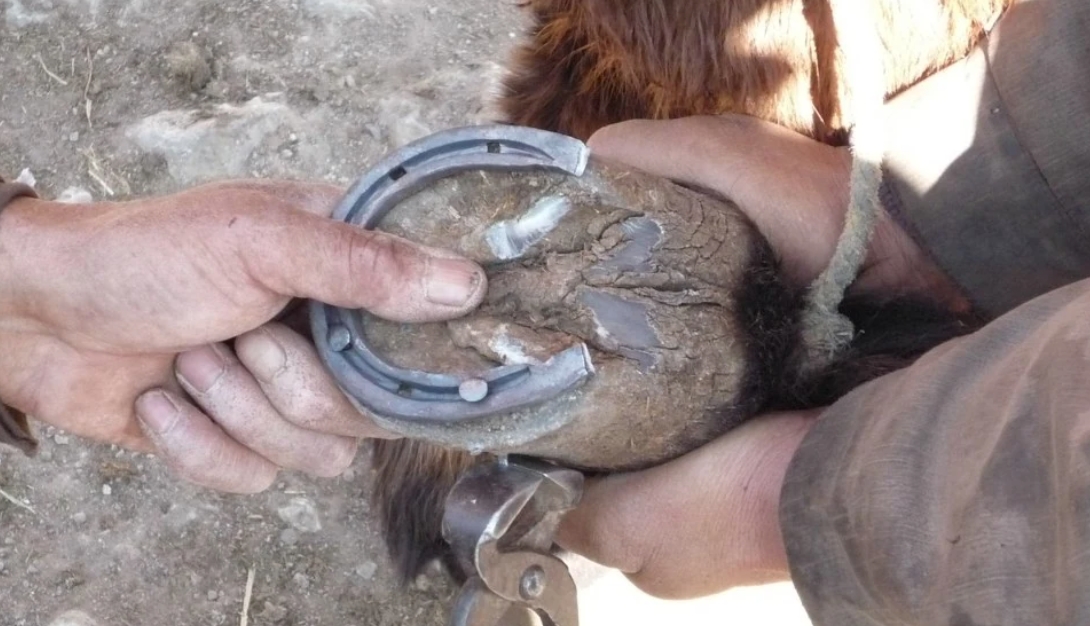
Qingdao Relia Company specializes in the manufacturing of horseshoes, offering a variety of products tailored for different equestrian needs. Here are the key details about the company and its offerings:
Company Overview
- Name: Qingdao ReliaHorseshoe Co., Ltd
- Industry: Manufacturing of horseshoes and equestrian equipment.
- Location: Qingdao, China.
The company emphasizes quality and reliability in its manufacturing processes. They utilize professional-grade materials to ensure that their products meet industry standards. Qingdao Relia offers both bulk purchasing options and custom solutions to cater to specific customer requirements.
Qingdao Relia Company positions itself as a direct supplier, which allows them to offer competitive pricing and flexibility in orders. This direct selling model is advantageous for businesses looking to source horseshoes at wholesale prices. For more information on their products, you can visit their official website or explore their listings on platforms like Made-in-China and Alibaba, where they showcase their extensive range of horseshoes available for wholesale purchase
When it comes to the manufacturing capabilities of horseshoes, there are several methods and considerations that play a crucial role in their production. Here are the key aspects:
1. Materials
- Steel:The most common material used for horseshoes due to its strength and durability. It can be heat-treated to improve hardness.
- Aluminum:Lightweight and resistant to corrosion, aluminum horseshoes are often used for racehorses.
- Plastic/Polymer:Used for therapeutic purposes or in specialized applications, like for horses with sensitive hooves.
2. Manufacturing Processes
- Forging:Traditional method where metal is heated and shaped by hammering. This process enhances the material's strength.
- Casting:Metal is poured into molds to create horseshoes. This allows for more complex shapes but may result in slightly lower strength compared to forged shoes.
- Machining:Involves cutting and shaping materials to create precise designs. This is often used for specialized horseshoes.
3. Types of Horseshoes
- Standard Racing Shoes:Lightweight aluminum used for speed.
- Therapeutic Shoes:Designed for horses with specific hoof issues, using various materials and shapes for support.
- Bar Shoes:Provide extra support and stability, often used on horses with certain leg or hoof problems.
- Studded Shoes:Equipped with small studs for traction, especially useful on slippery surfaces.
4. Quality Control
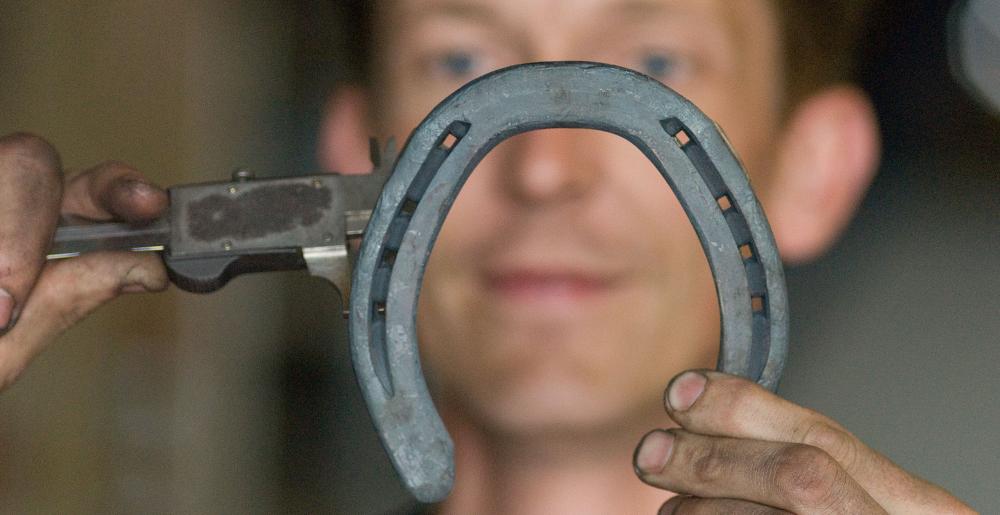
- Inspection:Ensure that the horseshoes meet specific size, weight, and strength standards before they are sent out.
- Testing:Some manufacturers may perform tests to check for durability and performance under different conditions.
5. Customization
- Many manufacturers offer the option to customize horseshoes for specific needs, such as size adjustments, special materials, or additional features like traction enhancements.
6. Sustainability Practices
- Some manufacturers are adopting eco-friendly practices, such as using recycled materials or reducing waste in their processes.
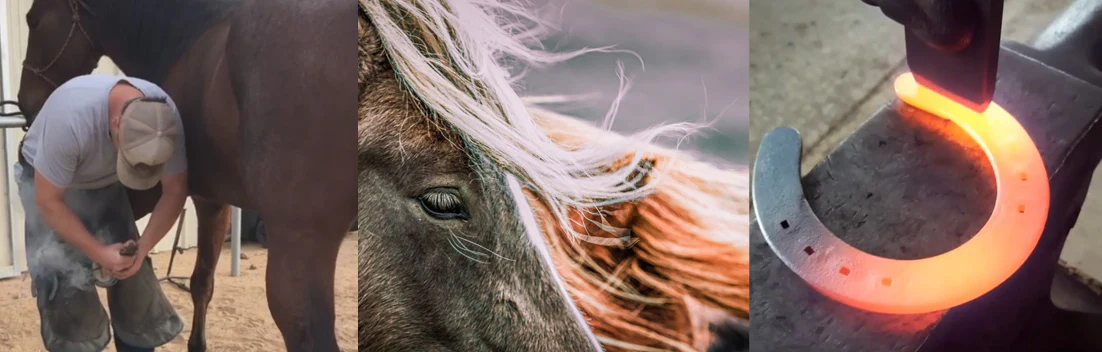
Manufacturing horseshoes involves a combination of material selection, production techniques, and quality control measures to ensure safety and performance for horses. If you are looking for a Chinese horseshoe factory, custom forged horseshoes, you can contact us, Relia provides you with a full range of high-quality custom servers