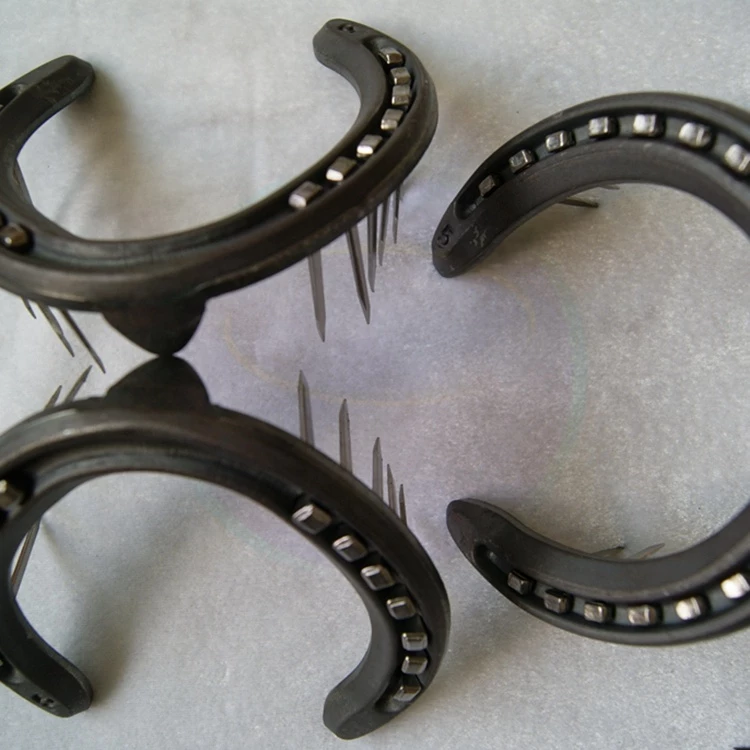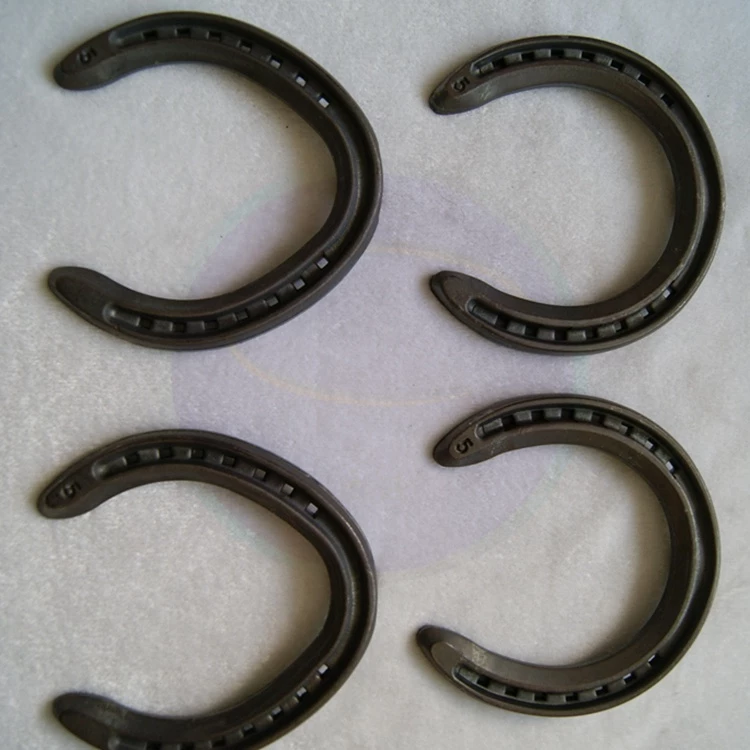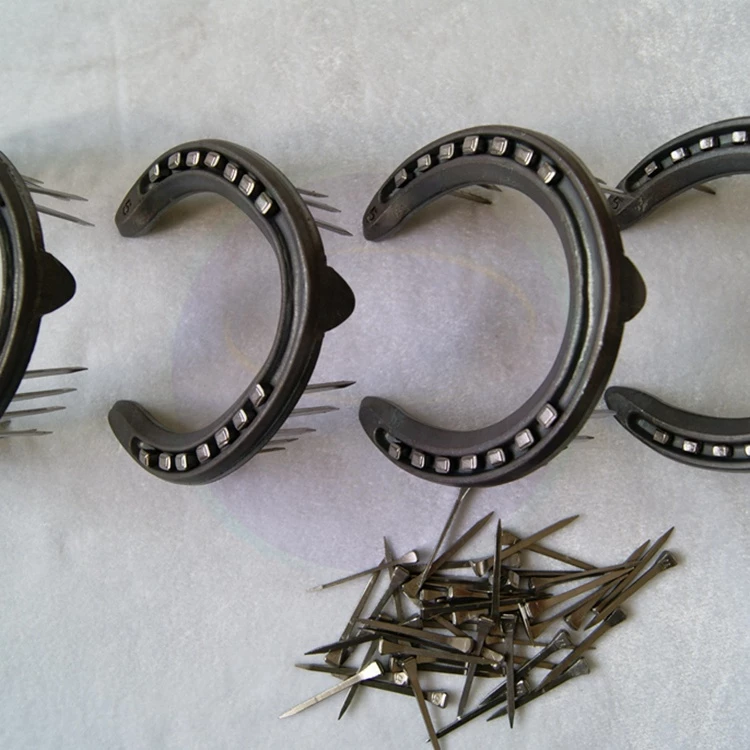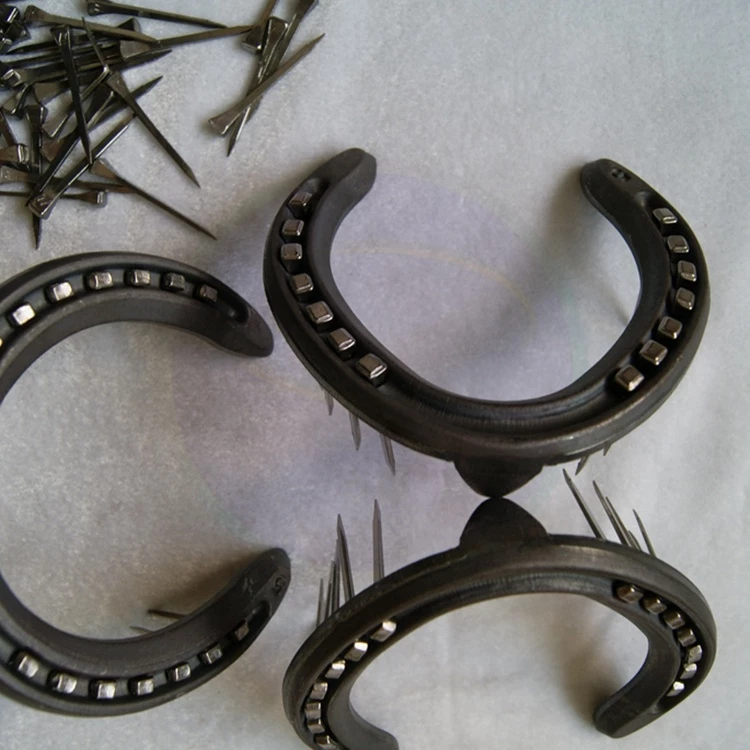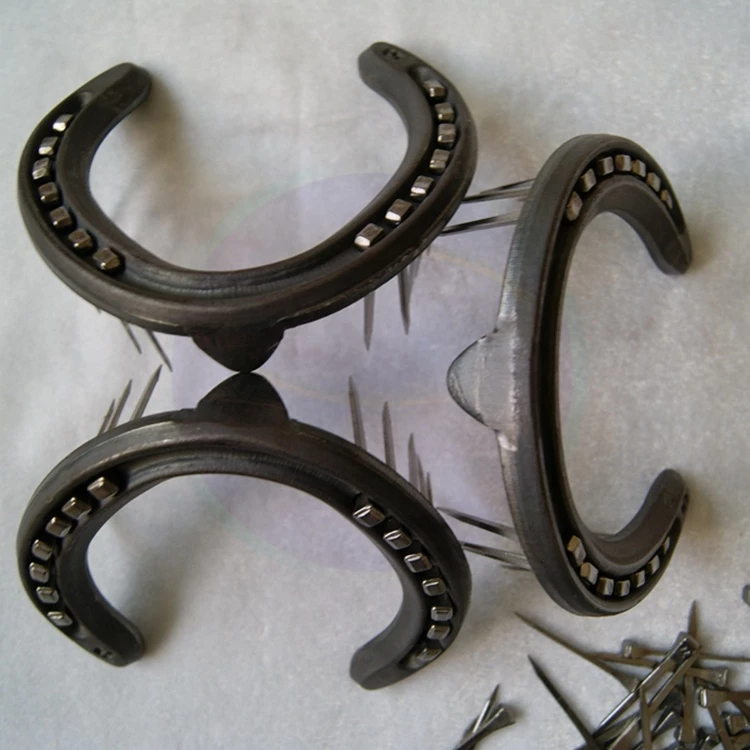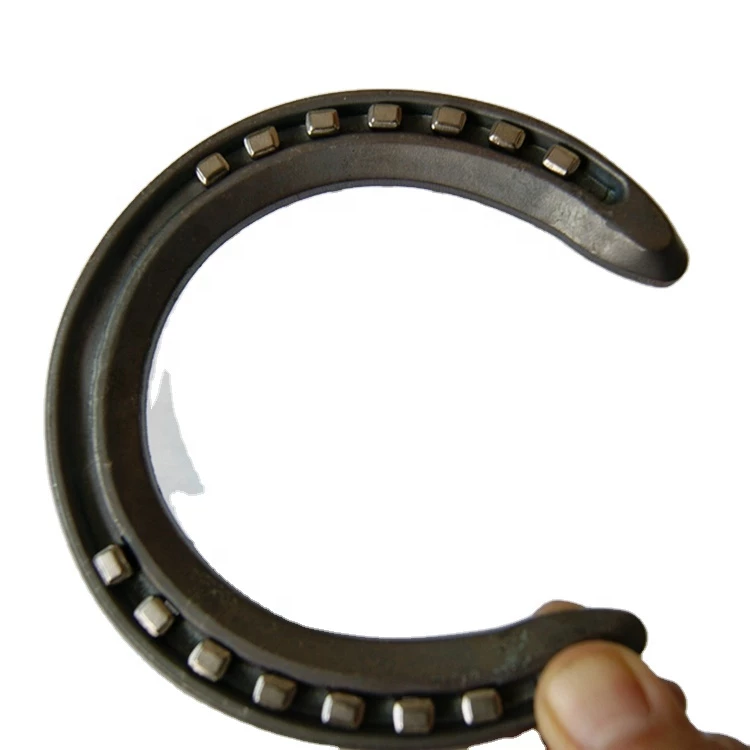

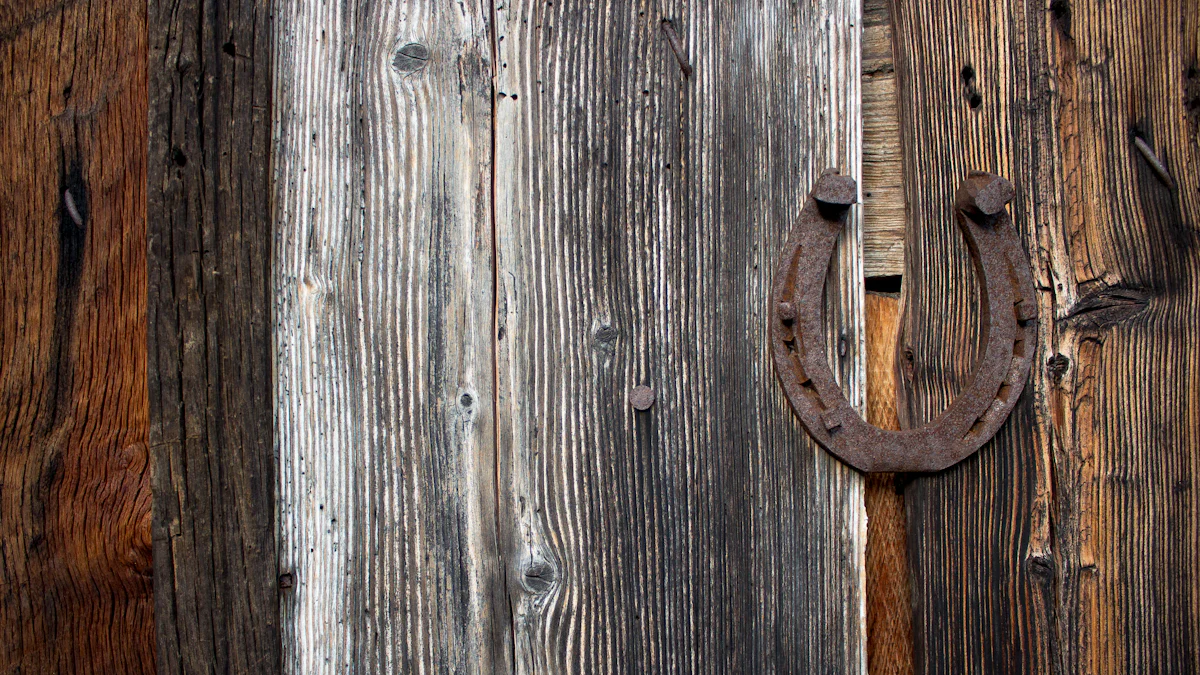
Sourcing china horseshoes offers a unique combination of affordability and quality. Chinese manufacturers excel in producing durable steel horseshoes with features like anti-slip surfaces and extended lifespans. For example, many suppliers from Shandong, China, use steel die forging to create smooth, rust-resistant products. However, finding reliable suppliers is crucial. You must verify certifications, inspect samples, and confirm adherence to quality standards. Attributes like material strength, size options, and packaging details can significantly impact your purchase. By prioritizing these factors, you ensure the horseshoes meet your performance needs while maintaining cost-effectiveness.
|
Attribute |
Details |
|---|---|
|
Material |
Steel |
|
Place of Origin |
Shandong, China |
|
Feature |
longer life span, better anti-slip |
|
Process |
Steel Die Forging |
|
Surface |
smooth, self-color, anti-rust treated |
Key Takeaways
-
Buying horseshoes from China can save money. Prices are between $0.77 and $1.75 each, making them affordable.
-
Check if the supplier is trustworthy by looking at certifications and reviews. This helps you work with dependable companies.
-
Ask for samples to check how good the horseshoes are. Testing makes sure they fit your needs.
-
Agree on clear prices and delivery times. Setting rules early makes the process easier.
-
Check the quality often and talk openly with suppliers. This builds trust and keeps the products good.
Benefits of Sourcing China Horseshoes
Cost-Effectiveness
Sourcing horseshoes from China offers significant cost advantages. Chinese manufacturers provide competitive pricing without compromising quality. For instance, the price of horseshoes in China ranges from $0.77 to $1.75 per piece, depending on the order size and type.
|
Source |
Price Range |
Minimum Order Quantity |
|---|---|---|
|
Chinese horseshoes |
$0.89 - $0.90 |
10 pieces |
|
China bulk horseshoes |
$1.25 - $1.75 |
1000 pieces |
|
Wholesale iron horseshoes |
$0.85 - $0.86 |
40 pieces |
These prices are often lower than those in other regions, making China an ideal choice for businesses seeking affordability. Bulk orders further reduce costs, allowing you to maximize your budget while maintaining product quality.
Expertise in Horseshoe Manufacturing
Chinese manufacturers excel in horseshoe production due to their advanced techniques and extensive experience. Many suppliers use drop-forged machines to create durable, high-performance horseshoes. This process ensures superior strength and longevity, making them suitable for demanding applications like horse racing.
-
Material: Steel
-
Place of Origin: Shandong, China
-
Features: Longer lifespan, excellent anti-slip performance
|
Feature |
Details |
|---|---|
|
Manufacturer |
China Horseshoes |
|
Production Technique |
Drop-forged horseshoe-making machine |
|
Quality |
Best horseshoe quality in China |
|
Scale of Production |
Largest horseshoe manufacturer in China |
By sourcing from China, you gain access to some of the best horseshoe manufacturers globally, ensuring your products meet high standards.
Customization and Variety
Chinese suppliers offer extensive customization options to meet your specific needs. You can request customized logos, graphic designs, or packaging for orders starting at 10,000 pieces.
|
Customization Type |
Minimum Order Quantity |
|---|---|
|
Customized logo |
10,000 pieces |
|
Graphic customization |
10,000 pieces |
|
Customized packaging |
10,000 pieces |
Additionally, Chinese manufacturers provide a wide variety of horseshoes, including steel, aluminum, rubber, and titanium options. This diversity allows you to cater to different customer preferences and applications.
|
Type of Horseshoe |
Price per Piece |
Minimum Order Quantity |
Customization Options |
|---|---|---|---|
|
Official Factory Horseshoes |
$0.92 |
2,000 pieces |
Customized logo, graphic, packaging |
|
Wholesale Iron Horseshoes |
$0.86 |
2,000 pieces |
Customized logo, graphic, packaging |
With these options, you can source products tailored to your market while maintaining competitive pricing.
Step-by-Step Guide to Sourcing Horseshoes from China
Finding Reliable Suppliers
Using Online Platforms
Online platforms are excellent starting points for finding suppliers of china horseshoes. These platforms allow you to browse a wide range of products, compare prices, and connect with manufacturers directly.
-
Advantages of Online Platforms:
-
Access to official factory horseshoes at sample prices as low as $0.92 per piece.
-
Wholesale iron horseshoes available for $0.86 per piece with a lead time of just three days.
-
Secure payment systems with SSL encryption and PCI DSS data protection.
-
|
Supplier Name |
Contact |
Phone |
Website |
|---|---|---|---|
|
Relia Horseshoes |
When using these platforms, focus on suppliers with clear product descriptions, transparent pricing, and responsive communication.
Attending Trade Shows and Industry Events
Trade shows like the China International Horse Fair provide opportunities to meet suppliers face-to-face. These events allow you to inspect products firsthand, discuss customization options, and build trust with manufacturers. Attending trade shows also helps you discover emerging trends and innovations in horseshoe manufacturing.
Verifying Supplier Credibility
Checking Certifications and Business Licenses
Always verify a supplier’s certifications and licenses to ensure they meet industry standards. Look for ISO certifications, such as ISO 9001 for quality management or ISO 14001 for environmental responsibility. These certifications indicate a commitment to high-quality production and ethical practices.
Reading Reviews and Requesting References
Customer reviews and ratings offer valuable insights into a supplier’s reliability. Be cautious of overly positive feedback, as it may not always reflect reality. Request references from previous clients to confirm the supplier’s track record. Reliable suppliers often provide samples or inspection reports to demonstrate their capabilities.
Tip: Watch for red flags like unclear contract terms, frequent late deliveries, or a lack of transparency. These issues can signal potential problems down the line.
Ordering and Evaluating Samples
Assessing Material Quality (e.g., Steel Durability)
Request samples to evaluate the material quality of the horseshoes. Steel is a popular choice due to its durability and cost-effectiveness. For performance-focused applications, consider aluminum for its lightweight properties or synthetic materials for shock absorption.
Testing for Performance and Fit
Test the samples under real-world conditions. Assess how well the horseshoes perform on different terrains and whether they fit securely on the horse’s hooves. Consult a farrier for professional advice, especially if you need specialized designs like bar shoes for additional support or heart bar shoes for laminitis cases.
Note: High-quality horseshoes should balance durability, comfort, and performance to meet the needs of both the horse and rider.
Negotiating Terms
Setting Clear Expectations for Pricing and Lead Times
When negotiating with Chinese suppliers, clarity is essential. Start by outlining your expectations for pricing and lead times in detail. This approach ensures both parties understand the terms from the beginning. Begin the negotiation process with a polite email or call to express interest in their products. Research market prices beforehand to strengthen your position. Use this knowledge to make an anchored offer that sets the tone for the discussion.
Suppliers often provide counteroffers, so stay calm and evaluate them carefully. If you plan to place bulk orders, use this as leverage to request discounts. For example, offering to increase your order size can encourage the supplier to lower the price or shorten lead times. Additionally, consider negotiating non-price factors, such as faster shipping or better packaging options.
Patience plays a key role in successful negotiations. Chinese suppliers may use silence or delays to test your determination. Avoid rushing into agreements and take the time to build trust. Always maintain professionalism, as this helps establish a strong foundation for a long-term partnership.
Tip: Ask for a detailed cost breakdown. This transparency gives you more control during negotiations and helps identify areas where you can save.
Discussing Payment Methods and Terms
Payment terms with Chinese suppliers typically follow a standard structure. Most agreements involve a 30% prepayment and 70% payment upon production completion. However, for new importers or custom orders, suppliers may request a higher advance, sometimes up to 50%.
To minimize risks, consider splitting payments into three stages. For instance, pay 30% upfront, 40% after a quality inspection at shipping, and the remaining 30% after reviewing the final order. This structure ensures the supplier covers production costs while giving you control over the process.
When discussing payment methods, prioritize secure options. Bank transfers are common, but platforms like Alibaba Trade Assurance offer additional protection. Always confirm the supplier’s bank details to avoid fraud.
Note: Building trust with your supplier reduces the likelihood of payment disputes. Clear communication and mutual respect are key to a smooth transaction.
By setting clear expectations and negotiating payment terms effectively, you can source china horseshoes with confidence while minimizing risks.
Ensuring Product Quality
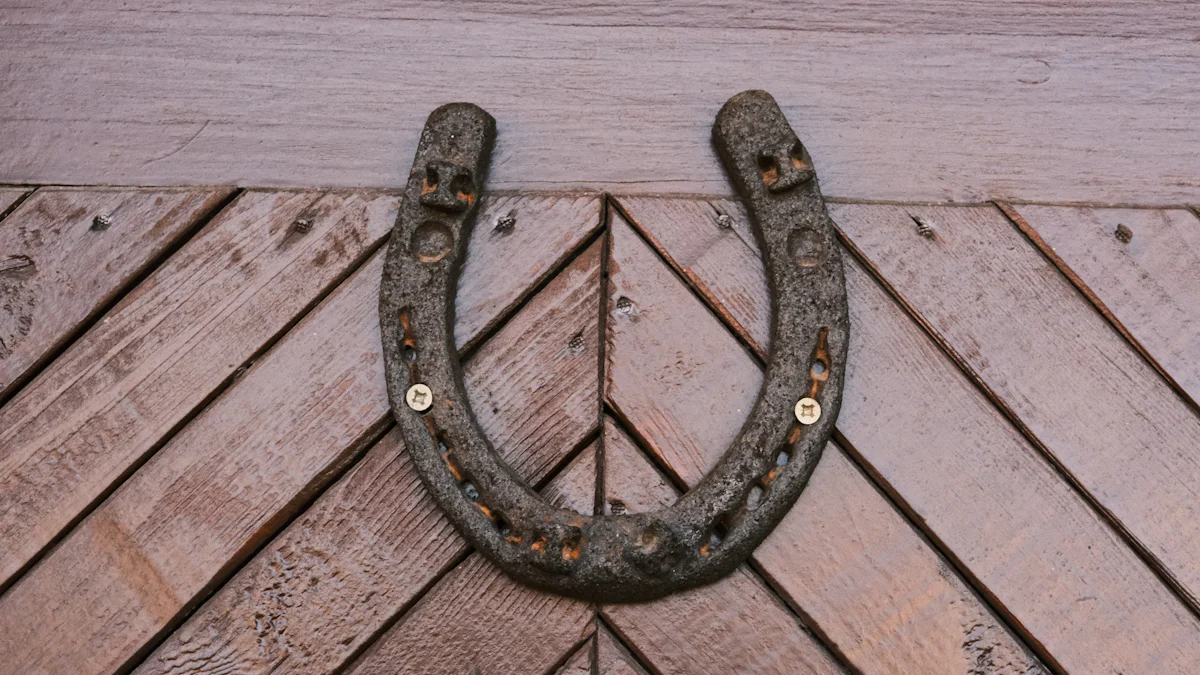
Conducting Factory Audits
Factory audits are essential to ensure the quality of horseshoes you source from China. By visiting the manufacturer’s facility, you can evaluate their production capabilities and adherence to quality standards. Follow these steps to conduct an effective audit:
-
Define your quality requirements. Specify product features, acceptable tolerances, and testing criteria.
-
Select reliable suppliers with a proven track record. Assess their production processes and quality management systems.
-
Develop a quality control plan. Outline inspection points and testing procedures for each production stage.
-
Conduct pre-production inspections. Verify that the supplier understands your specifications and has the necessary materials.
-
Perform in-process inspections. Monitor production regularly to identify issues early.
-
Inspect the final products. Ensure the finished goods meet your quality benchmarks before shipment.
-
Use random sampling techniques. This ensures an unbiased assessment of product quality.
-
Engage third-party inspection services. Independent inspectors can provide an impartial evaluation of the factory’s operations.
A thorough factory audit helps you identify potential risks and ensures the supplier can meet your expectations.
Arranging Third-Party Inspections
Third-party inspections add an extra layer of assurance to your sourcing process. These inspections involve hiring independent agencies to evaluate the quality of your horseshoes. Inspectors assess the materials, dimensions, and performance of the products. They also verify compliance with your specifications.
Third-party inspectors often use advanced tools to test the durability and fit of horseshoes. For example, they may measure the steel’s hardness or check for anti-slip properties. These inspections are especially useful if you cannot visit the factory in person. Reputable agencies like SGS and Bureau Veritas specialize in conducting unbiased evaluations.
By arranging third-party inspections, you minimize the risk of receiving substandard products. This step ensures that the china horseshoes you order meet your quality standards.
Establishing Quality Control Standards
Setting clear quality control standards is crucial for consistent product quality. Start by defining explicit benchmarks for materials, dimensions, and performance. Provide detailed documentation, such as technical drawings and testing criteria, to your supplier.
Develop a comprehensive quality control plan. Include regular product testing and inspections at different production stages. Pre-contract audits can help verify the supplier’s manufacturing capabilities. Once production begins, maintain open communication to track progress and address any issues.
Consider hiring independent quality control agencies to conduct inspections. These agencies ensure compliance with your standards and provide unbiased feedback. Establishing a culture of quality from the outset helps build trust with your supplier and ensures long-term success.
Tip: Continuous communication with your supplier is key. Regular updates and feedback help maintain quality and prevent misunderstandings.
Managing Logistics and Shipping
Choosing the Right Shipping Method
Comparing Air Freight and Sea Freight
Selecting the right shipping method depends on your shipment size, urgency, and budget. For large, non-urgent orders, sea freight is the most cost-effective option. It allows you to ship in bulk, significantly reducing costs per unit. However, sea freight takes longer, often requiring several weeks for delivery.
Air freight offers faster delivery, making it ideal for medium-sized, time-sensitive shipments. While it costs more than sea freight, it balances speed and expense for urgent orders. For small, high-priority shipments, courier services provide door-to-door delivery. Although this method is the most expensive, it ensures quick and reliable transportation.
-
Sea Freight: Best for bulk shipments; lower cost but slower.
-
Air Freight: Suitable for medium-sized, urgent shipments; faster but more expensive.
-
Courier Services: Ideal for small, urgent shipments; highest cost but offers convenience.
When deciding, consider your priorities. If cost is your main concern, sea freight is the way to go. For faster delivery, air freight or courier services may be better options.
Navigating Customs Clearance
Customs clearance can be a complex process, but proper preparation simplifies it. Start by ensuring all required documents are accurate and complete. These typically include a commercial invoice, packing list, bill of lading, and any necessary certificates.
Work with a reliable customs broker to navigate regulations in your country. Brokers help you avoid delays by ensuring compliance with import laws. Additionally, familiarize yourself with the Incoterms (e.g., FOB, EXW, CIF) agreed upon with your supplier. These terms determine who handles export duties and shipping costs.
Tip: Always double-check your paperwork to prevent errors that could lead to fines or delays.
Managing Costs and Avoiding Hidden Fees
Shipping costs can add up quickly, but you can take steps to manage them effectively. Start by negotiating with freight forwarders for better rates. Building strong relationships with these providers often leads to cost savings.
Optimize your packaging to reduce wasted space. Efficient packaging lowers shipping costs by maximizing container usage. Consolidating shipments from multiple suppliers into one container also helps reduce costs per unit.
Request quotes from multiple freight forwarders to compare rates and services. This ensures you get the best deal for your needs. Finally, choose the shipping method that aligns with your priorities. Sea freight works best for cost savings, while air freight or courier services suit urgent shipments.
-
Negotiate with Freight Forwarders: Build relationships to secure better rates.
-
Optimize Packaging: Use space efficiently to lower costs.
-
Consolidate Shipments: Combine smaller orders to reduce costs per unit.
-
Compare Quotes: Evaluate multiple options to find the best rates.
By following these strategies, you can minimize shipping expenses and avoid unexpected fees.
Building Long-Term Relationships with Suppliers
Communicating Effectively with Chinese Manufacturers
Effective communication is the foundation of a strong supplier relationship. You should prioritize transparency and establish clear communication protocols to avoid misunderstandings. Recognizing cultural differences also plays a significant role. For example, Chinese business culture values collaboration and mutual respect. Adopting a polite and professional tone fosters trust and strengthens partnerships.
To enhance communication, consider using digital tools that streamline interactions. Platforms like WeChat or Zoom allow for real-time discussions, reducing delays. Moving away from email and adopting interactive channels can improve efficiency. Additionally, setting clear expectations for response times and preferred communication methods ensures smoother collaboration.
-
Tips for Effective Communication:
-
Understand cultural nuances to build rapport.
-
Use digital tools like WeChat for faster responses.
-
Establish clear guidelines for communication.
-
Maintaining Regular Quality Checks
Regular quality checks are essential for ensuring the horseshoes you source meet your standards. By inspecting products during production, you can identify and address issues early. This proactive approach prevents costly reworks and reduces material waste. It also ensures that the final products align with your specifications.
Consistent quality inspections help you maintain customer trust. When your products consistently meet expectations, you build a strong reputation in the market. This reliability encourages repeat business and strengthens your brand.
Quality checks also improve operational efficiency. By identifying defects early, you minimize disruptions and streamline production. Over time, this continuous improvement approach enhances your supplier’s performance and your overall supply chain.
Avoiding Common Pitfalls
Building long-term relationships with Chinese suppliers requires careful planning. Avoid aggressive negotiation tactics, as they can harm trust. Instead, adopt a collaborative approach that emphasizes mutual benefits.
Do not focus solely on price. While affordability is important, reliability and communication are equally critical. Ensure your product specifications are clear to prevent misunderstandings. Strong relationships often depend on clarity and mutual respect.
Safeguard intellectual property rights to protect your designs and innovations. Engage in relationship-building activities, such as factory visits or regular check-ins, to strengthen trust. Finally, recognize that not all suppliers are the same. Evaluate each one individually and conduct thorough legal due diligence to ensure compliance with local regulations.
-
Common Pitfalls to Avoid:
-
Fixating only on price instead of reliability.
-
Ignoring cultural differences in communication.
-
Over-relying on one supplier without diversifying.
-
By addressing these challenges, you can build a sustainable partnership with your china horseshoes supplier.
Sourcing china horseshoes effectively requires a strategic approach. Start by identifying reliable suppliers to ensure a consistent supply. Analyze pricing carefully to find economical options and leverage Free Trade Agreements to reduce import costs. Focus on quality control through factory audits and third-party inspections. Building strong supplier relationships offers long-term benefits, such as better negotiation outcomes and priority treatment. Trust and cultural understanding strengthen these partnerships. By taking these proactive steps, you can secure high-quality products while minimizing risks and maximizing value.
FAQ
What is the minimum order quantity (MOQ) when sourcing horseshoes from China?
The MOQ varies by supplier. Many manufacturers require a minimum of 10 pieces for standard orders. For customized products, the MOQ often starts at 10,000 pieces. Always confirm this detail before placing an order.
How can you ensure the quality of horseshoes from Chinese suppliers?
Request samples to evaluate material and performance. Conduct factory audits or hire third-party inspectors to verify production standards. Establish clear quality control benchmarks and maintain regular communication with your supplier.
What payment methods are safest when dealing with Chinese manufacturers?
Split payments into stages, such as 30% upfront and 70% after production, to minimize risks. Always verify the supplier’s bank details to avoid fraud.
How long does shipping from China typically take?
Shipping times depend on the method. Sea freight usually takes 4–6 weeks, while air freight delivers in 5–10 days. Courier services provide the fastest option, often within 3–7 days, but at a higher cost.
Can you negotiate prices with Chinese suppliers?
Yes, you can negotiate prices, especially for bulk orders. Research market rates beforehand to strengthen your position. Use order size or long-term partnerships as leverage to request discounts or better terms.