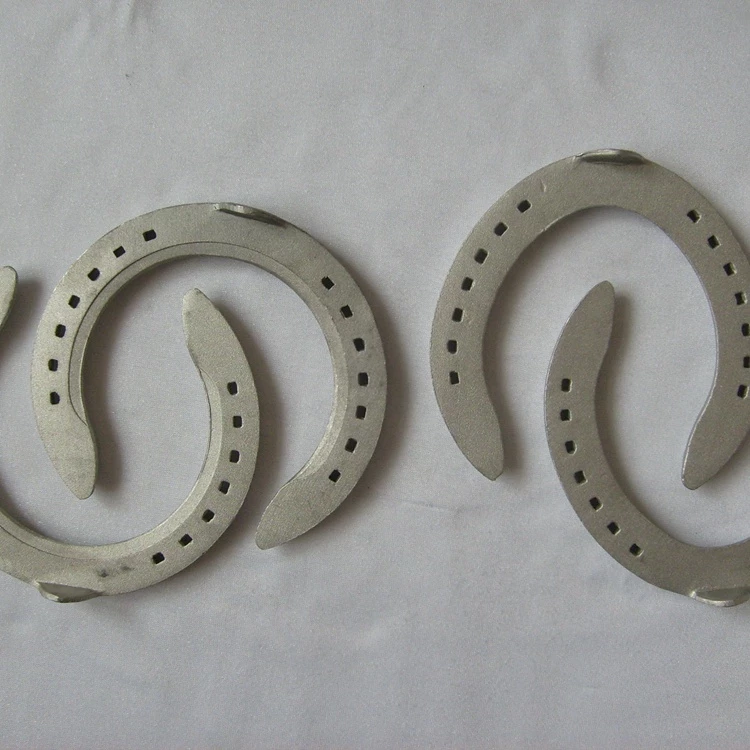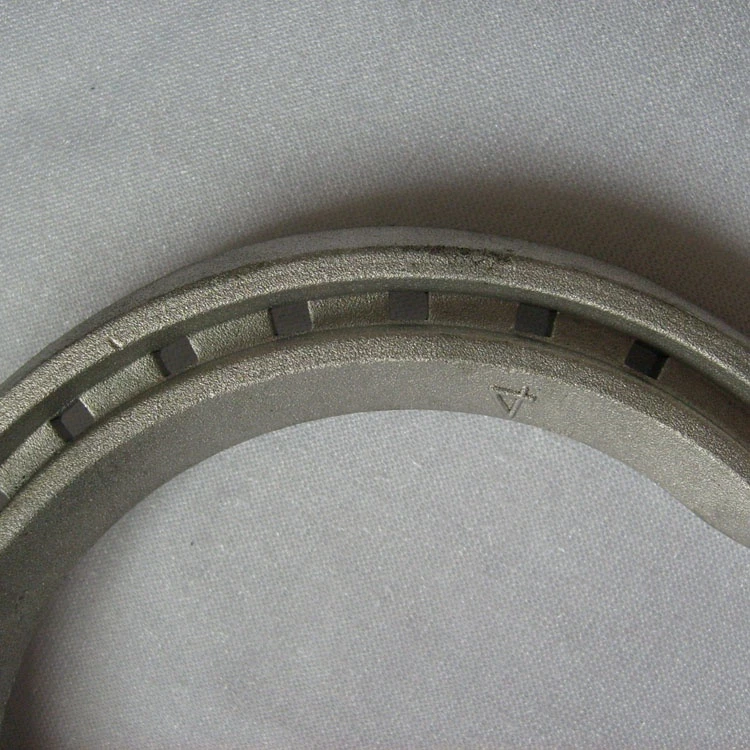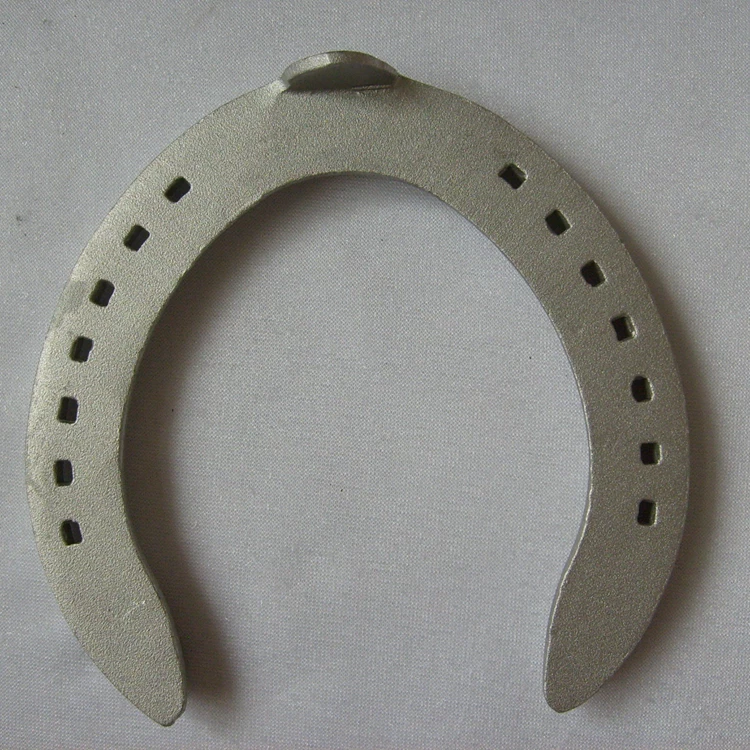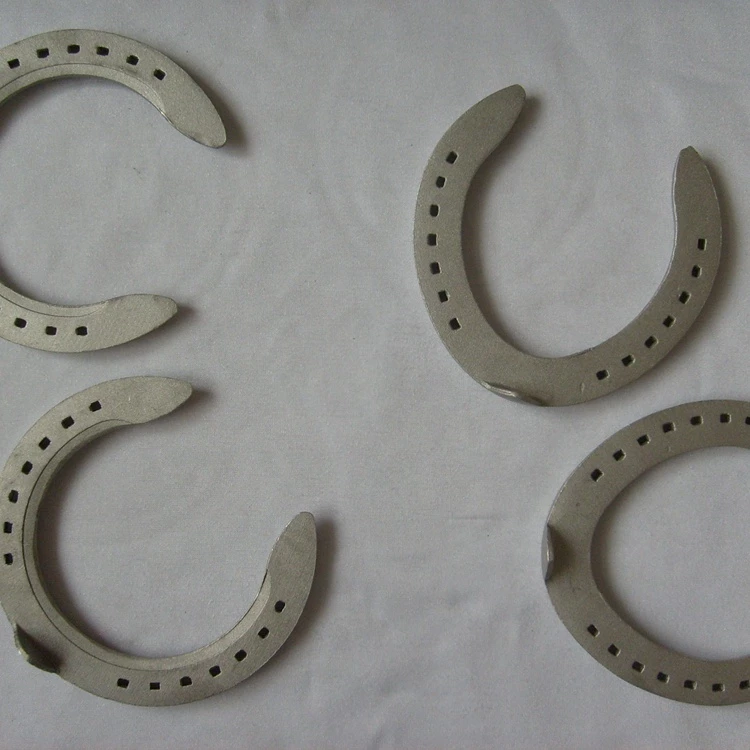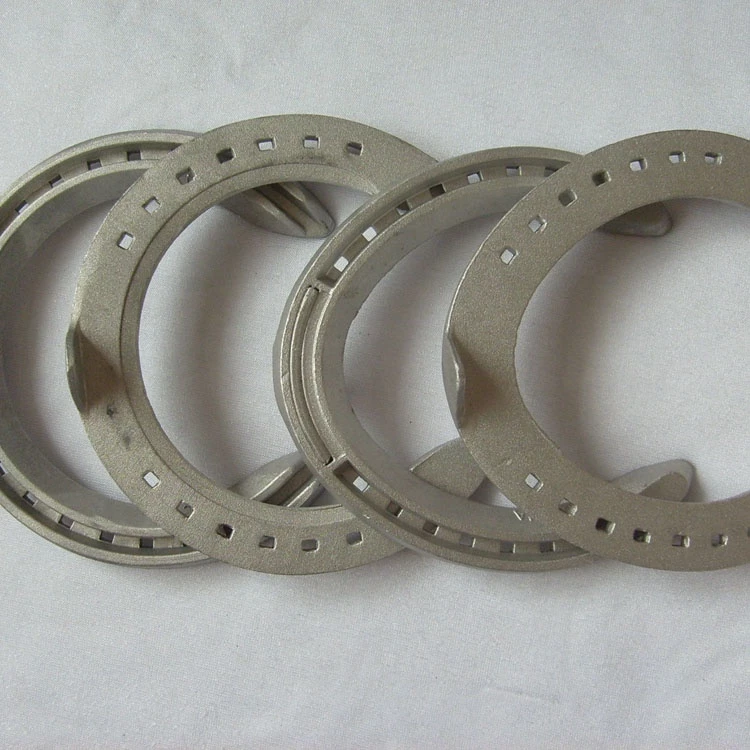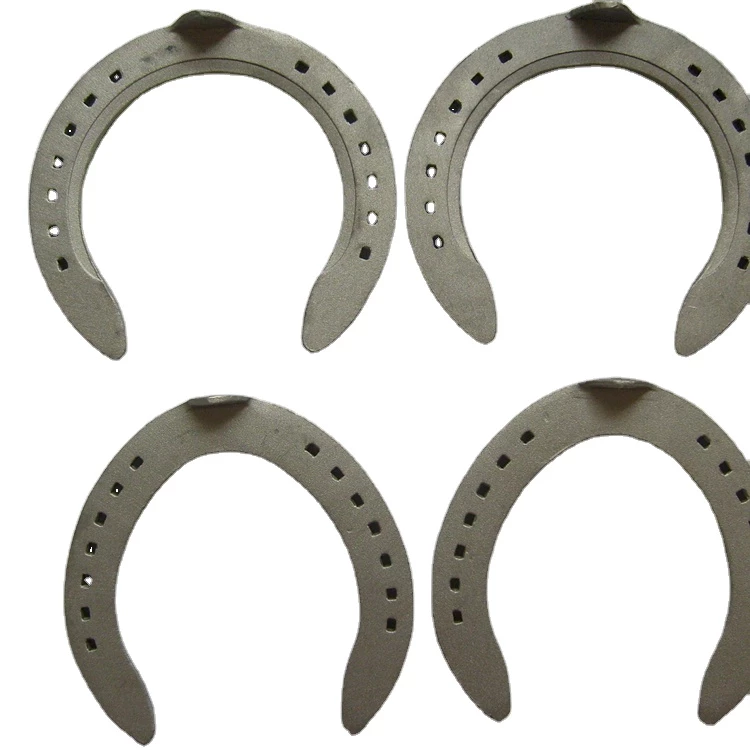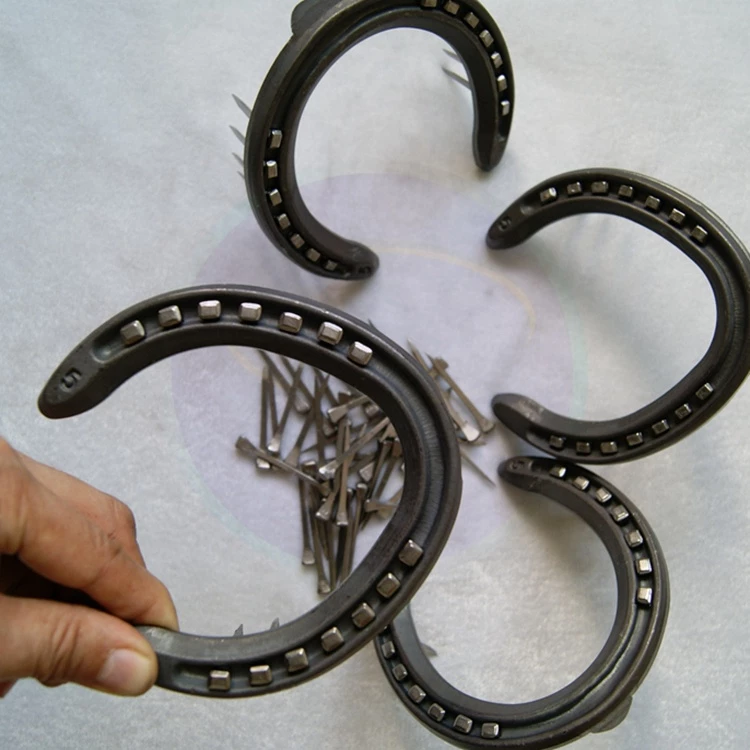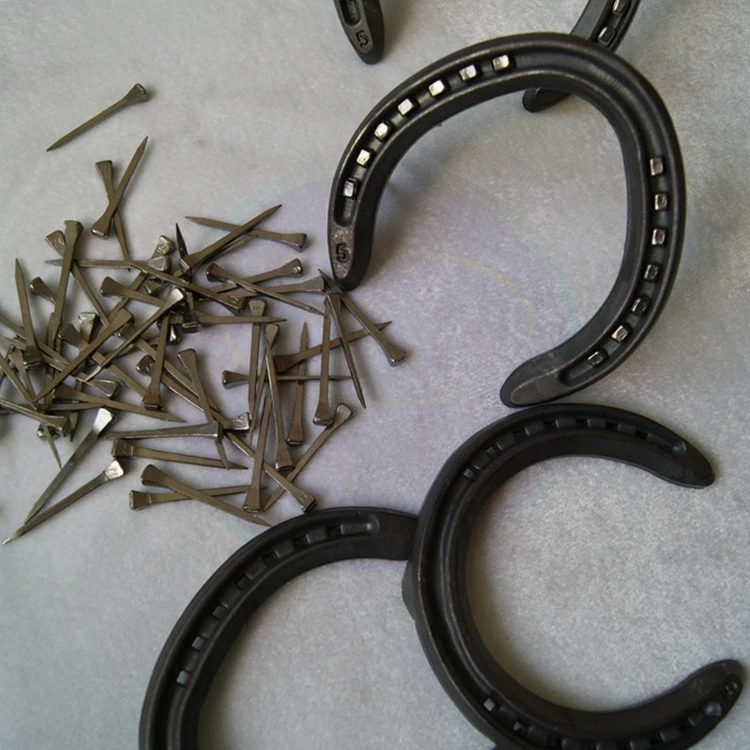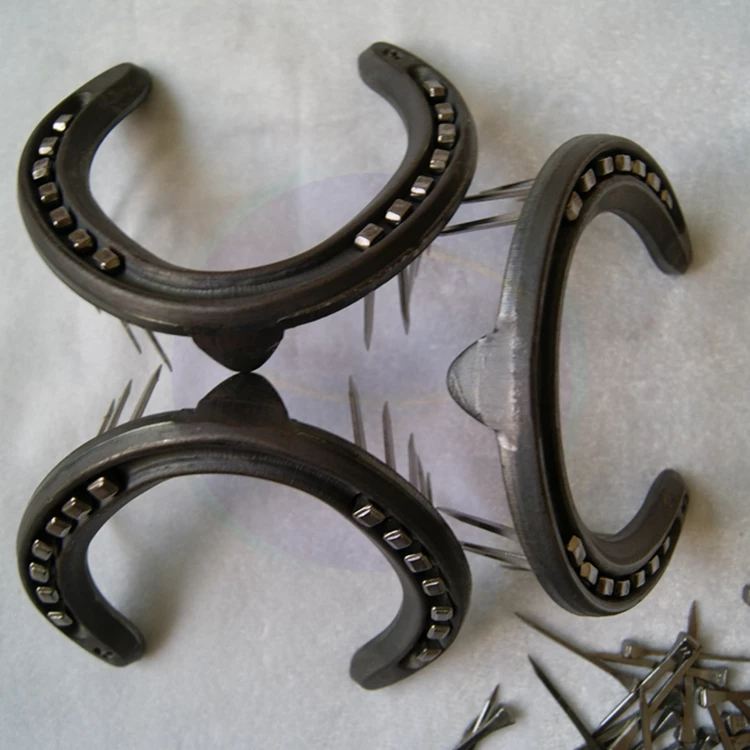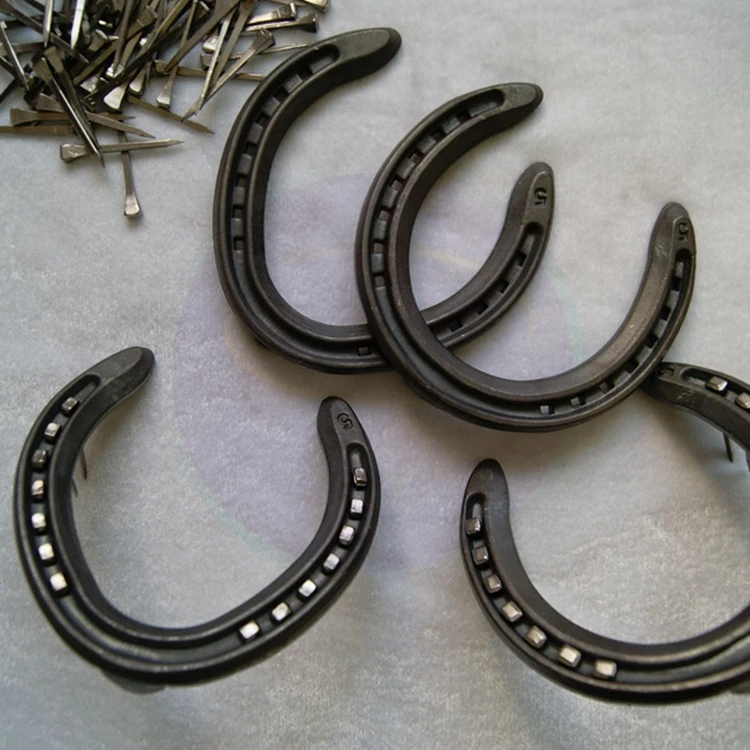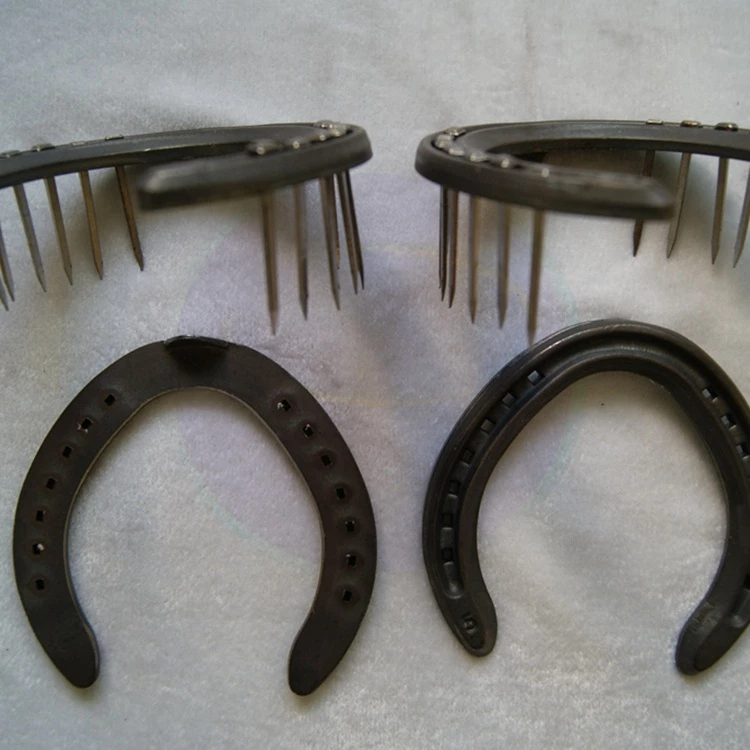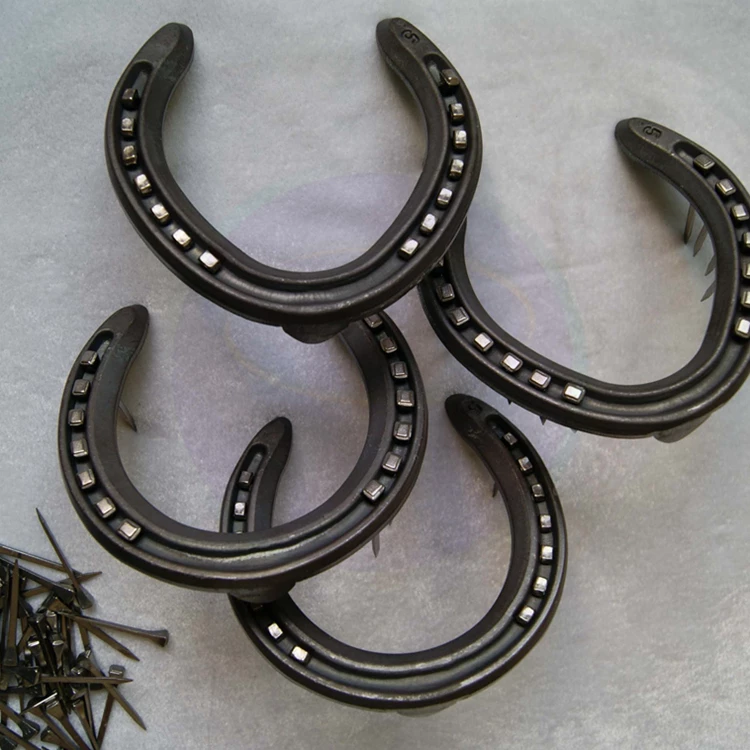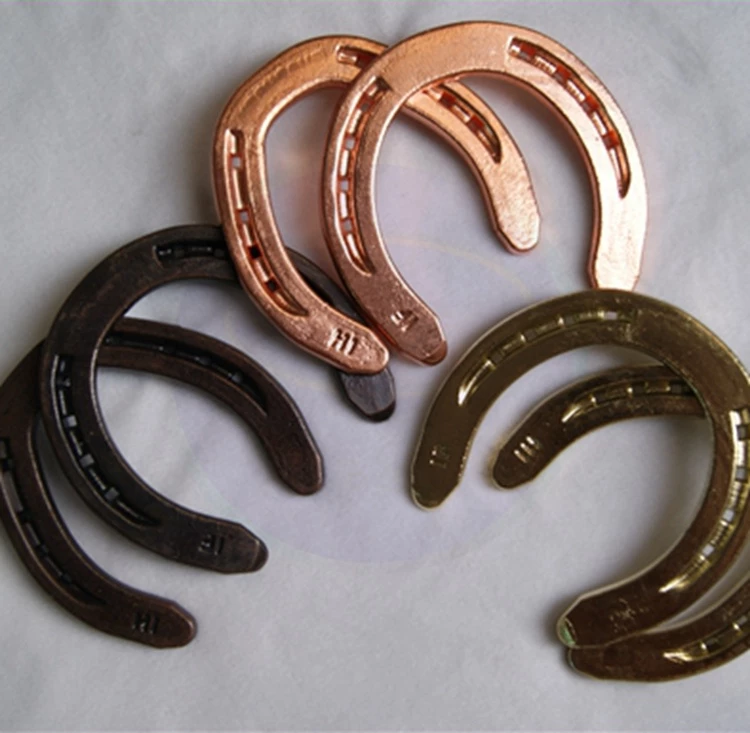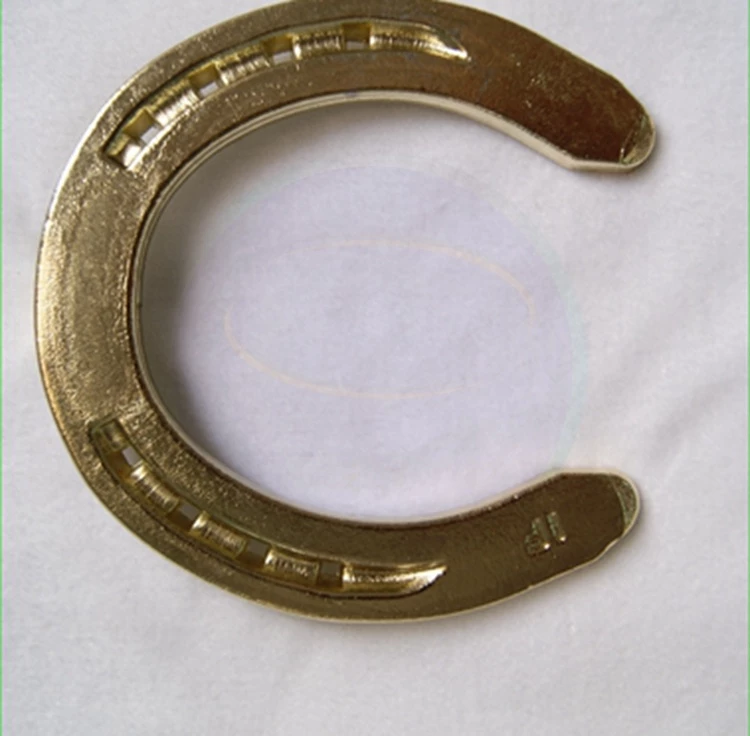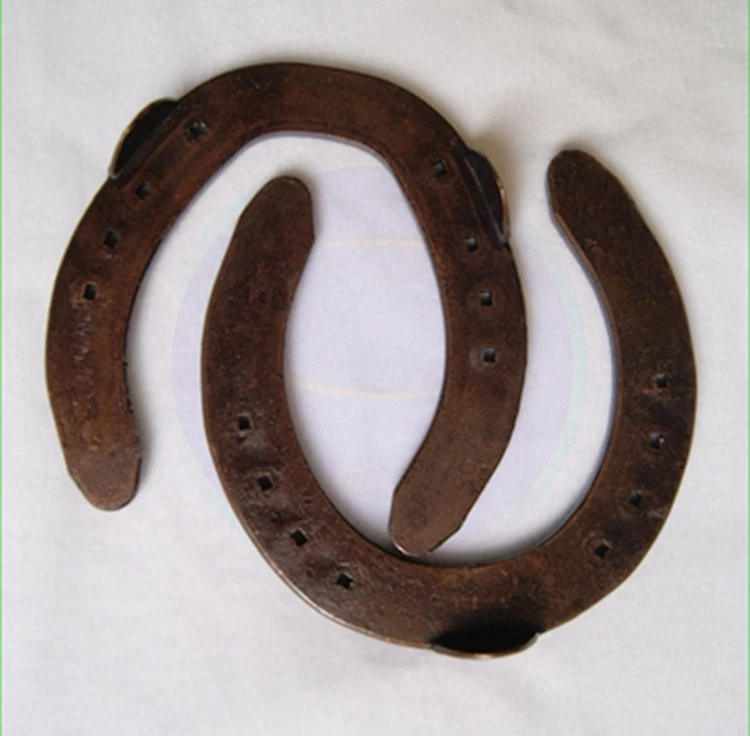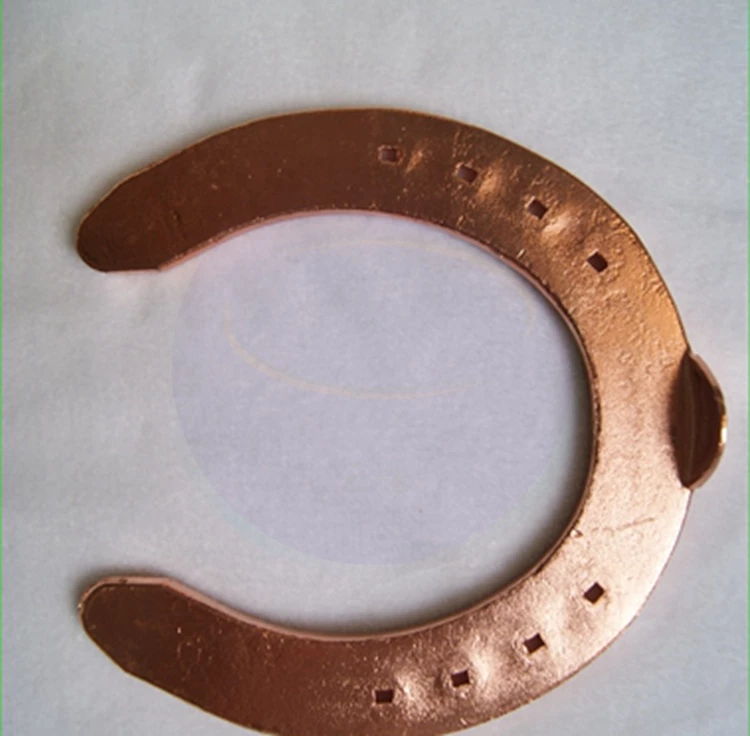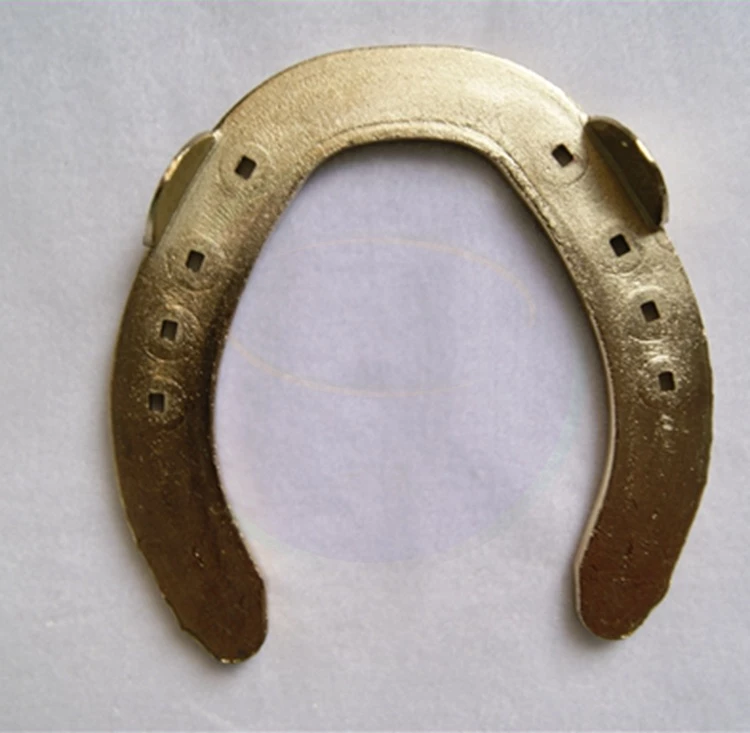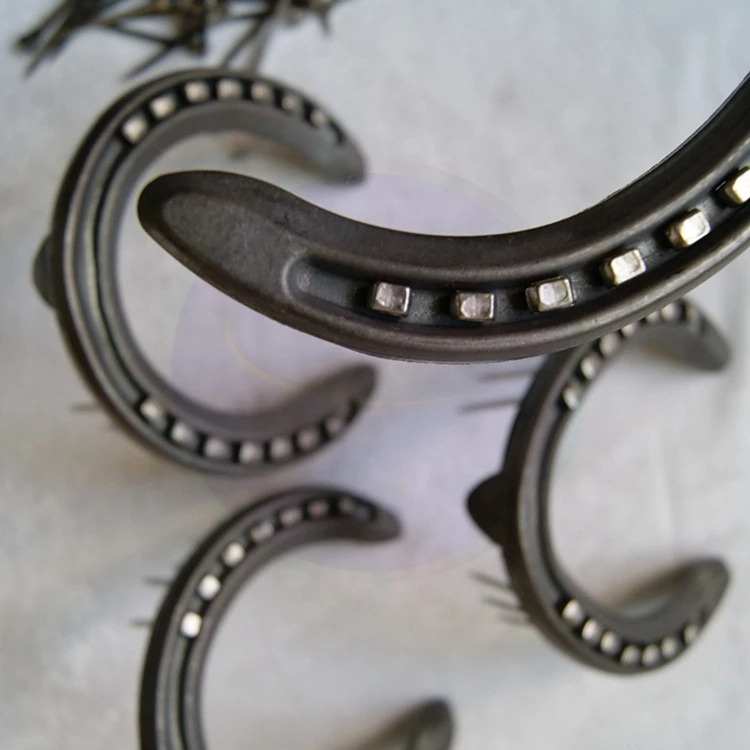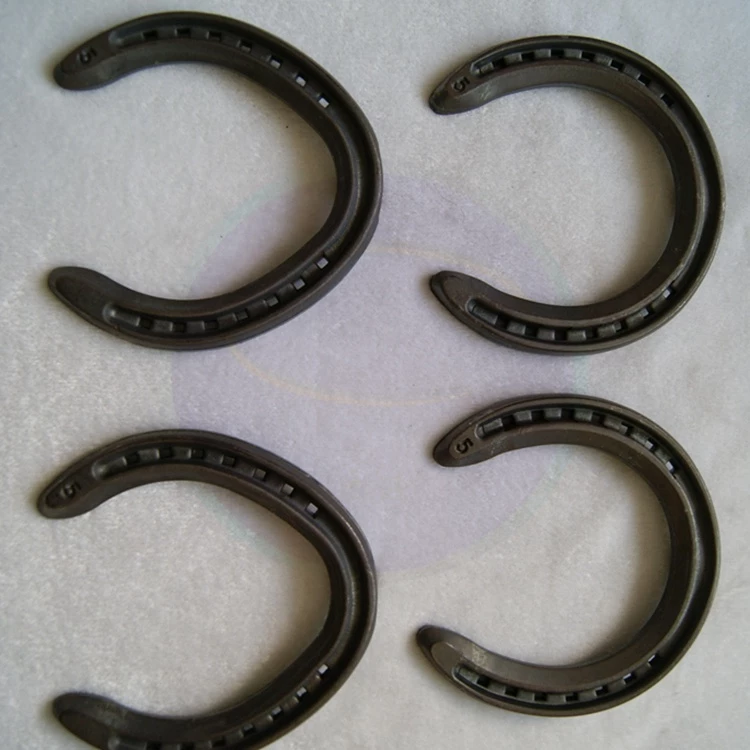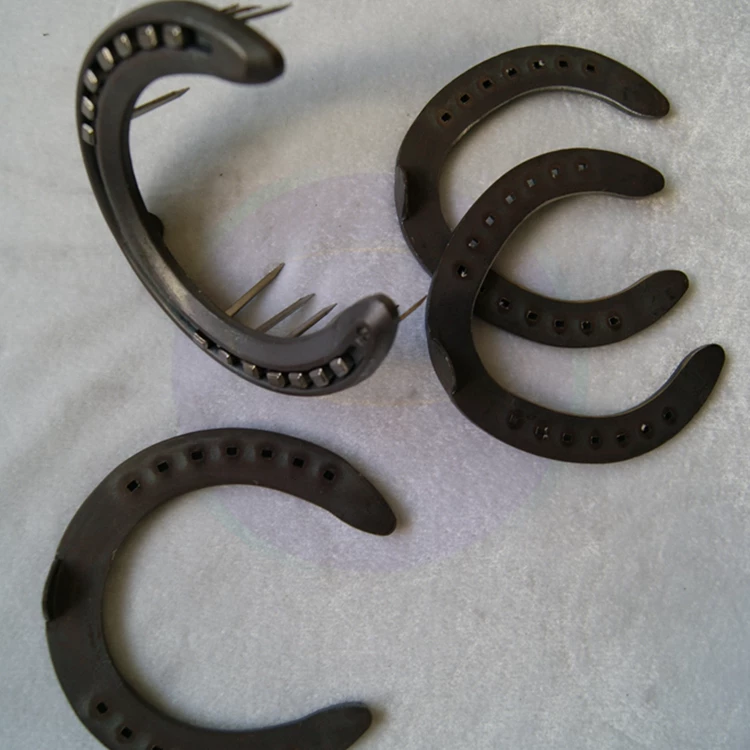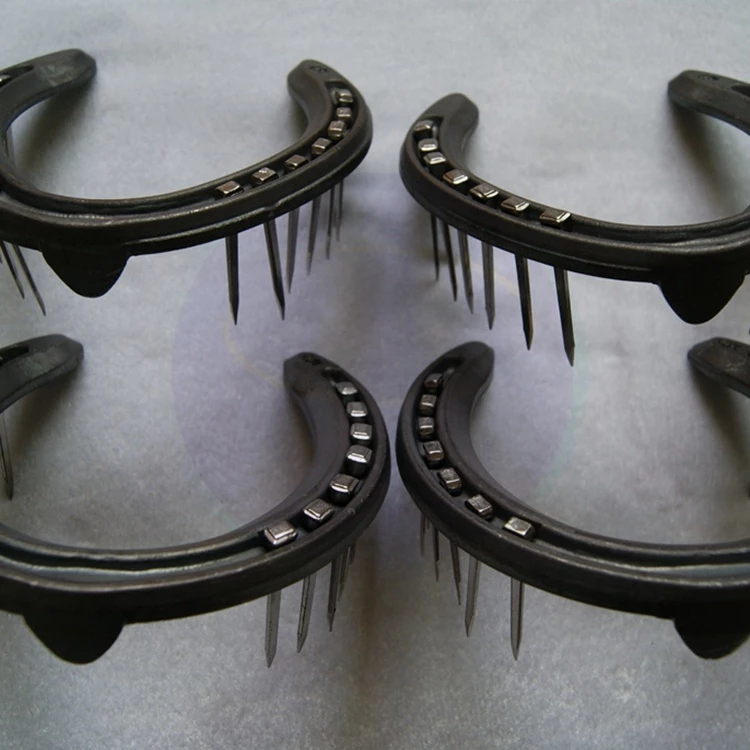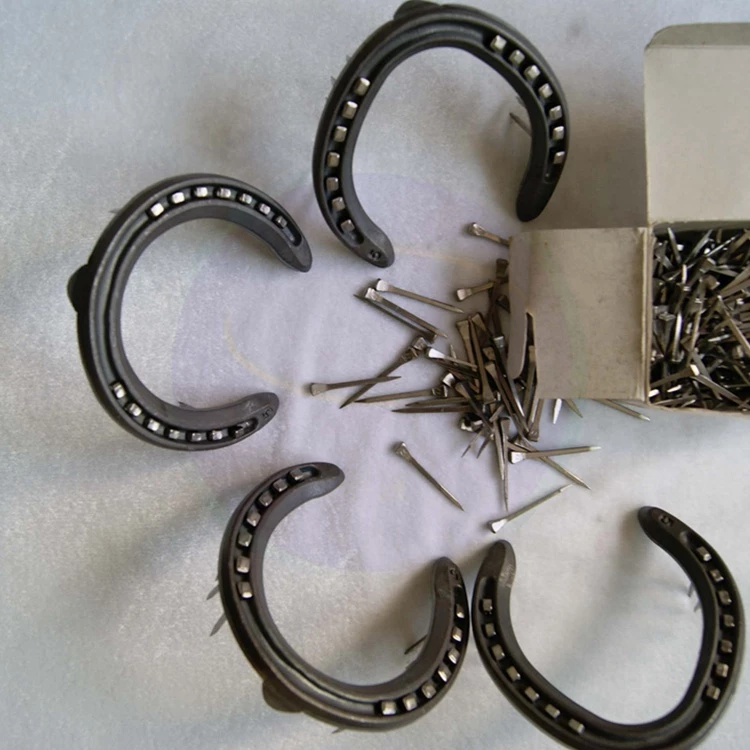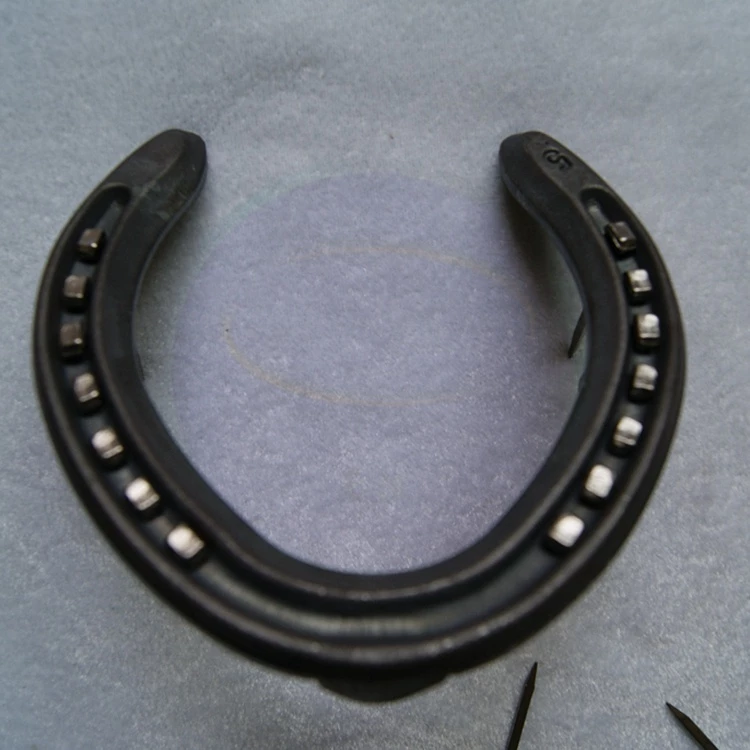

A horseshoe protects your horse’s hooves and enhances their performance. It shields the hooves from damage caused by rough terrain or sharp objects. Horseshoes also improve traction, helping your horse move confidently on icy or uneven surfaces. For horses with medical conditions like laminitis, specialized shoes provide extra support and reduce pain. They also distribute weight evenly across the hoof, preventing strain and injuries. Some horseshoes even absorb shock, reducing joint stress and ensuring comfort. Whether your horse works on rocky trails or competes in events, a well-fitted horseshoe plays a vital role in their health and safety.
Key Takeaways
- Horseshoes keep a horse's hooves safe and improve movement on different grounds.
- Well-fitted horseshoes help horses grip better on slippery or rough surfaces.
- Horseshoes need care; call a farrier every 6 to 8 weeks for hoof health.
- Some horses don't need shoes; check their hooves, activity, and ground type.
- Talk to a good farrier to fit shoes and avoid hoof problems.
What Is a Horseshoe?
Definition and Purpose
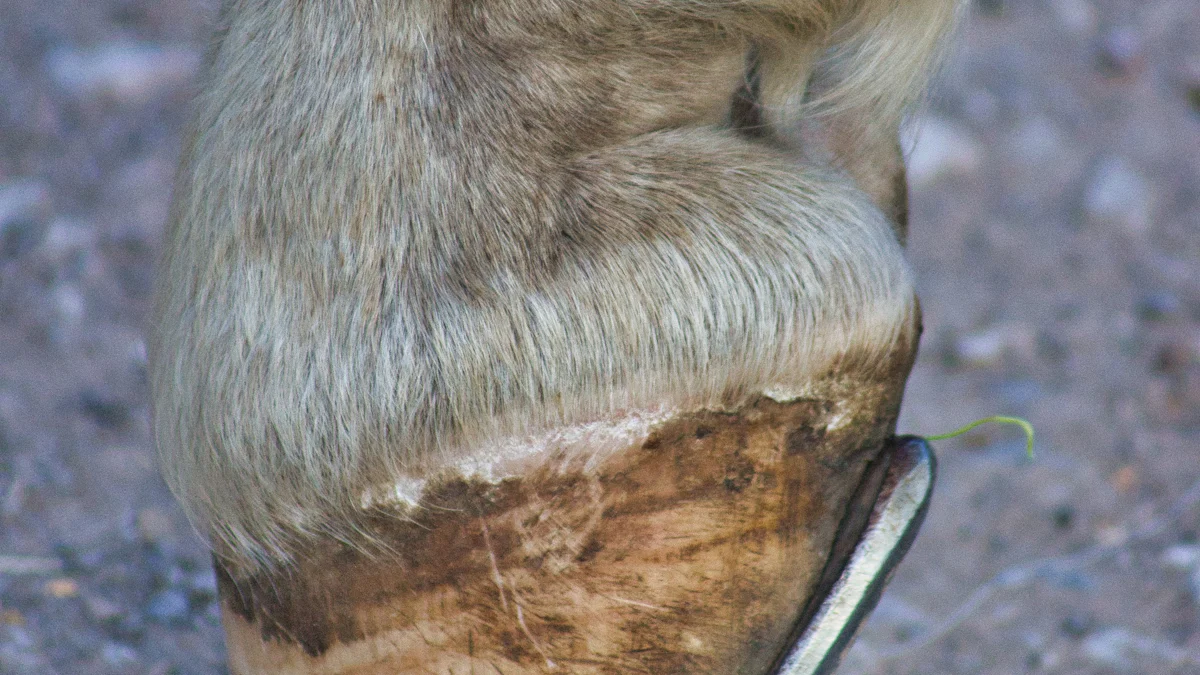
A horseshoe is a protective device designed to safeguard a horse's hooves. It is typically nailed or glued to the bottom of the hoof to prevent damage caused by rough surfaces or excessive wear. Horseshoes also improve a horse's performance by providing better traction and stability. Historically, people began using horseshoes to protect domestic horses' hooves from injuries caused by soft or wet terrain. Early methods involved wrapping hooves in leather or rawhide for protection. By the sixth century, horsemen started nailing metal shoes onto hooves to address wear caused by damp conditions. Over time, the horseshoe evolved into the durable and functional tool you see today.
Materials Used in Horseshoes
Modern horseshoes are made from a variety of materials, each chosen for specific purposes. Steel is the most common material because of its strength and durability. It works well for horses involved in heavy-duty tasks or high-impact activities. Aluminum is another popular choice. It is lightweight, making it ideal for racehorses or horses that need more freedom of movement. Plastic horseshoes, made from polyurethane, are flexible and reduce the impact on a horse's joints. Composite horseshoes combine materials like steel and polyurethane to provide stability while minimizing hoof damage. In the past, horseshoes were made from leather, wood, and even cast bronze before iron became the standard material in the 14th century.
The U-Shape Design and Its Function
The U-shape of a horseshoe is not just for appearance. This design mirrors the natural shape of a horse's hoof, ensuring a snug and secure fit. The open end of the U allows the hoof to expand and contract naturally as the horse moves. This flexibility helps maintain proper blood circulation in the hoof. The U-shape also provides optimal coverage and protection for the hoof wall, which bears most of the horse's weight. Additionally, the design helps distribute the horse's weight evenly, reducing strain on the hooves and legs.
Why Do Horses Need Horseshoes?
Protection from Wear and Tear
Your horse’s hooves endure constant stress from their environment. Without proper protection, they can weaken or crack over time. Several factors contribute to this wear and tear:
- Insufficient moisture balance can dry out hooves, leading to cracks.
- Poor nutrition, especially a lack of minerals like biotin and zinc, weakens hoof structure.
- Improper trimming or shoeing disrupts hoof balance, increasing the risk of damage.
- Rough terrain, such as rocky or wet surfaces, puts extra strain on hooves.
- Hoof infections and genetic predispositions can also compromise hoof health.
A horseshoe acts as a barrier between the hoof and the ground, reducing the impact of these factors. It prevents cracks and other injuries, ensuring your horse stays comfortable and active.
Enhancing Performance and Traction
Horseshoes improve your horse’s ability to move confidently on challenging surfaces. Special designs, like calks or studs, provide extra grip on slippery terrain. For example, draft horses once wore "sharp shod" shoes in winter to navigate icy roads. Modern horseshoes use materials like Borium to enhance traction on frozen dirt or uneven ground. These features allow your horse to perform at their best, whether they’re working, competing, or simply enjoying a trail ride.
Supporting Hoof Health and Correcting Issues
Horseshoes also address specific hoof problems. They can correct imbalances that stress ligaments and joints. For horses with long toes or collapsed heels, a well-fitted shoe reduces strain on tendons and bones. Horseshoes also stabilize the hoof during conditions like laminitis, preventing further damage. By supporting and protecting the hoof, they help your horse stay healthy and pain-free.
How Are Horseshoes Applied?
The Role of a Farrier
A farrier plays a crucial role in maintaining your horse's hoof health. This professional specializes in trimming hooves and applying horseshoes. To perform these tasks effectively, a farrier must possess a unique combination of skills and knowledge.
| Qualification/Skill | Description |
|---|---|
| Knowledge of Anatomy | Understanding the structure of the horse's hoof and body. |
| Knowledge of Physiology | Understanding how the horse's body functions. |
| Knowledge of Pathology | Ability to identify diseases affecting the hoof. |
| Knowledge of Gaits | Understanding different horse movements and their impact on hoof care. |
| Shoe Fit | Skills in ensuring horseshoes fit correctly and comfortably. |
| Modifications | Ability to adapt shoes to meet specific needs. |
| Certification | AFA certification indicates a recognized standard of skills. |
A farrier uses these skills to ensure your horse’s hooves remain healthy and functional. Their expertise helps prevent injuries and improves your horse’s overall performance.
The Shoeing Process
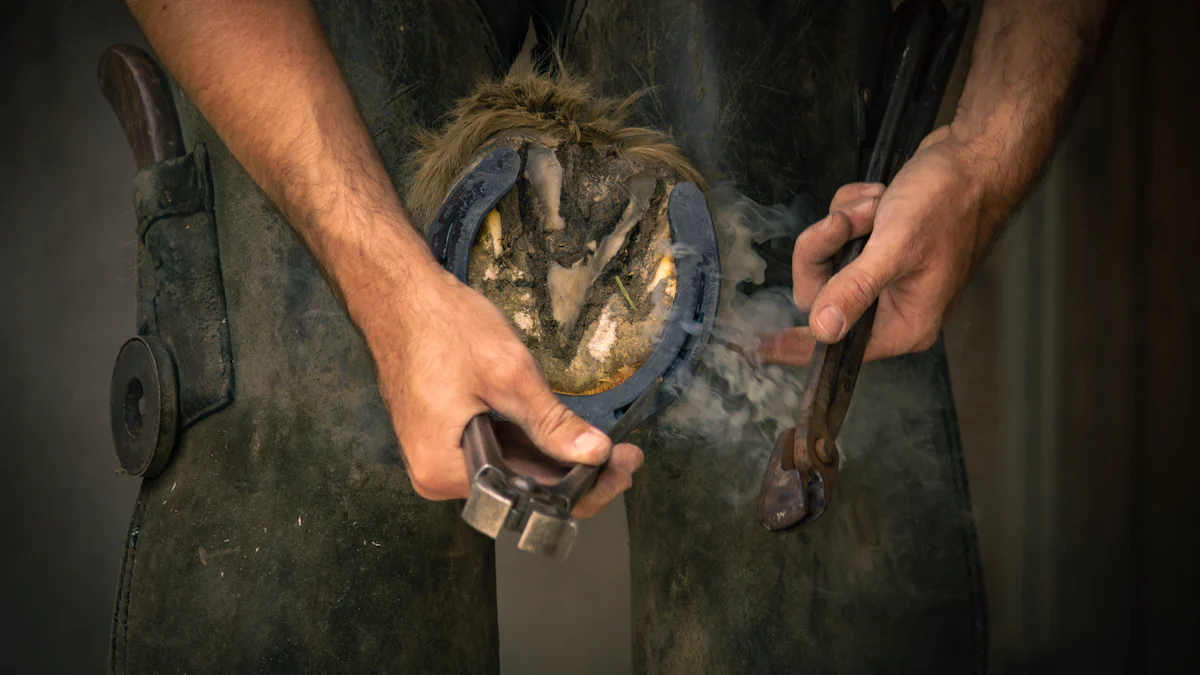
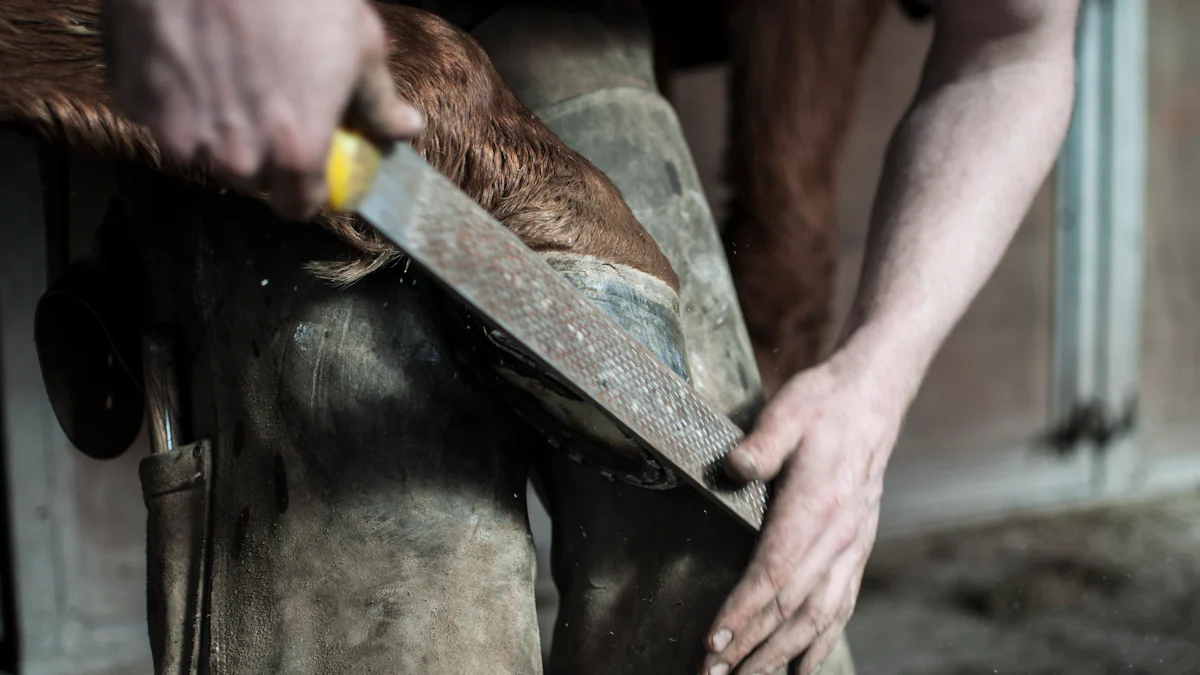
The process of shoeing a horse involves several steps. First, the farrier removes the old shoe and trims the hoof wall to the correct length. This step ensures the hoof is balanced and ready for the new shoe. Next, the farrier shapes the horseshoe to fit the hoof. This can be done using hot or cold shoeing techniques. In hot shoeing, the shoe is heated and shaped before being fitted, while cold shoeing involves shaping the shoe without heat.
Once the shoe is shaped, the farrier nails it onto the hoof wall. The nails are carefully positioned to avoid sensitive areas of the hoof. Finally, the edges where the shoe meets the hoof are smoothed to prevent injuries. Tools like a rasp, nailing hammer, and clincher are essential during this process. The farrier’s precision ensures the shoe fits securely and comfortably.
Maintenance and Replacement
Regular maintenance of your horse’s shoes is essential for hoof health. Plan to have the farrier reset the shoes approximately every six weeks. In summer, you may need to trim or shoe hooves every 6 to 8 weeks. During winter, this interval can extend to 6 to 12 weeks, depending on hoof growth.
Signs that your horse’s shoes need attention include:
- Loose nails pushing up from the hoof wall.
- Nails protruding further out of the shoe.
- A shoe becoming loose or coming off.
- The hoof overgrowing the shoe.
- The shoe becoming excessively thin or unevenly worn.
- The shoe twisting on the foot.
By addressing these issues promptly, you can prevent discomfort and ensure your horse remains active and healthy.
Are Horseshoes Necessary for Every Horse?
Horses That Benefit from Horseshoes
Some horses benefit significantly from wearing horseshoes due to their activities or physical needs. Horses working on rough terrain, such as rocky trails, need shoes to prevent injuries and reduce the risk of puncture wounds. Horseshoes also improve balance, helping horses with gait irregularities move more comfortably. For horses involved in high-impact activities like jumping or racing, shoes reduce stress on their hooves, joints, and legs.
Horses with soft or brittle hooves often experience cracks or chips without proper protection. Shoes prevent this wear and tear, ensuring their hooves remain strong. Additionally, horses navigating icy or uneven surfaces gain better traction with specialized shoes. Horseshoes also play a vital role in treating chronic conditions like laminitis or navicular disease. Working horses, especially those exposed to varying terrains, rely on horseshoes for consistent protection and support.
| Benefit | Description |
|---|---|
| Protection from Rough Terrain | Prevents injuries from rocky ground and reduces risk of puncture wounds. |
| Better Balance | Improves balance and helps prevent gait irregularities. |
| Less Stress | Reduces stress on hooves, joints, and legs during high-impact activities. |
| Reduced Wear and Tear | Prevents cracks and chips in soft or brittle hooves. |
| Improved Traction | Enhances navigation on uneven, icy, or snowy surfaces. |
| Treatment of Chronic Conditions | Aids in the treatment of various hoof and leg conditions. |
| Ideal Protection for Working Horses | Essential for working horses facing increased wear and tear on varying terrains. |
When Horses Can Go Barefoot
Not all horses require shoes. Horses with strong, thick soles and hoof walls can often go barefoot without issues. This approach works well for horses that do not perform demanding activities or live in environments with forgiving surfaces like pea rock or deep sand. Barefoot horses benefit from natural hoof expansion, which improves blood flow and overall hoof health.
Transitioning a horse from shod to barefoot requires careful management. Horses typically need 30 to 60 days to adapt. During this period, you must provide comfortable footing and monitor their hooves closely. A balanced diet also plays a crucial role. Feeding good-quality forage, soaking hay to reduce sugar content, and limiting access to rich grass help maintain hoof health. Supplements like copper, zinc, and biotin further strengthen hooves.
Factors to Consider (Terrain, Activity, and Hoof Health)
Deciding whether your horse needs shoes depends on several factors. The terrain your horse encounters is critical. Horses on rocky or abrasive surfaces often require shoes for protection, while those on soft ground may not. The type of work your horse performs also matters. Horses involved in high-impact activities or carrying heavy loads benefit from the added support of shoes.
You should also evaluate your horse’s hoof health. Horses with thin soles, poor conformation, or chronic conditions often need shoes to prevent further damage. Conversely, horses with healthy hooves and proper management can thrive barefoot. Always consult a farrier to assess your horse’s specific needs and determine the best approach for their hoof care.
Horseshoes play a crucial role in protecting and supporting your horse’s hooves, especially if they work on hard surfaces or perform demanding activities. Consulting with a farrier ensures your horse gets the right care. A farrier observes signs of illness or lameness, selects proper footwear, and prevents issues like hoof chipping. Remember, not all horses need shoes. Factors like hoof health, workload, and terrain determine their necessity. Some horses even perform better barefoot. Understanding these details helps you make informed decisions and keep your horse healthy and comfortable.
FAQ
What happens if a horse loses a shoe?
If your horse loses a shoe, check the hoof for cracks or injuries. Avoid riding until a farrier replaces the shoe. Riding without a shoe can damage the hoof. Keep an extra shoe on hand for emergencies. Regular hoof checks help prevent loose shoes. 🐴
How often should horseshoes be replaced?
Horseshoes typically need replacement every 6-8 weeks. This depends on hoof growth, activity level, and terrain. Regular farrier visits ensure proper fit and prevent hoof issues. Watch for signs like loose nails or overgrown hooves to know when it’s time for a reset.
Can horseshoes hurt a horse?
When applied correctly, horseshoes don’t hurt your horse. Farriers nail shoes into the hoof wall, which lacks nerve endings. However, improper shoeing can cause discomfort or injuries. Always hire a skilled farrier to ensure your horse’s comfort and hoof health.
Are there alternatives to traditional horseshoes?
Yes, alternatives include hoof boots and glue-on shoes. Hoof boots protect hooves during riding but are removable. Glue-on shoes work well for horses with sensitive hooves. These options suit horses that don’t need permanent shoes but still require protection.
How do I know if my horse needs shoes?
Evaluate your horse’s hoof health, activity, and environment. Horses on rocky terrain or with weak hooves often need shoes. Consult a farrier to assess your horse’s needs. Some horses thrive barefoot if their hooves are strong and the terrain is forgiving.