
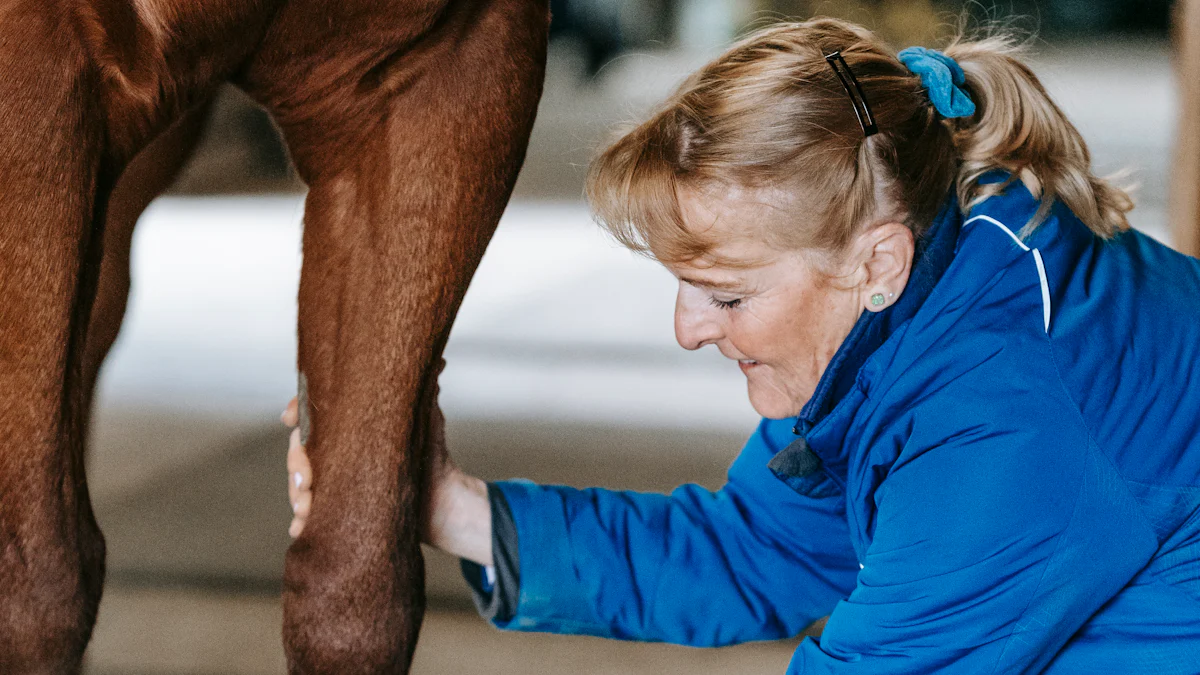
Your horse’s hooves carry over 1,000 pounds of weight, yet they are no larger than a human hand. This makes hoof health essential for mobility and comfort. Proper care and nutrition, including nutrients like biotin and zinc, strengthen hooves and prevent issues. Genetics, environment, and diet also play a role in maintaining healthy hooves. The phrase "no hoof, no horse" highlights how critical hoof care is to your horse’s well-being. Regular attention to equine hoof care and common hoof issues ensures your horse stays active and pain-free.
Key Takeaways
-
Taking care of hooves stops pain and infections, keeping horses healthy.
-
Checking and cleaning hooves daily finds problems early for quick fixes.
-
Good food with biotin and zinc makes hooves strong and grow well.
-
A skilled farrier keeps hooves balanced and gives helpful advice.
-
Strong hooves make horses confident and perform better, staying happy and active.
The Benefits of Regular Hoof Care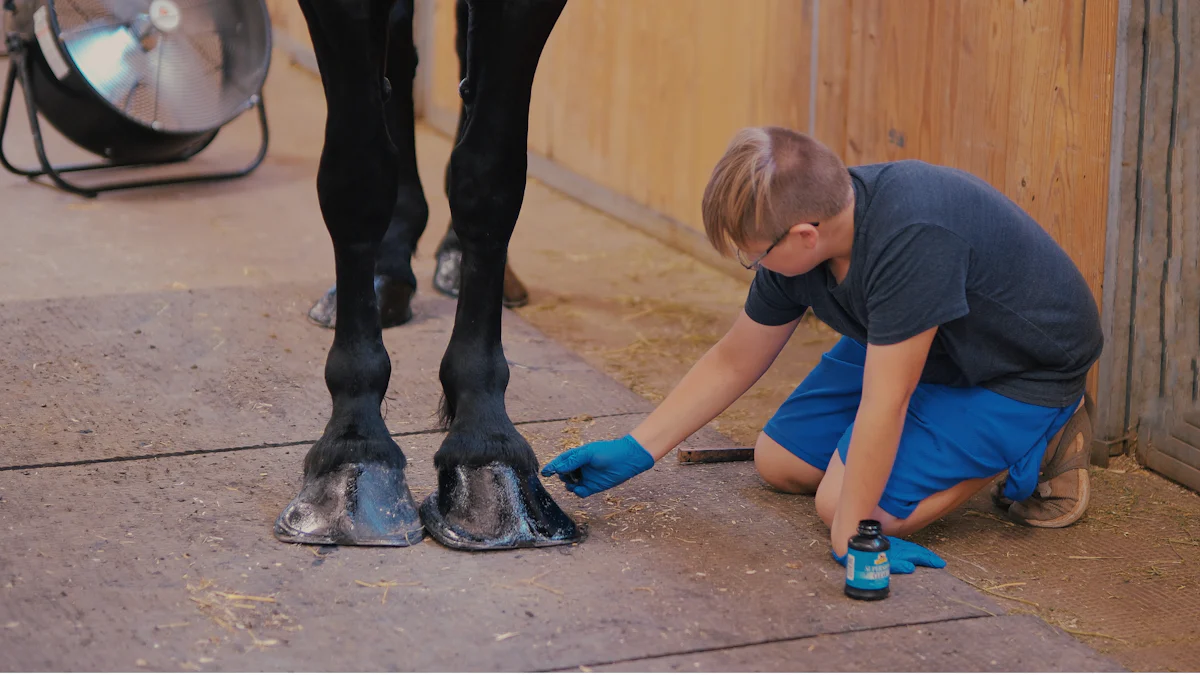
Preventing Lameness and Pain
Lameness is one of the most common issues horses face, often caused by infections, trauma, or poor hoof maintenance. Regular hoof care helps you prevent painful conditions like abscesses, thrush, and hoof cracks. Abscesses, for example, are painful infections that can cause severe lameness if untreated. Thrush, another common issue, develops in damp or dirty environments and can lead to discomfort and further complications. By keeping your horse’s hooves clean and dry, you reduce the risk of these infections. Routine trimming also prevents structural problems like hoof cracks, which can worsen over time and cause lameness. Daily hoof inspections allow you to spot early signs of trouble, ensuring your horse stays pain-free and healthy.
Supporting Mobility and Comfort
Healthy hooves are essential for your horse’s mobility. They provide stability and absorb shock during movement, reducing stress on joints and internal structures. Regular hoof care ensures your horse can move comfortably without the risk of lameness or injury. Picking out hooves daily removes debris that could cause discomfort, while routine farrier visits maintain proper hoof angles for balance and agility. Well-maintained hooves also improve traction, allowing your horse to navigate various terrains with ease. This attention to hoof health not only supports your horse’s physical comfort but also boosts their confidence during daily activities.
Enhancing Overall Well-Being and Performance
A horse with healthy hooves performs better in every aspect of life. Proper hoof care enhances balance and coordination, which are crucial for athletic activities. Healthy hooves act as natural shock absorbers, protecting your horse from injuries during high-impact movements. They also improve energy efficiency, allowing your horse to move with ease and precision. Whether your horse competes in equestrian disciplines or enjoys leisurely rides, maintaining hoof health ensures they perform at their best. Over time, this care contributes to a longer, more successful career and a higher quality of life.
Equine Hoof Care and Common Hoof Issues
Common Hoof Problems
Thrush
Thrush is a bacterial infection that affects the frog of the hoof. It thrives in damp, dirty environments and produces a foul odor. You can prevent thrush by keeping your horse’s living area clean and dry. Regular hoof cleaning removes debris and moisture that encourage bacterial growth. If left untreated, thrush can cause pain and lameness, making early detection and treatment essential.
Abscesses
Abscesses occur when bacteria become trapped inside the hoof, often due to small injuries or punctures. This leads to swelling and acute lameness. You can reduce the risk of abscesses by maintaining a clean environment and inspecting your horse’s hooves daily. Prompt treatment, such as draining the abscess and applying medication, ensures a quicker recovery and prevents further complications.
Laminitis
Laminitis is a serious condition caused by inflammation of the laminae, the tissues connecting the hoof wall to the bone. Poor diet, obesity, or metabolic issues often trigger this condition. Laminitis can lead to severe pain and even permanent damage if ignored. You can minimize the risk by providing a balanced diet and monitoring your horse’s weight. Early intervention is critical to managing this condition effectively.
Long-Term Consequences of Poor Hoof Health
Neglecting hoof care can lead to chronic pain and irreversible damage. Minor issues, like cracks or infections, can escalate into severe conditions requiring surgery or long-term treatment. Horses with untreated hoof problems may face reduced mobility, early retirement, or, in extreme cases, euthanasia. Regular hoof care prevents these outcomes and ensures your horse remains active and healthy.
Impact on a Horse's Quality of Life
Poor hoof health affects your horse’s ability to exercise, which hinders circulation and worsens hoof problems. Nutritional deficiencies, combined with inadequate activity, make hooves more prone to cracking and disease. Over time, your horse may experience discomfort, reduced performance, and a lower quality of life. Proper hoof care, combined with good nutrition and regular exercise, keeps your horse comfortable and thriving.
How to Maintain Healthy Hooves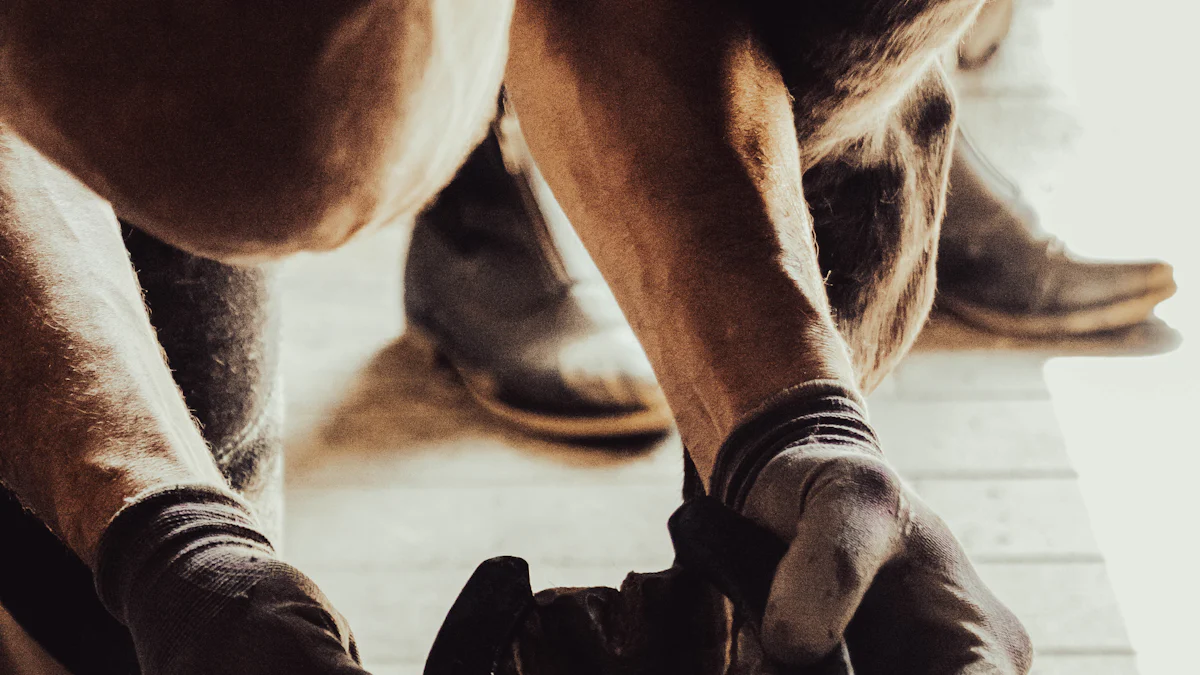
Routine Trimming and Cleaning
Routine trimming and cleaning are essential for keeping your horse’s hooves healthy and free from infections. Start by cleaning the hooves daily with a hoof pick to remove dirt, manure, and debris. This prevents infections like thrush and allows you to inspect for cracks, bruises, or other abnormalities. During cleaning, check the condition of the shoes if your horse wears them. Maintaining proper moisture balance is also critical. Excess moisture can lead to soft, weak hooves, while dryness can cause cracking.
Schedule regular trimming every 4-6 weeks to prevent overgrowth and maintain proper hoof shape. Use sharp nippers to trim the hoof wall, followed by a rasp to smooth the edges. Always trim at a 45-degree angle to ensure your horse’s comfort. Regular farrier visits will help you keep the hooves balanced and sound. Monitoring your horse’s comfort during these routines ensures their hooves remain in top condition.
Proper Nutrition for Hoof Health
Nutrition plays a vital role in hoof health. A balanced diet rich in essential nutrients strengthens the hooves and promotes growth. Biotin, for example, supports keratin formation and improves hoof wall strength. Zinc and copper contribute to cell division and keratin production, while omega-3 fatty acids may enhance overall hoof quality. Methionine and manganese are also crucial for maintaining hoof integrity and cartilage health.
If you notice slow hoof growth or brittle hooves, it could indicate a nutritional deficiency. Providing supplements with these nutrients can help address these issues. Always consult your veterinarian to ensure your horse’s diet meets their specific needs.
Working with a Professional Farrier
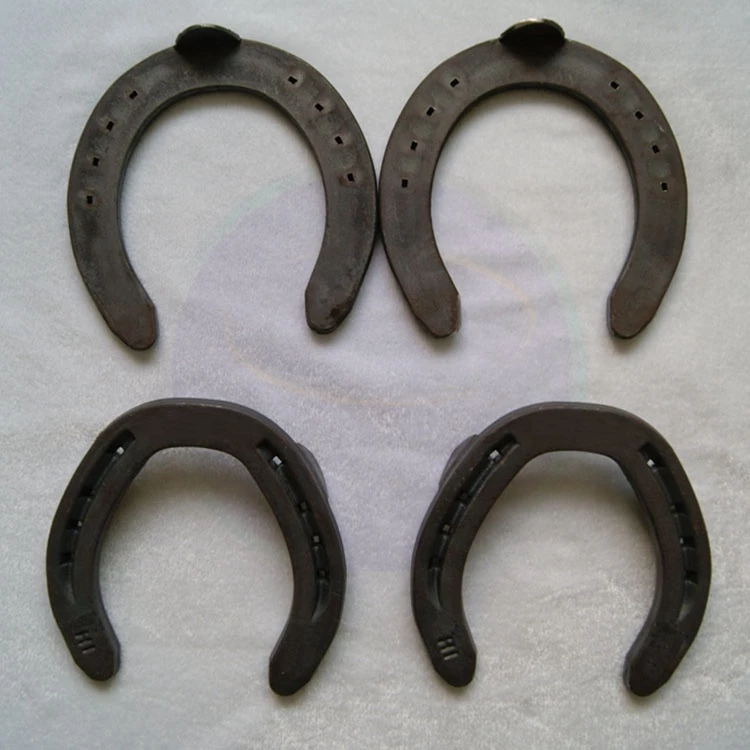
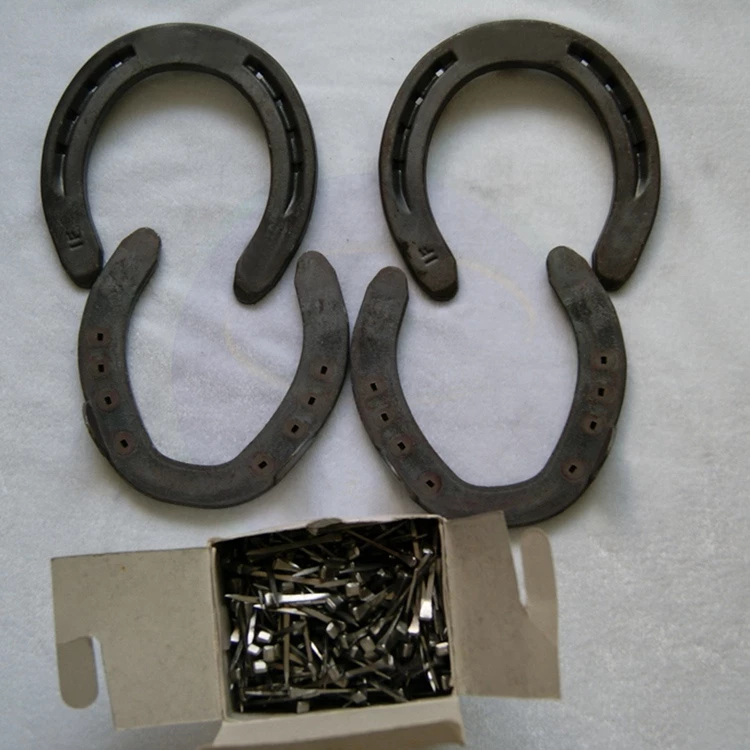
A professional farrier is your best partner in maintaining your horse’s hoof health. They can identify early signs of issues like laminitis, allowing for timely intervention. Regular trimming by a skilled farrier improves your horse’s comfort and ensures balanced hoof angles. For performance horses, properly fitted shoes reduce wear and protect against injuries.
Farriers also provide expert advice on hoof care tailored to your horse’s needs. Their expertise ensures your horse’s hooves remain healthy, sound, and ready for any activity. Partnering with a farrier is one of the most effective ways to support your horse’s overall well-being.
Recognizing Early Signs of Hoof Issues
Catching hoof problems early can save your horse from pain and long-term damage. You should regularly inspect your horse’s hooves and watch for subtle changes in their behavior or appearance. Early detection allows you to address issues before they worsen.
Here are some common early signs of hoof issues to look for:
-
Behavioral changes: Reduced energy, reluctance to move, or an altered gait may indicate discomfort.
-
Hoof appearance: Chipping, cracking, or slow growth often signals poor hoof health or nutritional deficiencies.
-
Shoe problems: Loose or poorly retained shoes can point to underlying hoof issues.
-
Coat condition: A dull coat may reflect nutritional imbalances that also affect hoof health.
Specific hoof conditions also have distinct warning signs:
-
Thrush: Look for a foul odor, black discharge, and a soft, crumbling frog.
-
Laminitis: Symptoms include lameness, heat in the hooves, a bounding digital pulse, and a stretched-forward stance.
-
Abscesses: Sudden, severe lameness and heat in the hoof often indicate an abscess.
-
Hoof cracks: These range from minor surface cracks to deep splits that require professional care.
-
White Line Disease: Visible separation along the white line and a foul odor are key indicators.
🐴 Tip: "Horses can experience microscopic hoof damage before showing visible lameness," says Andrew van Eps, BVSc, PhD. Regular inspections help you catch these hidden issues early.
You should also monitor for physical signs like a hot hoof, a strong digital pulse, or unusual hoof rings. If you notice any of these, consult your farrier or veterinarian immediately. Quick action prevents minor problems from escalating into serious conditions. By staying vigilant, you protect your horse’s comfort and mobility.
The Connection Between Hoof Health and Performance
How Healthy Hooves Improve Athletic Ability
Healthy hooves are essential for your horse’s athletic performance. They act as natural shock absorbers, cushioning the impact of each step and protecting internal structures. This reduces the risk of injuries during high-impact activities. Balanced and stable hooves allow your horse to execute precise movements, which are critical in competitive disciplines. Whether it’s jumping, racing, or dressage, well-maintained hooves enhance agility and coordination.
Healthy hooves also provide better traction, enabling your horse to perform confidently on various terrains. This is especially important during rapid movements or sharp turns. Proper hoof care minimizes pain and discomfort, allowing your horse to focus on performing at its best. By maintaining hoof health, you ensure your horse can achieve peak athletic ability without unnecessary strain.
The Role of Hoof Care in Longevity and Durability
Consistent hoof care plays a vital role in extending your horse’s active years. The hooves absorb the concussive forces of movement, protecting the legs and body from stress-related injuries. When hooves are damaged, the risk of lameness and other complications increases significantly. Regular maintenance prevents these issues, ensuring your horse remains durable and capable over time.
Proper hoof care also enhances energy efficiency, allowing your horse to perform with less effort. This reduces wear and tear on the body, contributing to long-term health. By prioritizing hoof care, you safeguard your horse’s longevity and overall well-being. As the saying goes, taking care of the hooves means taking care of the entire horse.
🐴 Note: "The hooves absorb all of the concussive impact from the horse’s movement, so it is imperative the hoof is healthy to provide protection."
Why Hoof Health Impacts a Horse's Confidence and Behavior
A horse with healthy hooves feels more comfortable and confident during training or riding. Pain-free hooves encourage your horse to move willingly and perform at its best. Discomfort or tenderness in the hooves can lead to behavioral changes, such as reluctance to move or altered gait. These signs often indicate underlying hoof issues that need immediate attention.
Healthy hooves also improve balance and stability, which boosts your horse’s confidence in navigating challenging terrains or performing complex maneuvers. When your horse feels secure, it becomes more cooperative and responsive during activities. By maintaining hoof health, you not only enhance performance but also foster a positive and trusting relationship with your horse.
Regular hoof care is vital for your horse’s health, comfort, and performance. Neglecting this essential aspect can lead to serious issues like lameness, infections, and structural problems. These conditions not only cause pain but also limit mobility and reduce your horse’s quality of life.
🐴 “The hooves absorb all of the concussive impact from the horse’s movement, so it is imperative the hoof is healthy to provide protection. Once the hoof is damaged, it increases the risk of other leg and body injuries.”
By prioritizing hoof health, you prevent these complications and ensure your horse remains active and sound. Partnering with a professional farrier helps maintain proper hoof balance and detect early signs of trouble. Healthy hooves support your horse’s longevity, allowing them to perform optimally and enjoy a higher quality of life.
-
Key Benefits of Regular Hoof Care:
-
Prevents lameness and infections.
-
Enhances performance and stability.
-
Promotes long-term comfort and soundness.
-
Investing in hoof care safeguards your horse’s well-being and ensures a happier, healthier future.
FAQ
What tools do you need for daily hoof care?
You need a hoof pick, a stiff brush, and a clean towel. Use the hoof pick to remove debris and the brush to clean the surface. A towel helps dry the hooves, preventing moisture-related issues like thrush.
🐴 Tip: Keep your tools clean to avoid spreading bacteria!
How often should you schedule farrier visits?
Schedule farrier visits every 4-6 weeks. This ensures proper trimming and shoeing, preventing overgrowth and imbalances. Regular visits also help detect early signs of hoof problems.
Note: Horses with specific needs may require more frequent appointments.
Can weather affect hoof health?
Yes, extreme weather impacts hoof health. Wet conditions soften hooves, increasing the risk of thrush. Dry weather causes cracking. Maintain a balanced environment to protect your horse’s hooves.
🌦️ Tip: Use hoof moisturizers during dry spells and keep stalls clean in wet weather.
What should you feed your horse for strong hooves?
Provide a balanced diet rich in biotin, zinc, and omega-3 fatty acids. These nutrients strengthen the hoof wall and promote growth. Consult your vet for tailored dietary advice.
🥕 Tip: Supplements can help if your horse has brittle or slow-growing hooves.
How do you recognize a hoof emergency?
Look for sudden lameness, heat in the hoof, or a strong digital pulse. These signs often indicate serious issues like abscesses or laminitis. Contact your vet or farrier immediately.
🚨 Alert: Quick action prevents long-term damage and ensures your horse’s comfort.