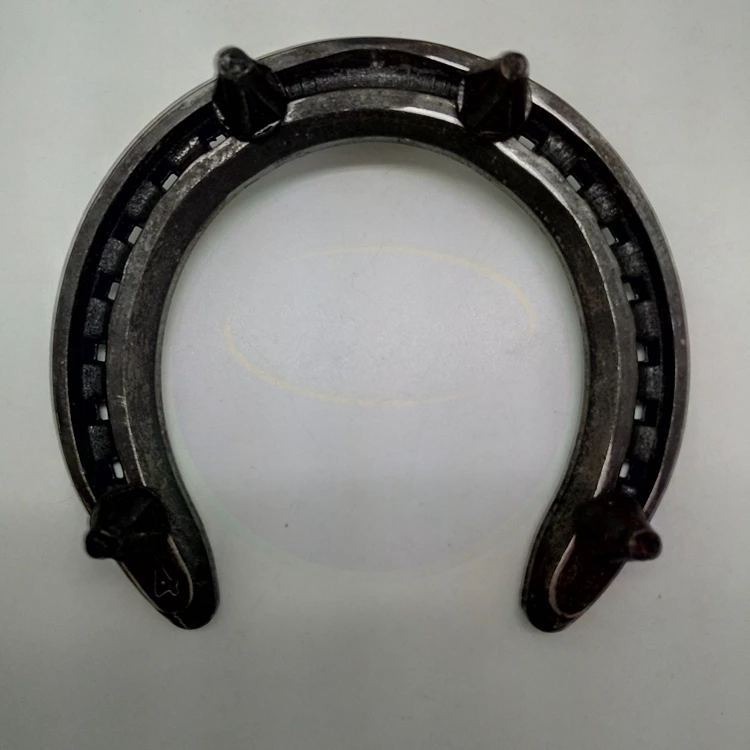

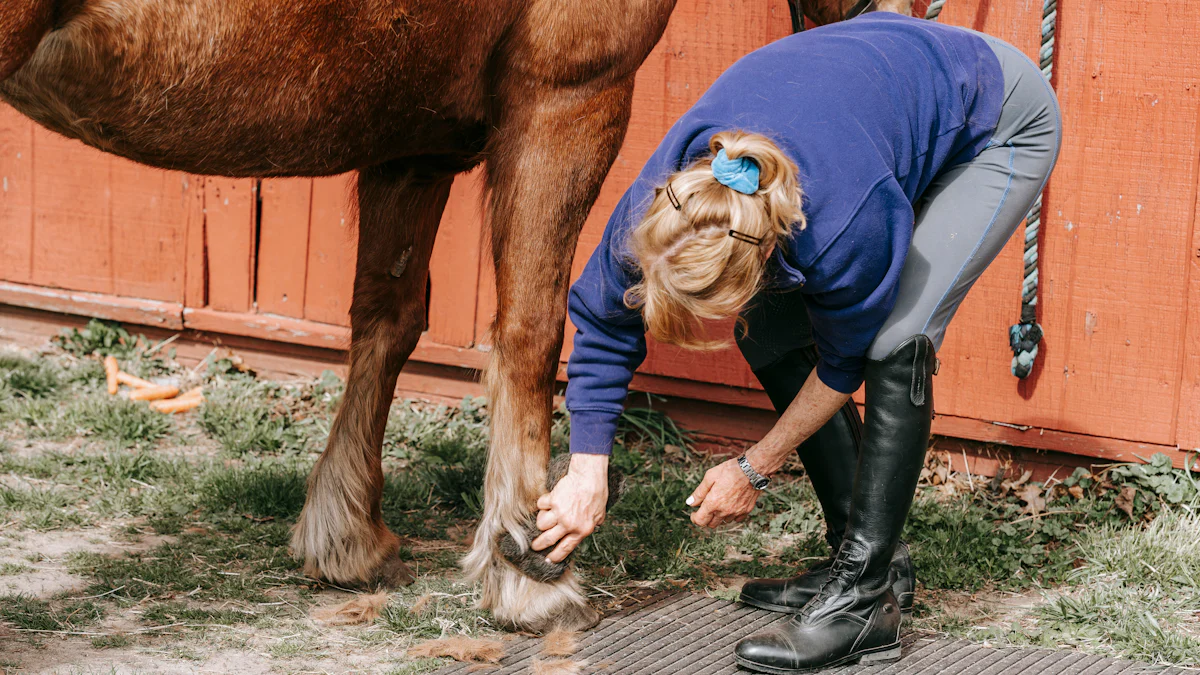
Taking care of your horse’s hooves is one of the most important things you can do for their overall well-being. Healthy hooves act like natural shock absorbers, protecting delicate structures and helping your horse move with precision. Whether they’re galloping across a field or performing in a competition, proper hoof care ensures they stay comfortable and perform at their best.
Neglecting hoof care can lead to discomfort, lameness, or even long-term mobility issues. Well-maintained hooves improve traction, absorb impact, and make every stride more efficient. If you’re looking to buy horseshoe supplies, choosing the right tools and materials can make all the difference in keeping your horse happy and healthy.
Key Takeaways
- Taking care of your horse's hooves is very important. It stops pain and walking problems.
- Pick the right horseshoes for what your horse does. Steel shoes last longer for workhorses, and aluminum ones are lighter for sports.
- Ask a skilled farrier for help choosing horseshoes. They know how to find the best fit for your horse.
- Check your horse's hooves every day to spot issues early. Watch for cracks, chips, or infections.
- Buy good farrier tools. Strong tools make hoof care simple and keep hooves healthy.
Types of Horseshoes
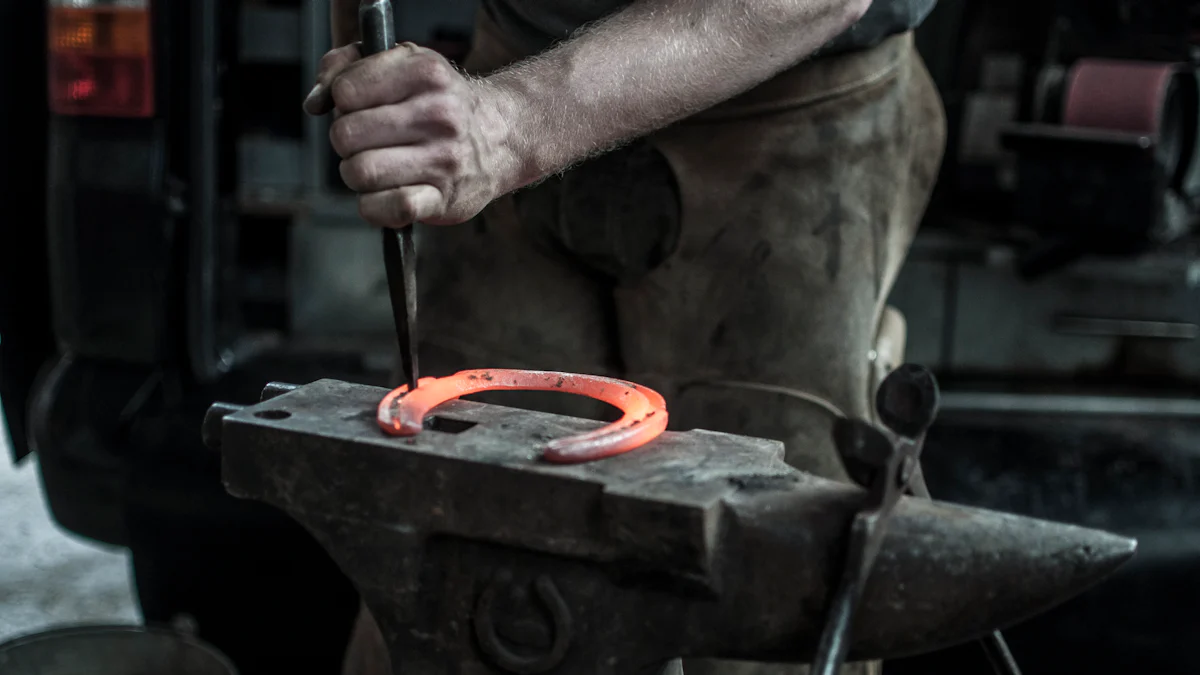
When it comes to horseshoes, choosing the right type can make a big difference in your horse's performance and comfort. Let’s explore the most common types and their unique benefits.
Steel Horseshoes
Durability and uses for workhorses
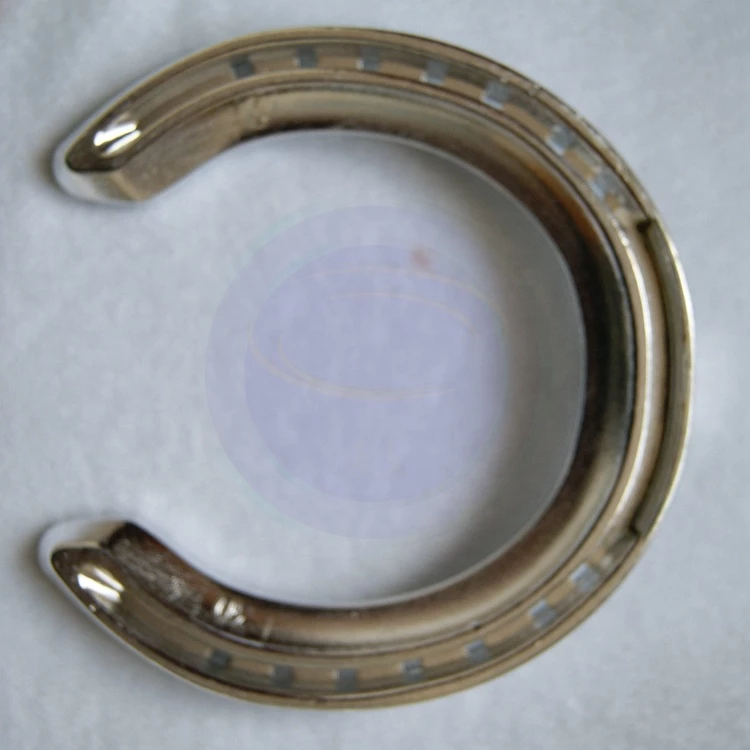
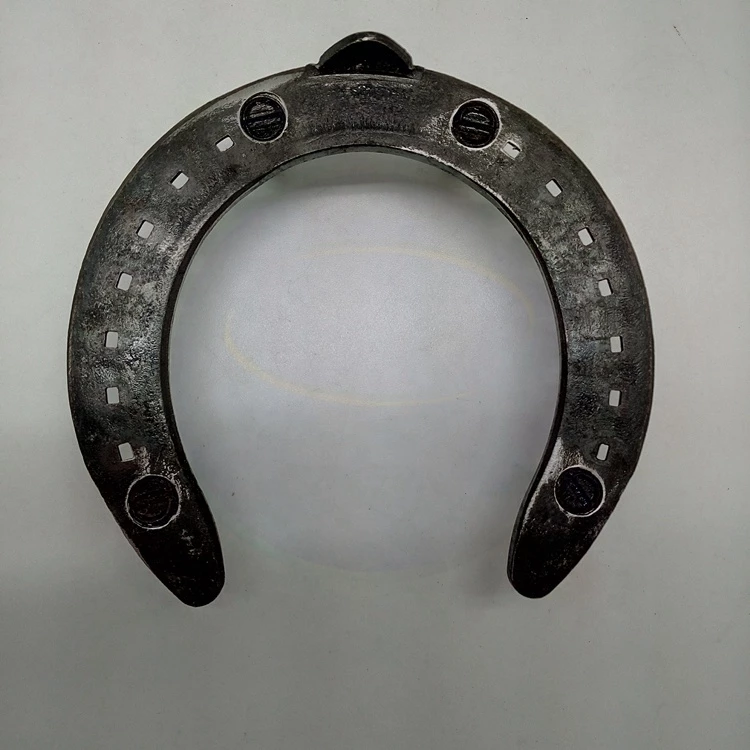
Steel horseshoes are the go-to choice for durability. They’re tough enough to handle heavy loads and rough terrain, making them perfect for workhorses or horses that spend a lot of time on hard surfaces. Steel shoes hold up well against wear and tear, so you won’t need to replace them as often. This durability also helps reduce hoof damage over time.
Benefits for high-impact activities
If your horse is involved in high-impact activities, steel shoes provide excellent support. They absorb shock and protect the hooves during demanding tasks like pulling heavy equipment or navigating rocky trails. Their sturdiness ensures your horse stays comfortable and safe, even in challenging conditions.
Aluminum Horseshoes
Lightweight design for performance horses
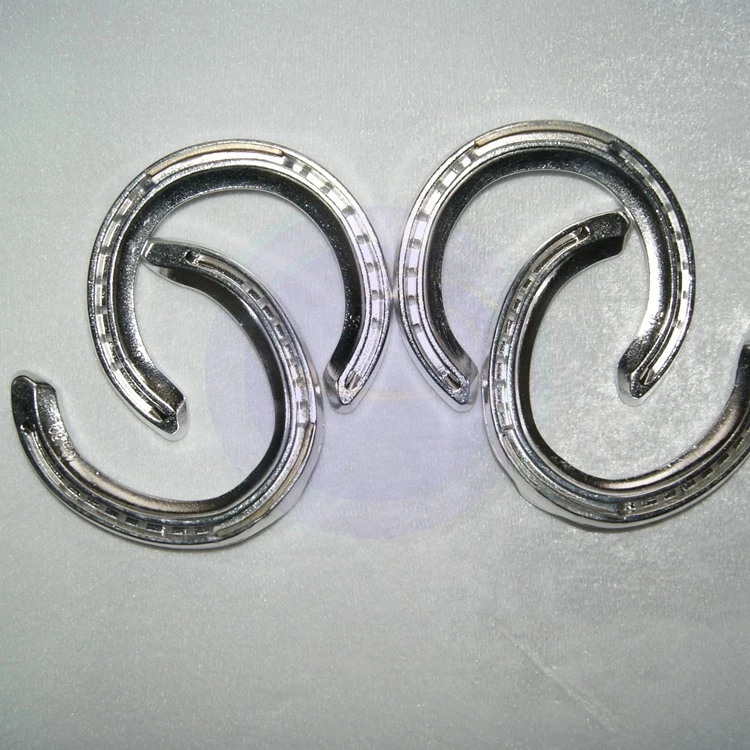
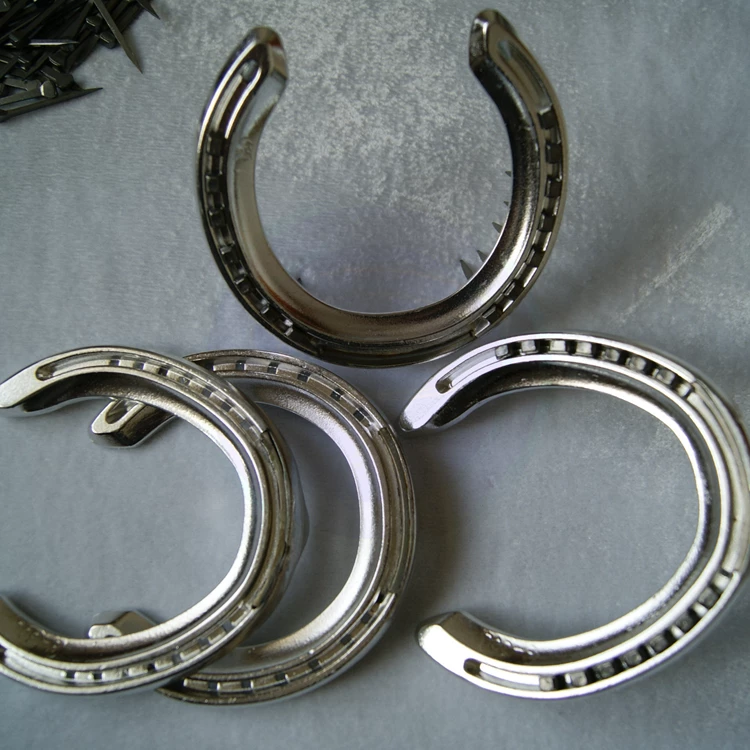
Aluminum horseshoes are much lighter than steel, weighing about half as much. This lightweight design makes them ideal for performance horses, especially those in competitions. Horses wearing aluminum shoes feel more natural and light on their feet, which can improve their agility and speed.
Ideal for racing and show horses
Racing and show horses benefit greatly from aluminum shoes. They reduce strain on the legs and lower fatigue, helping your horse perform at its best. These shoes are also a great option for horses with thin or weak hoof walls since they exert less stress compared to steel. If you’re looking to buy horseshoe supplies for a performance horse, aluminum shoes are worth considering.
Therapeutic Horseshoes
Designed for hoof injuries or conditions
Therapeutic horseshoes are specially designed to address hoof problems. They’re often used for conditions like laminitis, navicular disease, and hoof cracks. These shoes provide extra support and help distribute weight evenly, giving your horse relief from pain and discomfort.
Examples like bar shoes and heart-bar shoes
Bar shoes and heart-bar shoes are common therapeutic options. Bar shoes stabilize the hoof and protect it from further damage, while heart-bar shoes offer additional support to the frog area. These specialized shoes can make a world of difference for horses recovering from injuries or dealing with chronic hoof issues.
🐴 Tip: Always consult a professional farrier to determine the best horseshoe type for your horse’s needs.
Specialty Horseshoes
When it comes to specialty horseshoes, you’ll find options designed for specific challenges or unique hoof needs. These shoes can make a big difference in your horse’s comfort and performance, especially in tricky conditions.
Ice or traction shoes for winter conditions
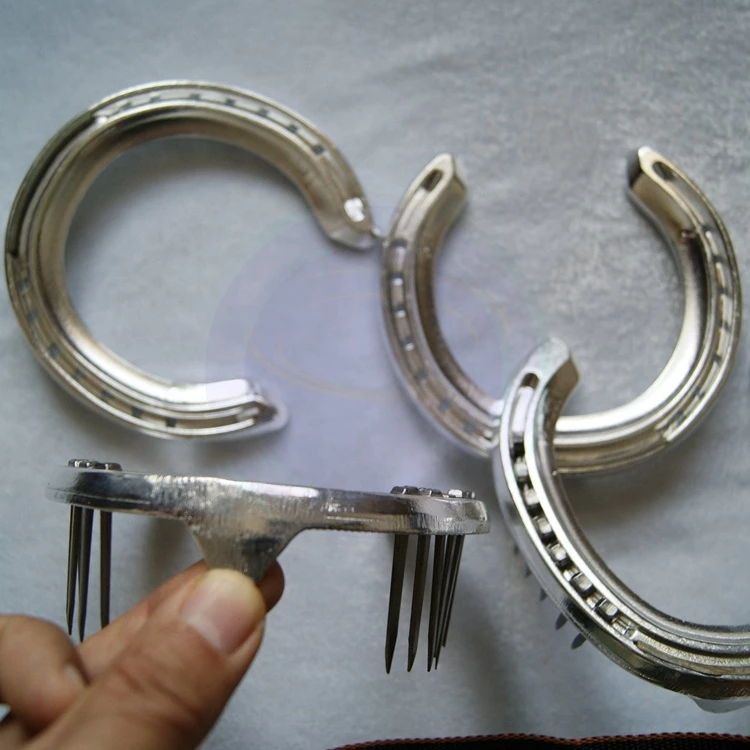
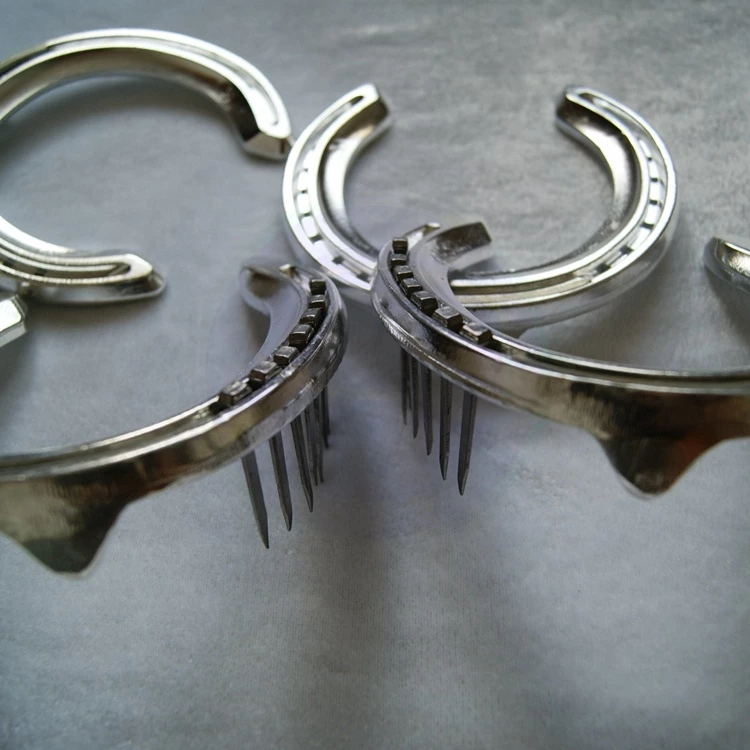
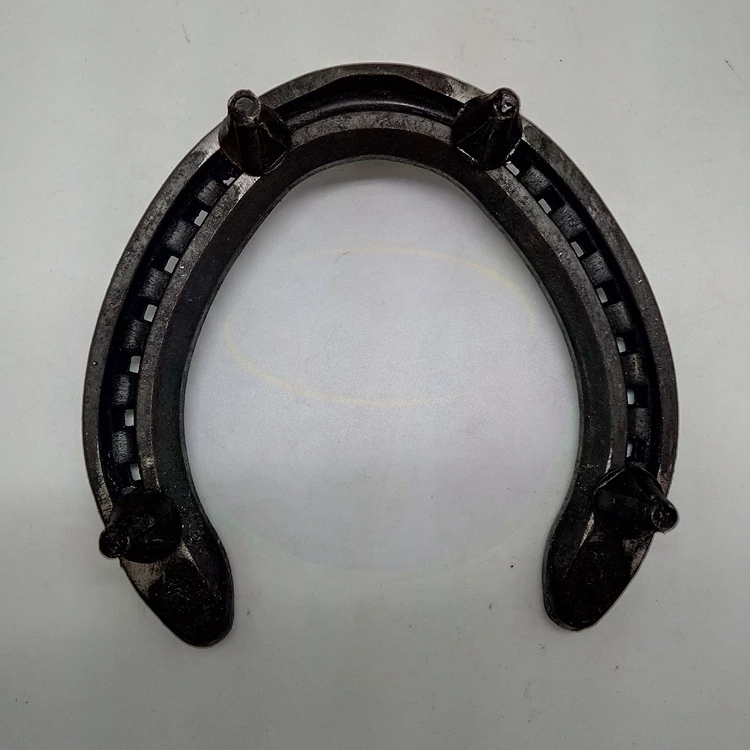
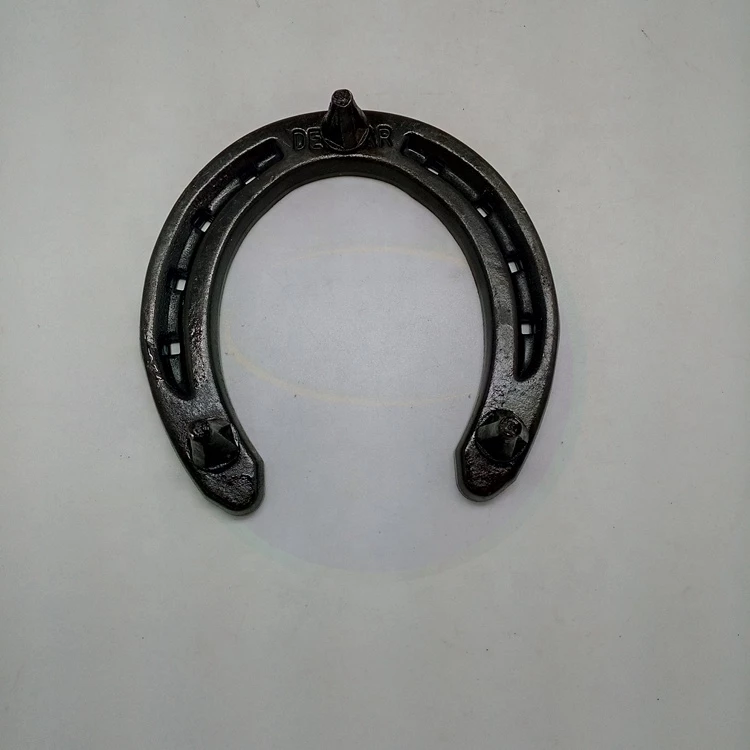
Winter weather can be tough on your horse’s hooves. Slippery ice and packed snow increase the risk of slipping or losing balance. That’s where ice or traction shoes come in handy. These shoes are equipped with studs or borium to provide extra grip on icy surfaces. They help your horse stay steady, whether you’re riding on snowy trails or working in frosty fields.
Traction shoes aren’t just about safety—they also reduce strain on your horse’s legs. Slipping can lead to muscle injuries or joint stress, but these shoes minimize those risks. If you live in a colder climate, investing in traction shoes is a smart way to keep your horse safe and comfortable during winter months.
Custom shoes for unique hoof shapes
Not all horses have perfectly shaped hooves. Some may have irregular hoof shapes due to genetics, injuries, or conditions like clubfoot. Custom horseshoes are the solution for these unique cases. A professional farrier can design shoes tailored to your horse’s specific hoof structure, ensuring a perfect fit.
Custom shoes provide better support and balance for horses with unusual hoof shapes. They also help prevent further issues by evenly distributing weight and reducing pressure points. If your horse has special hoof needs, custom shoes can improve their mobility and overall hoof health.
🐴 Tip: Always work with a skilled farrier when choosing specialty horseshoes. They’ll help you find the best fit for your horse’s unique requirements.
Whether you’re dealing with icy conditions or unique hoof shapes, specialty horseshoes offer practical solutions. If you’re looking to buy horseshoe supplies, these options are worth considering for your horse’s specific needs.
Essential Farrier Supplies
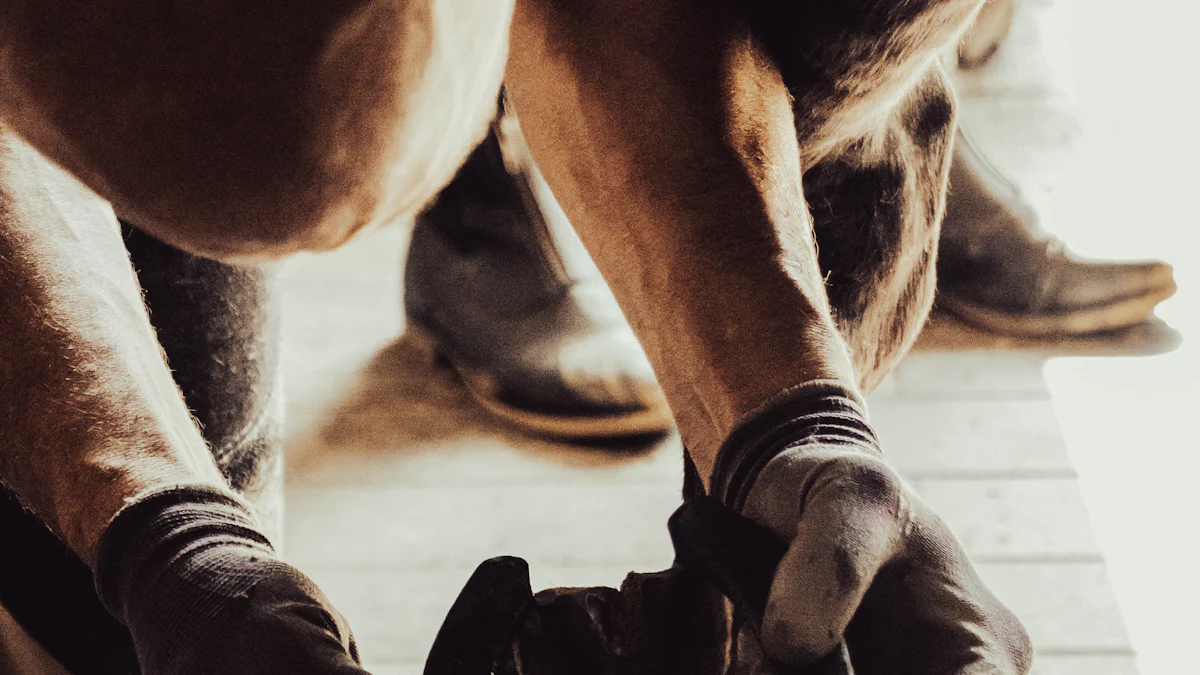
Having the right farrier supplies is crucial for maintaining your horse’s hoof health. Whether you’re shaping hooves or applying horseshoes, these tools make the job easier and more effective. Let’s dive into the essentials every farrier needs.
Hoof Care Tools
Rasps for shaping hooves
A rasp is a must-have for smoothing and shaping hooves after trimming. It works like a file, helping you create a balanced and even surface. A good rasp ensures the horseshoe fits snugly and reduces the risk of uneven pressure on the hoof.
Nippers for trimming excess growth
Nippers are essential for cutting away overgrown hoof material. They allow you to trim with precision, ensuring your horse’s hooves stay at the right length. Regular trimming with nippers prevents cracks and keeps your horse comfortable.
🛠️ Pro Tip: Pair your rasp and nippers with a hoof balance tool to check the hoof’s alignment and ensure proper gait.
Horseshoeing Tools
Anvils for shaping horseshoes
Anvils are the backbone of horseshoeing. They provide a sturdy surface for shaping horseshoes to fit your horse’s hooves perfectly. A high-quality anvil makes the process smoother and ensures the shoe’s durability.
Hammers and tongs for shoe application
Hammers and tongs are indispensable when applying horseshoes. The hammer drives nails securely into the hoof, while the tongs help you hold the shoe in place. Look for tools with ergonomic designs to make your work more comfortable and efficient.
| Tool Type | Key Features |
|---|---|
| Hoof Grabs | Adjustability, Grip Material |
| Hoof Balance Tool | Precision Markings, Lightweight Design |
| Hoof Frogs and Pads | Material Quality, Thickness Options |
| Digital Hoof Scanner | Real-Time Data, User-Friendly Interface |
Maintenance Supplies
Hoof knives for cleaning and trimming
Hoof knives are perfect for cleaning out debris and trimming irregularities. They’re especially useful for addressing small cracks or infections. Keeping a sharp hoof knife on hand ensures you can handle detailed hoof care tasks with ease.
Hoof stands for stability during work
A hoof stand is a game-changer for farriers. It provides a stable platform to rest the horse’s hoof, reducing strain on your back and making the process safer for both you and the horse.
🐴 Note: Regularly sharpen your cutting tools and apply a thin layer of oil to metal parts to prevent rust. Store your tools in a dry area to keep them in top condition.
When you’re ready to buy horseshoe supplies, focus on quality and durability. Investing in the right tools not only makes your job easier but also ensures your horse’s hooves stay healthy and strong.
Safety Equipment
When working with horses and sharp tools, safety should always come first. Farrier work can be physically demanding and risky, but the right safety equipment can protect you from injuries and make your job much easier.
Gloves and Protective Gear for Farriers
Your hands are your most valuable tools, so keeping them safe is essential. High-quality gloves are a must-have for farriers. They shield your hands from sharp tools, nails, and unexpected movements from the horse. Look for gloves made from durable materials that allow flexibility and a good grip.
Eye protection is another critical piece of gear. When you’re shaping horseshoes on an anvil, sparks and metal fragments can fly. Wearing safety glasses or goggles can prevent serious eye injuries. Did you know that OSHA reports about 1,000 eye injuries happen daily in workplaces? The good news is that 90% of these injuries are preventable with proper eye protection.
Knee pads are also worth considering. Trimming and shoeing often require kneeling for long periods, which can strain your knees. Comfortable knee pads reduce pressure and keep you focused on the task without discomfort.
🛡️ Tip: Always inspect your protective gear for wear and tear. Replace damaged items to ensure maximum safety.
Proper Footwear for Safety During Shoeing
Your feet face plenty of risks during farrier work. Heavy tools, sharp nails, and even a horse’s accidental kick can cause serious injuries. Steel-toed boots are your best defense. They protect your toes from impact and provide extra stability when working around large animals.
Traction is another important factor. Choose boots with non-slip soles to prevent slipping on wet or uneven surfaces. This feature is especially helpful when working outdoors or in barns.
👢 Note: Invest in boots designed specifically for farriers. They’re built to handle the unique challenges of the job and last longer than regular work boots.
By prioritizing safety equipment, you’ll not only protect yourself but also work more confidently and efficiently. A well-prepared farrier is a safer farrier!
How to Buy Horseshoe and Farrier Supplies
When it’s time to buy horseshoe and farrier supplies, understanding your horse’s specific needs is key. From their activity level to the terrain they navigate, every detail matters. Let’s break it down step by step.
Assessing Your Horse's Needs
Activity level, terrain, and hoof condition
Your horse’s daily routine plays a big role in choosing the right supplies. Are they galloping on soft pastures or working on rocky trails? Horses that perform high-impact activities need durable shoes, while those on softer ground might benefit from lighter options. Don’t forget to check their hoof condition. Cracks, chips, or weak walls may require specialized care.
Consulting with a professional farrier
A professional farrier can guide you through the process. They’ll assess your horse’s workload, terrain, and hoof health to recommend the best horseshoe.
- They tailor their advice to your horse’s unique needs.
- Their expertise ensures the shoe fits perfectly and supports your horse’s activities.
- They help you avoid common mistakes, saving time and money in the long run.
Material Considerations
Steel vs. aluminum horseshoes
Choosing between steel and aluminum horseshoes depends on your horse’s needs.
-
Steel Horseshoes:
- Durable and cost-effective.
- Great for high-impact work and hard surfaces.
- Heavier, which can strain some horses.
-
Aluminum Horseshoes:
- Lightweight and ideal for performance horses.
- Reduces leg fatigue and strain.
- Wears out faster and costs more.
When to choose therapeutic or specialty shoes
Therapeutic shoes are a must for horses with hoof issues like laminitis, navicular disease, or cracks. Specialty shoes, like traction shoes, are perfect for icy conditions or unique hoof shapes. If your horse has specific challenges, these options can make a world of difference.
Quality and Durability
Importance of high-quality tools
Investing in high-quality tools ensures better results and longer-lasting supplies. Look for tools made from durable materials like high-grade steel. Ergonomic designs reduce strain and improve precision.
Recognizing wear and tear in supplies
Keep an eye on your tools. Dull nippers or rusted rasps can harm your horse’s hooves. Regularly sharpen cutting tools and store them in a dry place to prevent corrosion. Replace worn-out items promptly to maintain efficiency.
When you’re ready to buy horseshoe supplies, focus on your horse’s needs, the right materials, and durable tools. This approach ensures your horse stays comfortable and healthy.
Maintenance and Care Tips
Keeping your horse’s hooves in top condition takes regular attention and care. With a few simple practices, you can prevent common hoof problems and keep your horse comfortable and healthy.
Regular Hoof Inspections
Checking for cracks, chips, or infections
Daily hoof inspections are a must for spotting potential issues early. Here’s a quick checklist to guide you:
- Pick your horse’s hooves every day to remove dirt, rocks, and debris.
- Use a hoof pick, starting from the heel and working toward the toe.
- Look for signs of thrush, abscesses, or other abnormalities.
- Clean the frog area thoroughly to prevent infections.
- Check for cracks, chips, or damage that could worsen over time.
- Adjust hoof moisture levels based on seasonal changes.
🐴 Tip: "Picking your horse’s hooves every day is a good thing to do... It allows you to check for potential problems such as a rock stuck in the sole that could cause bruising or thrush in the sulcus of the frog."
Cleaning hooves to prevent debris buildup
Debris buildup can lead to infections and discomfort. A quick daily cleaning keeps hooves healthy and prevents small issues from turning into big problems. Pair this with regular trimming and shoeing by a farrier to maintain proper hoof balance.
Horseshoe Maintenance
Monitoring for loose or worn shoes
Loose or worn horseshoes can cause discomfort and even injuries. Check your horse’s shoes regularly. Look for nails sticking out, uneven wear, or shoes that seem loose. If you notice any of these signs, it’s time for a replacement.
Scheduling regular farrier visits
Farrier visits are essential for maintaining hoof health. Horses wearing shoes should have them reset or reshod every 4-6 weeks. Riding horses need hoof care every 5-7 weeks, while those in light work can go 10-12 weeks between trims.
🛠️ Note: Industry experts recommend scheduling farrier appointments every 6-12 weeks to ensure optimal hoof care.
When to Call a Professional
Signs of hoof problems requiring expert care
Sometimes, hoof issues need professional attention. Watch for these warning signs:
- Dark patches, bleeding, or pus, which could indicate abscesses.
- Red, swollen, or moist soles, often caused by bruising.
- Severe pain, lameness, or warmth in the hoof, which may signal a puncture wound.
If you notice any of these, don’t wait—call your farrier or vet immediately.
Importance of routine farrier appointments
Routine farrier visits do more than just trim hooves. They prevent serious issues like laminitis and arthritis, ensuring your horse stays sound and comfortable. Proper hoof care also helps your horse stand and move with ease, improving their overall quality of life.
By staying proactive with inspections, maintenance, and professional care, you’ll keep your horse’s hooves in excellent shape. Healthy hooves mean a happy, active horse!
Caring for your horse’s hooves is more than a routine—it’s the foundation of their health and happiness. Proper horseshoes and farrier supplies improve performance, prevent injuries, and ensure long-term well-being. Regular maintenance, like trimming and inspections, keeps hooves healthy and prevents lameness.
- Benefits of prioritizing hoof care:
- Stronger hooves for better performance.
- Fewer risks of infections or structural issues.
- A happier, more active horse.
By working with a skilled farrier and staying consistent with care, you’ll give your horse the best chance to thrive. 🐴
FAQ
What’s the best way to clean my horse’s hooves?
Use a hoof pick daily to remove dirt, rocks, and debris. Start at the heel and work toward the toe. Pay extra attention to the frog area to prevent infections like thrush. Regular cleaning keeps hooves healthy and comfortable. 🐴
How often should I replace my horse’s shoes?
Most horses need their shoes replaced every 4-6 weeks. This depends on their activity level, terrain, and hoof growth. Regular farrier visits help you stay on schedule and ensure your horse’s shoes fit properly.
Can I trim my horse’s hooves myself?
You can, but it’s tricky without proper training. Incorrect trimming can harm your horse’s hooves or cause discomfort. If you’re unsure, work with a professional farrier to keep your horse’s hooves in top shape.
How do I know if my horse needs therapeutic horseshoes?
Look for signs like lameness, hoof cracks, or conditions like laminitis. Therapeutic shoes can provide extra support and relief. Always consult a farrier or vet to determine the best solution for your horse’s needs.
Are steel or aluminum horseshoes better?
Steel shoes are durable and great for workhorses or rough terrain. Aluminum shoes are lightweight, making them ideal for performance or racing horses. Choose based on your horse’s activity level and hoof condition.
🛠️ Tip: Consult your farrier to decide which material works best for your horse.