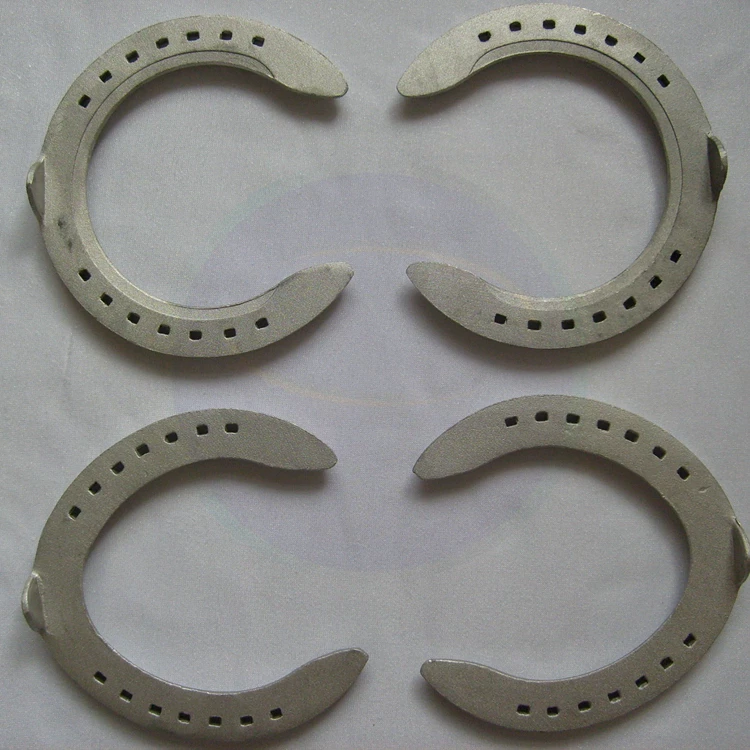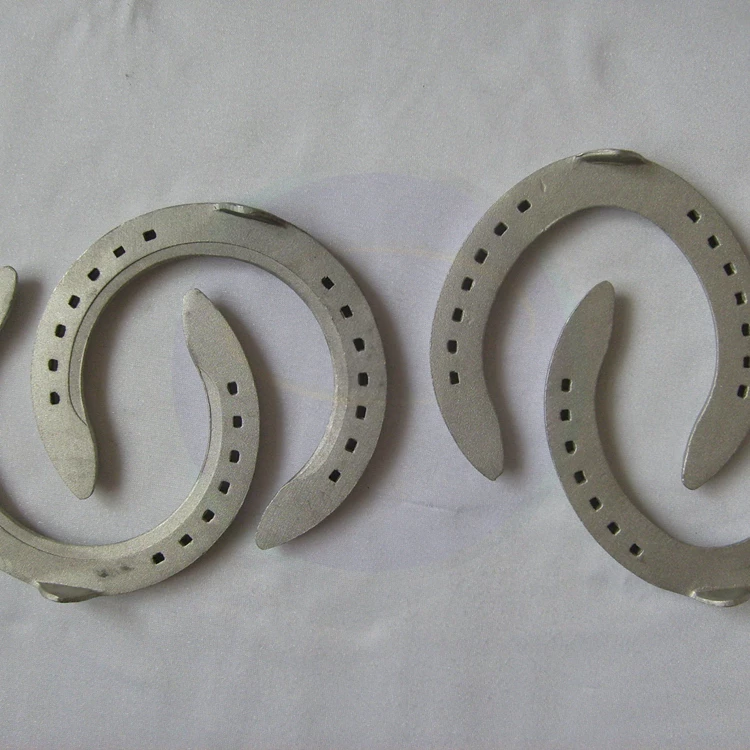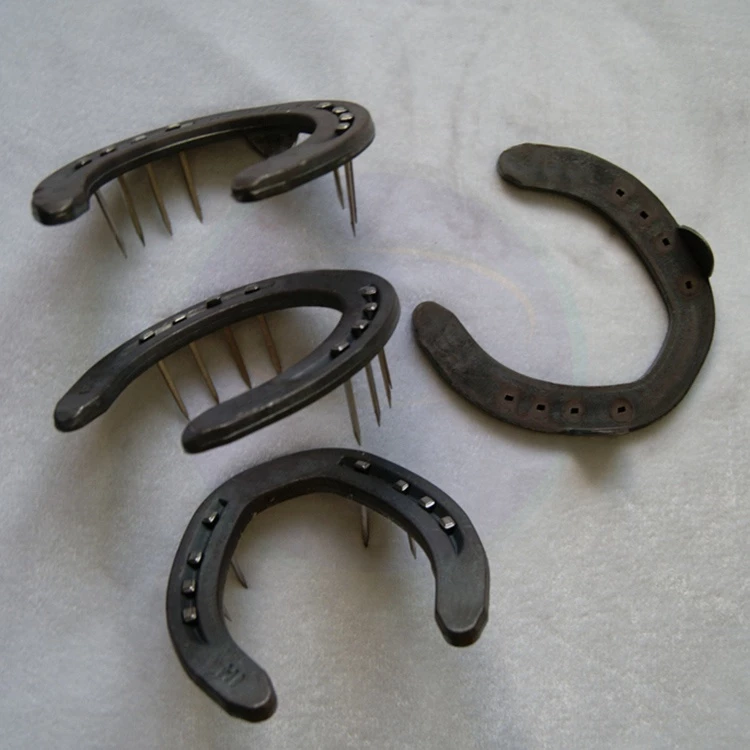

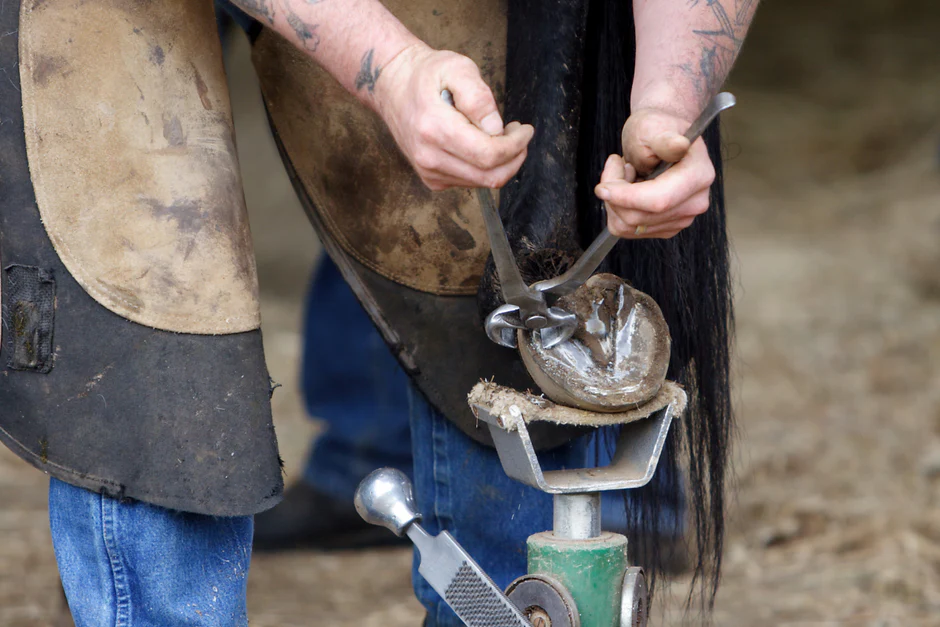
Healthy hooves are essential for your horse’s mobility and overall well-being, making Equine Hoof Care and Common Hoof Issues a priority for every horse owner. Without proper care, common problems like hoof cracks, abscesses, or white line disease can develop. These issues often cause pain and lameness, limiting your horse’s ability to move comfortably. Neglecting hoof care can lead to long-term complications, including chronic pain or even the need for surgery. Regular attention to hoof health helps prevent injuries, infections, and structural damage. By adopting a proactive approach to Equine Hoof Care and Common Hoof Issues, you ensure your horse stays active, comfortable, and free from unnecessary discomfort.
Key Takeaways
-
Clean your horse's hooves every day. This removes dirt and stops infections. Daily cleaning helps you find problems early.
-
Have a farrier check your horse's hooves every 4-6 weeks. Trimming keeps hooves healthy and prevents pain or limping.
-
Keep hooves from getting too dry or too wet. Use hoof conditioners in dry weather. Use sealants when it’s wet to stop cracks.
-
Feed your horse a diet with biotin, zinc, and omega-3s. These nutrients help hooves stay strong and healthy.
-
Watch how your horse moves for signs of hoof problems. Finding issues early means they can be fixed quickly.
Daily Practices for Equine Hoof Care
Cleaning and Inspecting Hooves
Importance of daily cleaning to remove debris and manure
Cleaning your horse’s hooves daily is one of the most effective ways to prevent Equine Hoof Care and Common Hoof Issues. Dirt, manure, and small stones can accumulate in the hoof, creating an environment for bacteria and fungi to thrive. Regular cleaning removes these irritants and reduces the risk of infections like thrush.
Follow these steps for proper hoof cleaning:
-
Gather your tools, including a hoof pick, stiff brush, and gloves.
-
Secure your horse to ensure safety during the process.
-
Stand beside your horse’s shoulder, facing its tail, and gently signal it to lift its foot.
-
Use the hoof pick to clear debris, starting from the heel and moving toward the toe.
-
Inspect the hoof for loose nails, cracks, or signs of infection.
Daily cleaning not only keeps hooves healthy but also helps you detect problems early.
How to check for signs of damage or infection
While cleaning, look for abnormalities such as foul odors, discoloration, or swelling around the hoof. These could indicate infections like thrush or abscesses. Pay attention to the hoof wall for cracks or chips, which may worsen if left untreated. Regular inspections allow you to address issues before they escalate.
Maintaining Moisture Balance
Preventing hooves from becoming too dry or too soft
Maintaining the right moisture balance is crucial for hoof health. Hooves that are too dry may crack, while overly soft hooves can weaken and become prone to damage. Rapid changes between wet and dry conditions can also cause lameness or structural issues.
To prevent these problems, adopt a two-step approach: soak the hooves to replenish moisture, then seal it with hoof oil or balsam. This method not only retains moisture but also protects hooves from environmental stressors, keeping them flexible and strong.
Using conditioners or sealants when necessary
In dry weather, apply a hoof conditioner to prevent cracking. During wet seasons, use a sealant to protect against excessive moisture absorption. These products help maintain the hoof’s natural strength and resilience, reducing the likelihood of Equine Hoof Care and Common Hoof Issues.
Monitoring Hoof Growth and Condition
Recognizing normal growth rates and when trimming is needed
Horse hooves grow approximately ¼ to ½ inch per month. Monitor this growth to determine when trimming is necessary, typically every 4-6 weeks. Overgrown hooves can lead to imbalances, making your horse more susceptible to injuries or lameness.
Identifying early signs of hoof imbalance
Watch your horse’s movement to detect imbalances. Ideally, both heels should strike the ground simultaneously when trotting. Check the hairline for unevenness, as it can indicate improper weight distribution. Asymmetrical feet or irregularities in the sole plane may also signal a problem. Early detection ensures timely corrective action, preventing long-term complications.
Preventative Measures for Common Hoof Issues
Scheduling Regular Farrier Visits
Importance of trimming or shoeing every 4-6 weeks
Scheduling regular farrier visits every 4-6 weeks is essential for maintaining your horse’s hoof health. Overgrown hooves can lead to imbalances, causing discomfort and increasing the risk of injuries. Routine trimming ensures proper hoof length and shape, promoting even weight distribution. This reduces stress on the legs and joints, preventing lameness and other common hoof problems.
How professional care supports hoof health
A qualified farrier provides tailored care based on your horse’s specific needs. Regular trimming prevents excessive growth and maintains balanced hoof angles. This helps your horse move comfortably and perform at its best. Professional farriers also identify early signs of issues like cracks or infections, addressing them before they worsen.
Benefits of professional farrier care include:
Balanced hooves that minimize stress and prevent lameness.
Prevention of excessive growth and imbalanced angles.
Customized care for your horse’s unique hoof structure.
Nutrition and Hoof Supplements
Role of a balanced diet in promoting strong hooves
A balanced diet plays a vital role in keeping your horse’s hooves strong and healthy. Nutrients like protein, zinc, and copper are essential for keratin production, which strengthens the hoof wall. Omega-3 fatty acids and calcium also contribute to overall hoof integrity. Providing adequate hydration further supports hoof health by maintaining moisture balance.
Benefits of biotin and other supplements for hoof growth
Biotin is one of the most effective supplements for improving hoof growth and quality. Studies show that biotin enhances the growth rate and hardness of the hoof horn. Zinc and copper also support keratin formation, while omega-3 fatty acids improve hoof elasticity.
|
Study Title |
Authors |
Journal |
Findings |
|---|---|---|---|
|
Effect of dietary biotin supplement on equine hoof horn growth rate and hardness |
E A Buffa et al. |
Equine Vet J. 1992 Nov;24(6):472-4 |
Biotin supplementation positively influences hoof health by enhancing growth rate and hardness of equine hoof horn. |
Protective Hoofwear and Exercise
When to use hoof boots for added protection
Hoof boots provide excellent protection in various situations. They shield barefoot horses from rough terrain, reducing the risk of bruises and discomfort. If your horse loses a shoe, hoof boots act as a temporary solution, offering cushioning and support. They also protect hooves during long trailer rides or on frozen ground.
|
Benefit/Scenario |
Description |
|---|---|
|
Barefoot Horses |
Protect hooves on rough ground, enhancing comfort and hoof health. |
|
Transitioning from Metal Shoes |
Reduce discomfort and prevent bruises during the transition to barefoot. |
|
Cushion on Rough Terrain |
Allow natural shock absorption, ideal for jumpers and rocky trails. |
|
Protection & Comfort While Trailering |
Reduce fatigue and protect hooves during long trailer rides. |
How regular exercise improves hoof circulation
Exercise is crucial for improving hoof circulation. Movement stimulates blood flow, delivering nutrients to the hooves and promoting growth. Regular activity also strengthens the hoof structure, making it more resilient to wear and tear. Incorporating consistent exercise into your horse’s routine supports overall hoof health and prevents common issues.
Tip: Combine protective hoofwear with regular exercise to maximize hoof health and prevent Equine Hoof Care and Common Hoof Issues.
Addressing Equine Hoof Care and Common Hoof Issues
Cracks
Causes of hoof cracks and prevention strategies
Hoof cracks can develop due to several factors, many of which are preventable with proper care. Environmental changes, such as alternating between wet and dry conditions, weaken the hoof structure. Trauma or pressure from external sources, like uneven terrain, can also lead to cracks. Poor hoof balance caused by improper farriery or conformation issues increases the risk. Nutritional deficiencies, especially in biotin and essential minerals, compromise hoof health and growth.
To prevent cracks:
-
Maintain consistent hoof care routines.
-
Provide a balanced diet rich in nutrients like biotin, zinc, and copper.
-
Schedule regular farrier visits to ensure proper trimming and balance.
-
Protect hooves from extreme environmental conditions.
Immediate steps to take if cracks appear
If you notice a hoof crack, act quickly to prevent further damage:
-
Consult your farrier or veterinarian for an assessment.
-
Address any signs of infection, blood, or lameness immediately.
-
Observe your horse’s movement to identify potential imbalances.
-
Stabilize the crack with professional help, using corrective shoeing or patching materials.
-
Adjust the horse’s environment to minimize stress on the affected hoof.
Thrush
Recognizing signs of thrush and its common causes
Thrush is a bacterial infection that affects the frog of the hoof. Common signs include a foul-smelling, black discharge and tenderness in the frog area. You may also notice gaps or fissures in the hoof and soft, crumbly soles. Thrush often results from wet or unsanitary living conditions, lack of exercise, or poor hoof maintenance.
Effective treatment and prevention methods
To treat thrush, clean the affected hoof thoroughly and apply an antimicrobial solution. Keep the horse in a dry, clean environment to prevent further infection. Regular hoof cleaning and exercise improve circulation and reduce the risk of recurrence. Prevent thrush by maintaining a clean living area and ensuring proper hoof care routines.
Abscesses
Symptoms of hoof abscesses and how they develop
Hoof abscesses occur when bacteria become trapped inside the hoof, often due to injuries like punctures or cracks. Wet conditions and poor hoof quality create an ideal environment for bacteria to thrive. Symptoms include sudden, severe lameness, swelling, and warmth in the hoof. You might also notice a strong digital pulse and discharge with a foul odor.
When to seek professional treatment
If you suspect an abscess, contact your veterinarian promptly. They can drain the abscess and recommend appropriate aftercare. Avoid attempting to treat abscesses on your own, as improper handling can worsen the condition. Professional care ensures a quicker recovery and prevents complications.
Environmental Management for Healthy Hooves
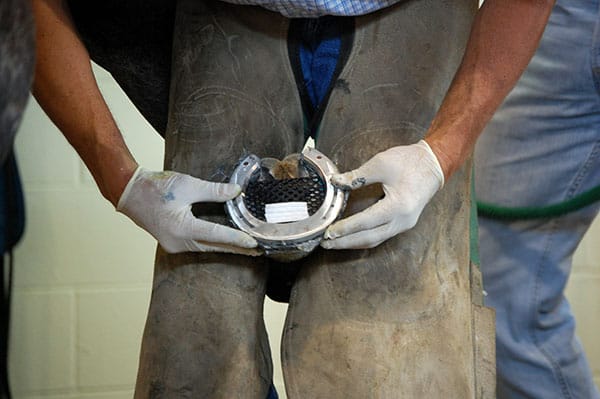
Keeping Living Areas Clean and Dry
Importance of regular stall cleaning to reduce bacteria
A clean living environment is essential for maintaining healthy hooves. Dirty stalls create a breeding ground for bacteria and fungi, increasing the risk of infections like thrush. You should clean stalls daily, removing manure and wet bedding to keep the area dry. This reduces moisture buildup, which can soften hooves and compromise their structure. Regular cleaning also minimizes ammonia exposure, which can irritate the hoof and surrounding tissues.
Managing turnout areas to prevent mud and standing water
Turnout areas play a significant role in hoof health. Mud and standing water can weaken hooves, making them more susceptible to cracks and infections. To manage these areas effectively:
-
Install proper drainage systems to prevent water accumulation.
-
Use gravel or sand in high-traffic zones to reduce mud.
-
Rotate pastures to avoid overuse and excessive wear on the ground.
By keeping turnout areas clean and dry, you create a safer environment that supports strong, healthy hooves.
Seasonal Adjustments
Adapting hoof care routines for wet or dry seasons
Seasonal changes require adjustments to your hoof care routine. Wet conditions in spring and summer increase the risk of thrush, while dry weather can cause cracks. In fall and winter, moisture and cold can lead to infections, and snow may cause discomfort.
|
Season |
Conditions |
Care Strategies |
|---|---|---|
|
Spring/Summer |
Wet Conditions |
Increase hoof cleaning to prevent thrush; monitor for laminitis risk due to lush grass. |
|
|
Dry Conditions |
Regular moisturizing to prevent cracks; ensure hydration of hooves. |
|
Fall/Winter |
Moisture and Cold |
Maintain drainage in paddocks; regular hoof inspections to prevent infections. |
|
|
Snow and Ice |
Use specialized shoeing for traction; clear snowballs from hooves to prevent discomfort. |
|
Dry Climates |
Excessively Dry |
Regular hydration and hoof oils to prevent cracking. |
|
Humid Climates |
Constant Moisture |
Maintain a clean and dry environment to strengthen hoof structures. |
Protecting hooves during extreme weather conditions
Extreme weather can challenge hoof health. Regular trimming and shoeing adapted to the season help maintain balance and prevent damage. Use hoof boots for added protection on rough or icy terrain. Daily inspections allow you to catch issues like cracks or infections early. A balanced diet rich in biotin and omega-3 fatty acids strengthens hooves, making them more resilient to environmental stressors.
Tip: Combine proper environmental management with seasonal care strategies to keep your horse’s hooves in top condition year-round.
Caring for your horse’s hooves daily ensures long-term health and comfort. Regular cleaning prevents bacteria and infections, while inspections help you catch abnormalities early. Maintaining moisture balance and checking shoe condition keeps hooves strong and safe.
Common mistakes to avoid:
Skipping farrier visits, which can lead to lameness.
Neglecting daily care, increasing the risk of thrush.
Using poor turn-out areas that weaken hooves.
Stay proactive by consulting professionals and sticking to a consistent routine. Healthy hooves mean a happier, more active horse!
FAQ
What tools do you need for daily hoof cleaning?
You need a hoof pick, a stiff brush, and gloves. The hoof pick removes debris, while the brush cleans the surface. Gloves protect your hands during the process. These tools help you maintain clean and healthy hooves, reducing the risk of infections like thrush.
How often should you schedule farrier visits?
Schedule farrier visits every 4-6 weeks. Regular trimming or shoeing prevents overgrowth and maintains proper hoof balance. This routine reduces stress on your horse’s legs and joints, ensuring comfort and mobility. Consistent farrier care also helps identify and address potential hoof issues early.
Can diet affect hoof health?
Yes, diet plays a crucial role. A balanced diet with protein, zinc, and copper supports keratin production, strengthening hooves. Supplements like biotin improve growth and hardness. Omega-3 fatty acids enhance elasticity. Proper nutrition ensures your horse’s hooves remain strong and resilient.
How do you prevent thrush in wet conditions?
Keep your horse’s living area clean and dry. Remove manure and wet bedding daily. Use gravel or sand in turnout areas to reduce mud. Regularly clean hooves to remove debris and bacteria. These steps minimize the risk of thrush and other infections.
When should you use hoof boots?
Use hoof boots on rough terrain, during long trailer rides, or when transitioning from metal shoes. They protect hooves from bruises and provide cushioning. Hoof boots also offer temporary support if your horse loses a shoe, ensuring comfort and safety in various situations.