
Seasonal changes directly affect your horse’s hoof growth. For example, hooves grow faster in spring and slower in winter, as shown below:
|
Season |
Effect on Hoof Growth Rate |
|---|---|
|
Spring |
Significant Increase |
|
Summer |
Moderate Increase |
|
Fall |
Decrease |
|
Winter |
Minimal Growth |
Proactive scheduling reduces risks like chipping or cracking. Regular trimming and shoeing also prevent strain on tendons. To maintain hoof health, ask yourself, “How Often Should My Horse See The Farrier?” and adjust visits based on seasonal needs.
Key Takeaways
-
Plan farrier visits depending on how hooves grow each season. In spring, schedule every 5 to 7 weeks. In winter, visits can be every 10 to 12 weeks.
-
Check your horse's hooves often. Watch for cracks or infections. Finding problems early helps avoid bigger issues.
-
Talk to your farrier about your horse's needs. Share what you notice about hoof growth and health for better care.
Understanding Seasonal Hoof Growth
How Hoof Growth Rates Vary by Season
Hoof growth rates change with the seasons. In spring, hooves grow faster due to increased nutrients in fresh grass and higher activity levels. Summer brings moderate growth, but dry weather can lead to cracks and splits. Fall slows hoof growth as temperatures drop, and wet conditions increase the risk of infections. Winter sees minimal growth because of reduced circulation and activity.
Understanding these patterns helps you answer the question, "How Often Should My Horse See The Farrier?" For example, spring may require more frequent trims, while winter might allow longer intervals between visits.
Factors That Influence Hoof Growth
Environmental conditions play a significant role in hoof health. Wet spring weather softens hooves, making them prone to thrush and laminitis. Dry summer heat can dry out hooves, causing cracks. Fall’s moisture and cold can weaken hoof structures, while winter snow and ice create discomfort and imbalance. Horses in dry climates often need hydration and hoof oils, while those in humid areas require extra cleaning to prevent infections.
Other factors include diet, activity levels, and genetics. Horses with balanced diets and regular exercise tend to have healthier hooves. Increased activity improves blood flow, which supports growth, especially in summer when horses are often ridden more.
Why Seasonal Awareness Matters
Seasonal awareness ensures your horse’s hooves stay healthy year-round. By understanding how seasons affect growth, you can schedule farrier visits proactively. This prevents issues like cracks, infections, or imbalances. Regular maintenance and professional check-ups are essential for strong hooves, which are vital for your horse’s overall well-being. Healthy hooves support comfort, performance, and long-term health.
How Often Should My Horse See The Farrier?
Spring: Adjusting for Rapid Growth
Spring brings rapid hoof growth due to increased activity and nutrient-rich grass. During this season, you should schedule farrier visits every 5 to 7 weeks. Faster growth can lead to overgrown hooves, which may cause cracks or imbalances. Horses in heavy work or those with shoes may require even more frequent care. Regular trims during spring prevent hoof-related issues and ensure your horse stays comfortable and active.
Summer: Managing Slower Growth and Dry Conditions
In summer, hoof growth slows slightly, but dry conditions can cause hooves to become brittle. You should plan farrier visits every 6 to 8 weeks. Horses in regular work may need more frequent trims to maintain balance and prevent wear. Applying hoof moisturizers and ensuring proper hydration can help combat dryness. Discuss these seasonal challenges with your farrier to adjust care as needed.
Fall: Preparing for Wet Weather
Fall introduces wet conditions that soften hooves and increase the risk of infections like thrush. You should aim for farrier visits every 6 to 8 weeks. Horses in muddy environments may need extra attention to prevent hoof deterioration. Regular trims help maintain proper hoof shape and reduce the risk of slipping on wet ground. Preparing for fall weather ensures your horse’s hooves remain strong and healthy.
Winter: Adapting to Dormant Growth
Winter slows hoof growth significantly due to reduced activity and circulation. Horses not in work may only need trims every 10 to 12 weeks. However, riding horses still require farrier visits every 6 to 8 weeks to maintain balance and prevent cracks caused by frozen ground. Winter care focuses on maintaining hoof health despite the slower growth. Regular check-ups ensure your horse stays comfortable throughout the season.
Tips for Preparing for Farrier Visits
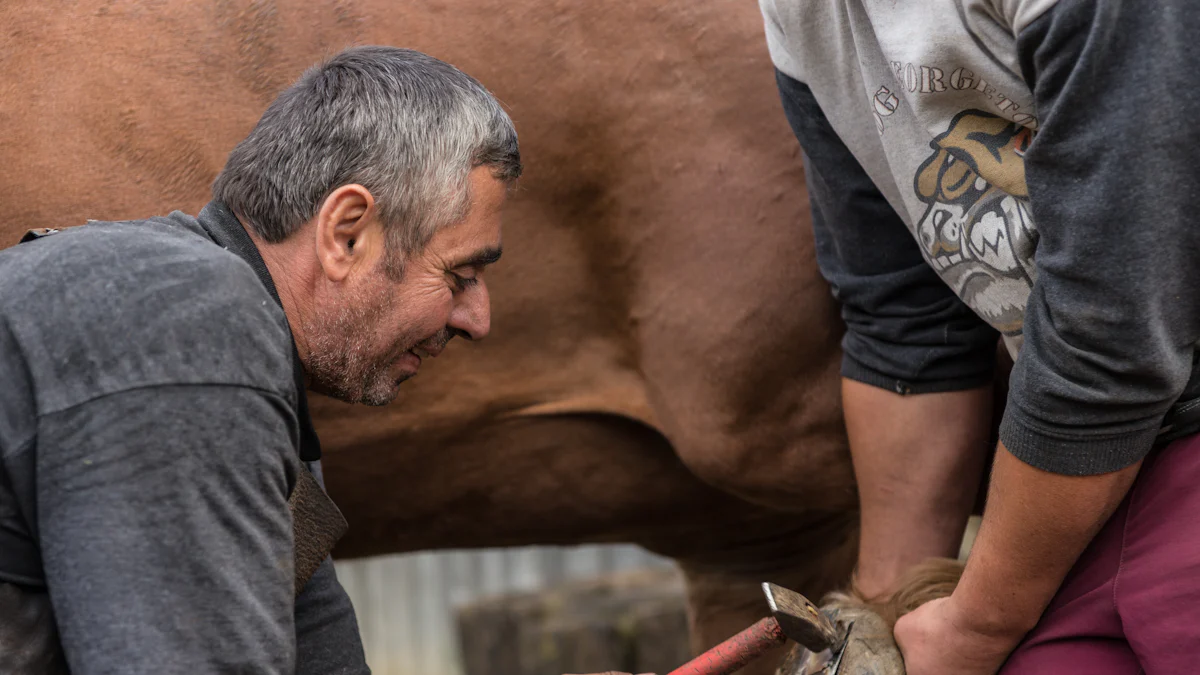 Keeping Your Horse Calm and Comfortable
A calm horse ensures a smooth farrier visit. Exercise your horse before the appointment to release excess energy. Simple groundwork or hand-walking can help stretch his legs and settle his mind. Training sessions that mimic farrier visits also prepare your horse for the process. Practice picking up his feet and holding them for short periods. Gradually increase the time and reward him for standing quietly.
Tie or cross-tie your horse securely before the farrier arrives. Speak in a soothing tone and maintain a calm demeanor. Your horse will pick up on your energy, so staying relaxed helps him feel at ease. If your horse struggles with anxiety, explore calming solutions like herbal supplements or aromatherapy to create a stress-free experience.
Cleaning and Inspecting Hooves Beforehand
Clean your horse’s hooves thoroughly before the farrier visit. Use a hoof pick to remove dirt, mud, and debris. This not only makes the farrier’s job easier but also allows you to inspect for any issues like cracks, bruises, or infections. Early detection of problems ensures timely treatment and prevents complications. Groom your horse and bring him to a safe, dry area for the appointment. Having someone available to hold your horse can also help keep him steady during the visit.
Communicating Seasonal Needs with Your Farrier
Discuss your horse’s seasonal hoof care needs with your farrier. Share observations about changes in hoof growth or condition. For example, rapid growth in spring may require more frequent trims, while slower growth in winter might allow longer intervals. Ask your farrier, “How Often Should My Horse See The Farrier?” to ensure the schedule aligns with your horse’s needs. Open communication helps your farrier provide tailored care, keeping your horse’s hooves healthy year-round.
Common Hoof Care Mistakes to Avoid
Skipping Appointments During Slow Growth
Skipping farrier appointments during slow growth periods, like winter, can lead to long-term problems. Even when hooves grow slower, they still require regular maintenance. Overgrown hooves can cause cracks, imbalances, or strain on tendons. Horses in work need consistent trims to maintain proper hoof shape and balance. Neglecting these appointments may result in discomfort or lameness. You should stick to a schedule, even during dormant growth seasons, to avoid these issues.
Neglecting Seasonal Challenges
Seasonal changes bring unique challenges that affect hoof health. Ignoring these can lead to preventable problems. For example:
-
Spring and Summer: Wet conditions soften hooves, increasing the risk of thrush and laminitis. Lush grass can also contribute to these issues.
-
Fall and Winter: Moisture and cold soften hooves again, raising infection risks. Snow and ice can cause discomfort and imbalance.
You should adapt your horse’s care to these seasonal challenges. Use hoof conditioners during dry months and clean hooves frequently in wet weather. Discuss these adjustments with your farrier to ensure your horse’s hooves stay healthy year-round.
Missing Early Signs of Hoof Issues
Failing to notice early signs of hoof problems can lead to serious complications. Cracks, bruises, or foul odors often indicate infections or imbalances. Regularly inspect your horse’s hooves for these warning signs. If you spot anything unusual, consult your farrier immediately. Early intervention prevents minor issues from escalating into costly or painful conditions. Staying vigilant ensures your horse’s comfort and long-term hoof health.
Seasonal hoof growth demands flexible farrier schedules. Consistent care ensures healthy hooves and supports overall horse health. Evidence-based farriery improves hoof biomechanics and locomotion. Proactive planning, including downtime and regular evaluations, enhances comfort and performance. By staying vigilant and communicating with your farrier, you can keep your horse thriving year-round.
FAQ
How do I know if my horse needs more frequent farrier visits?
Look for signs like overgrown hooves, cracks, or uneven wear. Increased activity or rapid seasonal growth also indicates the need for more frequent trims or shoeing.
Tip: Regularly inspect your horse’s hooves to catch these signs early.
Can I trim my horse’s hooves myself?
Trimming requires professional skills to avoid imbalances or injuries. You should rely on a trained farrier to ensure proper hoof care and prevent long-term health issues.
Note: Improper trimming can cause lameness or discomfort.
What should I do if my horse resists farrier visits?
Practice handling your horse’s hooves daily. Reward calm behavior during training. Consult your farrier for advice on managing resistance or anxiety during appointments.
Tip: Consistency and patience improve your horse’s cooperation over time.