

In the horseshoe industry, forged and cast horseshoes are the two most common manufacturing methods. Many well-known horseshoe brands prefer forged horseshoes, and it’s not by chance. Forging provides clear advantages in strength, durability, and consistent performance. At the same time, cast horseshoes have their own benefits. Understanding the differences between forged and cast horseshoes is important for buyers, farriers, and horse owners when choosing the right product.
Forged horseshoes are made by heating steel to high temperatures and shaping it with hammers or pressing machines. Unlike cutting or casting, forging not only changes the shape of the horseshoe but also improves the internal structure of the metal. This makes the horseshoe stronger and more reliable under heavy loads. The dense metal structure of forged horseshoes ensures they are less likely to crack or deform during intense work, making them suitable for race horses, sport horses, and working horses that require high-performance and long-lasting durability.
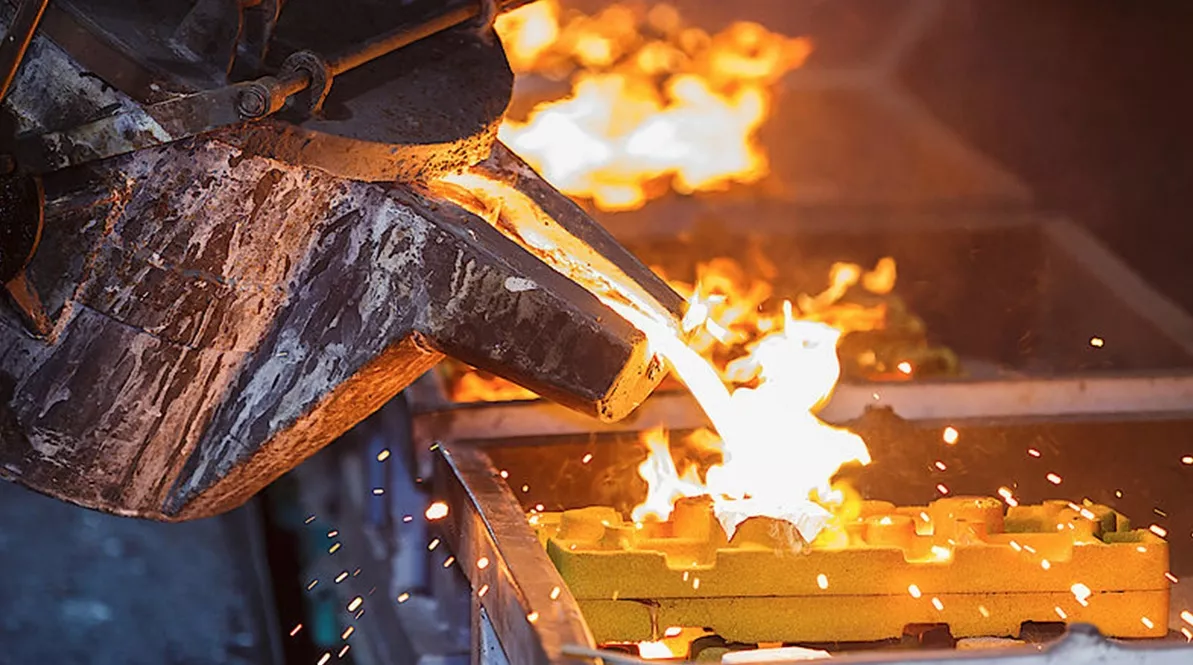
Cast horseshoes, on the other hand, are made by pouring molten metal into molds and allowing it to cool. Casting is flexible in terms of shape and design, and the production process is generally faster and less expensive. However, cast horseshoes have a looser internal structure, so their strength and wear resistance are lower compared to forged horseshoes. Cast shoes are better suited for leisure riding, light-use horses, or situations where cost is a priority.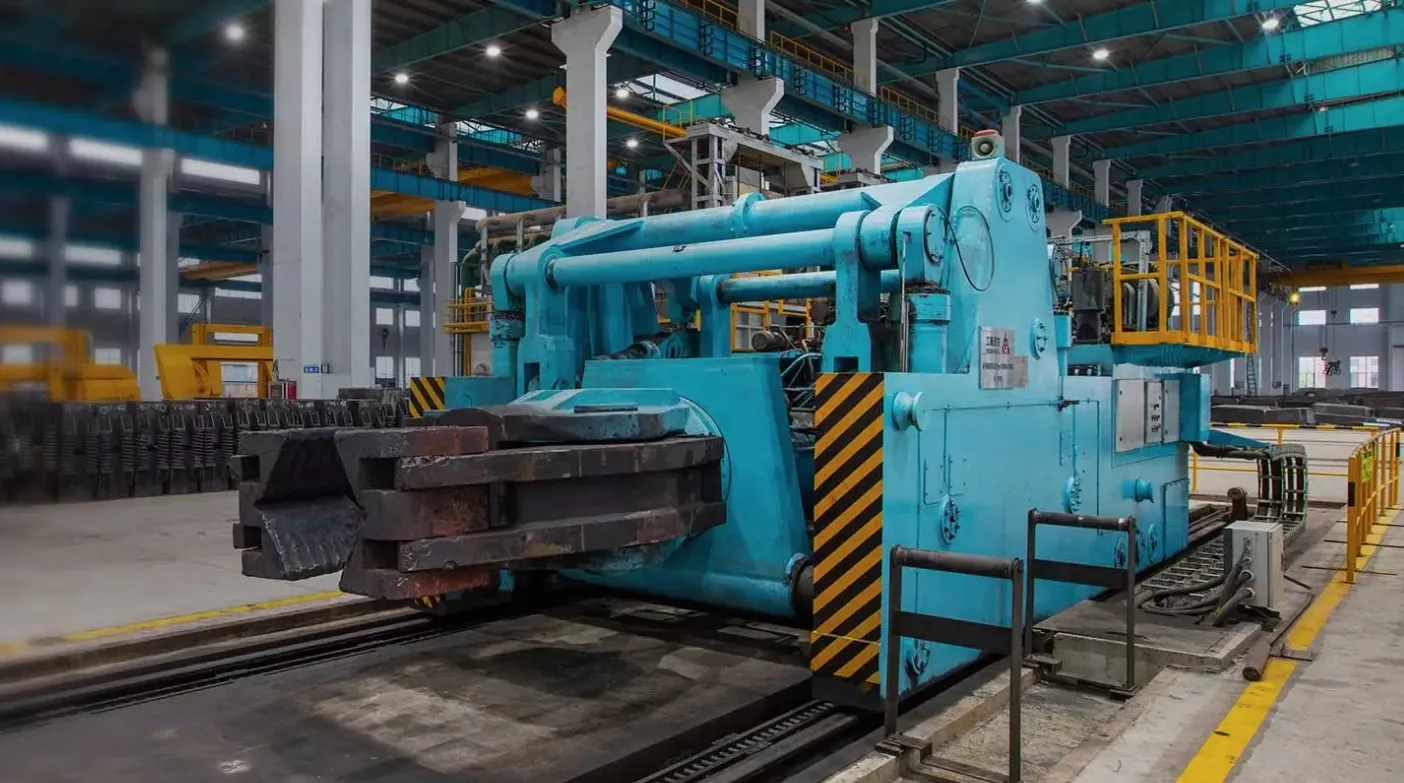
In real-world use, forged and cast horseshoes differ in several ways. Forged horseshoes have higher strength, better wear resistance, and more consistent size, thickness, and weight. This makes them more stable when produced in large quantities. They also offer better weight distribution, helping horses move naturally and reducing stress on hooves and legs, which is especially important for high-performance horses. Cast horseshoes are valued for design flexibility and lower cost but may require more frequent replacement under heavy use.
Many leading brands favor forged horseshoes because of their durability and reliable performance. Forging also works well for OEM and custom production. Factories can adjust size, thickness, nail hole placement, and material according to different market requirements. Many brands rely on experienced forging factories to meet quality standards and global market demands rather than producing the shoes themselves.
Overall, forged and cast horseshoes each have advantages. Forged horseshoes are stronger, more durable, and ideal for high-load or professional use, while cast horseshoes are flexible in design and more cost-effective, suitable for leisure riding or special designs. Understanding these differences helps buyers, distributors, and farriers choose the right horseshoes for their needs, while also making it easier for factories to provide custom or wholesale solutions.