
During daily training, competitions, and work, a horse’s hooves take a lot of pressure and wear.
If the hooves are not well protected, it can affect the horse’s performance and may even cause hoof injuries, which shortens the working life of the horse.
Because of this, choosing the right horseshoe is very important.
In real use, many people find that one standard horseshoe cannot fit all horses. Horses used for different purposes and in different environments need different types of horseshoes.
Common Types of Horses
From a practical point of view, horses can usually be divided into the following types:
Race horses
Sport horses (such as show jumping and dressage horses)
Working horses (heavy-duty horses for pulling or farm work)
Leisure and riding horses
Below, we introduce suitable horseshoe solutions for each type.

Horseshoes for Race Horses
Race horses need very high speed and flexibility. Even a little extra weight can affect their performance.
So the main goal of race horse horseshoes is to protect the hoof while keeping the shoe as light as possible.
Main needs:
Lightweight design
Good balance
Accurate size and good fit
Recommended solution:
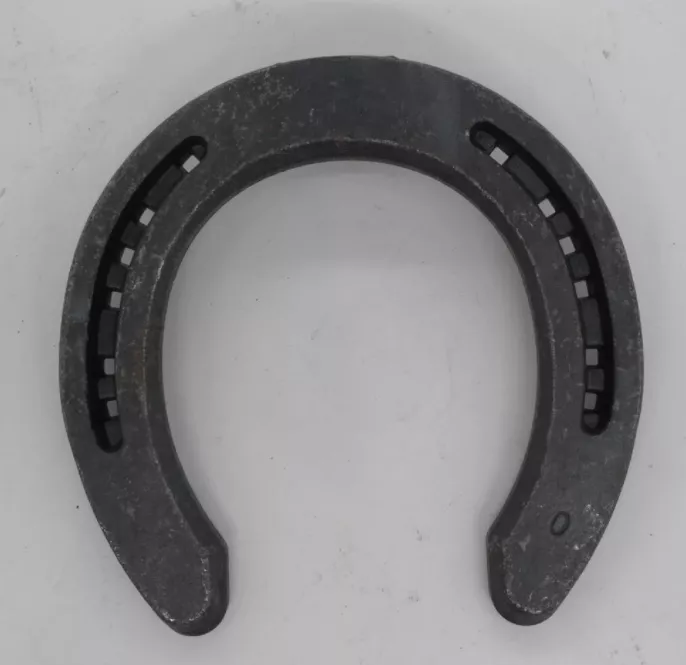
High-strength steel or lightweight alloy materials are often used. With precise forging, the horseshoe stays strong but not too heavy. Accurate sizing is important, so it does not affect the horse’s movement or balance.
Horseshoes for Sport Horses
(Show Jumping / Dressage)
Sport horses often jump, turn, and stop suddenly. This means they need better support and stability from their horseshoes.
If the grip is not good or the shoe cannot absorb impact, it may affect training or cause safety problems.
Main needs:
Strong support
Stable grip
Good impact resistance
Recommended solution:
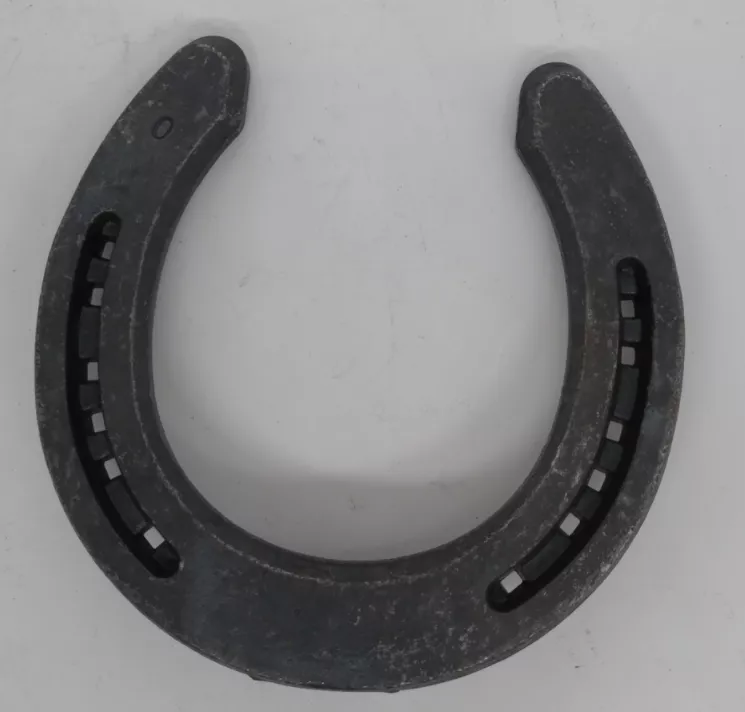
Steel horseshoes with medium thickness are a common choice. By improving the edge shape and load areas, these shoes help keep the horse stable and reduce impact during movement. They are suitable for frequent training and competitions.
Horseshoes for Working Horses
Working horses usually work for long hours under heavy loads, such as pulling carts or doing farm work.
Their hooves wear out faster, so durability is the key point.
Main needs:
High wear resistance
Not easy to deform
Long service life
Recommended solution:
Heavy-duty steel horseshoes are recommended. They use wear-resistant materials and heat treatment to improve strength. These shoes are thicker and work well on hard ground, gravel roads, and rough conditions, helping to reduce replacement frequency and costs.
Horseshoes for Leisure and Riding Horses
Leisure and riding horses do not need extreme performance. Comfort and basic hoof protection are more important.
Their horseshoes should be balanced in all aspects.
Main needs:
Good comfort
Stable walking balance
Moderate durability
Recommended solution:
Standard steel horseshoes are usually enough. They protect the hooves well and do not add too much weight. These shoes are suitable for daily riding, training, and light activities.
Different types of horses have different working environments and workloads, so their horseshoe needs are not the same.
Choosing the right horseshoe based on the horse’s purpose can improve performance and help keep the hooves healthy.
For horseshoe buyers and traders, understanding these differences also makes product selection easier and reduces unnecessary communication problems.