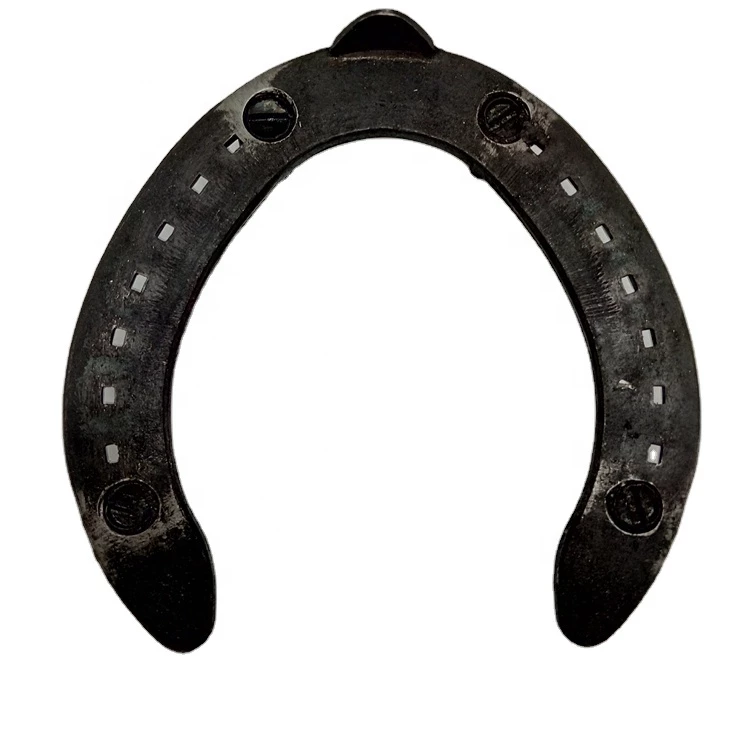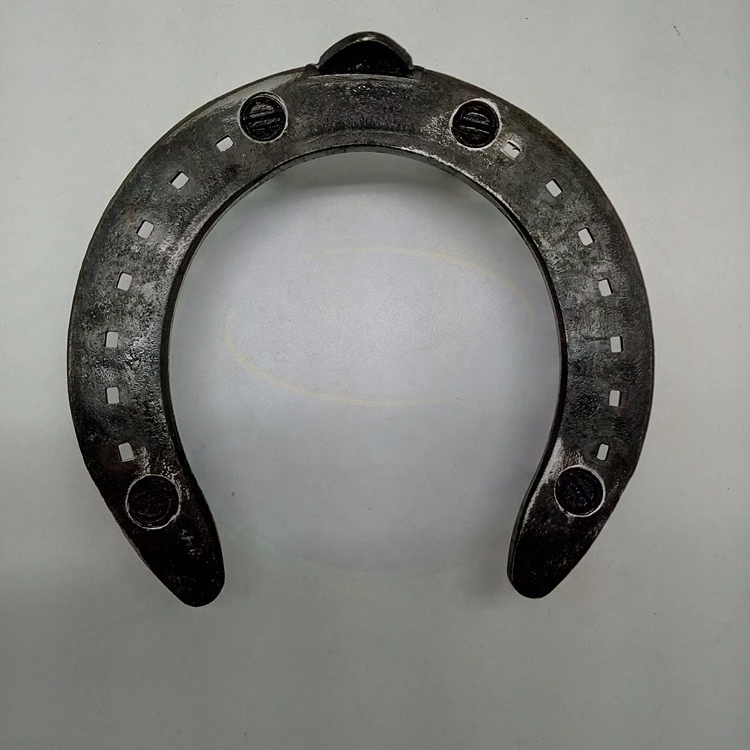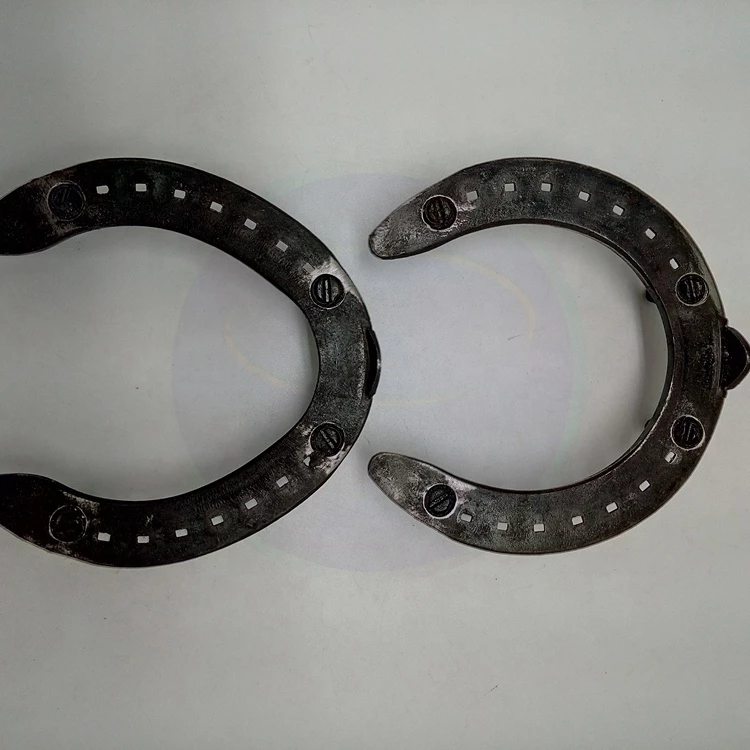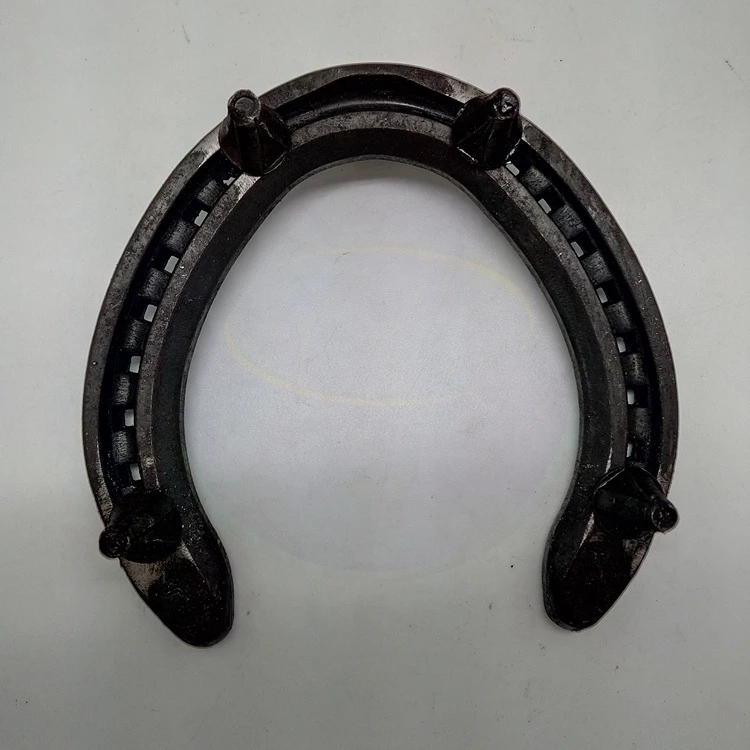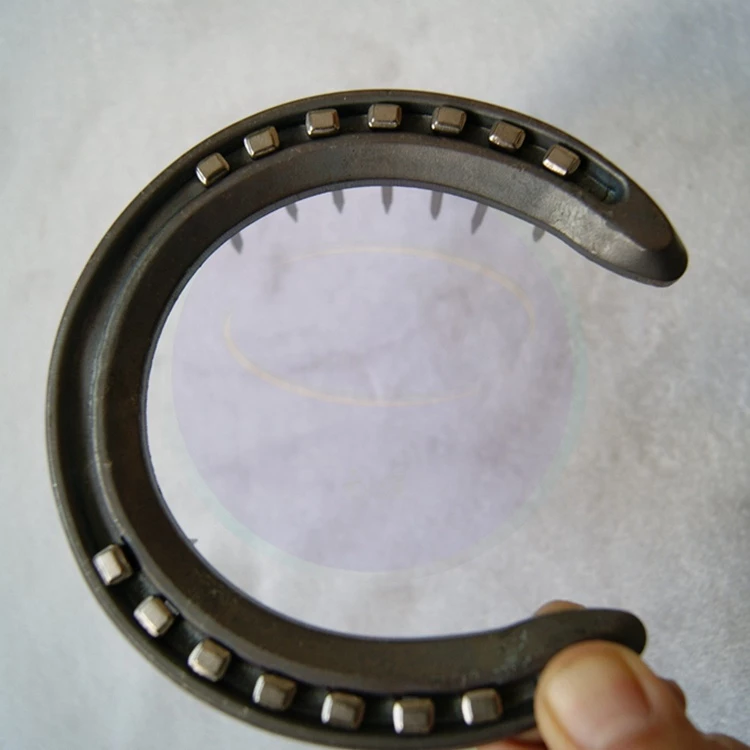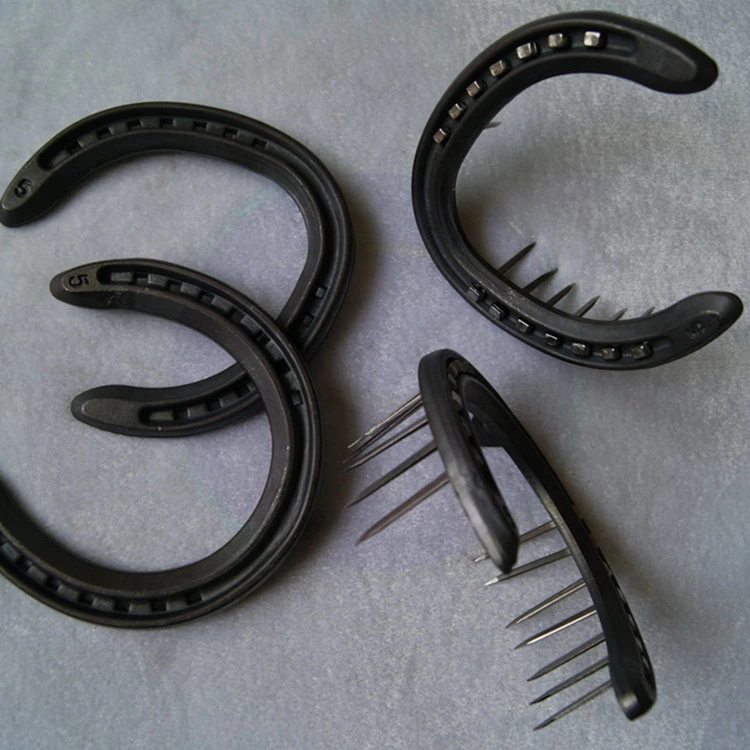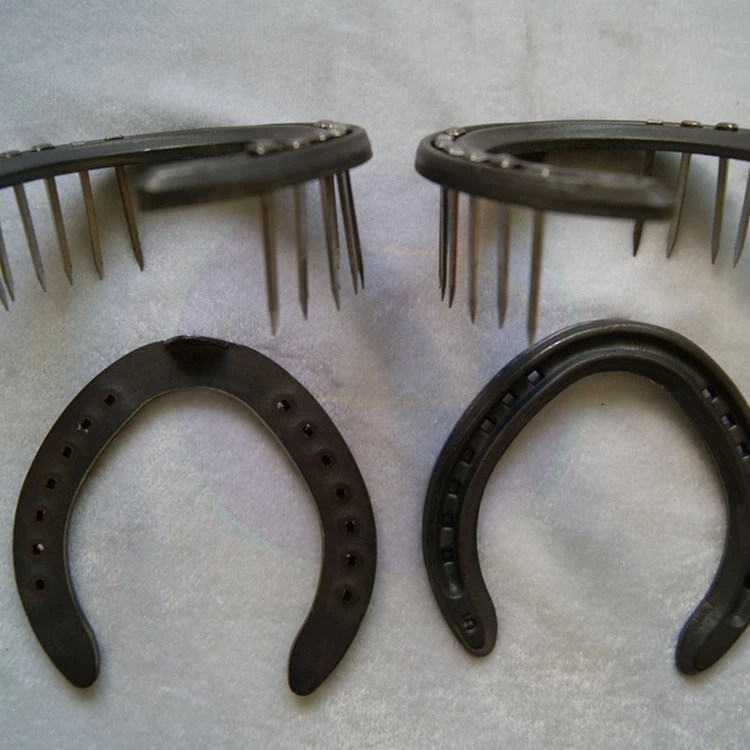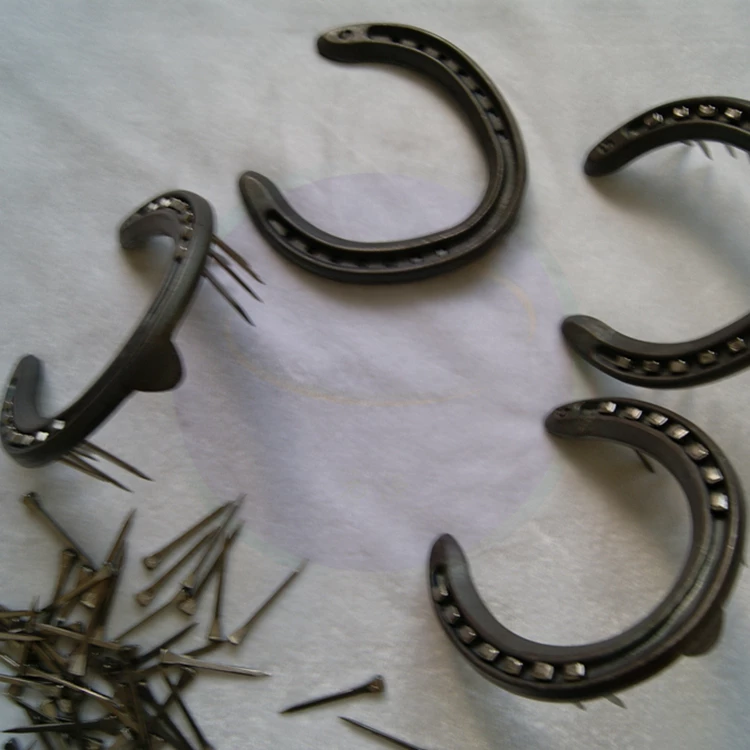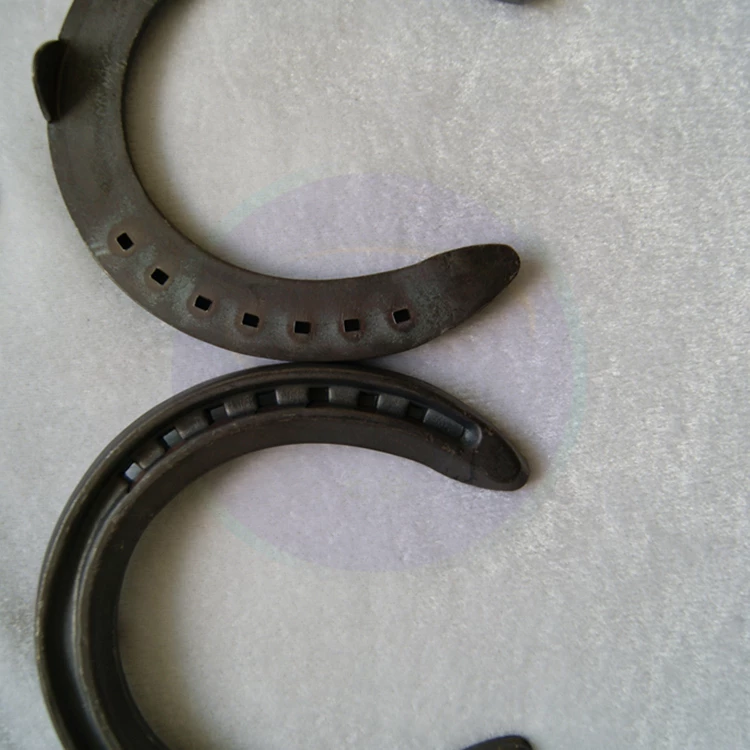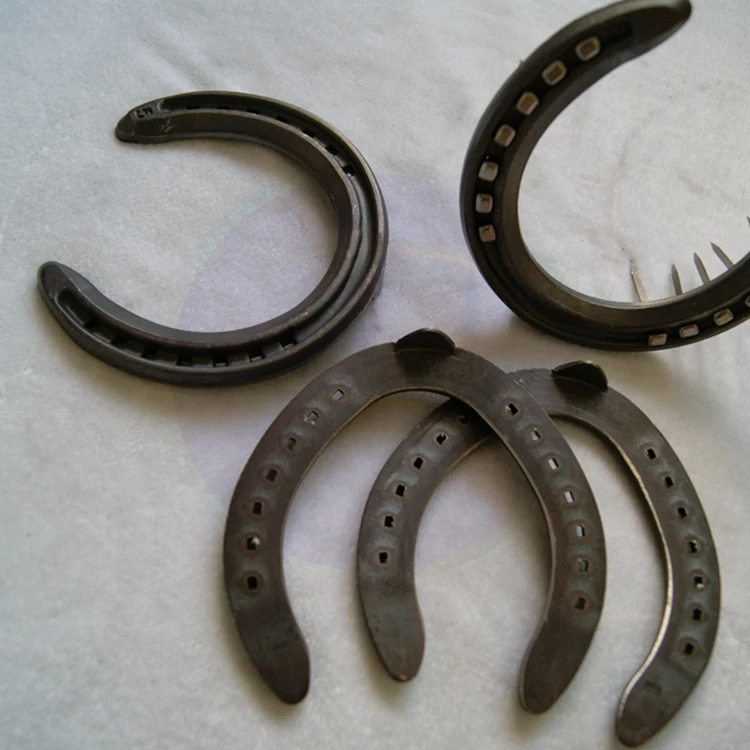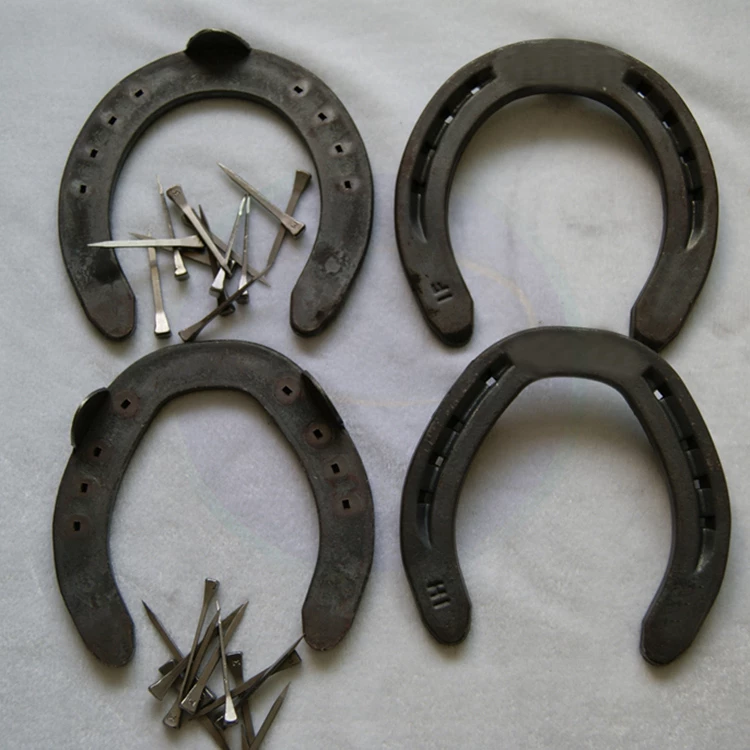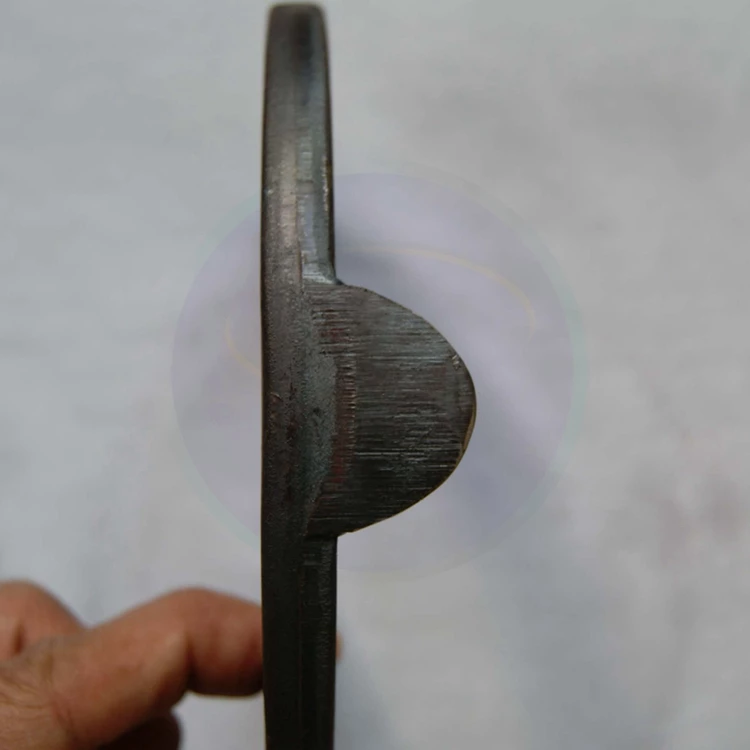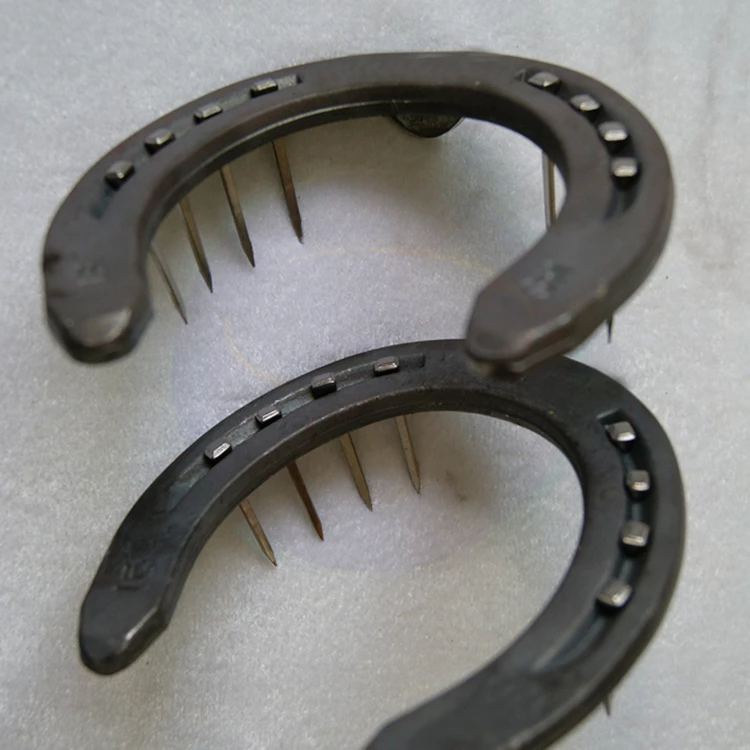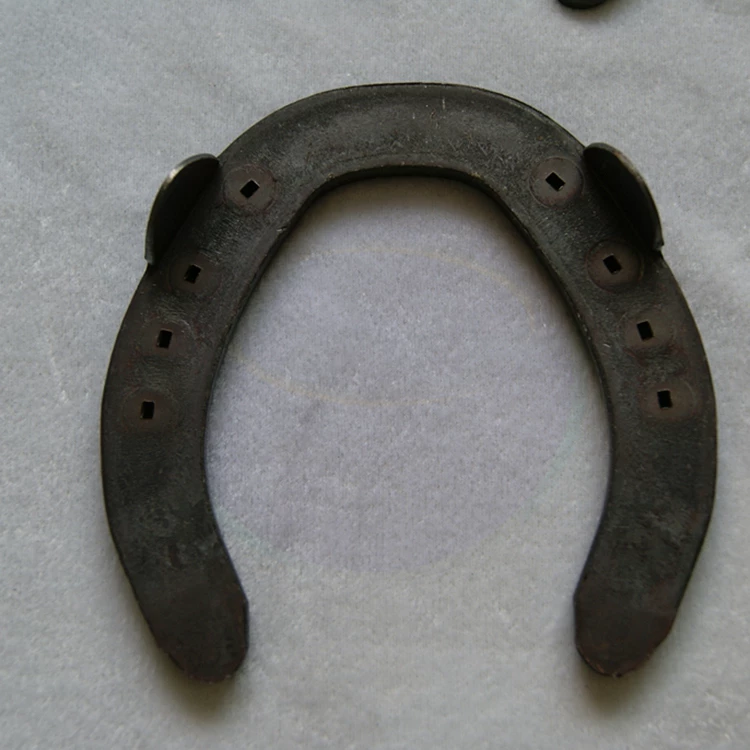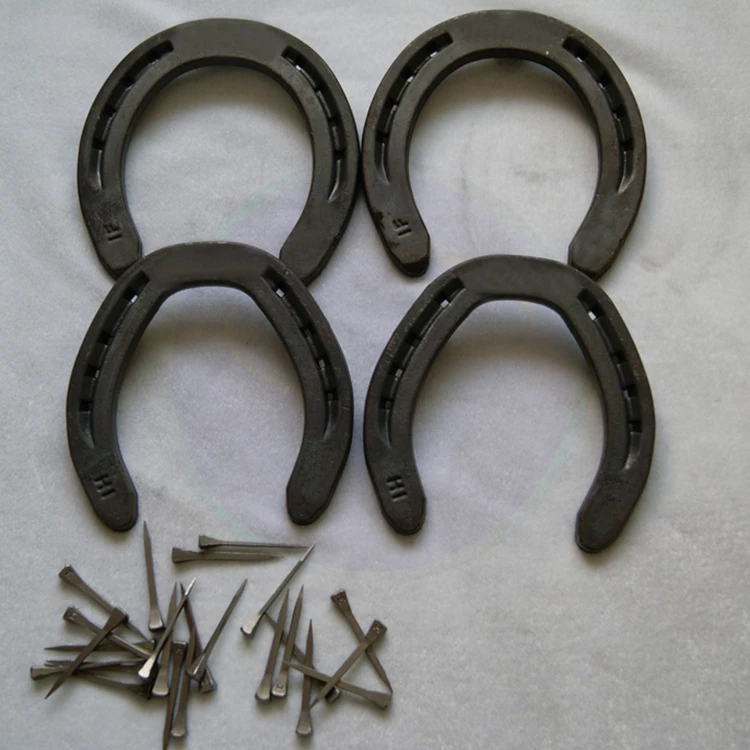

In the production of horseshoes, the mold serves as the cornerstone of quality and efficiency. A meticulously designed and precisely manufactured mold ensures that each horseshoe meets the required specifications and performs optimally. This article delves into the intricate process of horseshoe mold creation, highlighting the stages from initial design to final delivery.
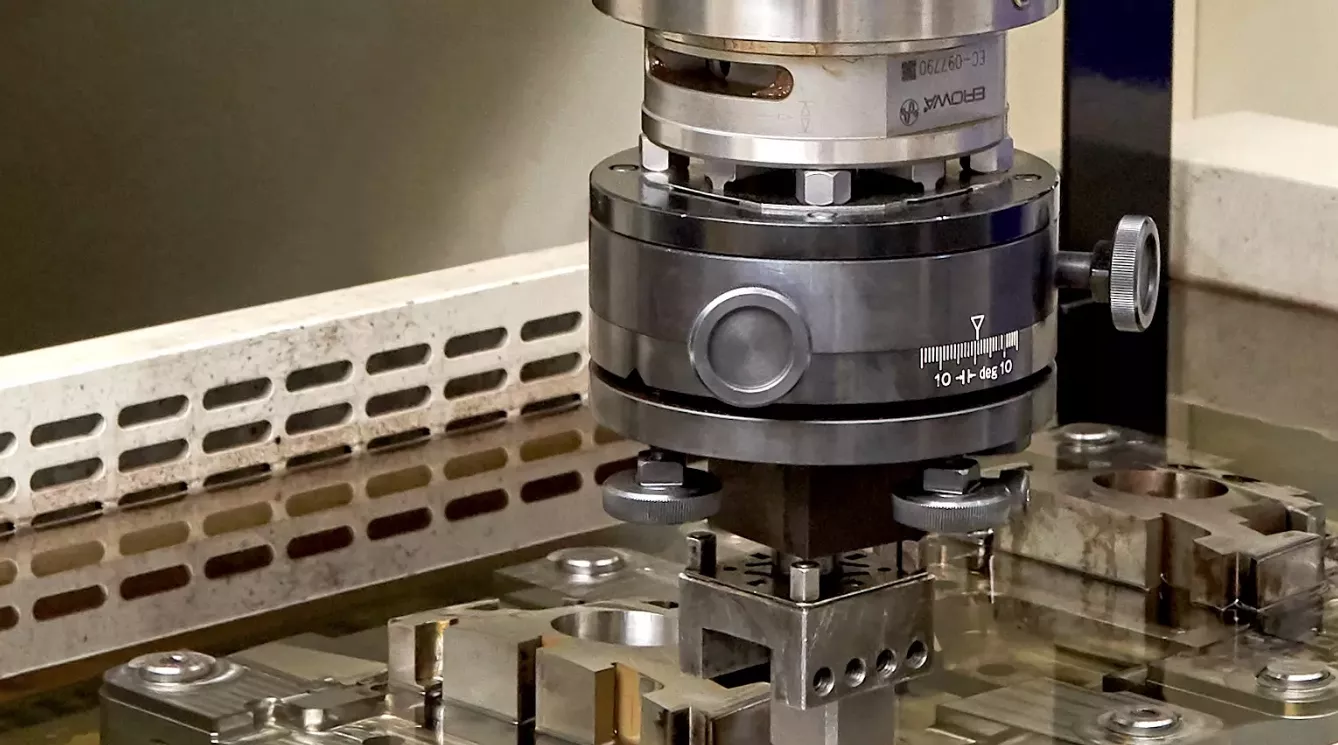
1. Design Phase: Laying the Foundation for Precision
The journey begins with a thorough understanding of the specific requirements for the horseshoe. This phase involves:
-
Client Consultation: Engaging with the client to ascertain the intended use of the horseshoe, whether for racing, work, or therapeutic purposes, and any special design considerations.
-
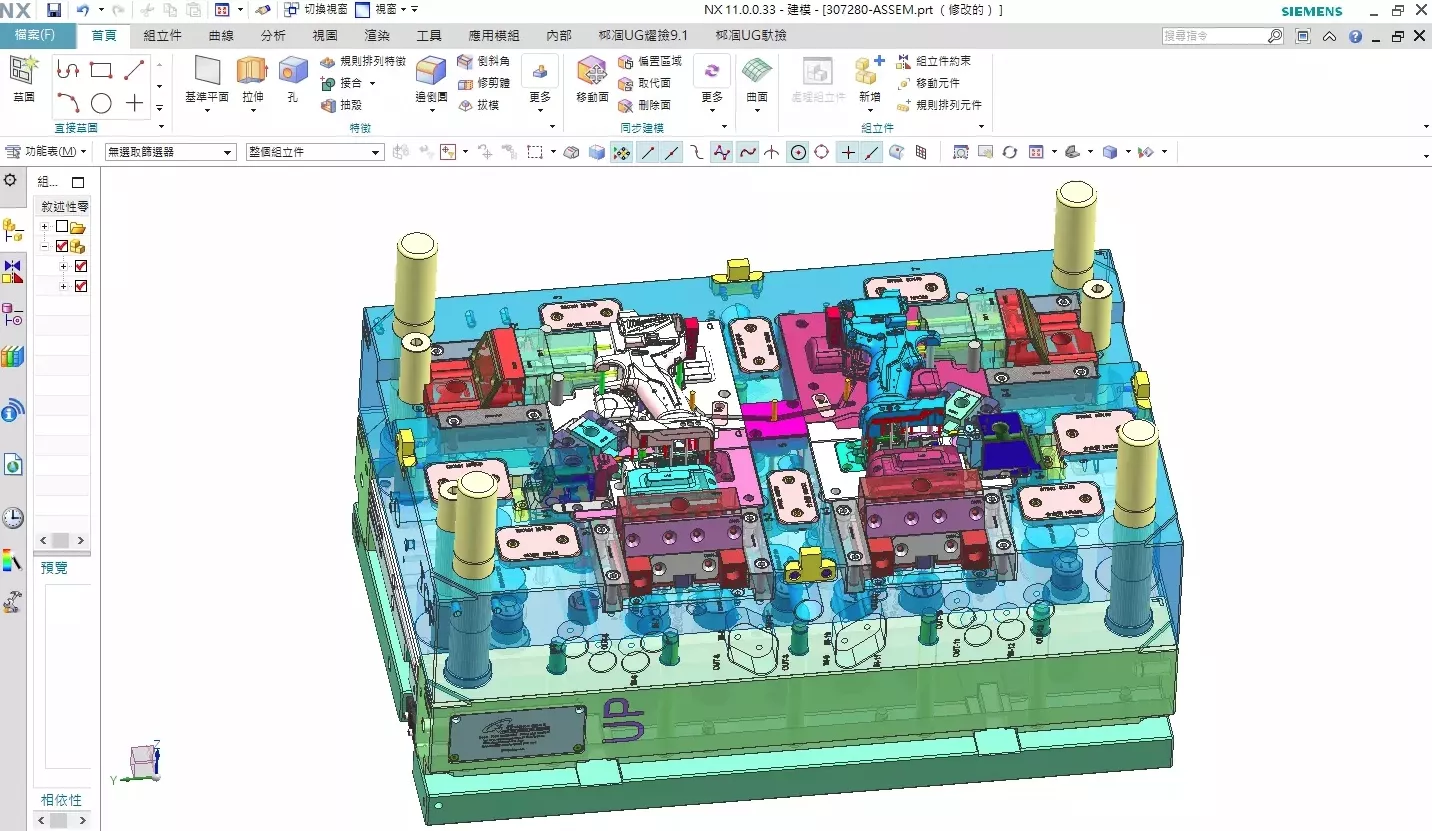
3D Modeling: Utilizing advanced CAD (Computer-Aided Design) software to create a detailed three-dimensional model of the horseshoe. This model includes precise dimensions, nail hole placements, and any unique features.
-
Simulation and Analysis: Conducting simulations to assess the mold's performance under various conditions, ensuring durability and functionality.
-
Prototype Development: Creating a prototype mold to test the design's feasibility and making necessary adjustments based on feedback.
Note: Proper design ensures not only precision in the final horseshoe but also prolongs the mold’s lifespan and reduces manufacturing waste.
2. Production Phase: Transforming Design into Reality
Once the design is finalized, the production phase commences, encompassing several critical steps:
-
Material Selection: Choosing appropriate materials for the mold, such as high-grade steel alloys, to withstand the stresses of the molding process and ensure longevity.
-
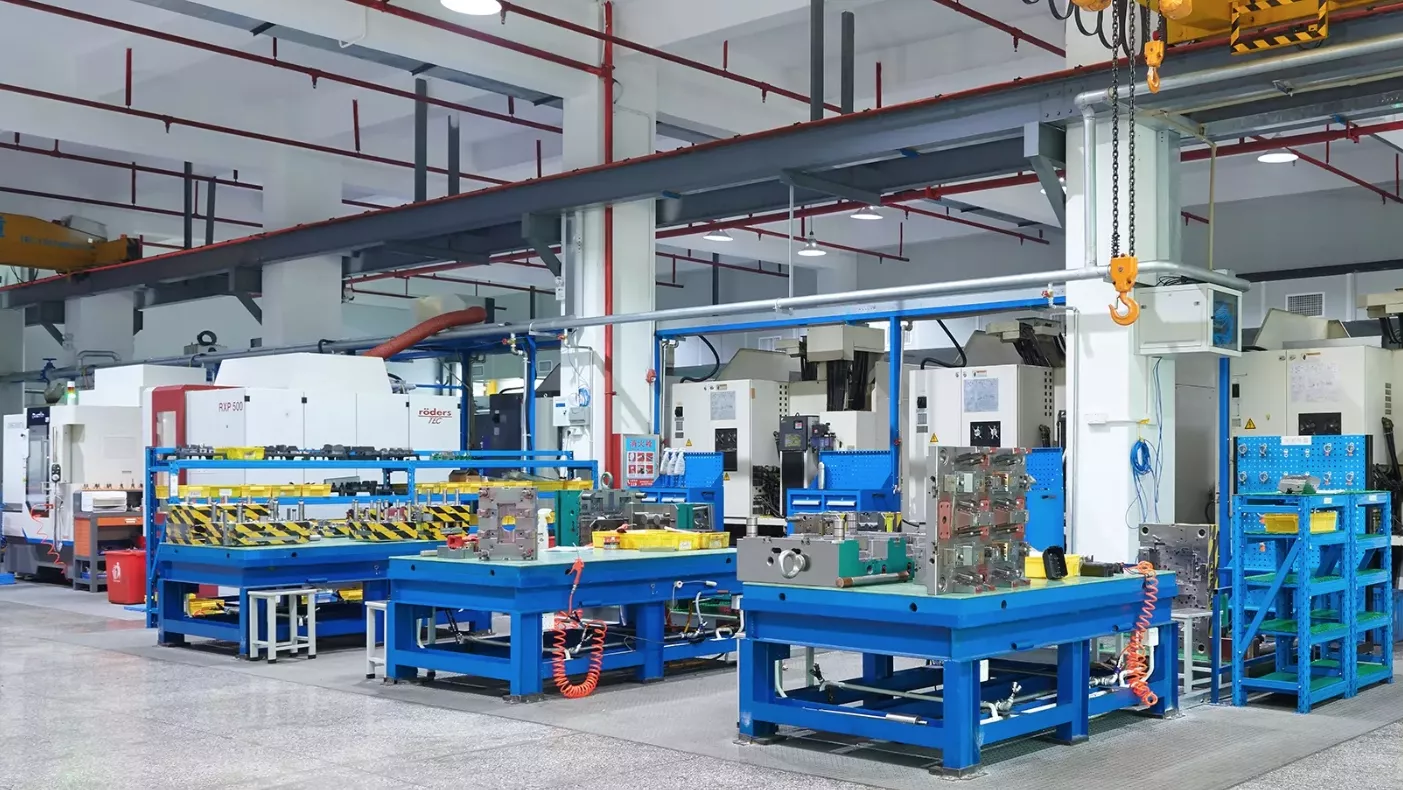
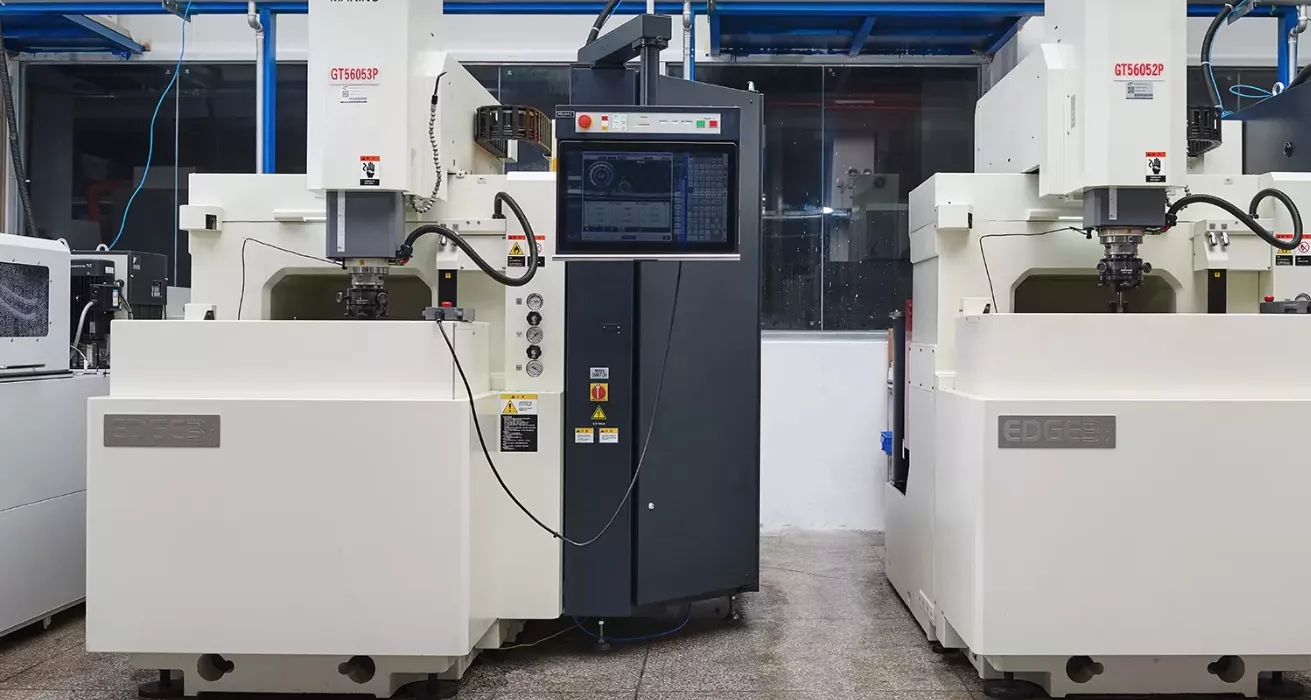
CNC Machining: Employing Computer Numerical Control (CNC) machines to precisely cut and shape the mold components according to the 3D model.
-
Heat Treatment: Subjecting the mold to heat treatment processes like quenching and tempering to enhance hardness and wear resistance.
-
Surface Finishing: Applying surface treatments to reduce friction and prevent corrosion, thereby extending the mold's service life.
-
Assembly: Assembling the mold components, ensuring all parts fit together seamlessly for optimal performance.
Note: Each horseshoe typically requires multiple molds (up to eight per design) to ensure correct shape, size variations, and left/right hoof differentiation.
3. Testing and Quality Assurance: Ensuring Excellence
Before the mold is deemed ready for production, it undergoes rigorous testing:
-
Trial Runs: Conducting initial test runs to identify any potential issues in the molding process.
-
Dimensional Inspection: Using precision instruments to measure the mold's dimensions and verify they align with the design specifications.
-
Performance Testing: Assessing the mold's performance under actual production conditions to ensure it meets all functional requirements.
-
Final Adjustments: Making any necessary modifications to address issues identified during testing.
Note: This phase guarantees that every batch of horseshoes produced maintains consistency, reducing defects and rework.
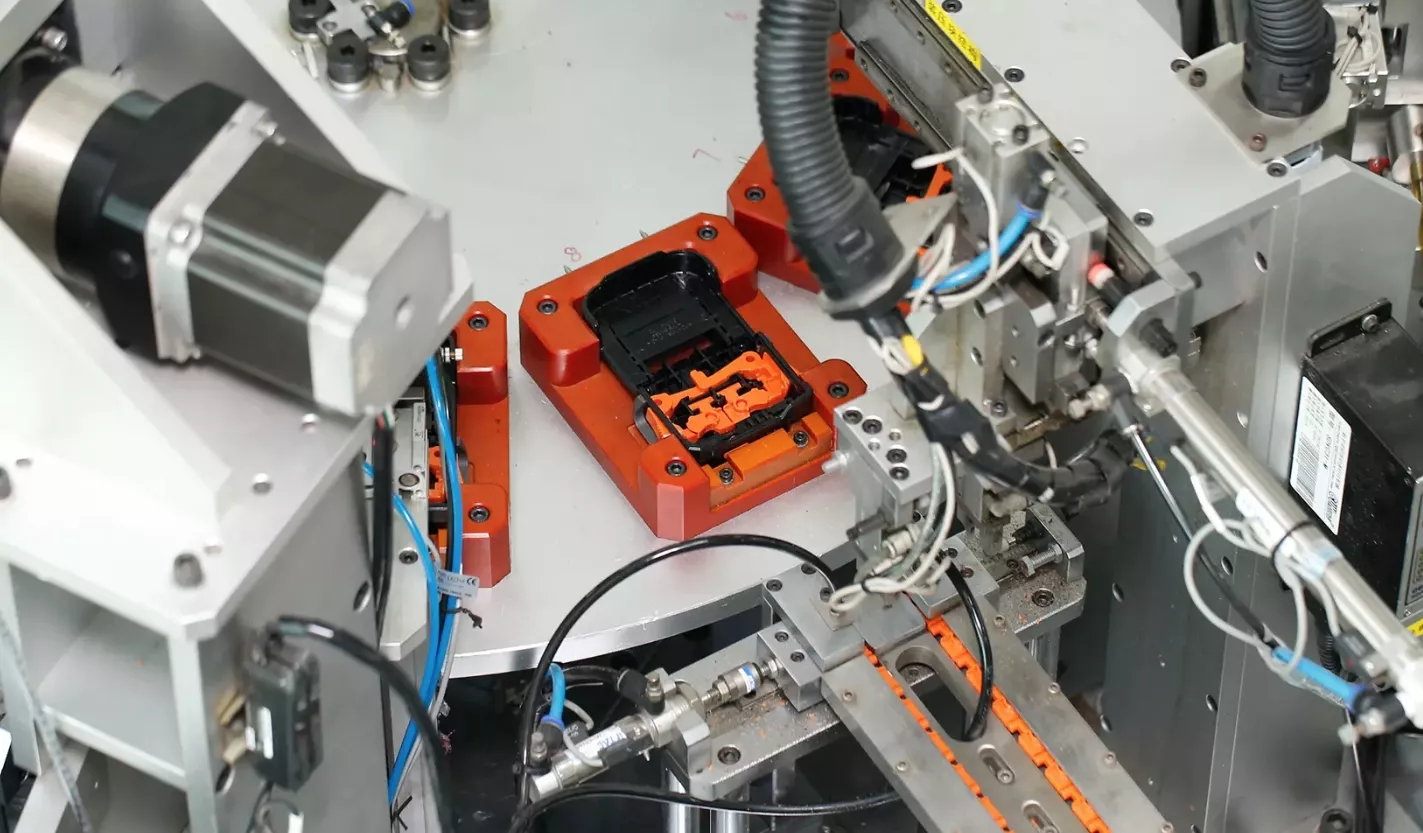
4. Delivery and Support: From Factory to Client
With the mold successfully tested and approved, it is prepared for delivery:
-
Packaging: Carefully packaging the mold to prevent damage during transit.
-
Shipping: Coordinating logistics to ensure timely delivery to the client's location.
-
Installation Support: Providing assistance with the installation of the mold into the client's production line.
-
Training: Offering training sessions for the client's staff on proper mold handling and maintenance procedures.
-
Ongoing Support: Establishing a support system for addressing any future concerns or maintenance needs.
5. Continuous Improvement: Evolving with Industry Needs
The manufacturing industry is dynamic, with evolving technologies and client expectations. To stay ahead, continuous improvement is essential:
-
Feedback Loops: Collecting feedback from clients to identify areas for improvement.
-
Research and Development: Investing in R&D to explore new materials and technologies that can enhance mold performance.
-
Process Optimization: Regularly reviewing and refining manufacturing processes to increase efficiency and reduce costs.
-
Training and Development: Ensuring that staff are continually trained on the latest industry practices and technologies.
FAQ: Frequently Asked Questions
Q1: How many molds are required for a single horseshoe?
A: Typically, up to eight molds are needed for one horseshoe design to account for different sizes, left/right variations, and specialized features.
Q2: How long does it take to manufacture a mold?
A: From design to delivery, a mold can take 4–8 weeks depending on complexity, materials, and production volume.
Q3: What materials are used for horseshoe molds?
A: High-strength tool steels like H13, SKD61, and P20 are commonly used for durability and heat resistance.
Q4: Can molds be customized with logos or special designs?
A: Yes, custom logos, markings, or design modifications can be incorporated during the mold design phase.
Q5: How should molds be maintained?
A: Regular cleaning, lubrication, and proper storage are recommended to prolong mold life and ensure consistent performance.
Conclusion
The manufacturing of horseshoe molds is a precise, multi-step process that requires expertise in design, machining, heat treatment, testing, and delivery. By meticulously following each phase, manufacturers can ensure molds are durable, accurate, and capable of producing high-quality horseshoes consistently. With proper support and maintenance, these molds serve as the foundation for reliable and efficient horseshoe production.
Note: Investing in high-quality molds not only improves the final product quality but also reduces long-term costs and enhances production efficiency.