
Have you ever thought about why some riders sit up straight in slim saddles, while others sit back in bigger saddles with a horn? The main difference between English vs. Western Riding: What’s the Difference? is in the saddle shape, how you ride, and why you ride that way. Each style uses special tack and needs different skills from both the horse and the rider. If you are not sure which style is right for you, keep reading to learn more about both choices.
Key Takeaways
- English riding uses a light saddle. Riders sit upright in this style. It focuses on balance and clear signals to your horse.
- Western riding uses a heavy saddle with a horn. Riders sit in a relaxed way. This style works well for long rides and ranch jobs.
- Think about your goals before you pick a riding style. English riding is good for jumping and contests. Western riding is good for trail rides and cattle work.
- Try both styles to see which one you like best. Each style gives you different skills and fun times.
- Always stay safe by wearing a helmet. Use the right tack for your riding style.
English vs. Western Riding: What’s the Difference?
Key Differences
When you look at English vs. Western Riding: What’s the Difference?, you notice several important things. You see different saddles, tack, and riding styles. You also find that each style has its own purpose. English riding uses a lighter saddle. You sit upright and use your legs and hands to guide the horse. Western riding uses a heavier saddle with a horn. You sit deeper and use one hand on the reins. You often ride for longer periods in Western style.
You choose English riding if you want to jump, race, or do dressage. You pick Western riding if you want to work cattle, trail ride, or compete in rodeos. The way you hold the reins and use your body changes with each style. English riders use both hands on the reins. Western riders use one hand and give gentle cues. Horses respond differently in each style. English horses move with more collection and precision. Western horses move with a relaxed and steady pace.
Tip: Try both styles to see which one feels best for you. You may find that one matches your interests or goals better.
Quick Comparison Table
Here is a simple table to help you see English vs. Western Riding: What’s the Difference? at a glance:
| Feature | English Riding | Western Riding |
|---|---|---|
| Saddle | Light, flat, no horn | Heavy, deep seat, horn |
| Reins | Both hands | One hand |
| Rider Position | Upright, close contact | Relaxed, deeper seat |
| Common Events | Jumping, dressage, racing | Trail, rodeo, cattle work |
| Purpose | Sport, competition | Work, leisure, ranch tasks |
| Horse Movement | Collected, precise | Relaxed, steady |
| Tack | Simple, minimal | Sturdy, designed for comfort |
You see that English vs. Western Riding: What’s the Difference? covers more than just the saddle. It includes how you ride, what you wear, and what you do with your horse. You can use this table to decide which style fits your needs.
English Riding Overview
History and Style
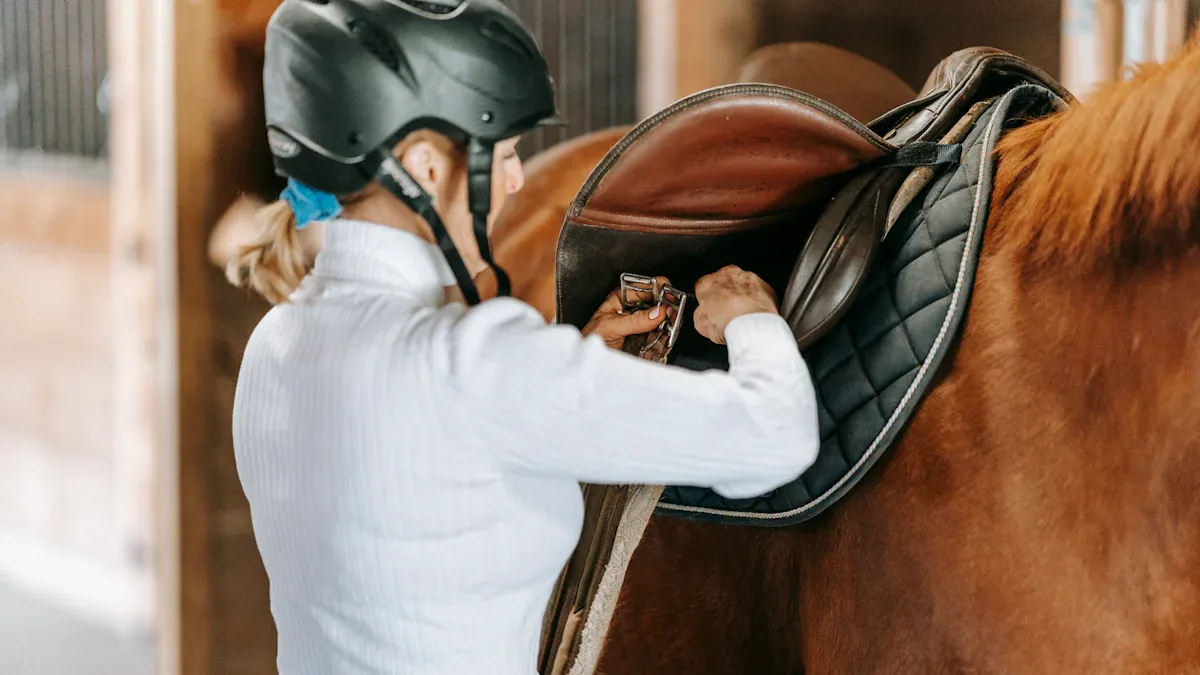
English riding started in Europe, mostly in England. People first used it for travel, hunting, and fighting in wars. Later, it became a sport and a way to compete. You can watch English riding in the Olympics and other big shows. This style is about balance, control, and talking clearly to your horse.
You use a lighter saddle so you can feel your horse move. You sit up straight and keep your legs close to your horse. This helps you give soft signals and stay steady. English riding teaches you to use both hands on the reins. You learn to use your seat, legs, and hands together. This style looks neat and careful.
Note: English riding needs you to have more contact with your horse. You build trust and work as a team by practicing.
Common Events
There are many fun events in English riding. Each one tests different skills for you and your horse. Here are some of the most popular:
- Dressage: You and your horse do a set of moves. Judges look for how smooth, correct, and together you are.
- Show Jumping: You ride your horse over jumps. You try to go fast and not make mistakes.
- Eventing: You do dressage, cross-country, and show jumping. This event tests you in many ways.
- Hunter Classes: You ride over fences that look like things in nature. Judges watch how you and your horse look and move.
- Equitation: You show how well you ride. Judges look at your position and how you control your horse.
English riding has many activities to try. When you look at English vs. Western Riding: What’s the Difference?, you see that English events focus on being exact and working together.
Western Riding Overview
History and Style
You see Western riding all over North America. Cowboys and ranchers first used this style to work with cattle and travel long distances. You notice the saddle has a horn. Riders use it to help with roping cattle. The saddle feels heavier and gives you more comfort for long hours. Western riding lets you sit deep and relaxed. You guide your horse with one hand on the reins. Your other hand stays free for ranch work.
Western riding teaches you to use gentle cues. You move your horse with small signals from your seat and legs. You learn to trust your horse to respond calmly. The style focuses on smooth movement and steady pace. You often ride outside on trails or open fields. Western riding feels practical and easy to learn. You see it in movies and rodeos. Many people choose this style for leisure and work.
Tip: If you want to spend hours in the saddle or try ranch tasks, Western riding might suit you best.
Common Events
You find many exciting events in Western riding. Each event tests your skills and your horse’s ability. Here are some popular Western riding events:
- Barrel Racing: You race around barrels in a cloverleaf pattern. You need speed and control.
- Reining: You guide your horse through patterns with spins, stops, and circles. Judges look for precision and smoothness.
- Cutting: You and your horse separate a cow from the herd. You need quick moves and teamwork.
- Rodeo: You see events like roping, bronc riding, and steer wrestling. These show off ranch skills.
- Trail Classes: You ride through obstacles that test your horse’s calmness and training.
Western riding events focus on practical skills and fun. When you compare English vs. Western Riding: What’s the Difference?, you notice Western events highlight working with cattle and riding for long periods.
Tack and Equipment
Saddles and Bridles
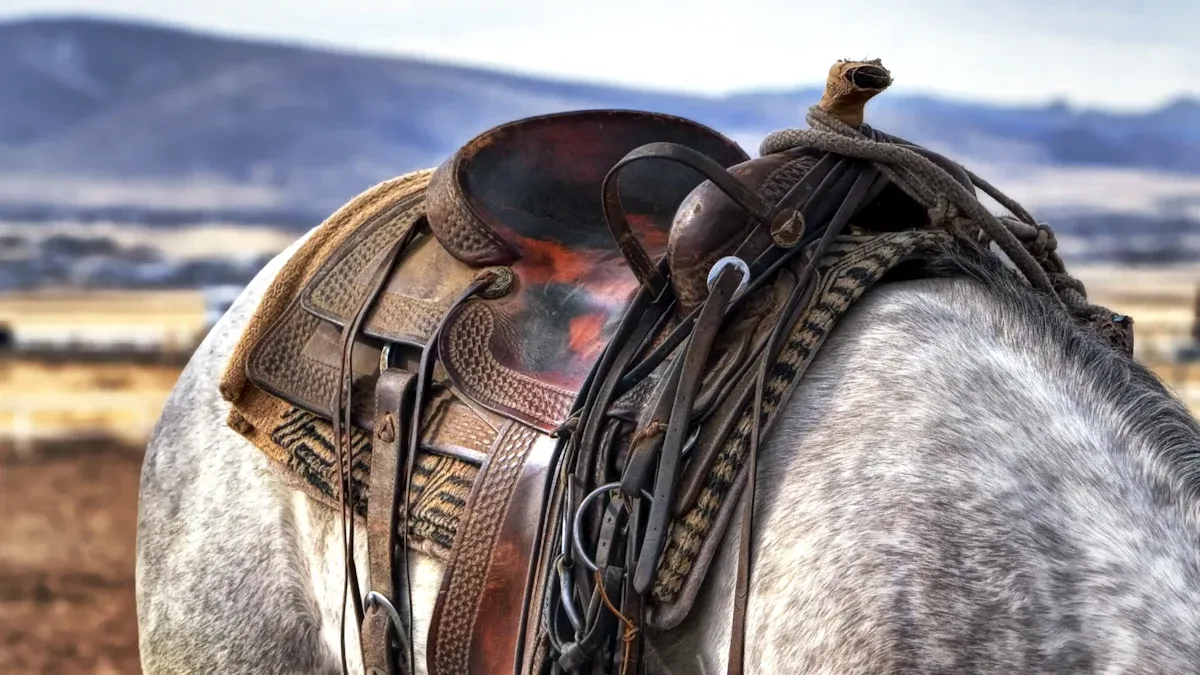
You notice the biggest difference between English and Western riding when you look at the saddles and bridles. English saddles feel lighter and smaller. They let you sit close to your horse and move easily. You use a simple bridle with a small bit. This setup helps you give clear signals to your horse.
Western saddles look bigger and heavier. They have a deep seat and a horn in front. The horn helps you with ranch work, like roping cattle. Western bridles often use a curb bit and sometimes have no noseband. You hold the reins in one hand, which lets you do other tasks while riding.
| Feature | English Saddle & Bridle | Western Saddle & Bridle |
|---|---|---|
| Weight | Light | Heavy |
| Seat | Flat, close contact | Deep, secure |
| Horn | None | Yes |
| Bridle | Simple, small bit | Curb bit, sometimes no noseband |
Rider Attire
Your clothing changes with each style. In English riding, you wear fitted pants called breeches, tall boots, and a helmet. You often see riders in jackets and gloves at shows. This outfit keeps you safe and lets you move well.
Western riders choose jeans, cowboy boots, and a wide-brimmed hat. You might wear a button-up shirt and a belt with a big buckle. Some riders use chaps for extra leg protection. This gear works well for long rides and outdoor work.
Tip: Always wear a helmet, no matter which style you choose. Safety comes first!
Impact on Riding
Your tack and clothing affect how you ride and feel on your horse. English tack lets you feel every movement. You use your body to give small, precise cues. Western tack gives you more support and comfort for long hours. You can relax in the saddle and use gentle signals.
Your attire also matters. English clothes help you stay flexible and neat. Western gear protects you from the sun and rough terrain. The right equipment helps you ride better and enjoy your time with your horse.
Riding Techniques
Position and Seat
Your position in the saddle changes how you ride and how your horse moves. In English riding, you sit tall with your shoulders back and your legs close to your horse’s sides. You keep your heels down and your back straight. This upright seat helps you stay balanced and give clear signals. You feel every movement and use your body to guide your horse.
In Western riding, you sit deeper in the saddle. You relax your legs and let them hang naturally. Your seat feels secure because the saddle supports you for long hours. You lean back a little and keep your feet flat in the stirrups. This position lets you stay comfortable and steady, especially on trails or during ranch work.
Tip: Practice your seat in both styles. Good posture helps you ride better and keeps your horse happy.
Reins and Cues
You use the reins differently in each style. In English riding, you hold a rein in each hand. You use gentle pressure to steer and stop your horse. Your hands stay low and close together. You combine rein signals with your legs and seat for precise control.
Western riding uses one hand on the reins. You often use split reins or a single loop. You guide your horse with light neck reining, moving the reins against your horse’s neck. Your cues are soft and subtle. You rely more on your seat and legs to communicate.
| Riding Style | How You Hold Reins | Main Cues Used |
|---|---|---|
| English | Both hands | Hands, legs, seat |
| Western | One hand | Neck rein, seat, legs |
Gaits and Movement
You notice different names and styles for horse movement in each riding type. English riding uses walk, trot, and canter. The trot feels bouncy and the canter feels smooth. You often ask your horse for collected, controlled movement.
Western riding uses walk, jog, and lope. The jog feels slower and smoother than the trot. The lope is relaxed and easy to sit. You want your horse to move calmly and steadily.
Note: Learn the gait names for each style. This helps you understand your horse and talk with other riders.
Events and Disciplines
English Events
You find many exciting events in English riding. Each event tests different skills for you and your horse. Here are some of the most popular English riding events:
- Dressage: You guide your horse through a series of precise movements. Judges look for accuracy and teamwork.
- Show Jumping: You ride over a course of jumps. You try to finish quickly and without knocking down any rails.
- Eventing: You compete in three parts—dressage, cross-country, and show jumping. This event challenges you in many ways.
- Hunter Classes: You ride over natural-looking fences. Judges watch your style and your horse’s movement.
- Equitation: You show your riding skills. Judges focus on your position and control.
Note: English events often take place at horse shows or competitions. You can join as a beginner or as an advanced rider.
Western Events
Western riding offers a different set of events. These events often come from ranch work and cowboy traditions. Here are some common Western events:
- Barrel Racing: You race around three barrels in a cloverleaf pattern. Speed and sharp turns matter most.
- Reining: You perform patterns with spins, circles, and sliding stops. Judges look for smoothness and control.
- Cutting: You and your horse separate a cow from the herd. Quick moves and teamwork are important.
- Rodeo Events: You see roping, bronc riding, and steer wrestling. These events show off ranch skills.
- Trail Classes: You guide your horse through obstacles. Calmness and training help you succeed.
Tip: Western events often happen at fairs, rodeos, or local shows. You can watch or join to learn more.
Event Purposes
Each event has a special purpose. English events focus on precision, style, and partnership. You learn to control your horse with small cues. You build trust and teamwork.
Western events highlight practical skills. You practice tasks that help on a ranch or farm. You learn to ride for long hours and handle cattle. These events test your speed, control, and problem-solving.
| Event Type | Main Purpose | Skills You Build |
|---|---|---|
| English | Precision, style, teamwork | Balance, control, focus |
| Western | Practical ranch work | Speed, agility, calmness |
Remember: Both English and Western events help you grow as a rider. You can try both to see which one you enjoy most.
Choosing a Style
Factors to Consider
You need to think about a few things before you pick a riding style. Your goals matter most. Do you want to compete in shows, or do you want to ride for fun? Your location can also make a difference. Some areas have more English barns, while others focus on Western riding. Your budget may play a role. English tack and show clothes sometimes cost more. Western gear can last longer for trail riding.
Here are some questions to ask yourself:
- Do you like the idea of jumping or dressage?
- Would you rather ride on trails or work with cattle?
- Is comfort or tradition more important to you?
- What kind of events do you want to try?
Tip: Visit local barns and watch lessons. You can learn a lot by seeing both styles in action.
Learning Curve
You may find that both styles have easy and hard parts. English riding often asks you to keep a strong, balanced seat. You use your body to guide the horse. This can take time to master. Western riding feels more relaxed at first. The saddle gives you more support. You may find it easier to stay balanced.
Both styles need practice. You will need to learn how to cue your horse and care for your tack. Some people switch between styles as they learn more.
| Style | What’s Easy | What’s Challenging |
|---|---|---|
| English | Feeling horse move | Balance, posture |
| Western | Staying balanced | Neck reining, subtle cues |
Matching Interests
Your interests help you choose the best style. If you love speed and jumping, English riding may fit you. If you enjoy trail rides or ranch work, Western riding could be better. Some riders like to try both. You can always switch styles later.
Remember: The best style is the one that makes you excited to ride. Try lessons in both and see what feels right for you. 🐴
You now know the key differences between English and Western riding.
- English riding uses a light saddle, upright seat, and both hands on the reins.
- Western riding uses a deep saddle with a horn, relaxed seat, and one hand on the reins.
Think about your goals and what excites you most. Try lessons in both styles if you can.
Tip: Every rider learns something new from each style. Explore both and enjoy your journey with horses! 🐎
FAQ
What is the best riding style for beginners?
You may find Western riding easier to start with. The saddle gives you more support and helps you stay balanced. English riding teaches you more control and precision. Try both styles to see which one feels right for you.
Do I need special equipment for each style?
You need different tack for each style. English riding uses a light saddle and fitted clothing. Western riding uses a heavier saddle with a horn and casual gear. Always wear a helmet for safety.
Can any horse do both English and Western riding?
Most horses can learn both styles. You may need to train your horse to respond to new cues and tack. Some breeds perform better in one style, but many horses enjoy switching between them.
Is one style safer than the other?
Safety depends on your skills and equipment. Western saddles offer more support, which helps beginners. English riding teaches you balance and control. You stay safe by wearing proper gear and learning good riding habits.