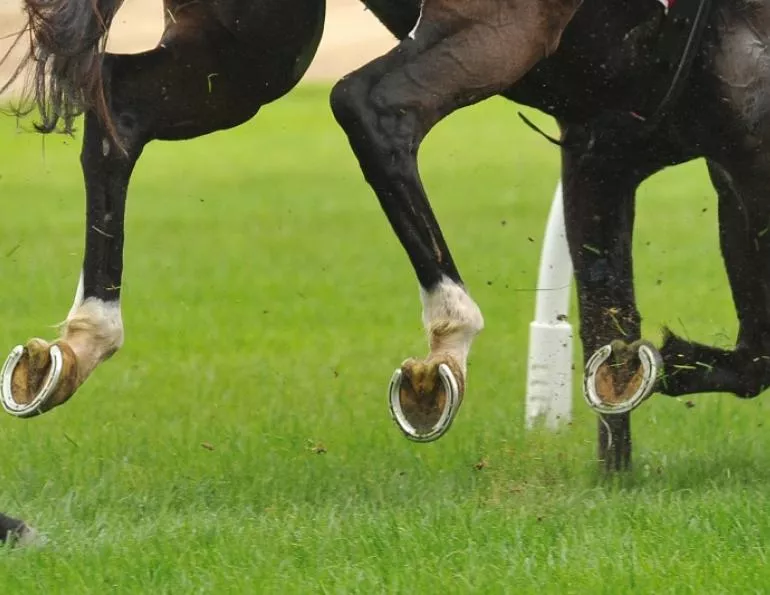

When summer arrives, horses aren’t the only ones feeling the heat — their hooves do too.
High temperatures, hard ground, and dry air can cause hooves to crack, lose moisture, or even loosen horseshoes. Proper hoof care during hot weather is essential for maintaining your horse’s comfort, balance, and long-term soundness.
Here’s a complete guide on how to protect your horse’s hooves through the hottest months of the year.
☀️ 1. Keep Hooves Hydrated
Just like skin, a horse’s hooves need moisture to stay flexible and healthy. In summer, dry soil and intense sun can make hooves brittle and prone to cracks.
What to do:
-
Apply a quality hoof moisturizer or conditioner a few times per week.
-
Use natural products (lanolin, beeswax, or plant oils) rather than heavy petroleum-based ones.
-
Wet the hooves briefly before applying moisturizer to help lock in hydration.
💡 Pro Tip: Don’t soak hooves for too long — excessive water can soften them too much and weaken the hoof wall.
🧴 2. Choose the Right Surface and Routine
Dry, compact ground in summer increases concussion to the hooves and horseshoes. Over time, this impact can lead to bruising or shoe loosening.
Care recommendations:
-
Avoid training on extremely hard or rocky ground.
-
Rotate turnout areas to reduce constant pounding on one surface.
-
Add arena footing that provides better shock absorption (like sand-rubber mix).
👟 3. Regular Farrier Visits
Hot weather often accelerates hoof growth and wear, especially for active horses. A consistent trimming or shoeing schedule keeps balance, prevents flaring, and reduces cracks caused by uneven stress.
Best practice:
-
Maintain a 4–6 week farrier schedule.
-
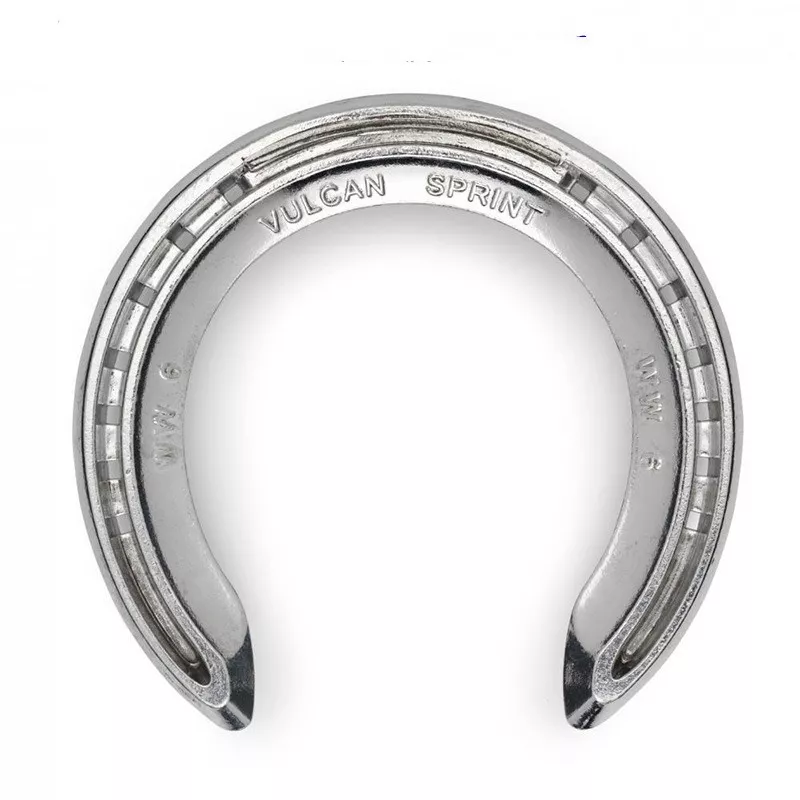
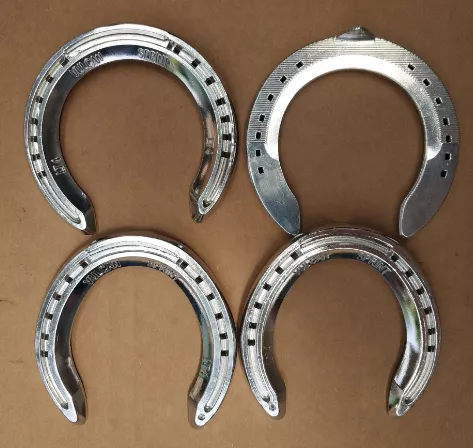
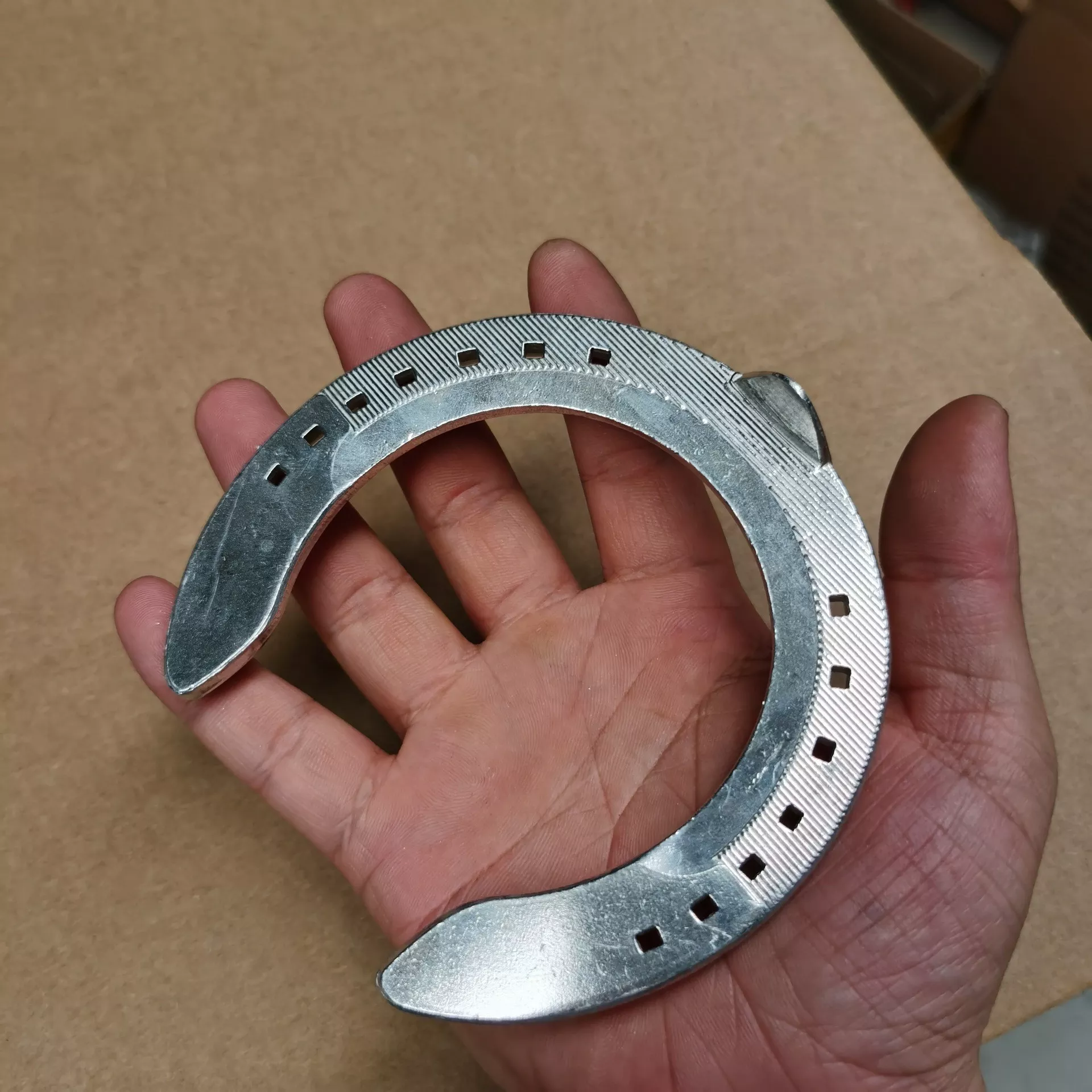
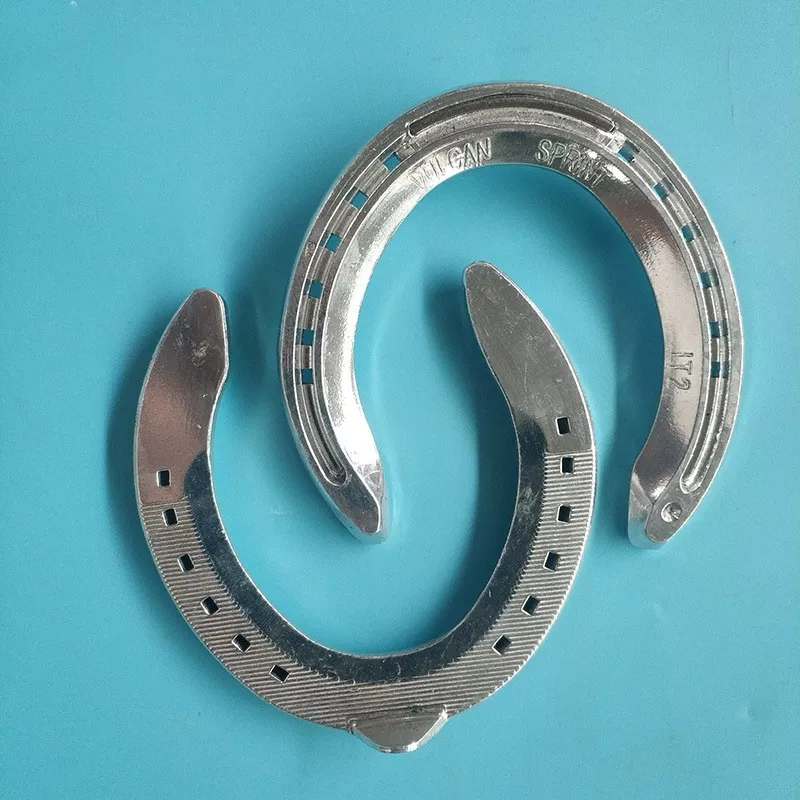
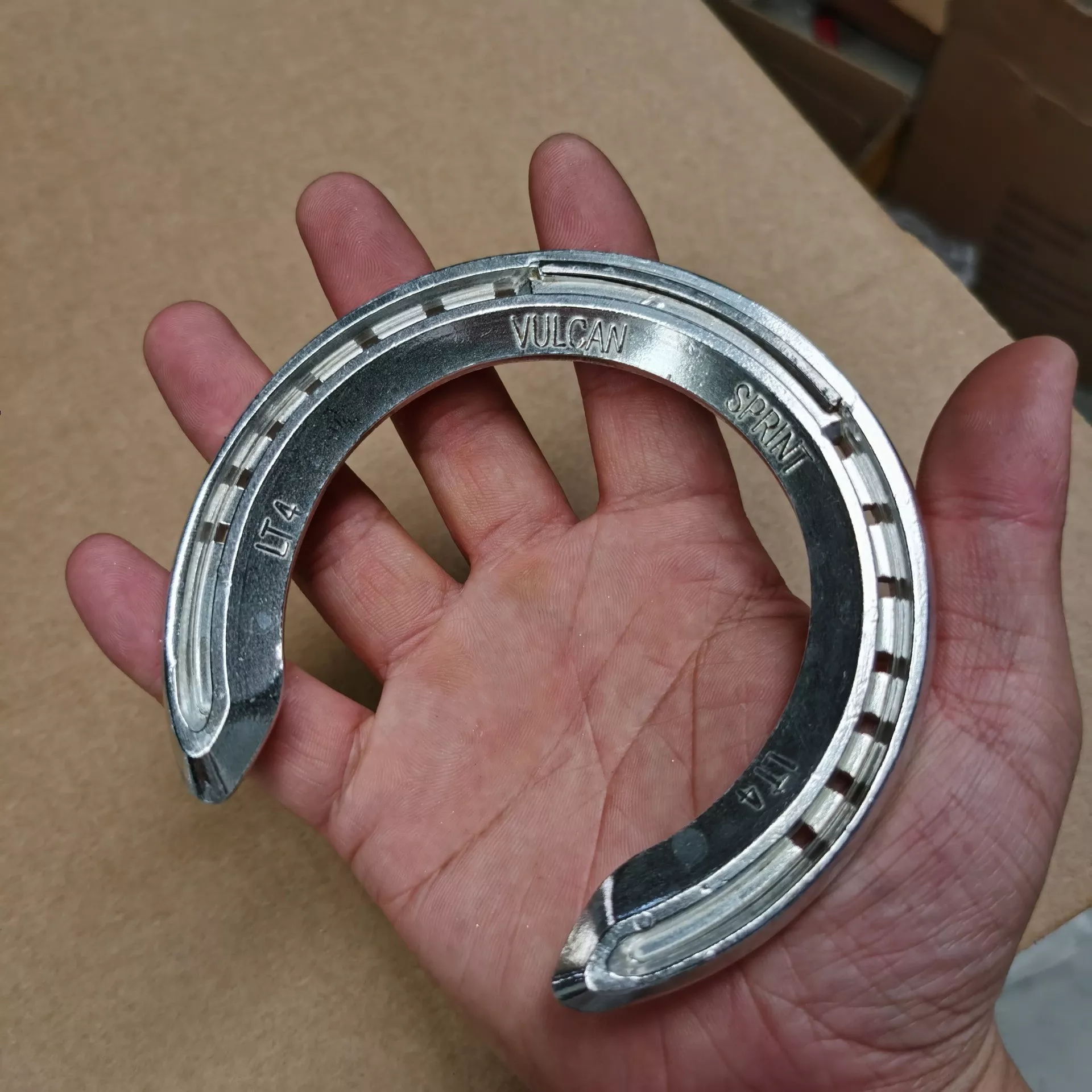
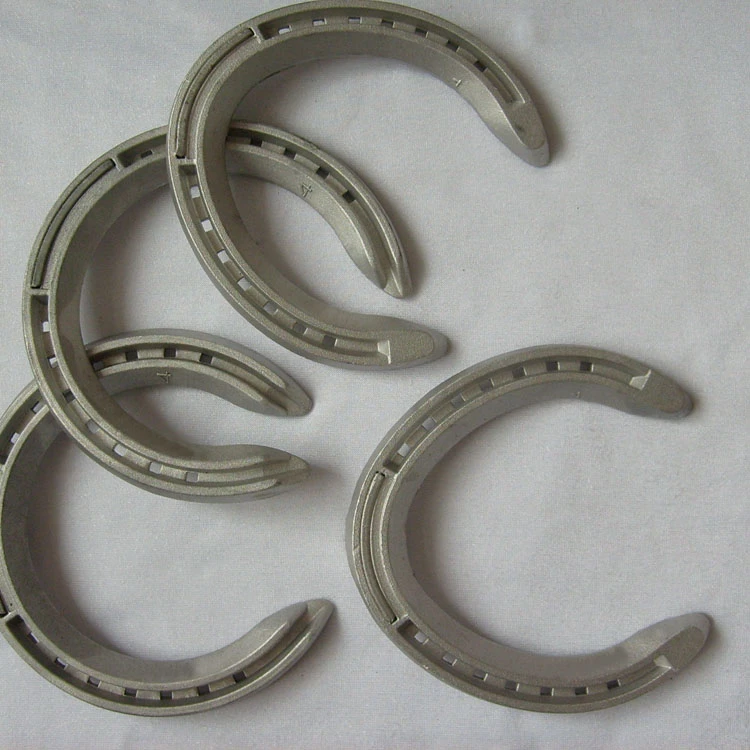
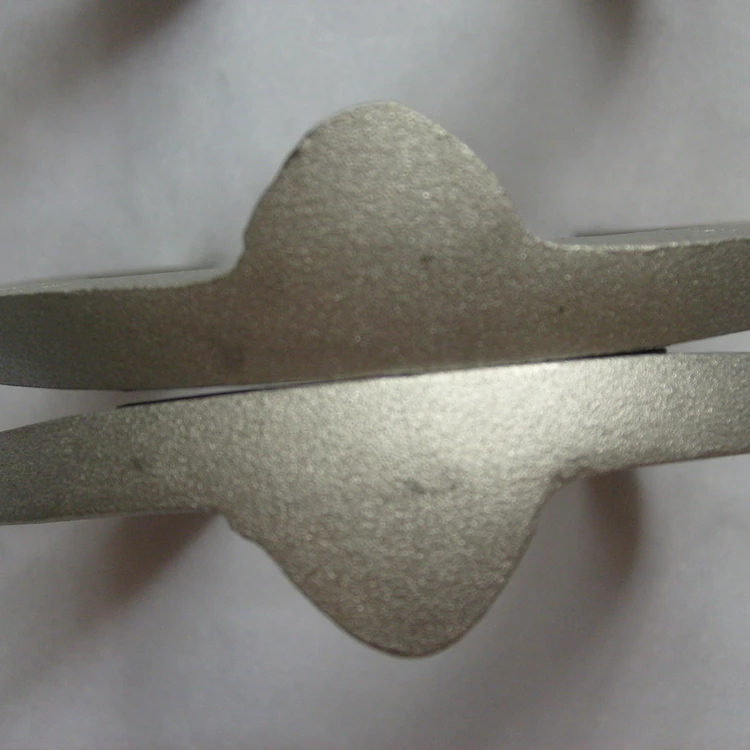
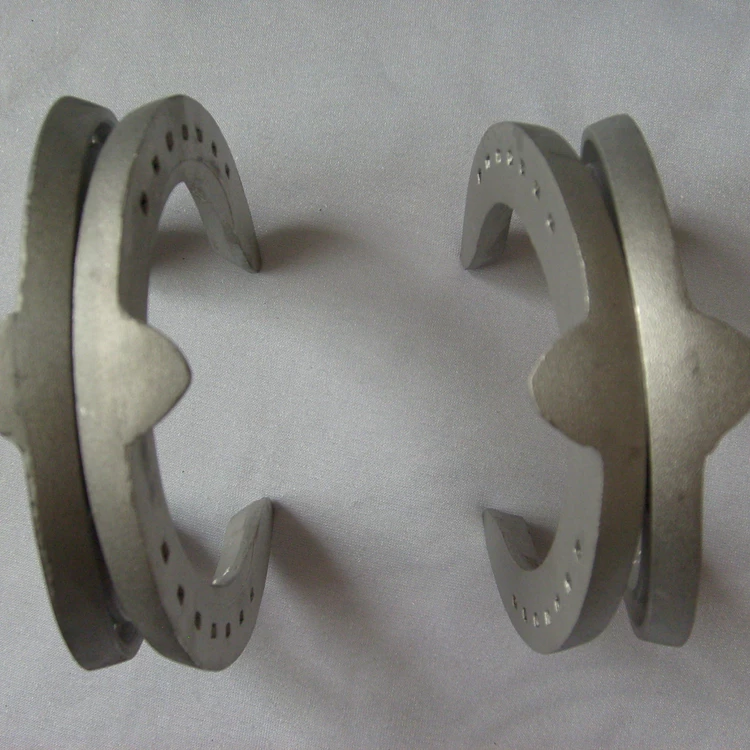
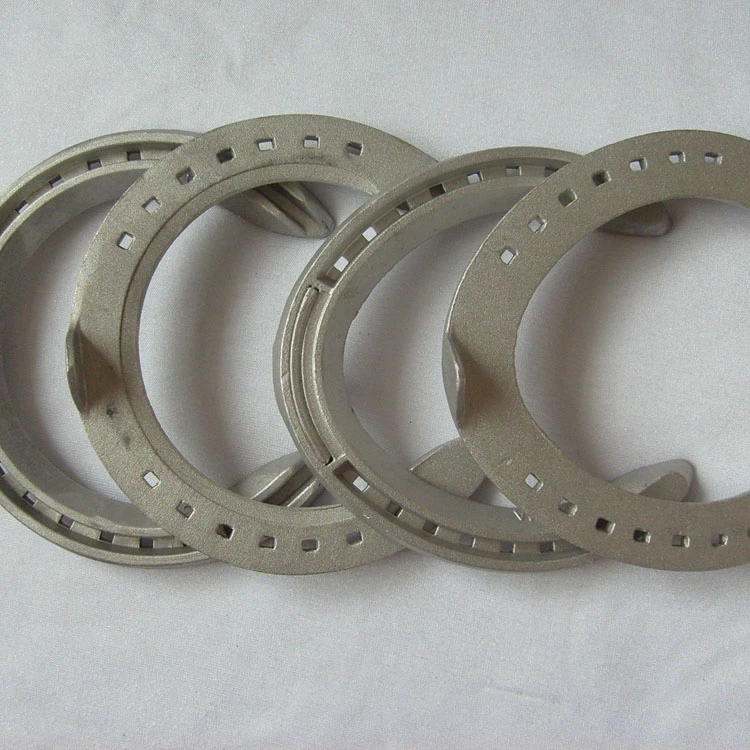
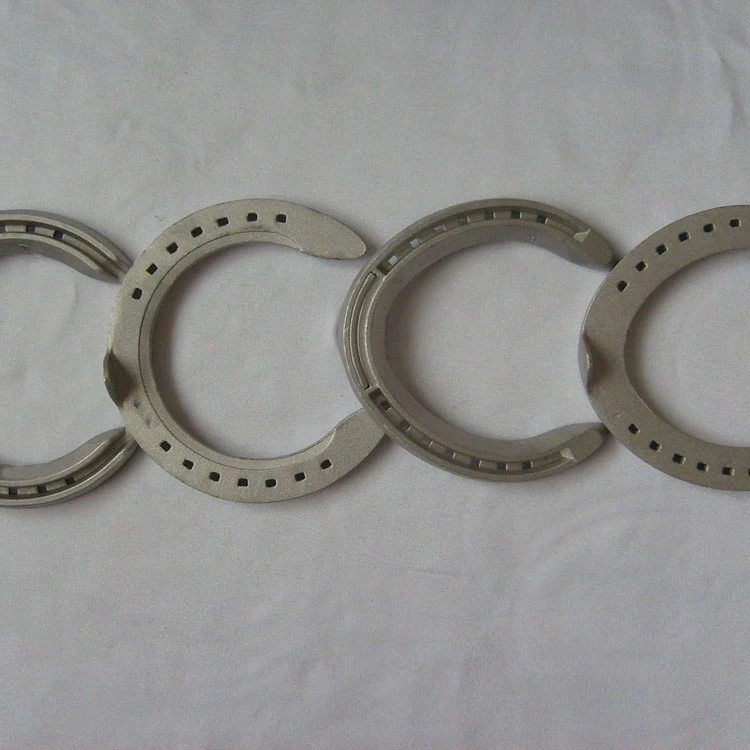
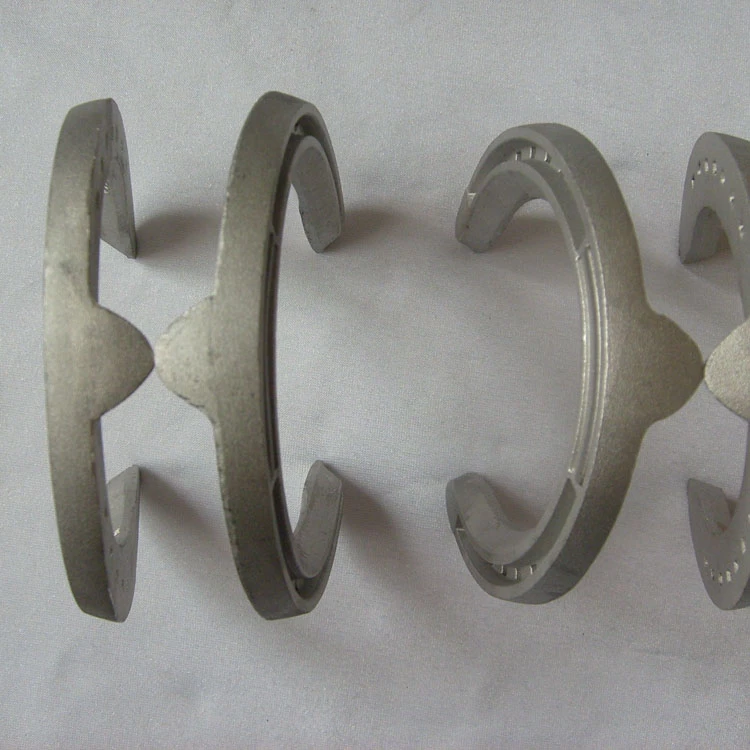
Discuss shoeing options with your farrier — lightweight aluminum or heat-dissipating shoes may be suitable for summer.
-
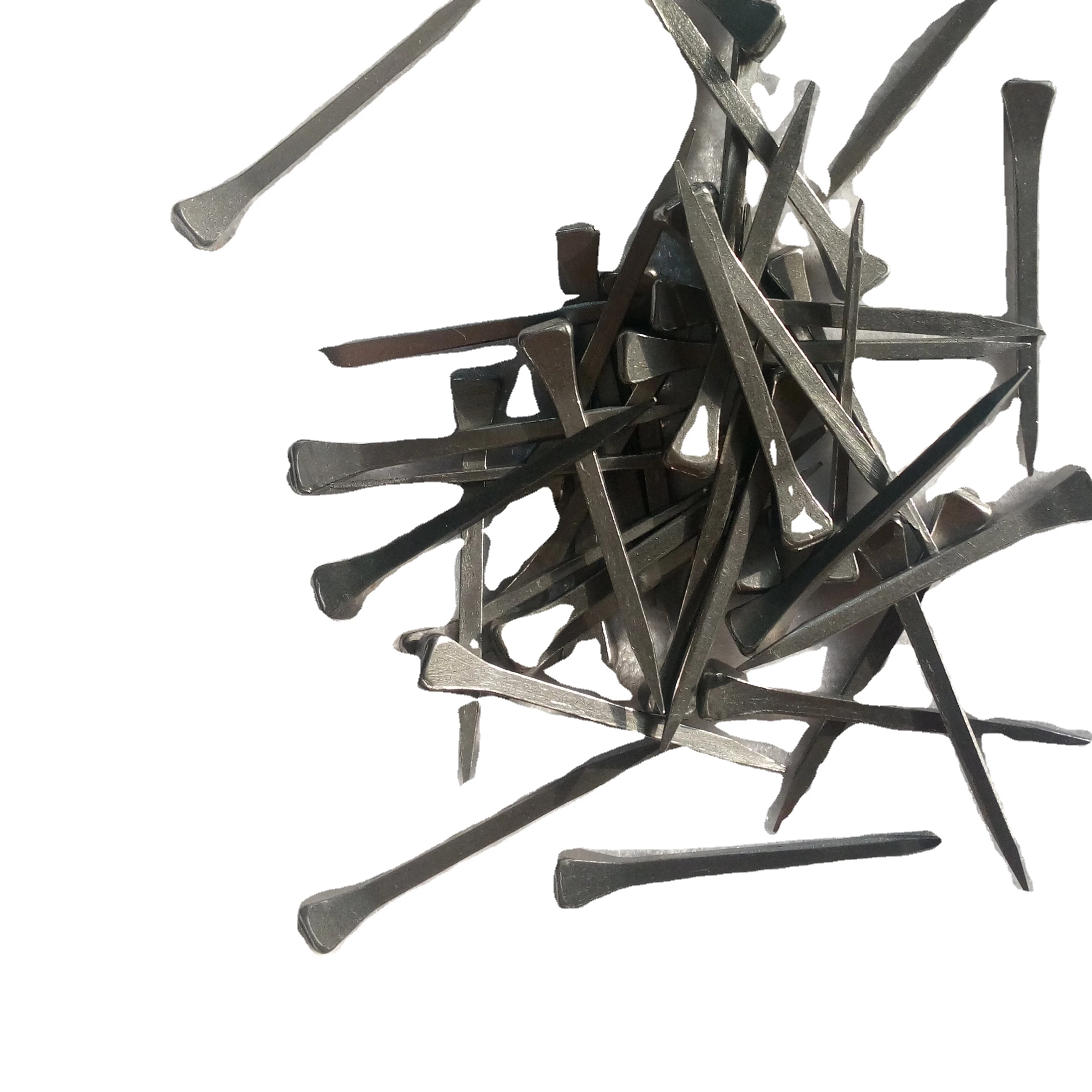
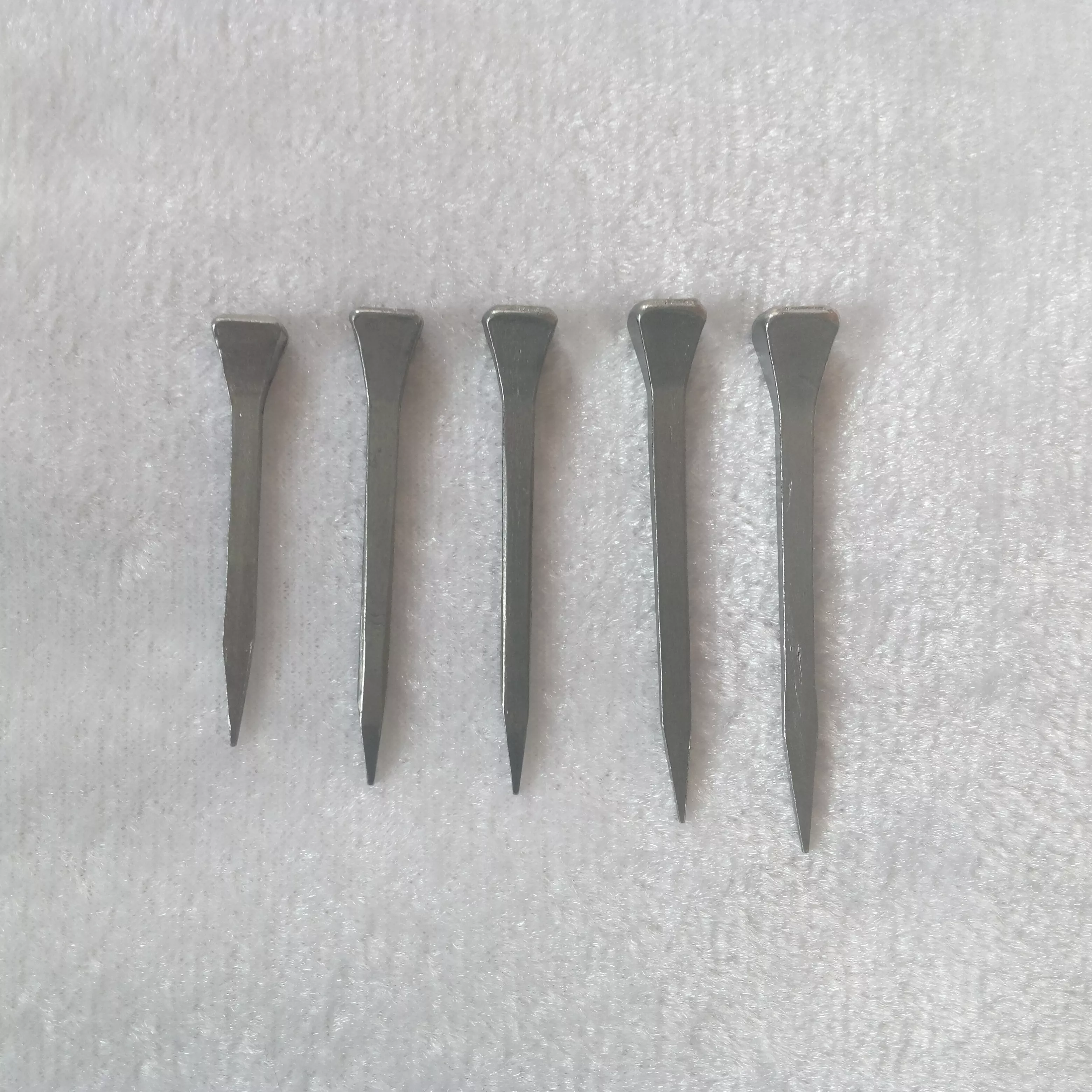
Always check clinches and nails after long rides or transport.
🧠 Expert Note from a Horseshoe Manufacturer:
Heat and vibration from dry, uneven terrain can loosen shoes or stress the nail holes. Using durable, properly fitted horseshoes helps prevent damage under hot-weather conditions.
💧 4. Maintain Proper Stall and Pasture Conditions
Dusty or dry bedding can pull moisture from hooves. Similarly, pastures without shade or water access increase the risk of dehydration.
How to manage it:
-
Keep water troughs clean and always full.
-
Provide shade or shelter during peak heat hours.
-
Lightly spray the ground near the stable to reduce dust.
-
Avoid standing horses in damp, manure-heavy spots — alternating between too dry and too wet can cause cracking or thrush.
🍀 5. Focus on Nutrition
Strong, healthy hooves start from within. Diets rich in biotin, zinc, copper, and omega-3 fatty acids support hoof growth and resilience.
Feed tips:
-
Add hoof supplements with biotin (20–30 mg/day for adult horses).
-
Ensure constant access to fresh water and balanced electrolytes.
-
Avoid sudden feed changes during extreme heat — digestive stress affects overall hoof condition.
🐎 6. After-Ride Cooling Routine
After long summer rides, hot hooves need gradual cooling — sudden temperature changes can cause hoof wall damage.
Recommended steps:
-
Walk your horse slowly for 5–10 minutes after exercise.
-
Rinse hooves with cool (not icy) water.
-
Dry gently and apply a light hoof dressing or spray.
⚙️ 7. Monitor for Signs of Hoof Trouble
Keep an eye out for these common summer hoof issues:
-
Cracks or chips: often from dehydration.
-
Loose shoes: caused by expansion or dry ground impact.
-
Soft soles or thrush: from poor stall hygiene or overwatering.
-
White line separation: may signal weakened hoof structure.
Early detection and prompt farrier attention can prevent minor problems from turning into lameness.

🧾 Note: The Link Between Summer Conditions and Horseshoes
As temperatures rise, both horses and their hooves experience thermal stress. Metal shoes can conduct heat from sun-baked surfaces, while dry impact reduces shock absorption.
That’s why choosing high-quality, well-fitted horseshoes — made from durable, balanced materials — helps your horse stay comfortable and protected through every stride.
Your farrier or supplier (like us) can advise on the best shoe materials and fitting techniques for summer performance and comfort.
❓ FAQ: Summer Hoof Care
Q1: Should I remove my horse’s shoes during summer?
A: Not necessarily. If your horse works regularly on hard ground, shoes protect from excessive wear and bruising. Discuss options like lightweight aluminum shoes or barefoot trimming with your farrier.
Q2: How often should I use hoof oil?
A: 2–4 times per week, depending on climate and ground condition. Avoid overuse — a thin, even layer works best.
Q3: Can I use water buckets to keep hooves moist?
A: A short soak (a few minutes) can help, but prolonged soaking softens the hoof. Moisture balance is key, not constant wetness.
Q4: Why do hooves crack more in summer?
A: Heat dries out natural oils in the hoof wall, reducing flexibility. Combine that with hard surfaces and hoof expansion from heat, and small cracks can form easily.
Q5: Do certain horseshoes work better in hot climates?
A: Yes — lightweight aluminum or tempered steel shoes with good nail grip tend to perform better in high temperatures and dry conditions.