
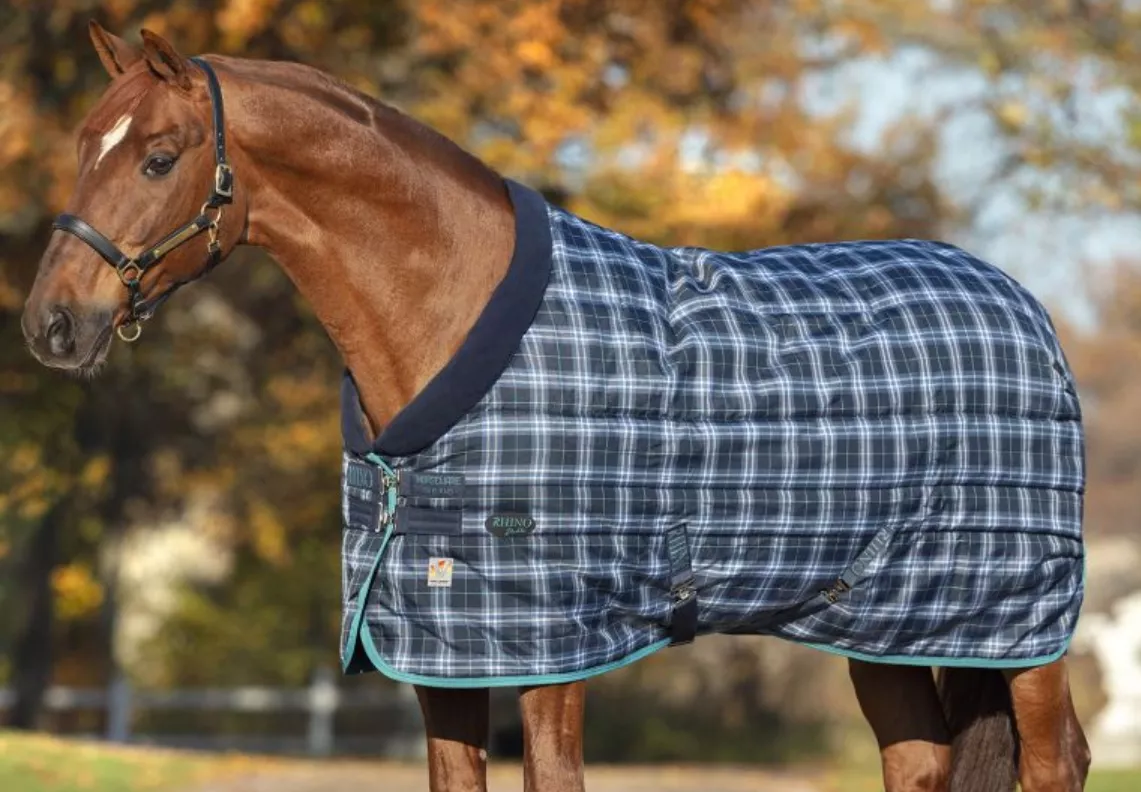
Horse blankets play a crucial role in keeping horses warm, dry, and comfortable across different weather conditions. Whether you’re caring for a lightweight rain sheet or a heavy winter turnout, proper maintenance extends the life of your blanket and protects your horse’s health.
This guide explains in detail how to wash, dry, store, and maintain horse blankets — along with practical tips, notes, and a FAQ section to help you avoid common mistakes.
🧼 1. Why Cleaning and Maintenance Matter
Over time, blankets accumulate sweat, dirt, hair, and manure, which can:
-
Damage the outer fabric and waterproof coating
-
Cause skin irritation or rubbing
-
Create unpleasant odors and bacteria buildup
-
Reduce insulation and breathability
Regular washing prevents these problems, ensuring your horse stays clean, healthy, and comfortable — and your investment lasts for years.
Note: A dirty blanket traps moisture and heat, which can lead to fungal skin infections. Always keep the lining dry and breathable.
🧹 2. Preparation Before Washing
Before starting, take a few minutes to prep your blanket properly — this prevents unnecessary wear during cleaning.
| Step | Description |
|---|---|
| 1. Remove dirt and manure | Brush off dried mud and debris using a stiff brush. |
| 2. Clear out horse hair | Use a rubber curry or vacuum nozzle to lift loose hair. |
| 3. Fasten straps and buckles | Close all front buckles, surcingles, and leg straps to prevent tangling. |
| 4. Check for damage | Repair any rips, broken seams, or torn linings before washing. |
| 5. Read the care label | Some blankets specify “hand wash only” or “cold water only.” Follow the label strictly. |
Tip: Turn the blanket inside out before washing to help clean the lining more effectively.
💧 3. Washing Methods
Hand Washing (Recommended for Large or Delicate Blankets)
-
Place the blanket in a large tub or on a clean surface.
-
Fill with lukewarm water and add a horse blanket-safe detergent (avoid regular laundry soap).
-
Scrub lightly with a soft brush or sponge.
-
Rinse thoroughly until the water runs clear.
Note: Never use bleach or detergent with fabric softener — it can strip the waterproof membrane.
Machine Washing
If your blanket fits in a commercial or large-capacity washer:
-
Use cold or warm water, gentle/delicate cycle.
-
Add non-biological horse blanket detergent.
-
Skip bleach, softeners, and scent boosters.
-
Run an extra rinse cycle.
-
Hang immediately after washing — don’t let it sit wet.
Tip: Many local tack shops or laundromats offer horse blanket washing services — ideal for heavy turnout rugs.
🌬️ 4. Drying Your Horse Blanket
Proper drying is essential for maintaining fabric strength and waterproofing.
Air Dry Only
-
Hang the blanket outdoors or in a well-ventilated, shaded area.
-
Do not use dryers or heaters — heat damages waterproof coatings.
-
Flip halfway through drying to ensure even airflow.
-
Allow at least 24–48 hours for complete drying before storage.
Note: If drying indoors, use fans or a dehumidifier to speed up the process without heat.
☔ 5. Reproofing and Waterproof Maintenance
After a few washes, waterproof coatings naturally weaken. To restore protection:
-
Use a rug reproofing spray or wash-in solution (e.g., Nikwax Rug Proof).
-
Apply evenly on the outer layer after cleaning.
-
Let it dry completely before use or storage.
-
Repeat once or twice a year depending on usage and weather exposure.
Tip: Test waterproofing by sprinkling water over the surface — if it beads up, it’s still good; if it soaks in, reproof immediately.
📦 6. Proper Storage
Clean, dry storage keeps blankets in top shape for the next season.
-
Ensure the blanket is 100% dry before storing.
-
Fold neatly and place in a breathable storage bag (avoid plastic).
-
Add a moth repellent or cedar chip sachet to prevent pests.
-
Store in a cool, dry, dark area away from sunlight and rodents.
-
Label each blanket (e.g., “Medium Turnout – 72”) for easy identification.
Tip: Use a tack trunk, large bin, or hanging rack to keep multiple blankets organized.
⚠️ 7. Common Mistakes to Avoid
| ❌ Mistake | ✅ Correct Practice |
|---|---|
| Using bleach or harsh detergents | Use mild, horse-safe detergent only |
| Machine drying | Always air dry |
| Over-washing | Wash only when visibly dirty or at season’s end |
| Folding damp blankets | Always dry completely before storage |
| Ignoring straps & seams | Inspect and repair regularly |
💡 8. Expert Tips
-
Schedule cleaning: Wash your turnout blankets at least once per season, or more often in muddy climates.
-
Rotate blankets: Keep two per horse — one in use and one being cleaned or drying.
-
Spot clean between washes: Use a damp sponge and mild soap for minor stains.
-
Keep spare straps: Replace worn-out elastic leg straps or buckles promptly.
-
Use blanket liners: A washable liner absorbs sweat and reduces the need for frequent blanket washing.
-
Check weather forecasts: Clean and store winter blankets only after the last frost.
Note: Frequent washing shortens a blanket’s lifespan. Stick to a balanced care schedule based on use and condition.
❓ FAQ – Horse Blanket Care Questions
Q1: How often should I wash my horse blanket?
A: Once or twice per season is usually enough, unless it becomes heavily soiled. Mid-season spot cleaning helps extend intervals.
Q2: Can I put my blanket in the dryer?
A: No. The heat can damage the waterproof coating, shrink the fabric, or melt the lining. Always air dry.
Q3: What detergent should I use?
A: Use a non-biological, fragrance-free detergent made specifically for horse blankets — such as Nikwax, Rug Wash, or WeatherBeeta Wash.
Q4: My blanket isn’t waterproof anymore. What can I do?
A: Clean it thoroughly, let it dry, and then apply a reproofing spray or wash-in waterproofing treatment.
Q5: How do I remove strong odors from my horse blanket?
A: Soak it in a solution of cold water and vinegar (1 cup per gallon) for 15–20 minutes before washing. Then rinse thoroughly.
Q6: Can I pressure wash my blanket?
A: Yes, but use low to medium pressure from a distance. Avoid seams, straps, and coated areas.
Q7: Should I store blankets in plastic bags?
A: No. Plastic traps moisture, encouraging mold. Use a cotton or mesh storage bag instead.
Q8: How do I prevent mold or mildew?
A: Make sure blankets are completely dry before storage and add moisture absorbers (like silica gel packs) to storage bins.
Q9: Can I repair small tears myself?
A: Yes, using heavy-duty thread or waterproof fabric patches. For major damage, use professional blanket repair services.
Q10: What’s the best way to store multiple blankets?
A: Fold and label each one by weight or season, then stack neatly in bins or hang them on labeled racks.