
You know fall has cool air and bright leaves, but it also gets colder and the weather can change fast. Getting ready for fall helps you and your horse stay safe and feel good. You should check your gear and take care of your horse as days get shorter. Try making a checklist to help you stay organized and prepared. The Fall Riding Preparation Guide: Essential Gear and Horse Care Tips helps you enjoy every ride, if you are new or have ridden before.
Key Takeaways
- Wear layers so you can handle fall weather changes. Start with a base layer that keeps sweat away. Add a warm layer next. Finish with a waterproof jacket or coat.
- Make sure your horse has all needed shots. Shots protect from sicknesses like EEE, WEE, and WNV. This is very important if there are still mosquitoes around.
- Watch your horse’s weight and change its food if needed. Move slowly from grass to hay. Give your horse lots of clean water to keep it healthy.
- Look at your riding gear before every ride. Change out anything that is old or broken. This helps you stay safe and comfortable when you ride.
- Check your barn for cold air and fire risks. Close up any holes and clean away cobwebs. Make sure your horse has a safe and cozy place for the cold months.
Rider Gear
Layered Clothing
Fall weather can change fast. You might start your ride in the sun and finish with a chilly breeze. Dressing in layers helps you stay comfortable and safe. You can add or remove layers as the temperature shifts. Start with a base layer that wicks away sweat. Avoid cotton because it holds moisture and makes you cold. Try soft, breathable fabrics like polypropylene, Thermax, or Capilene polyester. For your mid-layer, fleece works well because it keeps you warm even if it gets damp. Fleece-lined breeches or thermal shirts are great choices. On top, wear a windproof and waterproof jacket. This outer layer protects you from rain and wind but still lets your body breathe.
Tip: Dressing in layers lets you adapt to changing weather. A moisture-wicking base layer keeps sweat off your skin, while a fleece or insulated mid-layer traps warmth. A windproof jacket shields you from chilly gusts.
Gloves And Helmet
Your hands and head need extra care in the fall. Cold fingers make it hard to hold the reins, and a helmet keeps you safe if you fall. Choose gloves that are waterproof and windproof. Look for gloves with insulation on the backs and fingertips. Leather gloves are warmer and block wind better than most fabric gloves. Some gloves have touchscreen fingertips, so you can use your phone without taking them off. A gauntlet design keeps wind from sneaking in at your wrists.
| Feature | Description |
|---|---|
| Waterproof | Keeps hands dry in wet conditions. |
| Windproof | Blocks wind to keep hands warm. |
| Breathable | Lets moisture escape for comfort. |
| Insulated | Extra warmth in key areas. |
| Gauntlet Design | Stops wind at the wrists. |
| Leather Material | Warmer and more windproof than fabric. |
| Touch Screen Fingertips | Lets you use devices without removing gloves. |
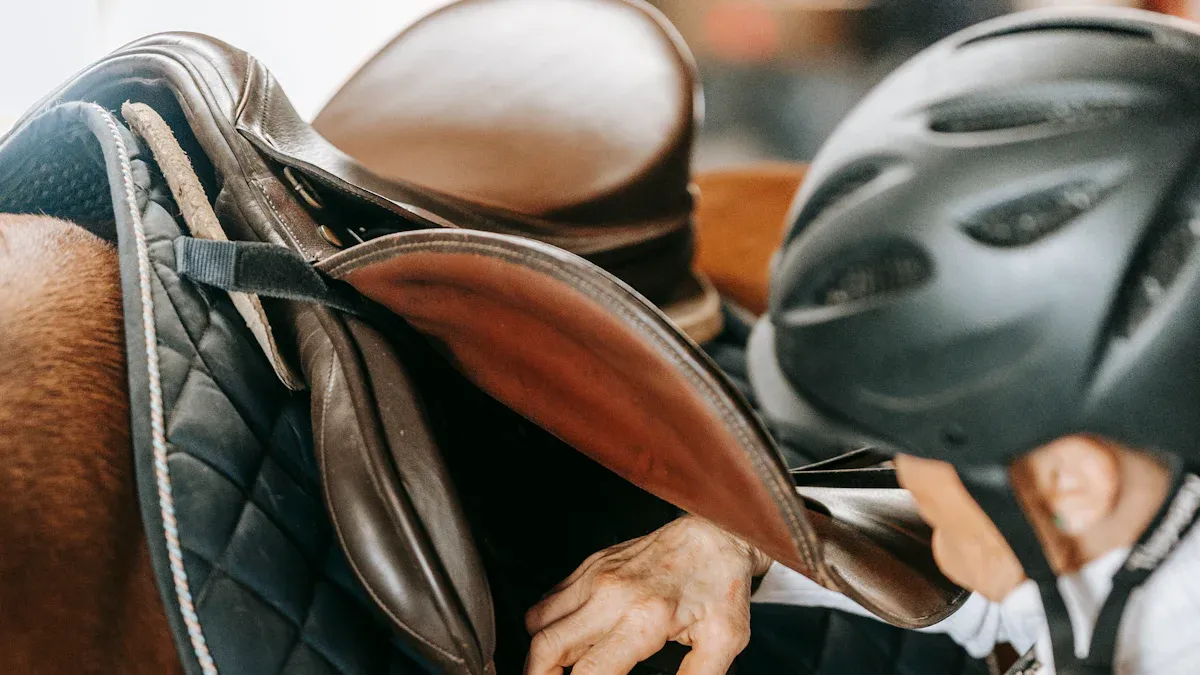
When it comes to helmets, always check for safety standards. A good helmet protects your head from injury. Look for labels like ASTM F1163, VG1 01.040, PAS 015, EN 1384:2017, or SNELL E2016. These standards mean the helmet passed tough tests for impact and safety.
| Standard | Description |
|---|---|
| ASTM F1163 | Tests impact, retention, and visor. |
| VG1 01.040, PAS 015, EN 1384:2017 | Adds tests for penetration and crushing, offering more protection. |
| SNELL E2016 | The strictest standard, covering all aspects with tougher requirements. |
Boots
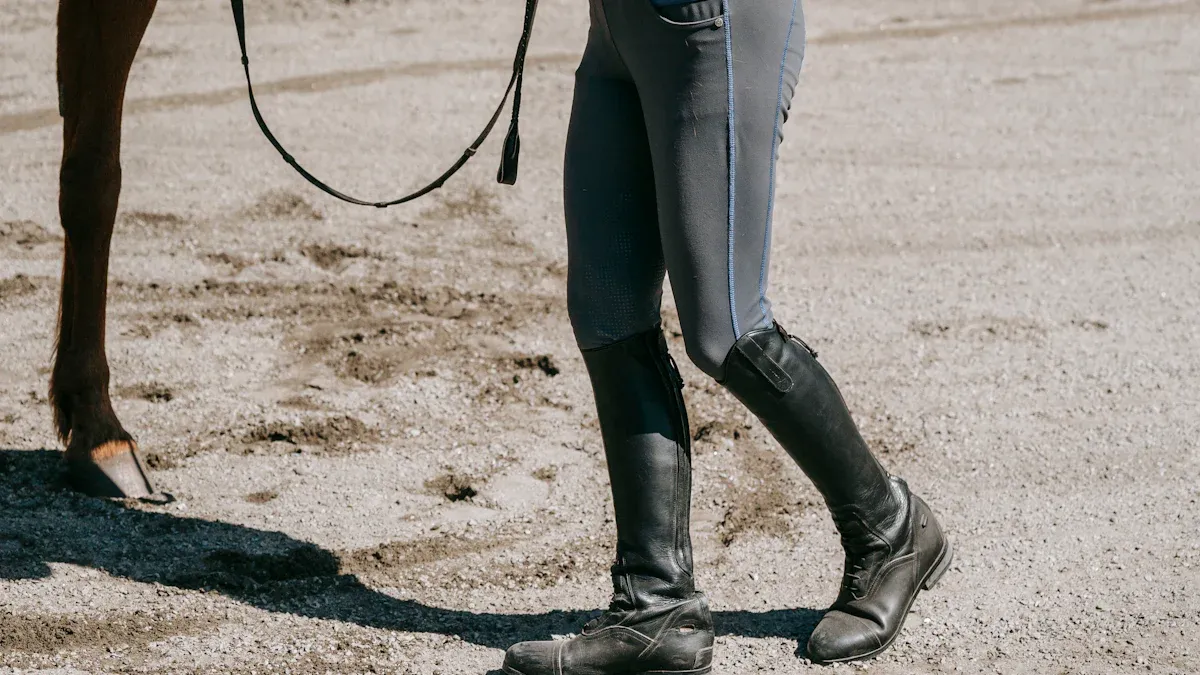
Your boots do more than just look good. They keep your feet dry, warm, and safe. For fall, you want boots that are both waterproof and insulated. Waterproof boots keep your feet dry in wet grass or puddles. Insulated boots trap heat, so your toes stay warm on cold mornings. Some boots offer both features, which is perfect for unpredictable fall weather.
Safety matters, too. Choose boots with a high shaft to protect your lower legs. A cowboy heel stops your foot from sliding too far into the stirrup. Rubber soles give you good grip on slippery ground. Full-grain leather boots last a long time, but synthetic boots can save you money.
| Feature | Description |
|---|---|
| High Shaft | Protects lower legs and adds stability. |
| Cowboy Heel | Prevents foot from slipping too far into the stirrup. |
| Boot Material | Full-grain leather is durable; synthetic is budget-friendly. |
| Boot Sole and Traction | Rubber soles grip different terrains for safety and comfort. |
Note: Waterproof boots are best for wet days, while insulated boots are a must for cold snaps. Some boots combine both, so pick what fits your local weather.
Safety Equipment
You want every ride to be safe, especially on the trail. Wear a properly-fitted helmet every time you ride. Add a safety vest for extra protection. Air vests inflate if you fall, giving you a cushion. Eventer vests protect your chest and back. Brightly colored clothing helps others see you, which is important when daylight fades early in the fall. Carry a phone or radio so you can call for help if needed.
- Equestrian safety vests (air vests and eventer vests)
- Properly-fitted equestrian helmets
- Brightly colored or reflective clothing
- Communication devices (phone or radio)
Wearing a body protective vest can cut your risk of injury by more than half. Reflective vests and gear also help drivers and other riders spot you in low light. The Fall Riding Preparation Guide: Essential Gear and Horse Care Tips reminds you that safety gear is just as important as comfort.
Tip: Always check your gear before you ride. Replace anything that looks worn out or damaged. The right gear keeps you safe and lets you enjoy every ride, just like the Fall Riding Preparation Guide: Essential Gear and Horse Care Tips suggests.
Horse Care
Vaccinations
You want your horse to stay healthy as the seasons change. Fall brings more rain and sometimes warmer days, which can help diseases spread. Mosquitoes love standing water, and they carry viruses like Eastern and Western Equine Encephalomyelitis (EEE and WEE) and West Nile Virus (WNV). If you live where mosquitoes stick around all year, you might need to vaccinate twice a year. Horses also need core vaccines for tetanus and rabies, which you can give any time. Some vaccines, like anthrax, botulism, and strangles, depend on where you live and what your horse does.
- Tetanus and rabies vaccines: Safe to give any season.
- EEE, WEE, and WNV: Best before mosquito season, or twice yearly in warm regions.
- Risk-based vaccines: Anthrax, botulism, and strangles—timing depends on your area and horse’s activity.
Tip: If you move your horse to a shelter or barn with other horses, make sure vaccinations are up to date. Close contact can spread diseases quickly.
Deworming
Parasites get busy in the fall. You need to protect your horse from small redworms, large redworms, bots, and roundworms. These pests can cause weight loss, diarrhea, colic, and even damage organs. Deworming is usually done twice a year—in spring and fall. Foals need more frequent treatments.
| Classification of Parasitic Egg Shedding | Recommended Deworming Frequency | Deworming Times |
|---|---|---|
| Low | 2 times per year | Spring and fall |
| Moderate | 3 times per year | Spring, late summer, and fall |
| High | 4 times per year | Spring, summer, early fall, late fall |
You should do a fecal egg count every year. This test tells you how many parasite eggs your horse sheds. Then, you can set a deworming schedule:
- Test for parasite eggs.
- Deworm based on results:
- Low shedders: Spring and fall.
- Moderate shedders: Spring, late summer, fall.
- High shedders: Spring, summer, early fall, late fall.
Rainy fall weather can make parasite problems worse. Wet ground helps hookworms and other parasites thrive. Horses need extra care when the weather is damp.
Dental Checks
Your horse’s teeth matter more than you think. Dental pain can cause head shyness and trouble with the reins. Horses with sore teeth may act out or refuse to eat. The American Association of Equine Practitioners says you should get a dental exam every year. Fall is a smart time for this checkup, since your horse will soon eat more hay and less grass.
- Yearly dental exams keep your horse healthy.
- Watch for signs like dropping food, head tossing, or avoiding the bit.
- Learn what healthy teeth look like so you can spot problems early.
Note: Dental care helps your horse chew better, stay comfortable, and avoid behavior issues.
Nutrition
Fall changes what your horse eats. Pasture grass starts to fade, so hay becomes the main food. You need to check the quality of your hay and make sure your horse gets enough. Cold weather means horses burn more calories to stay warm. If your horse starts to lose weight, add more hay or switch to a richer type. Always provide fresh water, even when it’s cold. Horses may drink less when water is chilly, so try offering warmer water or electrolytes.
- Give plenty of good-quality hay.
- Transition slowly from pasture to hay to avoid stomach problems.
- Adjust grain rations early in fall to prevent weight loss.
- Check your horse’s body condition often.
- Use alternative forage if hay is scarce.
| Factor | Impact on Energy Balance and Body Condition |
|---|---|
| Energy Intake | If energy intake meets requirements, body condition is maintained. If less, weight loss occurs. |
| Seasonal Changes | Cold weather increases energy needs for warmth, necessitating higher dietary energy to maintain condition. |
| Body Condition Score | Horses with a higher score (5 or 6) maintain warmth better than those with a lower score (4), affecting energy levels. |
Tip: Horses with a good body condition score handle cold better. Keep an eye on weight and energy levels as the season shifts.
Winter Coat
Your horse starts growing a winter coat when the days get shorter. This change helps keep your horse warm. Horses outside grow their coats sooner than those kept indoors. Breeds like Fjord and Icelandic horses start early because they’re built for cold. The coat grows because special cells in the eyes sense less daylight, sending signals to the brain. Hormones like cortisol and melatonin help the process.
- Shorter daylight hours trigger winter coat growth.
- Outdoor horses and hardy breeds grow coats faster.
- Good nutrition and health help the coat come in thick and strong.
- Regular grooming keeps the coat clean and skin healthy.
Horses eat more in cold weather to stay warm. Hay helps them generate heat as they digest. Grooming is important because winter coats trap dirt and moisture.
Hoof Trimming
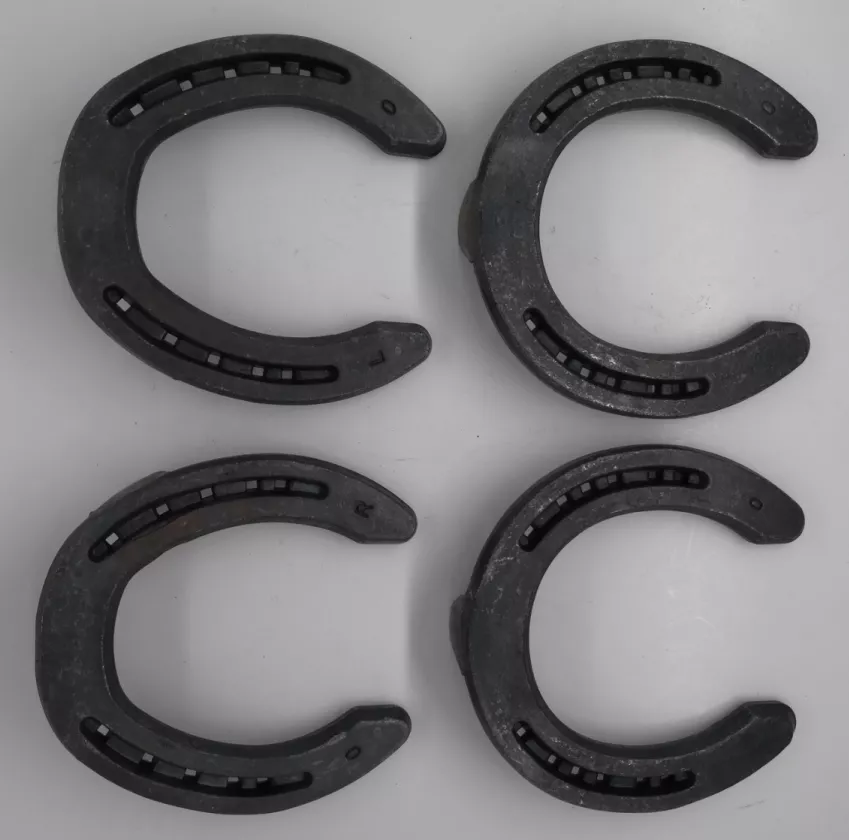
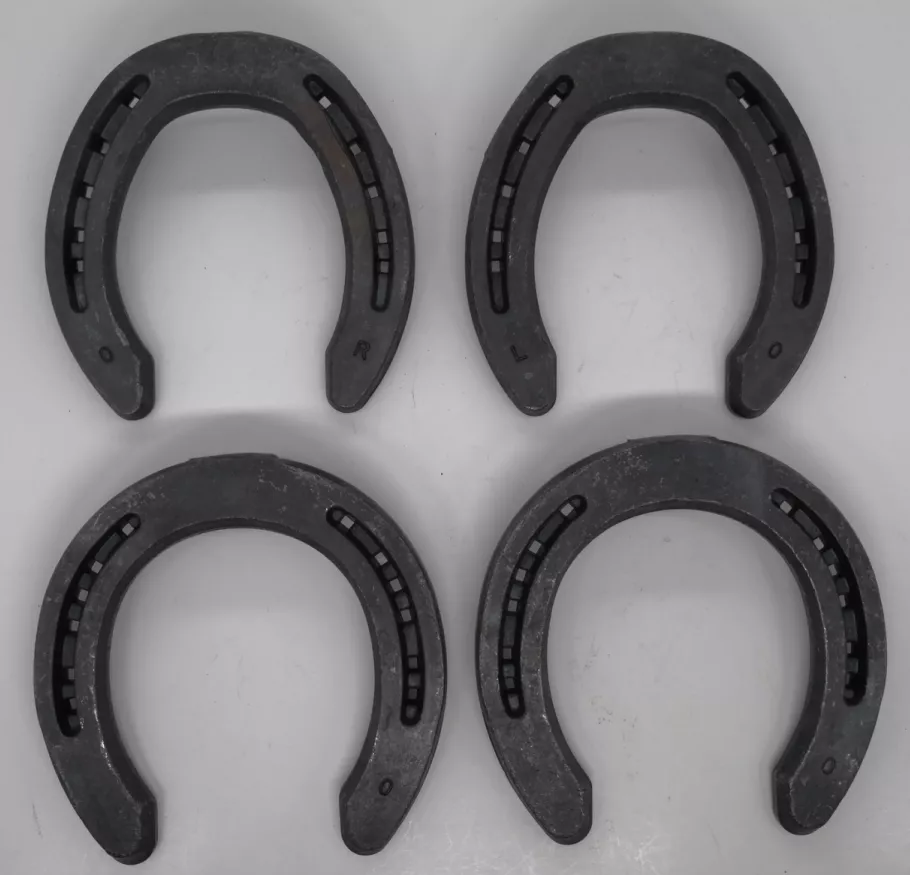
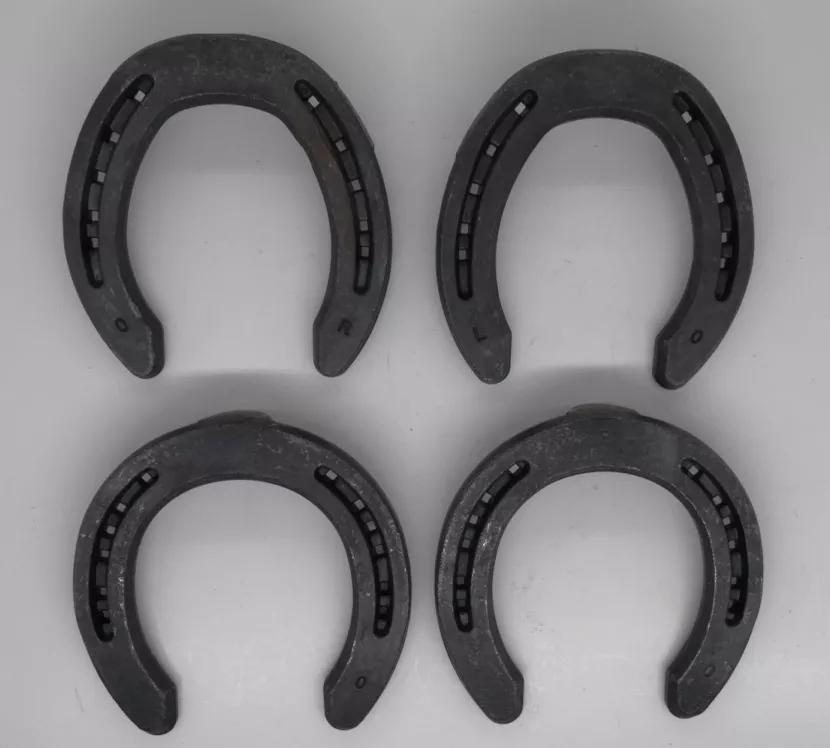
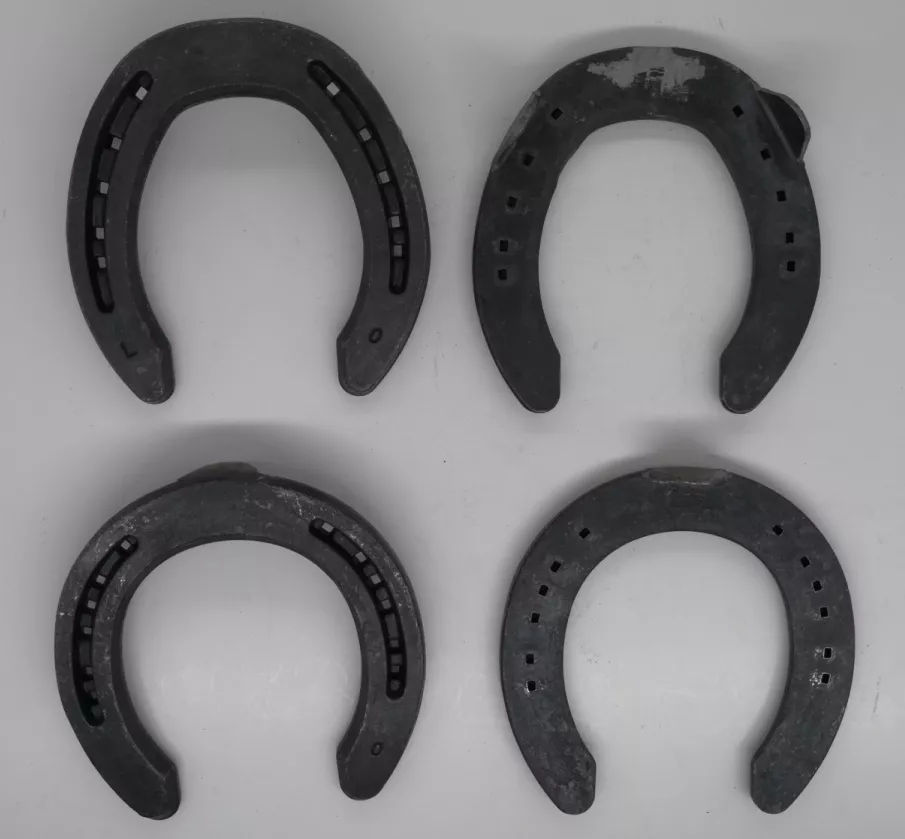
Fall weather can be tough on hooves. Wet ground makes hooves soft and weak. Too much moisture causes cracks and can lead to infections. You need to check your horse’s hooves often and keep them clean. Trim hooves regularly to prevent problems. If you ignore hoof care, you risk sole damage and pain for your horse.
- Monitor hooves for cracks, softness, or signs of infection.
- Keep hooves dry and clean.
- Schedule regular trims, especially in wet weather.
Alert: Healthy hooves help your horse stay active and comfortable all season. Don’t skip trims or ignore changes in hoof quality.
The Fall Riding Preparation Guide: Essential Gear and Horse Care Tips covers everything you need for horse care in autumn. When you pay attention to vaccinations, deworming, dental checks, nutrition, winter coat, and hoof trimming, you help your horse stay happy and healthy.
Shelter Prep
Barn Inspection
Fall is the perfect time to walk through your barn and look for problems. You want to keep your horse safe and comfortable before cold weather hits. Check for drafts by looking for gaps in doors and windows. Seal these spots to stop cold air from sneaking in. Look up and clear away cobwebs, especially near lights or heaters. Too many cobwebs can catch fire. Make sure hay stays far from heat sources. Store plastic and chemicals safely. Test your fire extinguishers and check that you have enough. Inspect all electrical wiring and outlets. Cover lightbulbs and keep the barn clean. You also want to mow around the barn to lower fire risk.
Tip: Install a lightning rod and fire detection devices for extra safety. Good ventilation keeps the air fresh and helps your horse breathe easier.
Blankets
Fall weather can change fast. Some days feel warm, but nights get chilly. You need to have the right blankets ready for your horse. Use a layering system so you can add or remove blankets as needed. High neck blankets and neck covers give extra protection when the wind picks up. Turnout blankets work well because they are waterproof and breathable. You can choose different weights for different temperatures.
| Blanket Type | Features |
|---|---|
| High Neck | Extra coverage for neck and shoulders |
| Neck Rug/Cover | Attaches to main blanket, adjustable warmth |
| Layering System | Mix and match light and heavy blankets |
| Turnout Blanket | Waterproof, breathable, comes in various weights |
Hay And Feed
As grass fades, your horse needs more hay. Start making slow changes to your feeding plan. Switch from pasture to hay a little at a time. Pick good-quality hay that is leafy and green. Young, immature hay has more nutrients and protein. Stock up now so you do not run out when winter comes. Always keep water from freezing, since horses need to drink plenty even when it is cold.
- Transition slowly from pasture to hay.
- Choose leafy, green hay for better nutrition.
- Keep enough hay on hand for the whole season.
Pasture Rotation
Rotating your pastures helps grass grow back and keeps your horse healthy. Let pastures rest after grazing. Move your horse when grass gets down to 3-4 inches. Wait until grass grows back to 7-10 inches before letting your horse graze again. This method keeps the pasture strong and reduces parasite problems. Short grazing periods help your horse eat the best grass and avoid eating parasite larvae. Adding plants like chicory or legumes can boost nutrition and help control worms.
| Practice | Recommendation |
|---|---|
| Rest and Rotation | Let pastures rest; rotate horses to new areas often |
| Grazing Height | Graze at 7-10 inches, move horses at 3-4 inches |
| Recovery Time | Rest pastures for three weeks or until grass reaches 7 inches again |
Note: Good pasture rotation means healthier grass, fewer parasites, and better nutrition for your horse.
Trail Riding Tips
Route Planning
You want every trail ride to feel safe and fun. Start by picking a route that matches your skill level and your horse’s experience. Check the weather before you head out. Look at trail maps and ask other riders about the best paths. Marked trails help you avoid getting lost. If you ride with a group, share your plan and set meeting points. Always let someone know where you plan to go and when you expect to return.
Tip: Stay on marked trails. You lower your risk of accidents and help protect nature.
Terrain Prep
Fall trails can surprise you. Wet leaves hide rocks and roots. Mud makes footing slippery. Walk the trail on foot if you can. Look for old wire, deep bogs, or loose gravel. These hazards can hurt you or your horse. Stay alert and watch for changes in the ground. If you see a risky spot, slow down or lead your horse by hand.
Common trail hazards:
- Old or downed wire
- Poor footing on steep or loose terrain
- Deep bogs that are hard to judge
Alert: Injuries like concussions, fractures, and spinal damage often happen when riders fall on rough ground.
Packing Light
You want to carry only what you need. Heavy packs tire you and your horse. Bring water, snacks, a hoof pick, and a basic first aid kit. Pack a phone or radio for emergencies. Use a small saddlebag or a waist pouch. Double-check that your gear fits snugly and does not bounce.
| Item | Why You Need It |
|---|---|
| Water Bottle | Stay hydrated |
| Snacks | Keep energy up |
| Hoof Pick | Remove trail debris |
| First Aid Kit | Handle minor injuries |
| Phone/Radio | Call for help |
Visibility
Daylight fades fast in the fall. You need to stay visible to others. Wear bright colors or reflective gear. Attach a reflective band to your horse’s bridle or tail. If you ride near roads, use a safety vest. Plan your ride so you finish before dark. Watch for fog or low light in wooded areas.
Stay safe by:
- Wearing reflective clothing
- Using bright saddle pads or leg bands
- Finishing rides before sunset
Note: Listen to your guide and stay alert. You avoid most accidents by paying attention and respecting the trail.
Fall Riding Preparation Guide: Essential Gear and Horse Care Tips Checklist
Are you ready to get organized for fall? Use this checklist to help you and your horse get ready for every ride. You can print it or save it on your phone for easy use.
Rider Checklist
- Wear layers: base, middle, and outer.
- Pick fabrics that pull sweat away (not cotton).
- Put on boots that are waterproof, warm, and have good grip.
- Choose gloves that block wind and water.
- Make sure your helmet fits and meets safety rules.
- Wear a safety vest or bright gear so others see you.
- Bring a phone or radio in case you need help.
- Pack water, snacks, and a small first aid kit.
Tip: Always look over your gear before each ride. Change out anything that is old or broken.
Horse Checklist
- Make sure core and risk-based shots are up to date.
- Deworm your horse based on fecal egg count results.
- Set up a dental check if your horse needs one.
- Watch your horse’s weight and change food if needed.
- Switch slowly from grass to hay.
- Brush your horse often to help the winter coat grow well.
- Check hooves a lot and trim them when needed.
- Look for any signs of sickness or pain.
| Task | How Often |
|---|---|
| Vaccinations | Once a year or as needed |
| Deworming | 2 to 4 times a year |
| Dental Check | Once a year |
| Hoof Trimming | Every 6 to 8 weeks |
Shelter Checklist
- Check the barn for cold air, leaks, and fire risks.
- Clean away cobwebs and look at all wires.
- Get blankets and neck covers ready for cold nights.
- Store plenty of good hay and feed.
- Move horses to different pastures to keep grass strong.
- Make sure water does not freeze.
Note: The Fall Riding Preparation Guide: Essential Gear and Horse Care Tips helps you get ready for the season. A checklist keeps you on track and your horse feeling good.
You’ve got everything you need for fall riding. When you use a checklist, you stay organized and keep both you and your horse safe. Take a look at how a checklist helps:
| Checklist Item | Description |
|---|---|
| Proper Equipment | You grab the right gear, like helmets and warm layers. |
| Safety Gear | Certified helmets lower your risk of injury. |
| Horse Preparation | You check your horse’s health and use protective wraps. |
| Trailer Safety | You inspect tires, brakes, and lights before you travel. |
Enjoy every ride this season! Stay safe, stay comfortable, and make the most of those crisp fall days with your horse. 🍂
FAQ
What should you do if your horse starts losing weight in the fall?
Check your horse’s body condition every week. Add more hay or switch to a richer type if you see weight loss. Make sure your horse always has fresh water. Ask your vet for advice if you notice big changes.
How do you know if your horse needs a blanket?
Watch your horse for shivering or standing with a hunched back. Horses with thin coats or older horses may need blankets sooner. If your horse lives outside and gets wet or cold, use a waterproof turnout blanket.
Can you ride your horse if it’s raining or muddy?
You can ride in light rain, but avoid deep mud or slippery trails. Wet ground can cause injuries. Always check your horse’s hooves after riding in wet conditions. Dry your tack and gear when you get home.
What is the best way to keep your horse’s hooves healthy in fall?
Pick out your horse’s hooves every day. Keep hooves dry and clean. Schedule regular trims with your farrier. Watch for cracks, soft spots, or signs of infection. Healthy hooves help your horse stay active and comfortable.