
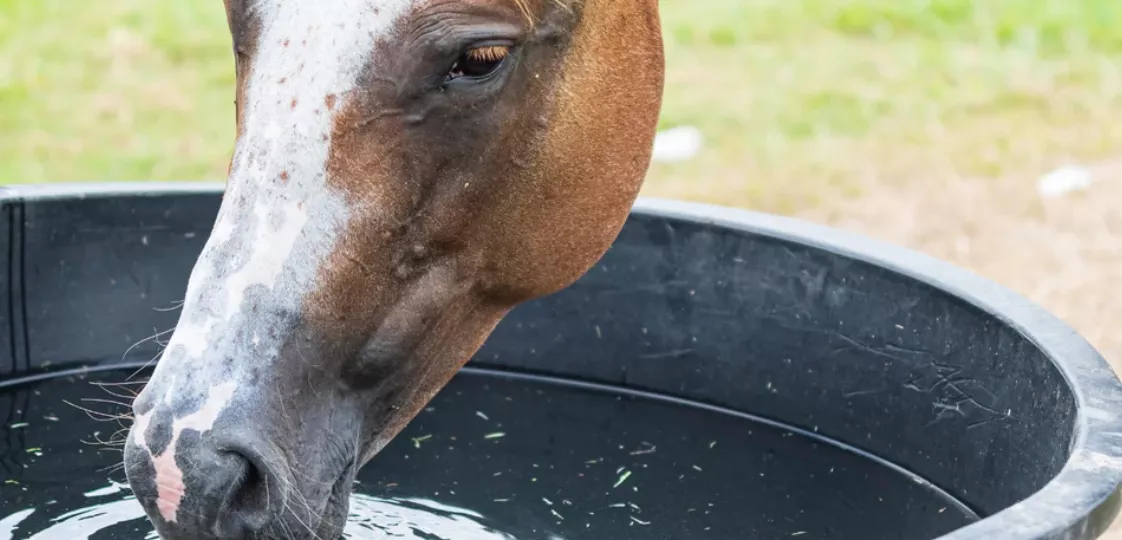
Ensuring that your horse remains well hydrated is fundamental to its health, performance, and well‑being. Hydration is more than making water available—it depends on water quality, consistency, and observing your horse’s behavior closely.
The Role of Water in Equine Health
Water constitutes a large portion of a horse’s body and plays a central role in digestion, temperature regulation, cellular processes, and nutrient transport. Dry forage diets and higher levels of salts or electrolytes increase a horse’s demand for water. Horses derive some moisture from fresh pasture, but during dry periods or when feeding preserved forage like hay, their fluid intake must make up the difference.
Under hot conditions or heavy work, fluid losses via sweating accelerate dramatically, making the difference between subtle fatigue and serious dehydration.
What Makes Water “Drinkable” to a Horse
Horses are sensitive to taste, smell, and even temperature in their water. A well‑maintained, appealing water supply encourages regular drinking, even in less than ideal weather.
Water should be clean, free of algae, debris, and contamination; troughs or buckets must be cleaned frequently and refilled often. Moderate temperature is preferred, as water that is too cold or too warm may reduce intake. Palatability matters: dissolved solids, pH, and familiar taste influence whether a horse accepts water from a new source or during travel. Using a familiar bucket or container when traveling can help the horse adjust to a new environment.
Daily Practices to Keep Water Clean and Healthy
From the moment the sun rises, attention to water quality sets the tone for hydration all day. Inspect all buckets, troughs, and automatic waterers, removing leaves, insects, or organic debris. Scrub surfaces regularly, as biofilm or algae may form quickly in warm weather. Refill containers with fresh water before they become stale. Shade the water supply where possible to slow temperature rise and discourage algae growth.
In colder climates, prevent freezing by using heaters or insulation and topping off with slightly warmed water as needed. Tracking daily water consumption per horse helps detect sudden drops or increases, which can indicate health issues or environmental problems.
Encouraging Drinking Behavior
Providing water is necessary but not always sufficient. Some horses hesitate or drink minimally without extra encouragement.
Incorporating salt or electrolytes into the routine helps activate thirst mechanisms. Balanced electrolytes can replace minerals lost through sweat and encourage more fluid intake. Feeding soaked hay, cubes, or other moist forages adds water content directly to the diet, especially helpful when a horse is reluctant or conditions are challenging.
Where horses resist unfamiliar water, introducing small amounts of flavoring, such as molasses or mild apple cider vinegar, may help, as long as plain water remains freely available.
Recognizing Early Signs of Dehydration
Proactive caretakers detect subtle changes before they escalate. Indicators include:
-
Gums that feel dry or tacky rather than moist
-
Slower return in a skin‑pinch test (skin over the neck or shoulder should snap back promptly)
-
Sunken eyes or dull attitude
-
Reduced feed intake or feed chewing behavior
-
Dark, concentrated urine or fewer urinations
When dehydration approaches moderate to severe levels, veterinary intervention may be necessary.
Special Situations: Travel, Heat, and Competition
In transit or at unfamiliar sites, horses may be reluctant to drink. Carry water from home, allow familiar containers, and offer soaked forage to bridge the gap.
During hot weather, fluid losses via sweat demand more aggressive hydration strategies: increase access to water, provide electrolyte support, and monitor intake if possible.
Following intensive exercise, immediate free access to fresh water is safe. Horses regulate intake naturally and rarely consume harmful excess in the short term.
Maintaining a Hydrated Gut for Better Health
Water supports digestion, nutrient absorption, and motility in the gut. A hydrated digestive system reduces the risk of impaction or colic. Fluctuations in water or dry feeding without compensation stress gut function and microbial balance.
By combining clean water practices, attention to drinking behavior, and proactive management in challenging conditions, you can help your horse maintain optimal hydration every day.